Best Place to Hang Kids Art Frames in a Family Home

The best place to hang kids art frames in a family home is a bright, shared area where children can see their work often, such as a hallway, playroom, breakfast nook, family room, or stair landing. Choose a safe wall with low traffic, soft light, and enough space to rotate new pieces without crowding the room.
For most homes, a hallway gallery wall or playroom art wall works best because it gives kids’ artwork daily visibility while keeping frames away from spills, heat, and heavy furniture zones.
I love children’s art because it carries more than color. It shows confidence, memory, play, and the small stories of family life. But where you place it matters.
A kids art frame can look charming in almost any room. Still, the right wall makes the display safer, neater, and easier to enjoy every day.
What Makes a Good Place for Kids Art Frames?
A good place for kids art frames should do three things. It should show the artwork clearly, protect it from damage, and feel natural in the home.
I look for walls that are visible but not chaotic. A hallway, stair landing, or family room wall can become a small home gallery without taking over the whole room.
If you already enjoy framing and display ideas, our Art & Frames guide is a good place to explore more styling options for family walls.
The best location is not always the biggest wall. It is the wall that your family passes, notices, and can safely use.
Best Places to Hang Kids Art Frames in a Family Home
Hallways
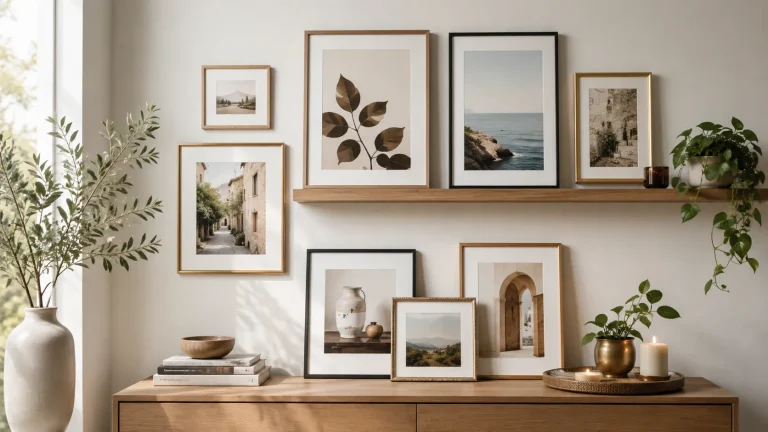
A hallway is one of my favorite places for kids art frames. It turns a plain passage into a personal family gallery.
Hallways work well because they are seen every day. Children walk past their work and feel proud. Parents get a warm visual reminder of family life.
Playrooms
A playroom is a natural home for children’s artwork. It feels relaxed, bright, and creative.
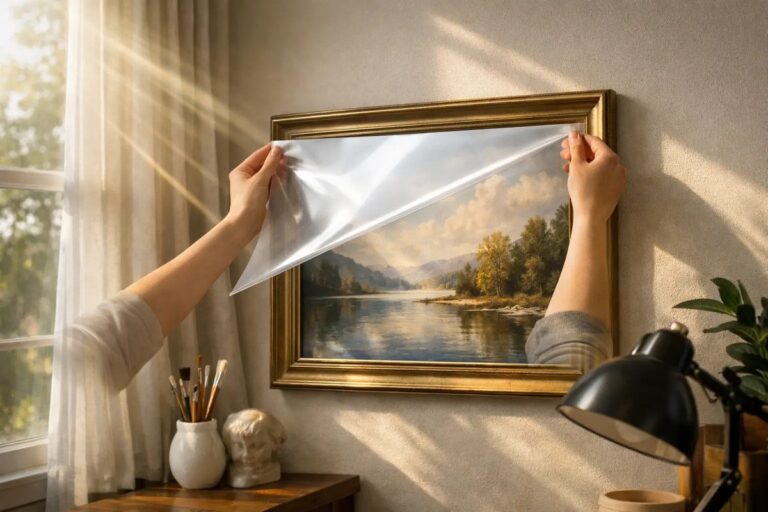
You can hang frames lower here so children can enjoy their work at their own eye level. Front-opening frames are especially helpful because you can swap new drawings quickly.
Breakfast Nooks and Dining Corners
A breakfast nook can be a lovely spot for a small kids art wall. It makes everyday meals feel more personal.
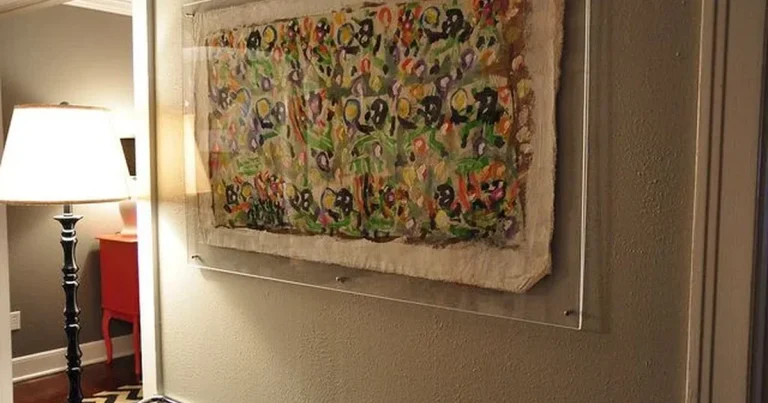
Choose wipeable frames or acrylic fronts in dining areas. Keep artwork away from direct food splashes, steam, and greasy cooking zones.
Family Rooms
The family room is a strong choice if you want the art to feel celebrated. A neat row of kids art frames above a sideboard or reading chair can look warm and intentional.
For a more finished look, mix children’s art with simple prints, photos, or small framed quotes. This helps the wall feel curated instead of random.
Stair Landings
A stair landing can be perfect for a rotating mini gallery. It gives the artwork its own moment without competing with a TV, sofa, or shelves.
Just avoid placing frames where people might brush against them while carrying bags, laundry, or toys.
For most families, I would start with a hallway gallery wall using three to five matching front-opening kids art frames. It looks tidy, feels special, and makes artwork easy to rotate.
How to Choose the Right Wall
The best wall is not only about beauty. It is also about daily life. Ask yourself: will this wall stay safe, clean, and easy to reach?
- Pick a wall away from direct sunlight.
- Keep frames clear of doors that swing open.
- Avoid placing frames too close to heat vents or radiators.
- Use secure hanging hardware for the frame weight.
- Leave enough space to open front-opening frames.
- Choose acrylic glazing for kids’ rooms when possible.
How to Hang Kids Art Frames Step by Step
For shared family spaces, place the center of the display around adult eye level. In a playroom, hang frames a little lower so children can enjoy them too.
Use painter’s tape to mark frame sizes on the wall. Step back and check the balance before making holes.
Leave about 2 to 3 inches between small frames. Use the same spacing across the whole display for a clean look.
Choose hooks or anchors that match the wall type and frame weight. This is important in family homes where walls get bumped.
If you use front-opening frames, open each one fully after hanging. Make sure there is room to change the artwork without scraping the wall.
Hang one “current favorite” frame in a prime spot and use nearby frames for older pieces. This gives children a special place for their newest work.
Why Placement Matters
Where you hang kids art frames affects how the art feels in your home. A good location says, “This matters.” A poor location can make the display feel messy or forgotten.
Good placement can also protect the artwork. Paper drawings can fade in strong sun, ripple in humidity, or get damaged near busy doors.
Museums take light, handling, and storage seriously for works on paper. The Met Museum and the Museum of Modern Art are good reminders that even simple paper-based art deserves thoughtful care.
Real-World Display Ideas
In a small apartment, I like a slim hallway row of matching frames. It makes the home feel personal without using floor space.
In a larger family home, a playroom wall can handle a more colorful layout. You can mix frames, clipboards, ledges, and storage baskets.
If you enjoy softer room styling, connect the art wall with warm lamps, natural baskets, and simple shelves. Our Creative Living section has more ideas for making everyday spaces feel thoughtful and personal.
Try creating a “small artist wall” near a reading corner. Add two framed drawings, one small shelf of art books, and a soft lamp. It feels proud, cozy, and easy to update.
Do’s and Don’ts for Hanging Kids Art Frames
- Use matching frames for a clean family gallery look.
- Hang frames where children can see their work often.
- Choose acrylic fronts in active kids’ spaces.
- Keep paper art away from direct sunlight.
- Rotate artwork on a simple schedule.
- Do not hang frames where doors can hit them.
- Do not place paper art near steam or cooking grease.
- Do not overcrowd every wall with artwork.
- Do not use weak adhesive strips for heavy frames.
- Do not hang glass frames low in rough play areas.
Style Guide: Making Kids Art Look Beautiful at Home
Children’s art is naturally bright and expressive. The frame and wall color can help it feel more polished.
For warm lighting ideas that make art feel softer in the evening, visit our Lighting & Ambience guide.
Budget Estimate for a Kids Art Frame Wall
Pro Tips for a Family-Friendly Art Wall
- Use one frame size if you want the wall to look calm.
- Use mixed frame sizes if you want a playful gallery wall.
- Keep a small storage folder nearby for retired artwork.
- Write the child’s name and date on the back of each piece.
- Rotate art by season, holiday, school project, or favorite color.
- Take a photo of each artwork before storing or replacing it.
Common Mistakes to Avoid
Hanging Frames Too High
If the frames sit too high, children may not feel connected to them. In playrooms, lower placement often feels more joyful.
Choosing a Wall with Harsh Sun
Sunlight can fade paper, marker, watercolor, and crayon. Choose a bright wall with indirect light instead.
Using Too Many Colors in the Frames
Kids art already has color. Simple frames keep the display from feeling too busy.
Forgetting About Rotation
If changing the artwork is hard, you will avoid doing it. Front-opening frames make rotation much easier.
Avoid glass frames in low play areas or near beds, toy zones, and narrow hallways. Acrylic glazing is usually safer for busy family spaces.
Shop This Look
Table: Best Rooms for Kids Art Frames
| Room or Area | Why It Works | Best Frame Type |
|---|---|---|
| Hallway | Easy to see every day and good for a family gallery feel | Matching front-opening frames |
| Playroom | Creative, relaxed, and child-friendly | Acrylic-front frames or clip frames |
| Breakfast nook | Adds warmth to daily family meals | Small wipeable frames |
| Family room | Makes children’s art feel celebrated | Wood or gallery-style frames |
| Stair landing | Creates a small display moment without using floor space | Secure wall-mounted frames |
Table: Problem, Cause, and Simple Fix
| Problem | Likely Cause | Simple Fix |
|---|---|---|
| Artwork fades | Too much direct sunlight | Move frames to indirect light |
| Wall feels messy | Too many frame colors or sizes | Use matching frames and even spacing |
| Frames get bumped | Placed in a narrow traffic path | Move to a wider wall or higher position |
| Art is hard to change | Frames must be removed from the wall | Use front-opening kids art frames |
| Display feels too childish | No connection to the room style | Use neutral frames and simple lighting |
Table: Frame Style vs Room Mood
| Frame Style | Best Mood | Where I’d Use It |
|---|---|---|
| Natural wood | Warm and soft | Playroom, hallway, breakfast nook |
| White frames | Clean and bright | Nursery, kids room, small hallway |
| Black frames | Modern and gallery-like | Family room or stair landing |
| Colorful frames | Playful and bold | Craft room or playroom only |
- The best place to hang kids art frames is usually a hallway, playroom, stair landing, or family room wall.
- Choose a wall with indirect light, safe traffic flow, and enough space for easy rotation.
- Use matching frames for a clean look and acrylic glazing for active kids’ areas.
- Keep artwork away from direct sun, steam, heat, and door swings.
The best place to hang kids art frames in a family home is a visible, safe, and easy-to-update wall. A hallway gallery wall is the most flexible choice, while a playroom wall is best for child-level display and frequent rotation.
Frequently Asked Questions
The best place is usually a hallway, playroom, family room, stair landing, or breakfast nook. Choose a safe wall with indirect light and good visibility.
In a playroom or kids room, yes. In shared spaces, use a balanced height that works for both adults and children.
You can, but keep them away from steam, grease, sinks, and cooking heat. A breakfast nook is usually safer than a wall near the stove.
Glass can work in low-traffic adult spaces, but acrylic is safer for playrooms, kids rooms, and busy family areas.
Three to five frames is a good start for most homes. It gives the wall impact without making it feel crowded.
Every 4 to 6 weeks works well for many families. You can also rotate by season, school project, or special occasion.
Use matching frames, simple spacing, and a calm wall color. Let the artwork bring the color while the frames keep the display polished.
Final Thoughts
The best place to hang kids art frames in a family home is the place where the art feels seen, safe, and easy to enjoy. For most families, I recommend a hallway gallery wall first. It is visible, practical, and simple to style.
If your home has a playroom, that is another wonderful choice. Hang the frames a little lower, use safer materials, and let children feel ownership of the wall.
Keep the display away from direct sun, steam, and heavy traffic. Choose secure hardware. Use frames that make rotation easy. With those simple choices, your child’s art can become one of the warmest parts of your home.