
10 Best Frames for Oil Paintings: Floater & Traditional Options

Oil painting frames protect and display artwork while shaping how viewers see color, texture, and scale. Frames range from simple stretcher bars and floater frames to ornate wood or gilded designs that match period work. We’ll look at the types that suit different budgets and styles and explain why the right frame can improve both the look and longevity of an oil painting.
The key things to check when buying a frame are size and fit, depth for the canvas or panel, material and finish, and whether the frame uses UV-protective glazing or spacers to keep the paint from touching glass. Measure the outer edge of the canvas, the thickness of the stretcher, and decide if you want the frame to touch the paint surface—these choices determine whether a frame fits safely and looks right. We tested common frame styles and mounting options to recommend choices that protect paintings and match different display needs.
10 Best Frames for Oil Paintings
Below is our full list of the best frames for oil paintings. We tested options that protect the canvas, match different styles, and fit common frame sizes. Use our picks to find a frame that keeps your painting safe and looks great on the wall.
FOLKOR Vintage Canvas Frame 16×20
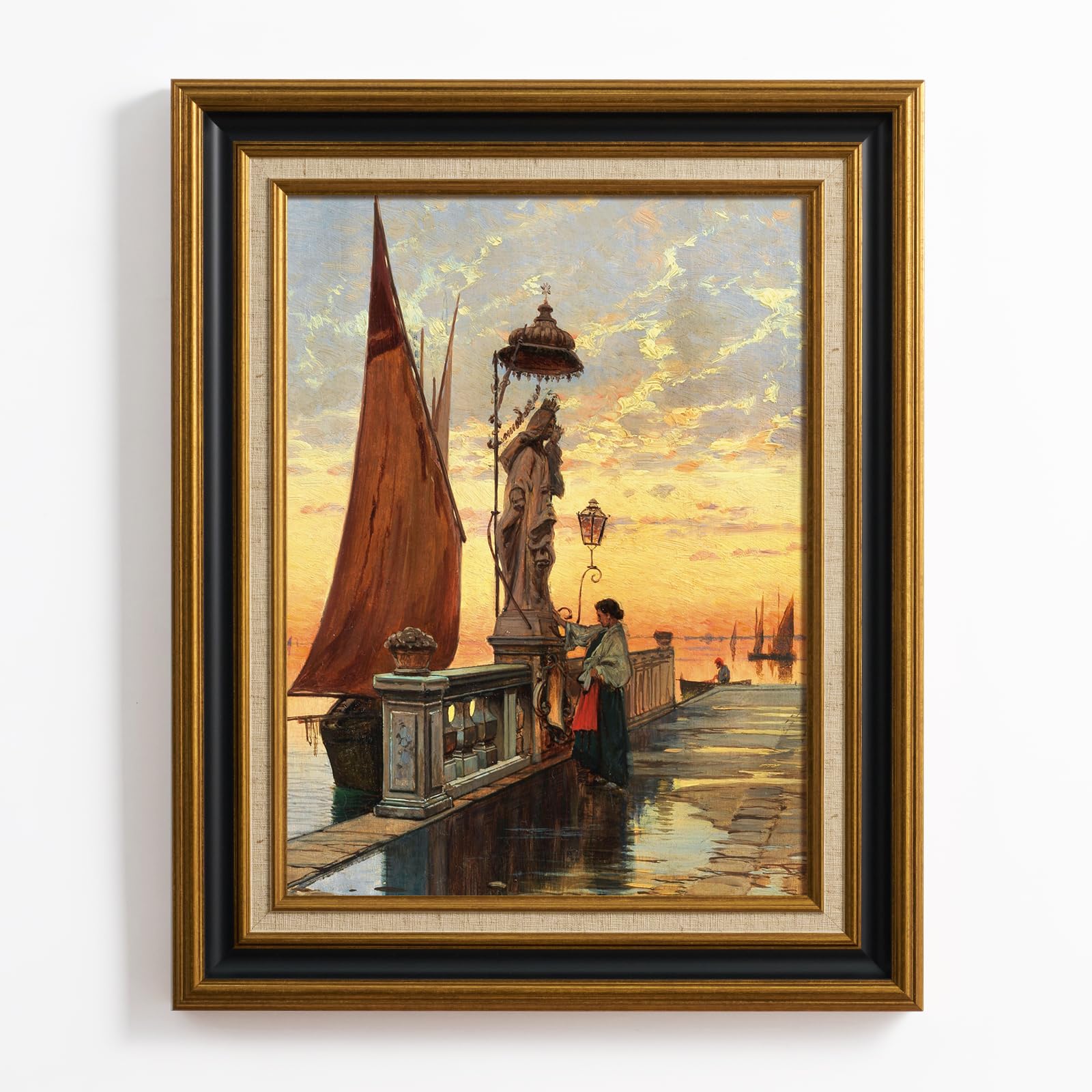
We recommend this frame if you want a vintage look for a 16×20 stretched canvas without glass and backing.
Pros
- Adds an antique, fabric-lined look that deepens the artwork.
- Lightweight and easy to handle for quick DIY framing.
- Affordable option that mimics higher-end styles.
Cons
- No glass or backing included, so protections and attachment parts may be missing.
- Shallow rabbet depth may not fit very thick canvases.
- Plastic construction may not feel as solid as wood.
This frame gives a classic art-dealer look with a subtle liner that brings out color and depth. We like the decorative edge for living rooms and cafes where a vintage feel fits the space.
Assembly seems straightforward for simple stretched canvases, and the light weight makes hanging easier. Buyers should check canvas thickness first, since the frame has limited depth and includes no backing or glass.
Packaging and finish often arrive in good condition, but some users report missing hardware pieces or trouble securing certain prints. If you need full protection or thicker mounts, plan to buy backing boards or extra fasteners separately.
Abtgt 11×14 Floating Frame

We recommend this frame if you want an easy, low-cost way to give an 11×14 oil canvas a clean floating look.
Pros
- Tool-free mounting with Velcro makes swaps fast.
- Built-in sawtooth hangers let us hang vertically or horizontally.
- Deep rabbet (0.9″) gives a true floating effect.
Cons
- Velcro and staples can be visible on thinner canvases.
- Some finish flaws reported on arrival.
- Size fit may vary; measure your canvas first.
This frame gives a modern black edge that lifts a canvas off the wall without heavy framing. It comes ready to use with adhesive Velcro and hangers already attached, which saves time during installation.Best Floating Frames for Canvas
We found the depth helps create a gallery-style gap around the canvas. The engineered wood looks neat from a distance, though close inspection can show minor finish issues or visible Velcro on smaller works.
For tight budgets, this hits the mark: it’s light, simple to install, and creates a finished look quickly. If you need flawless close-up presentation or custom sizing, consider higher-end or framed-matted options instead.
FOLKOR 24×36 Gold Ornate Frame

We recommend this frame if you want an ornate, solid-wood look for a 24×36 oil painting at a lower cost than custom framing.
Pros
- Rich antique gold look that lifts the painting’s presence.
- Solid wood construction feels more durable than plastic.
- Includes mounting hardware and is lightweight for wall hanging.
Cons
- Assembly can be tricky and may need extra reinforcement.
- No backing board or glass — you must provide protection.
- Some units arrive with minor chips or fit issues.
The gold ornate profile gives paintings a formal, museum-like feel. The 2.4″ width frames canvas edges without hiding too much of the image, and the 3/8″ rabbet depth fits stretched canvases.
We found many buyers said the frame looks high-end once assembled. The wood finish and embossed detail make it a strong visual upgrade for living rooms or galleries.
Expect to spend a little time on assembly and to check corners for gaps. If you want full protection for the painting, plan to add a backing board or protective layer since none is included.
Buy from Amazon: FOLKOR DIY Wood Frame 24×36
MCS 16×20 Float Frame

We recommend this frame if you want a simple, modern look that fits a 16×20 stretched canvas and hangs easily.
Pros
- Clean black finish that suits many styles
- Tool-free mounting with hook-and-loop strips
- Can hang vertical or horizontal with pre-attached hangers
Cons
- Adhesive fasteners may feel less secure than hardware
- Outer dimensions can confuse buyers expecting exact interior size
- MDF construction lacks the weight and feel of solid wood
This floater frame gives canvas art a neat, gallery-ready edge without fuss. We like that the black finish keeps attention on the painting and that swapping canvases takes only seconds.
Installation relies on adhesive hook-and-loop strips included with the kit. That makes changes fast, but we note some buyers worry about long-term hold compared with screws or brackets.
The frame works well for dorm rooms, gift pieces, and gallery walls where a uniform look matters. It’s affordable and available in multiple sizes, so matching other pieces is easy.
Abtgt 12×16 Floater Frame
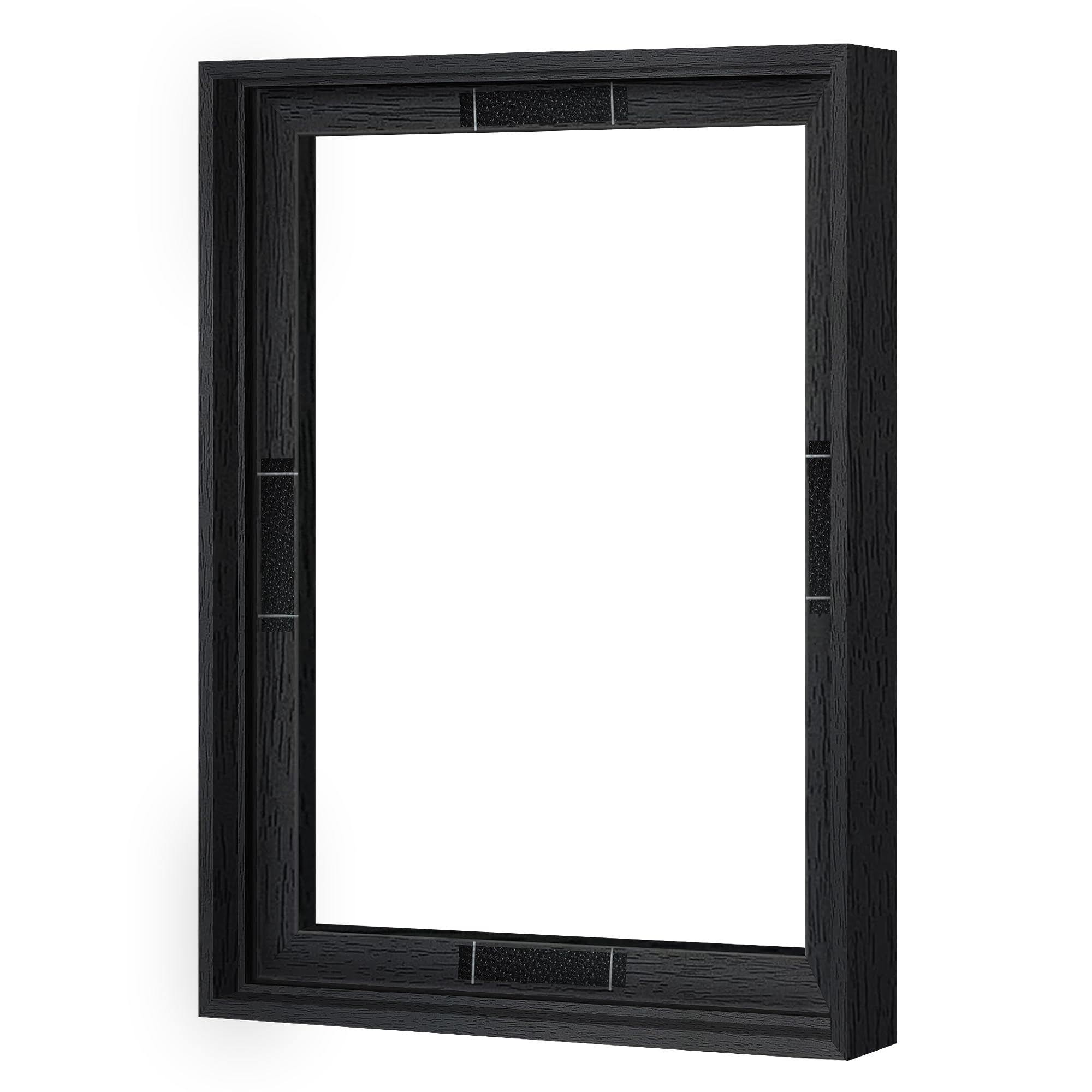
We recommend this frame if you want a simple, affordable way to give a 12×16 oil canvas a clean floating look.
Pros
- Easy to hang and swap canvases with included Velcro and sawtooth hooks.
- Clean, modern look that lifts the canvas away from the wall.
- Lightweight and well packaged for delivery.
Cons
- Inner edges can show Velcro or staples on smaller or mis-sized canvases.
- Cardboard backing may feel less durable than solid wood.
- Finish may have minor blemishes on some units.
The frame holds a 12×16 canvas securely and lets the painting sit slightly away from the wall for a gallery-style look. The magnetic and adhesive parts speed up changes and reduce the need for tools.
We like that the package includes Velcro strips and hanging hardware so installation is fast. The engineered wood with a black wood-grain finish reads as modern and unobtrusive.
Buyers should check canvas size carefully; a slightly smaller canvas can expose the Velcro or inner staples. If you want a heavier, solid-wood feel, consider other options, but this frame gives a neat finished look on a budget.
FOLKOR Gold DIY Canvas Frame 18×24″

We recommend this frame if you want a sturdy, vintage-style wood frame for an 18×24 oil canvas and don’t need glass or a backing.
Pros
- Solid, heavy wood gives a high-end look.
- Wide decorative face adds depth and a classic feel.
- Includes hardware and frame bars for self-assembly.
Cons
- No glass or backboard included, so protection is limited.
- Assembly can show small gaps without careful fitting.
- Some finishing tools (putty, nails) may be needed to perfect corners.
The frame looks ornate and suits traditional or French-style rooms. Its gold textured finish can lift a simple canvas into a display piece without glass covering the paint.
We liked that the kit includes mounting hardware and rails so artists can fit a stretched oil canvas directly into the frame. The open-back design keeps the painting visible but means the work is exposed to dust and light.
Expect to do some basic assembly and minor touch-ups at the corners to get a seamless result. If you want a ready-to-hang, fully protected framed piece, plan to add a backing board or protective layer.
FOLKOR 11×14 Floater Frame (2-Pack)
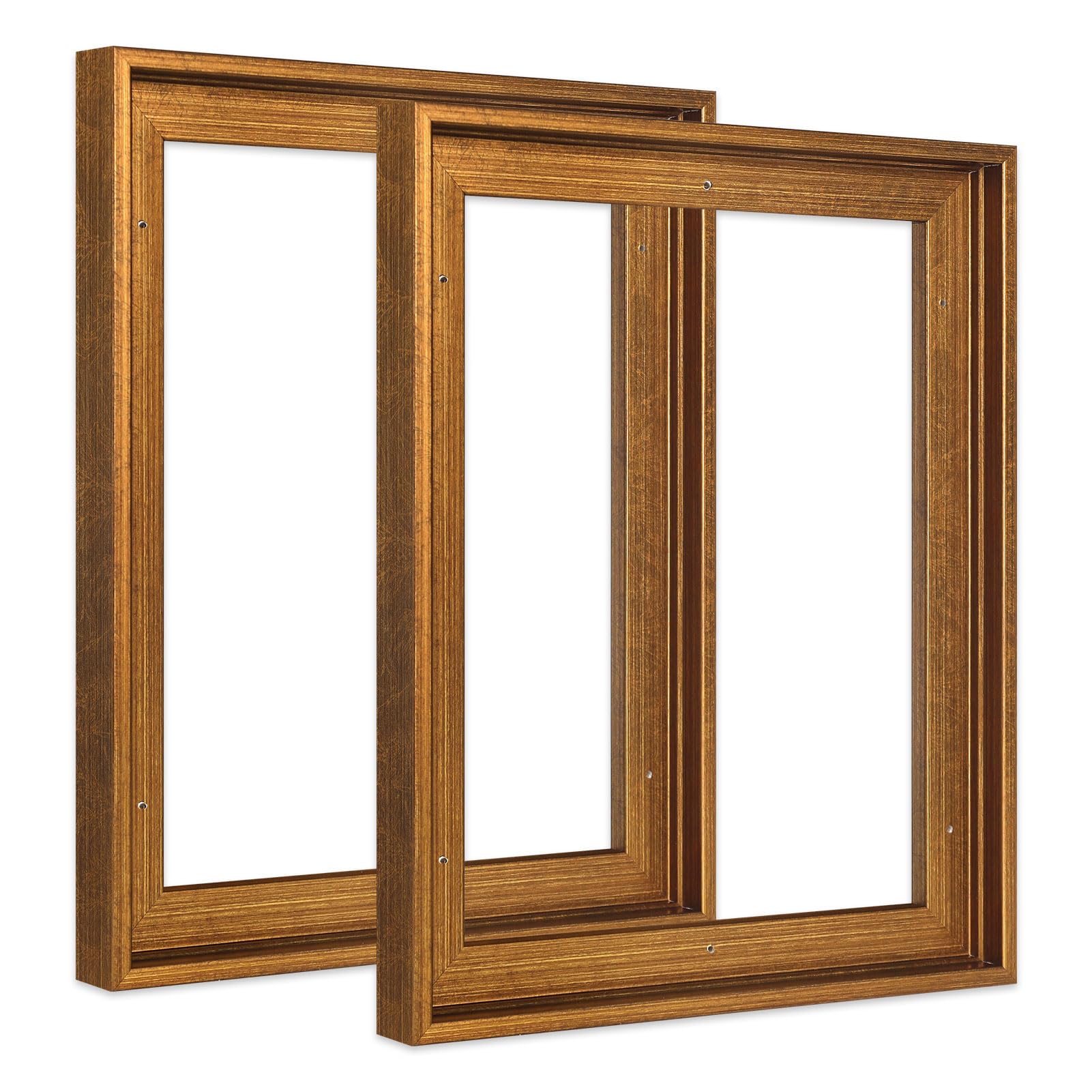
We recommend this set when you want an affordable, decorative floater frame that fits stretched 11×14 canvases and adds a polished look.
Pros
- Gives a clean, floating effect that highlights stretched canvas.
- Lightweight and easy to hang with included hardware.
- Comes as a two-pack for better value.
Cons
- Made from composite/plastic, not real wood.
- No backing or glass — only the empty frame is included.
- Some buyers feel the price is high for the material.
These floater frames create a clear gap around the canvas to add depth and make the painting stand out. They work for both landscape and portrait canvases and come in a vintage gold finish that fits many styles.
Installation looks simple: the frames include screw holes and hangers, so we only need a screwdriver to attach our canvas. The frames are light, which makes hanging easier and lowers the risk of wall damage.
Expect a smooth, textured finish that mimics woodgrain but feels like plastic. That keeps the price down and the frames reusable, though they lack the heft and warmth of solid wood.
For a basic, attractive display solution that won’t break the bank, these frames do the job. If you prefer real wood or want a full backing or glass cover, we should look at other options.
Abtgt 8×10 Floater Frame
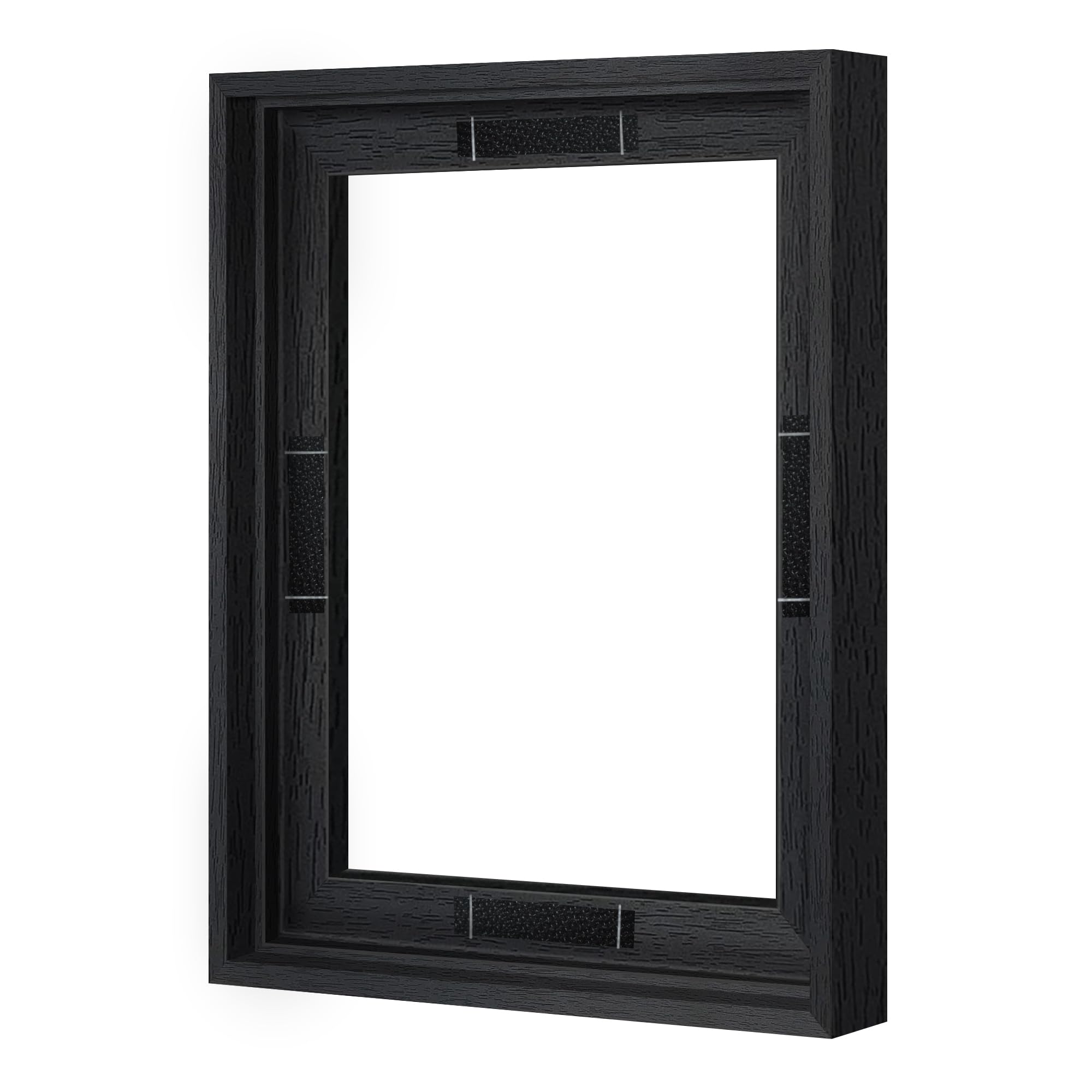
We recommend this frame if you want an easy, low-cost way to finish an 8×10 oil canvas with a modern floating look.
Pros
- Tool-free canvas changes with Velcro strips.
- Ready-to-hang hardware for vertical or horizontal display.
- Slim, modern black finish that suits many spaces.
Cons
- Velcro or inside edges can show if the canvas doesn’t fit exactly.
- Lighter engineered wood feels less solid than heavy wood frames.
- Small finish flaws have been reported on some units.
We like that the frame mounts quickly and holds an 8×10 canvas without extra tools. The Velcro system and preinstalled sawtooth hangers speed setup and reduce risk of nicks or screw holes in the canvas.
The floater style gives a clean gap around the painting to emphasize the edges. This model keeps a contemporary look and works well in home galleries, studios, or small exhibitions.
Expect a budget-friendly build: materials are engineered wood with a wood-grain finish. That keeps weight down but can show minor scratches or gaps if the canvas size isn’t exact.
This frame suits artists or buyers who want a neat, fast display solution and don’t need museum-grade materials. Buy it if you value ease of use and a modern look at a modest price.
Buying Guide
We start by measuring the painting and the wall. Get the canvas size and add any desired visible edge or mat if you plan to float the painting. Accurate measurements prevent poor fit and wasted money.
We check frame material and profile. Wood offers warmth and depth; metal gives a cleaner look. Match the frame thickness to the painting’s visual weight so the frame supports, not overwhelms, the artwork.
We consider construction and joinery. Look for solid corner joints and a stable backboard. These details keep the painting flat and reduce movement over time.
We look for glazing and backing options. Glazing protects oil paint from dust and UV light. Ask if glazing is removable and whether the backing includes acid-free materials to prevent staining.
We evaluate mounting and hanging hardware. Sturdy D-rings and wire or a cleat system give safe support. Make sure hardware matches the painting’s weight and the wall type where we will hang it.
We balance style and conservation. Choose frames that complement the painting’s era and color without hiding important edges. At the same time, prioritize materials that protect the painting’s condition.
We compare prices and warranties. Higher cost can mean better materials or craftsmanship, but not always. Seek clear return policies and any warranty on workmanship so we can fix problems without extra expense.
We use a simple checklist when shopping:
- Measure painting and wall
- Choose material and profile
- Inspect joinery and backing
- Confirm glazing and conservation features
- Verify hardware and weight capacity
- Review price, return policy, warranty
Editor’s picks
We choose frames that suit oil paintings of different sizes and styles. Our picks favor build quality, visual balance, and how the frame protects the paint surface.
Top choices
- Classic gilt frame — Rich gold leaf finish, good for traditional portraits and landscapes. It adds formality without overpowering the painting.
- Simple floater frame — Minimal profile that shows the edge of a canvas. It offers a modern, breathable look for textured work.
- Deep wood moulding — Solid wood with a wider face, great for large or heavy canvases. It gives visual weight and frames the artwork strongly.
We also list practical options in a short table for quick comparison.
| Style | Best for | Key benefit |
|---|---|---|
| Gilt frame | Traditional oils | Elegant, reflective finish |
| Floater frame | Modern canvases | Shows canvas edge, clean sightline |
| Wood moulding | Large works | Durable, substantial presence |
| Conservation frame | Heirloom pieces | Acid-free, protective mounting |
We recommend matching frame width to canvas size. Small paintings need narrow frames; large paintings need wider profiles. Our picks balance aesthetics with preservation needs.
Frequently asked questions
What frame styles work best for oil paintings?
We often use classic wooden frames for oils. Simple mouldings suit modern work, while ornate frames match traditional pieces.
How do we choose the right size?
Leave a small gap between canvas and frame for breathability. We measure the canvas edge and add the moulding depth to ensure a proper fit.
Should the frame touch the painted surface?
No. We avoid contact with the paint to prevent damage. A spacer or rabbet keeps the frame from touching the painted surface.
Do frames affect the painting’s value?
Yes, but subtly. A well-chosen frame can enhance presentation and help preservation, which collectors notice.
Can we use non-wood frames?
Yes. Metal and composite frames can work, especially for contemporary art. We check compatibility with the painting’s weight and style.
How do we protect framed oil paintings?
We keep them away from direct sunlight and high humidity. Using UV-filtering glass or acrylic helps, but most oils are displayed without glazing.
What is the difference between float and rabbet mounting?
Float mounting shows the canvas edges and gives a modern look. Rabbet mounting hides the edge and sits the canvas inside the frame.
How often should we reframe or inspect frames?
We inspect frames every few years for looseness, insect damage, or warping. Reframe when damage threatens the painting or when conservation requires it.
Conclusion
We choose frames that protect and lift the painting. A well-chosen frame keeps the canvas safe from damage and helps control light and dust.
We think about style, scale, and color when matching a frame to a painting. Simple frames suit modern pieces; richer frames fit traditional oil paintings.
We balance budget and quality. Spending more can buy better woods and finishes, but good options exist at lower prices.
We measure carefully and fit frames to the painting and its display environment. Proper mounting and glazing matter for long-term care.
We keep the artist’s intent in mind. The right frame supports the artwork without stealing attention.
We recommend testing a few options in the room where the painting will hang. Lighting and wall color change how frames look.
We suggest basic maintenance steps. Dust frames often, check corners, and avoid direct sunlight.
We offer help choosing frames when needed. We can advise on style, size, and conservation choices.