Floating Mount Picture Frame: Complete Artist’s Guide

A floating mount picture frame gives artwork a clean shadow gap that makes it feel more elevated and gallery-like. It works especially well for canvas, prints, and mixed-media pieces when you want the art to stay central and the frame to remain understated.
A floating mount picture frame gives artwork a little breathing room, and that space changes everything. Instead of pressing the image flat against a border, it creates a refined gap that feels modern, gallery-like, and quietly intentional.
For art lovers and home decorators, that small shift can make a piece feel more considered without making it feel overworked. It is especially appealing in rooms where you want the artwork to lead, not compete with the frame.
- Visual effect: The floating gap adds depth, shadow, and a more curated feel.
- Best fit: Ideal for canvas art, prints, photography, and textured mixed media.
- Style choice: Wood tone and finish should match the room’s warmth and lighting.
- Buying tip: Check frame depth, border gap, and archival quality before choosing.
- Care: Protect from humidity, direct sun, and rough handling.
What a Floating Mount Picture Frame Is and Why It Changes the Artwork
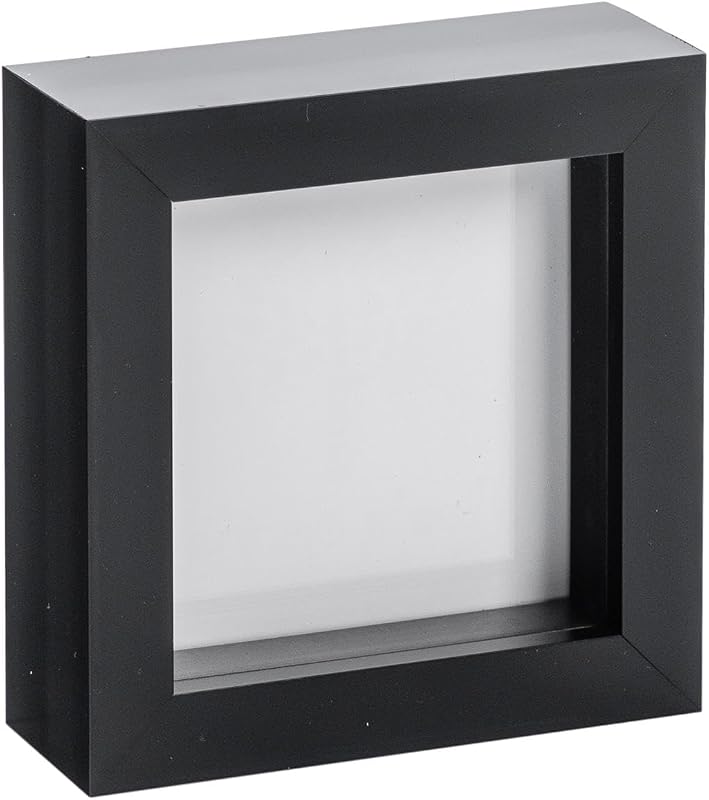
A floating mount picture frame is designed to make the artwork appear suspended within the frame rather than tightly enclosed by it. That visual separation is the whole point: the eye reads the piece as distinct, elevated, and given room to breathe.
The visual effect: creating space, shadow, and gallery-style depth
The most noticeable effect is the shadow line. That slim band of negative space adds depth, which can make even a modest print feel more architectural and deliberate.
This is why floating presentation often feels so polished in contemporary interiors. It brings a gallery sensibility into the home, where the artwork looks curated rather than simply hung.
How floating mounting differs from standard framing and canvas floater frames
Standard framing usually presses the artwork close to the mat or glazing, creating a more traditional, enclosed look. A floating mount separates the piece from the frame edge, which changes the mood from formal to airy.
Canvas floater frames are closely related, but they are typically used for stretched canvas, where the frame sits around the outside edge and the canvas appears to “float” inside it. A floating mount picture frame can work with prints, panels, and certain mixed-media pieces as well, depending on construction and presentation style.
Not every artwork suits a floating presentation. Works with delicate edges, irregular thickness, or highly reflective surfaces may need a different framing approach for stability and visual balance.
What readers are usually trying to solve: elevate art without overpowering it
Most people drawn to this style want a frame that feels present but not dominant. They want the artwork to remain the focus, while the frame quietly improves the overall composition.
That balance is especially useful for contemporary art, sentimental pieces, and gifts. It is a framing choice that says “this matters” without turning the piece into a heavy decorative object.
- Creates visual depth without visual clutter
- Helps artwork feel curated and intentional
- Works well in modern, minimalist, and gallery-inspired rooms
- Can make smaller pieces feel more substantial
Best Uses for a Floating Mount Picture Frame in Interiors and Creative Living
This framing style is versatile, but it shines most when the artwork itself has personality. It works beautifully when you want the image, texture, or paper edge to remain visible and part of the presentation.
Canvas art, mixed media pieces, and limited-edition prints
Canvas art is a natural match because the floating effect echoes the dimensional quality of the surface. Mixed media pieces also benefit, especially when the artwork has hand-torn edges, layered materials, or visible texture.
Limited-edition prints can feel more collector-like in this format, particularly when the paper quality and margins deserve to be seen. If you are comparing display options, it can help to read about picture ledge shelves vs hanging individual frames to decide whether you want a fixed, framed presentation or a more changeable wall story.
Statement walls, reading corners, studios, and calm minimalist rooms
A floating mount picture frame is especially effective on walls that need one clear focal point. It can anchor a sofa wall, bring polish to a reading corner, or add a clean creative note to a studio.
In minimalist rooms, the frame’s restraint is part of the appeal. It adds structure without interrupting the calm.
Think of floating framing as visual silence around the artwork. The quieter the frame, the more you notice texture, line, and emotion in the piece itself.
Gift-worthy framing for weddings, anniversaries, housewarmings, and milestones
Because it feels thoughtful and elevated, this framing style makes an excellent gift presentation. It works well for wedding vows, a meaningful photograph, a housewarming print, or a milestone piece chosen with care.
For sentimental gifts, the frame can be as important as the art. A floating presentation suggests permanence, which is why it often feels more special than a quick decorative frame.
A softly textured print with generous margins is one of the best candidates for floating display. It gives the frame room to do its quiet work while keeping the artwork emotionally central.
Style Choices: Wood Tones, Finishes, and the Mood They Create
Frame finish has a major effect on how floating presentation reads in the room. A slender edge in the right tone can either disappear into the background or sharpen the artwork into focus.
Natural oak, walnut, black, white, and metallic accents
Natural oak feels fresh, warm, and slightly Scandinavian. Walnut creates more depth and richness, which suits moody interiors and classic artwork.
Black is the most graphic option and often delivers the strongest gallery effect. White feels crisp and airy, while metallic accents can add a refined note, especially in rooms that already include brass, chrome, or polished details.
Warm vs. cool interiors: matching frame tone to wall color and lighting
In warm interiors, oak, walnut, and soft bronze tones tend to feel most natural. They echo the undertones of linen, clay, and amber light.
Cool interiors often benefit from black, pale white, or brushed metallic finishes. These tones sharpen the composition and prevent the frame from feeling too heavy against gray, blue, or crisp white walls.
When to choose a subtle frame edge versus a bolder gallery look
A subtle frame edge is best when the artwork is delicate, colorful, or already visually busy. It lets the piece stay open and breathable.
A bolder gallery look works when you want stronger contrast or a more architectural presence. That can be especially effective for black-and-white photography, typography, or large abstract works.
- Modern art with strong composition
- Gift framing with a polished finish
- Rooms that need depth without heaviness
- The artwork has fragile edges or unusual thickness
- You want a highly ornate, traditional look
- The room already has many strong visual focal points
Curator Recommendations for Choosing the Right Floating Mount Picture Frame
The best choice depends on the artwork’s scale, surface, and the mood you want the room to hold. A good floating frame should feel like a thoughtful extension of the piece, not a separate design event.
How to match frame depth to canvas thickness and artwork scale
Depth matters more than many buyers expect. A thicker canvas or panel usually needs a frame with enough internal space to sit comfortably and securely.
Scale matters too. A small artwork can be overwhelmed by a heavy frame profile, while a large piece may need more substance so the presentation does not feel too thin or fragile.
- Artwork thickness and edge condition
- Visual weight of the piece
- Wall size and viewing distance
- Whether the frame should blend in or stand out
Choosing the right border gap for contemporary, classic, or editorial presentation
The gap around the artwork is part of the design language. A wider reveal often feels more contemporary and editorial, while a tighter reveal can read as classic and restrained.
If the piece is highly detailed, a slightly wider gap can help the eye settle. If the artwork is already bold, a narrower gap may keep the composition clean and focused.
Negative space is not empty space in framing. It is part of the composition, shaping how your eye reads balance, scale, and emphasis.
Recommended pairings for photography, abstract art, typography, and bookish spaces
Photography often looks strongest in black, white, or slim walnut frames, depending on the mood. Abstract art can handle more expressive finishes, especially if the palette echoes the artwork.
Typography and quote pieces benefit from crisp, minimal framing that keeps the message legible and sharp. In bookish spaces, a floating mount picture frame can pair beautifully with shelves, warm lamps, and layered reading corners. If you are planning a wall around shelving, the guide to best long picture ledges for living room art walls can help you think through arrangement and scale.
Lighting, Placement, and How Floating Frames Affect the Room
Lighting changes everything with this style. Because floating frames rely on shadow and separation, the room’s light direction can either enhance the effect or flatten it.
Using natural light to emphasize shadow lines and texture
Soft natural light can be ideal because it reveals the frame’s depth without creating harsh glare. Morning and late-afternoon light often show the shadow line most elegantly.
If the artwork has texture, natural light can bring it forward in a subtle way. Just be careful not to place sensitive work in direct sun for long periods.
How task lighting, wall washers, and lamps change the frame’s presence
Task lighting and nearby lamps can make a floating frame feel warmer and more intimate. Wall washers and picture lights can add a more deliberate gallery mood, especially in evening settings.
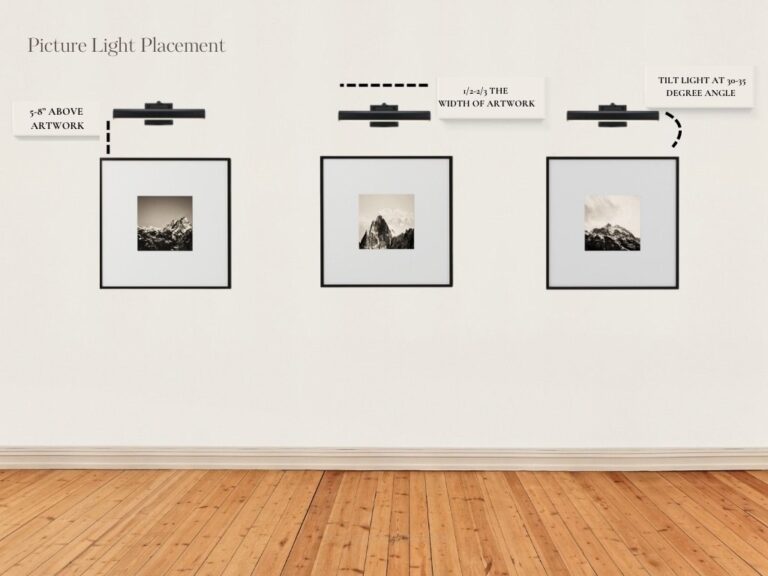
If you are choosing a dedicated light, our guide on how to choose a picture light for artwork is a useful place to start. The right light should flatter the piece without washing out the shadow detail that makes floating framing distinctive.
Placement tips for above sofas, console tables, shelves, and gallery walls
Above a sofa, floating frames work best when the scale feels confident but not oversized. The artwork should relate to the furniture below it, not hover awkwardly above it.
Over a console table, the frame can act like a visual anchor, especially when paired with a lamp or a small stack of books. On gallery walls, it helps to repeat the floating effect sparingly so the wall feels cohesive rather than repetitive.
When hanging a floating mount picture frame, step back and check the shadow line at the room’s main viewing angle, not just straight on. That is where the frame’s real character shows.
Price Context and What Influences Value in 2026
Pricing varies widely in 2026 depending on materials, size, finish, and whether the piece is ready-made or custom. The most important thing is understanding what you are paying for: not just the frame, but the precision of the presentation.
Materials, craftsmanship, and finish quality that affect cost
Entry-level options usually use simpler materials and standard sizing. Mid-range frames often offer better finish consistency, sturdier construction, and a more refined edge profile.
Investment pieces may include custom sizing, premium wood or metal finishes, archival mounting, and more exacting craftsmanship. Those details matter most when the artwork is valuable, sentimental, or intended for a prominent room.
Custom sizing, archival presentation, and premium framing expectations
Custom framing is often worth it when the artwork is unusual in size, has a special edge, or needs conservation-friendly treatment. Archival materials can help preserve the piece over time, especially for works on paper.
Premium framing should also feel precise at the corners, edges, and backing. If those details are sloppy, the floating effect loses its elegance quickly.
How to balance budget, longevity, and visual impact for art buyers
If your budget is limited, prioritize the artwork’s fit and stability first, then choose the cleanest finish you can afford. A simple frame with good proportions will usually outperform a more decorative one that feels mismatched.
If longevity matters most, invest in better materials and archival support. If visual impact is the priority, choose the finish and depth that best support the room’s overall mood.
Sunlight, humidity, and poor backing materials can shorten the life of both artwork and frame. For heirloom pieces or works on paper, conservation-minded framing is often the safest long-term choice.
Care Tips for Preserving the Frame and the Artwork
Floating frames are not especially difficult to care for, but they do reward gentle handling. Because the presentation is so clean, dust, abrasion, and moisture tend to show more quickly.
Dusting, handling, and avoiding abrasion on delicate surfaces
Use a soft, dry cloth for the frame itself and avoid rough materials that can dull the finish. When moving the piece, hold it from the sides and avoid pressing on the artwork’s surface or edge.
If the artwork sits within a visible gap, take extra care not to catch that edge with cleaning tools or décor objects. Small nicks are more noticeable in a floating presentation than in a busy ornate frame.
Humidity, sunlight, and room conditions that can affect longevity
Humidity can warp paper, stress adhesives, and affect stretched canvas over time. Bathrooms, damp basements, and very humid rooms are usually not ideal unless the framing is specifically suited to that environment.
Direct sunlight can fade pigments and weaken paper. If a room gets strong light, consider UV-aware glazing and placement away from the brightest zone.
Storage and moving advice for collectors, decorators, and gift recipients
Store framed art upright in a dry, stable space rather than flat on the floor. If you are moving it, protect the corners and keep the piece wrapped so the finish does not rub against other surfaces.
For gift recipients, it helps to include a simple care note. A beautiful frame lasts longer when the owner knows how to place and handle it thoughtfully.
A Creative Recap: Why the Floating Mount Picture Frame Feels So Current
The floating mount picture frame feels current because it reflects how many people want to live with art now: with more intention, less clutter, and a stronger sense of visual calm. It suits homes that value atmosphere as much as decoration.
Why it appeals to modern collectors, design-led homes, and thoughtful gift-givers
Collectors appreciate the sense of precision. Design-led homes appreciate the clean lines. Gift-givers appreciate that it makes an artwork feel meaningful before anyone even opens the package.
It is also a forgiving style in the right context. Whether the artwork is bold or quiet, the frame can support it without stealing the scene.
The enduring appeal of depth, restraint, and gallery-inspired presentation
Depth gives the eye a place to rest. Restraint gives the artwork room to speak. That combination is why floating presentation continues to feel elegant rather than trendy.
It brings a bit of the gallery into everyday life, but in a softer, more livable way. For many interiors, that is exactly the right balance.
Final takeaway: a framing choice that makes art feel intentional and alive
If you want a framing style that elevates without overwhelming, a floating mount picture frame is one of the most graceful choices available. It adds presence, polish, and a sense of care that can make the whole room feel more finished.
For anyone curating a home around art, books, light, and meaningful objects, it is a framing approach that feels both modern and enduring.
Recommended Products
SHOP THIS SETUP
Americanflat 16×20 Floating Frame for Canvas, Black
This Americanflat floater frame is a strong pick for displaying canvas art with a clean gallery-style edge that makes the artwork appear to hover inside the frame. It’s a versatile choice for contemporary decor, with a sturdy build and a finish that works well in modern living rooms, bedrooms, or office spaces.
Frequently Asked Questions
A floating mount picture frame presents artwork with a visible gap around it, making the piece look suspended inside the frame. The effect adds depth and a gallery-style finish.
They are related, but not always identical. Canvas floater frames are usually made for stretched canvas, while floating mount picture frames can also suit prints, panels, and some mixed-media works.
Canvas art, limited-edition prints, photography, typography, and mixed-media pieces often look especially strong in this style. Art with visible texture or generous margins is a particularly good fit.
Choose warm woods for cozy interiors, black for a sharper gallery look, and white or metallic finishes for crisp, modern spaces. The best choice usually depends on wall color, lighting, and the mood you want.
Pricing varies by size, materials, finish, and whether the frame is custom or archival. Entry-level options are more accessible, while custom and conservation-grade framing sits at the higher end.
Dust gently with a soft cloth, avoid direct sunlight when possible, and keep the piece away from high humidity. Handle it carefully so the frame edge and artwork surface do not get scratched or warped.