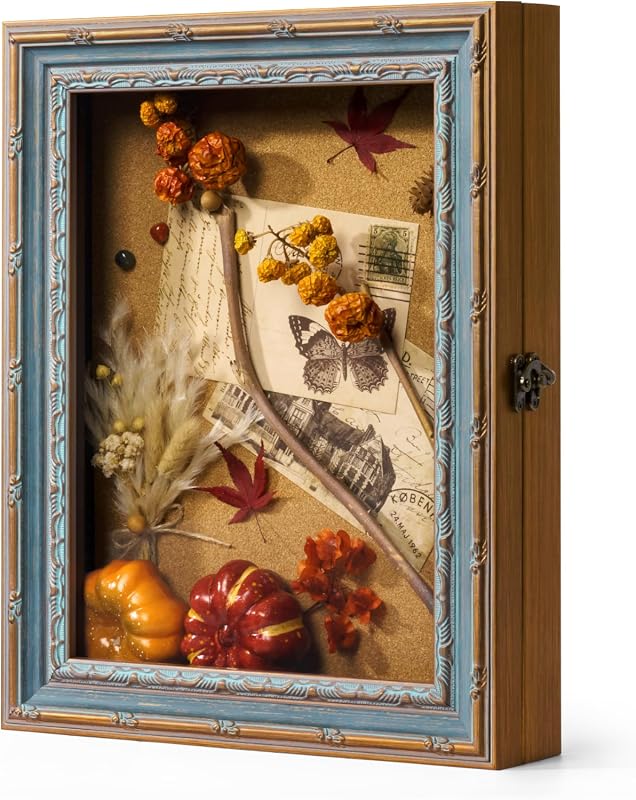
How Many Artworks Can a Front Opening Kids Art Frame Hold — Capacity, Sizing, and Display Tips

You want a quick, useful answer: most front-opening kids art frames hold between 50 and 150 sheets, depending on paper thickness and frame depth. A common 0.5–0.6 inch deep front-opening frame will usually store about 50–150 pieces of standard kids’ artwork.
If you worry about bulky projects or mixed media, look for deeper frames or ones that specify higher capacity. Keep one on a wall or shelf so swapping the top piece takes seconds and the rest stay organized and flat.
Key Takeaways
- Choose frame depth to match the thickness of the artwork.
- Front-opening frames save space and make swapping art fast.
- Check manufacturer capacity to avoid overfilling.
Frame Capacity Explained
Frame capacity depends on frame depth, mat use, and paper thickness. Small changes to any of these can cut the number of sheets a frame will hold by half or more.
Standard Design Features
Most front-opening kids art frames use a shallow box with a removable front panel. Typical depths range from about 0.6 inch (15 mm) to 1.5 inches (38 mm). Manufacturers often state capacity in sheet counts—common claims are 50, 100, or 150 sheets—based on standard copier paper thickness.
Frames include a backing board, internal spacer or elastic strap, and a front-opening latch or magnetic closure. A beveled mat may reduce usable depth but improves display look. Hanging hardware usually supports horizontal and vertical mounting. Buyers should check the listed inner opening size (for example 8.5×11 or A4) and the stated depth to match their child’s artwork sizes.
How Layering Impacts Limits
Artwork thickness varies a lot. A flat crayon drawing on copier paper takes less space than a paint-covered, glued collage. Layering several painted sheets can add 0.02–0.05 inch (0.5–1.2 mm) per sheet, which quickly reduces how many pieces fit.
3D elements—glue, glued-on objects, thick paint—create bulges that force the stack to sit unevenly. That can prevent the front panel from closing or stress the frame seams. If parents expect mixed media art, they should allow extra clearance or store bulky pieces separately. Using interleaving tissue or thin foam sheets can protect artworks but slightly lowers total capacity.
Factors Affecting Number of Artworks
Paper type matters: standard 20 lb (75–80 gsm) paper is thin; cardstock or watercolor paper is much thicker. For example, 50 sheets of 20 lb paper might fit in 0.6 inch, while the same count of 140 lb watercolor paper will not. Mat presence changes usable space—double mats reduce visible area and may limit stack thickness.
Frame construction quality affects usable depth. Cheap frames may flex, reducing real capacity compared to the nominal depth. Fasteners and straps can occupy interior space too. Buyers should measure a sample stack of typical artworks to confirm fit, or choose a frame rated higher (e.g., 100–150 sheets) when artworks vary in thickness.
Types Of Front Opening Kids Art Frames
They differ by how many pieces they show, how many they store, and how the front opens. Buyers will find frames that show a single work, hold many works behind one display, or use magnets or hinges for access.
Single-Display Variations
Single-display frames present one artwork at a time in a fixed front mat or window. They usually have shallow storage or none, so they focus on framing a single drawing or painting neatly. These frames often offer interchangeable mats sized for common paper like 8.5×11 or A4, so one clear piece shows in the window while others go elsewhere.
Materials range from plastic to wood, with lightweight models for kids’ rooms and more decorative wood or metal for living areas. Thickness is often under 0.5 inch, so they do not hold stacks. People choose these when they want a clean, gallery-like look and plan to rotate art by swapping pieces manually.
Multi-Artwork Display Models
Multi-artwork frames store many pieces behind the front face, commonly holding 20 to 150 sheets depending on depth and paper thickness. These frames have a deeper box profile (0.6 inch to over 1 inch) or an internal binder system that keeps older works stacked behind the visible piece.
Most multi-artwork designs include elastic straps, internal clips, or a shallow pocket to keep papers aligned. They come in sizes for 8.5×11, A4, and larger formats. Buyers should check listed capacity and whether the frame supports thicker craft papers or layered projects, since capacity drops as paper weight rises.
Magnetic Versus Hinged Options
Magnetic frames use magnetic strips or a full magnetic front to detach and reattach the face quickly. They make daily swaps fast and tend to keep edges snug without tools. Magnetic seals work well for thin papers but can slip with heavy, textured art.
Hinged frames open on a side or bottom hinge and often latch, giving a firmer hold for thick stacks and mixed media pieces. Hinges can support deeper storage and more secure closures, but changing work can take a bit longer. Buyers should consider how often they’ll swap art and the typical paper thickness to choose between magnetic ease and hinged security.
Typical Storage Ranges
Frames usually hold from about 50 up to 150 flat sheets. Capacity depends on frame depth, paper weight, and whether the frame uses elastic bands, magnets, or a fixed spacer.
Capacity Per Popular Brand
Many popular brands list clear capacities for common sizes. Lil Davinci and GULETHUN models often state 50 sheets for thicker art or up to 150 for thin paper. Prociv and several Amazon sellers commonly advertise A4 or 8.5×11 frames that hold 100–150 pieces when paper is standard schoolweight (about 80–100 gsm).
Buyers should check the listed depth: typical front-opening frames offer 0.6 inches (15 mm) depth for 50–150 sheets. Frames with deeper cavities or removable mats can store more, while slim-profile frames hold fewer sheets. Brand claims assume flat, unstapled sheets.
Differences for Paper Thickness
Paper thickness changes capacity a lot. Standard printer paper (~80–100 gsm) stacks thin and lets a frame reach its top advertised capacity. Heavier cardstock, watercolor paper, or layered mixed-media reduces capacity by half or more.
Estimate capacity by measuring a small stack: if 20 sheets of the actual paper measure 1/8 inch, multiply to find the maximum the frame depth allows. Users should leave room to avoid bulging and to let the front open smoothly.
Suitability for 3D Artworks
Front-opening frames work best for flat art. Small, thin 3D elements like glued-on buttons or light collage can fit if total stack thickness stays within the frame depth.
Bulky 3D pieces—clay sculptures, thick glued layers, or items taller than the frame cavity—won’t fit. For those, choose shadow box frames or photograph the work and store the original elsewhere. Some frames accept shallow 3D work if the mat is removed and depth is at least 1 inch (25 mm).
Installation And Usage Guidelines
This section explains how to load artwork into a front-opening kids art frame and how to keep children safe while using it. It covers steps to prevent bending, slipping, or overfilling the frame and safety checks for hanging and handling.
Proper Loading Techniques
They should open the front flap fully to access the storage compartment without forcing it. Lay the frame flat on a clean surface before inserting sheets to avoid creases and to keep the elastic or closure mechanism aligned.
Sort papers by size and thickness. Place heavier or glued items near the back of the stack so thin drawings do not get flattened unevenly. If the frame lists a capacity (for example, 50–150 sheets), use that as a guide; count thicker mixed-media pieces as multiple sheets.
Use the built-in elastic bands or closure clips to secure the stack. Fasten gently—tight enough to hold art in place, but not so tight that it warps the frame or compresses the pages. Close the front slowly and check that edges line up evenly.
Safety Tips for Children
They must hang the frame at a height appropriate for the child’s age. Place frames out of reach for toddlers if the frame contains small fasteners or if the child might pull it down. Use wall anchors rated for the frame’s weight plus stored artwork.
Inspect the frame’s closure, hinges, and elastic bands for wear every few months. Replace any frayed straps or loose screws before letting a child handle the frame. Keep sharp tools and mounting hardware out of children’s reach during installation.
When children swap artwork, supervise to prevent pinched fingers. Teach them to open the front fully and pull stacks straight out. If the frame has glass, consider replacing it with acrylic or using frames with front panels that do not shatter.
Preserving Artwork Quality
Store pieces flat, avoid tight stacking, and use simple barriers to cut dust and light exposure. Small changes—like adding interleaving sheets and keeping the frame out of direct sun—make a big difference in how long drawings and paintings stay vibrant.
Protection from Damage
They should use acid-free backing and interleaving paper to shield artworks from yellowing and ink transfer. Place one sheet of archival tissue or plain acid-free paper between each drawing to reduce abrasion from sliding papers and to block acidic migration.
Keep the frame away from direct sunlight and high humidity. Sun fades pigments; humidity warps paper. A stable indoor spot—away from radiators, windows, and bathrooms—helps maintain flatness and color.
Use the frame’s front-opening feature to change displays without bending or forcing the stack. Handle artworks by the edges and avoid touching painted areas. If a piece is fragile, add a thin rigid board behind it for extra support.
Preventing Artwork Curling
They should store artworks fully flat inside the frame with even pressure across the stack. Too many loose sheets or uneven weight lets corners lift and curl, so avoid filling the frame beyond its recommended capacity.
Use lightweight, rigid interleaving like archival board or matting cut to the frame size for stiffer stacks. This spreads pressure and prevents individual sheets from buckling under thicker materials like glue, paint, or layered collage.
Control room humidity between about 30–50% relative humidity. If the air is too dry, paper becomes brittle and curls; too moist, and it ripples. A small dehumidifier or using the frame in a climate-stable room helps keep papers flat.
Creative Display Ideas
Use the frame’s storage and front-opening feature to keep many pieces organized while showing a small selection at a time. Mix frequent swaps with simple layouts so the display stays fresh without extra work.
Rotating Art Presentations
They can store dozens of pieces inside and rotate the front image weekly or monthly. Pick a single new piece to show on the front and label the stored stack by date or age so pieces stay easy to find.
Create a rotation plan: e.g., “Artist of the Week” for one child or “Technique Month” to highlight watercolor, collage, or drawing. Use a small sticky note inside the frame or an index card in the stack to record the rotation order.
Place frames at eye level in high-traffic spots. That makes swaps quick and gives each artwork time to be seen. Keep a simple toolkit (soft cloth, gloves, labels) nearby to protect fragile or glittery works during changeouts.
Seasonal or Themed Arrangements
They work well for holidays, seasons, and school projects because parents can store many related pieces and pull specific sets forward. Group artwork by season—spring flowers, summer scenes, fall leaves—and rotate when the season changes.
Use color or theme to tie several frames together. For example, choose three frames: one for current season, one for recent schoolwork, and one for family portraits. Label each frame’s storage with the theme to speed selection.
Consider a small display card beside the frame with the title, date, and child’s name. That simple detail makes the presentation feel curated and helps track favorites without digging through the stack.
Selecting The Right Frame
Choose a frame that matches the size of typical artwork, uses safe long-lasting materials, and opens easily so art can be swapped often. Focus on capacity, how the frame protects paper, and how simple it is to change pieces.
Size Considerations
Measure the common sheet sizes the child uses before buying. Many frames come in A4 (8.3 × 11.7 in) or 8.5 × 11 in; these hold standard school and printer paper without trimming. If the child uses larger paper, pick frames labeled 10 × 12.5 in or look for “fits up to” dimensions.
Check the frame’s depth for storage capacity. Frames with 0.6–1 inch depth often hold 50–150 sheets depending on paper thickness. If the family plans to keep many pieces, choose deeper frames or multiply frames and store older work elsewhere.
Think about wall space and layout. Single large frames work for a gallery wall, while smaller frames allow mixing photos and art. Balance the frame size with the number of pieces each frame will realistically hold.
Material Choices
Look for frames made of engineered wood or solid wood for stable edges that won’t warp. Engineered wood often gives a lower cost with good durability. Avoid thin plastic edges that bend easily.
Choose glazing that protects without heavy weight. Plexiglass (acrylic) resists shattering and is lightweight for kids’ rooms. Tempered glass offers clearer view but adds weight and break risk. Check that the glazing is acid-free or paired with acid-free mats to avoid paper yellowing.
Inspect fasteners and seals. Small magnets, clips, or child-safe latches should hold the front closed while allowing easy access. Materials should be non-toxic and have smooth finishes to prevent paper snagging.
Ease of Access
Front-opening frames should let caregivers remove and add art quickly. A 180° front hinge or magnetic closure simplifies swapping and reduces the chance of bending pages. Test that the front panel sits flush and aligns with the frame when closed.
Consider how the frame stores artwork internally. Elastic straps or simple stacked storage keep pieces neat and prevent shifting when hung. Frames that list capacity (like “holds up to 150 sheets”) give a realistic baseline, but actual capacity depends on paper thickness.
Think about mounting orientation and hardware. Frames that hang both vertically and horizontally add flexibility. Also check that the opening mechanism stays secure during everyday use so stored art won’t slip out.
Selecting The Right Frame
Choose a frame that fits the artwork size, holds the number of pieces needed, and opens easily for quick swaps. Consider depth, material strength, and how often the frame will be used.
Size Considerations
Measure the largest paper the child uses and pick a frame that lists that paper size (for example, 8.5×11 or A4). Frames sized to the artwork avoid trimming or bending pages and ensure a neat display.
Check the internal depth listed by the maker. Typical depths range from about 0.4 to 0.6 inches and commonly hold 50–150 sheets depending on paper thickness. Thicker cardstock or glued collages reduce capacity, so subtract estimated thickness before buying.
If the child will produce larger pieces, choose a frame labeled for that paper size or a slightly larger model. Also confirm if mats are included; mats reduce storage space but improve appearance.
Material Choices
Look for frames made from engineered wood or solid wood for sturdiness and wall safety. Metal frames can be lightweight but sometimes dent more easily when handled often.
Prefer clear, shatter-resistant glazing such as Plexiglass or acrylic over thin glass. These materials resist breakage and are lighter, which helps when storing many sheets inside the frame.
Check the interior finish and backing. A smooth, rigid backing keeps artwork flat and protected. Magnetic or spring-loaded interiors last longer than thin cardboard backs.
Ease of Access
Front-opening frames with a latch or magnetic closure let parents swap art without removing the frame from the wall. A 180° front hinge is ideal for laying new pieces in and securing them quickly.
Inspect the opening mechanism in product photos or reviews. Simple magnetic closures or small latches work well for daily changes. Avoid frames that require screws or nails to open, since those slow down rotation.
Also consider hanging options. Frames that can hang horizontally or vertically add flexibility for different wall spaces and make swapping easier in tight areas.
Selecting The Right Frame
Choose a frame that fits the paper sizes the child uses, stores enough sheets for future work, and opens easily so new art can be swapped without taking the frame off the wall.
Size Considerations
Measure the typical artwork before buying. If a child uses standard letter (8.5×11 in) or A4 paper, select a frame that lists those paper sizes. Some frames list the paper size rather than the outer frame dimensions; check both measurements so the art sits flat and the mat aligns correctly.
Consider storage depth too. Frames with 0.5–0.75 inch depth hold roughly 50–150 sheets depending on paper thickness. Thicker mixed-media pieces need more depth or fewer stored sheets. If the child frequently creates oversized pieces, choose a larger frame or trim/mount work for the frame.
Material Choices
Look for durable outer frame materials like wood, MDF, or sturdy plastic if the frame will hang in a busy area. Wood gives a classic look and resists warping. Plastic or MDF often lowers cost and reduces weight for easier hanging.
For the viewing surface, prioritize acrylic over glass in kids’ rooms. Acrylic is lighter and shatter-resistant, which is safer around children. Check the backing material: a solid, flat backing helps keep stacks neat and prevents creasing.
Ease of Access
Front-opening frames with a latch or magnetic closure make swapping art quick and safe while the frame stays on the wall. A 180° front flip or spring-loaded interior helps insert new pieces without disassembling the frame. Confirm the opening mechanism feels secure yet simple for an adult to use.
Also check whether the frame includes internal bands, a clamp, or a flat storage compartment to keep papers aligned. These features prevent shifting and make it easy to rotate displayed pieces while keeping older work organized.
Frequently asked questions
How many artworks will a front-opening kids art frame hold?
It depends on the frame depth and paper thickness. Most models hold between 50 and 150 sheets. Frames with elastic straps or a 0.6–2.5 cm depth tend to offer higher capacity.
Will different paper types change the capacity?
Yes. Thin printer paper allows more sheets. Thick cardstock, glitter paper, or layered craft pieces reduce total capacity.
Can the frame still display one piece while storing others?
Yes. Front-opening frames let one work show through the front while older pieces stay inside. This makes swapping art quick and simple.
Are these frames safe for kids’ rooms?
Many use Plexiglass instead of glass for safety. Engineered wood or sturdy frames add durability. Check product specs for drop and tear resistance.
How should stored art be organized?
They can use labels, clips, or a simple date system to keep pieces in order. Some frames include elastic straps or pockets to separate favorites.
Will too many sheets damage the frame or art?
Overstuffing can bend the mat, warp the backing, or crease artwork near the edges. Follow the manufacturer’s max-sheet guidance to avoid damage.
How do users change displayed art?
Most open like a book with magnets or hinges. Users simply lift the front, swap the front piece, and close it again.
What sizes are available?
Sizes range from common A4 and 8.5×11 inches up to larger formats. Choose a size that fits the child’s typical paper and projects.
Conclusion
A front-opening kids art frame usually holds between 50 and 150 sheets, depending on paper thickness and frame depth. Most common models list capacities like 50, 100, or 150 pieces, so buyers can pick what fits their needs.
Thicker materials like cardstock or crafts with glue reduce capacity. Frames with elastic straps or a 0.6-inch depth often reach the higher end of that range.
Parents and teachers should check exact dimensions and advertised capacity before buying. Using a mat or backing can change how artwork fits and how many pieces the frame stores.
If storage is a priority, choose frames that advertise higher sheet counts and front-loading designs for easy swapping. If display is more important, a shallower frame or single-piece frame may work better.
A quick checklist:
- Frame depth (deeper = more sheets)
- Paper/cardstock thickness
- Presence of elastic straps or storage features
- Exact advertised capacity
They can then match the frame to their child’s art habits and storage needs.