How to Read an Art Supply Label Correctly

Read the medium, pigment or binder details, lightfastness, and paper or surface specs first. Those four clues usually tell you whether an art supply is right for your work, your space, and your budget.
If you have ever stood in front of paint tubes, paper pads, or a wall of markers and felt slightly overwhelmed, you are not alone. Knowing how to read an art supply label correctly helps you choose materials that suit your style, your space, and the kind of artwork you actually want to make.
In 2026, labels do more than name a colour or medium. They tell you how a product behaves, how long it may last, whether it is suited to display, and whether it is worth the price for your studio, home, or gift list.
- Check the basics first: Medium, intended use, and grade tell you what the product is for.
- Read the technical details: Pigment codes, binder, opacity, and lightfastness reveal real performance.
- Match the surface: Paper weight, texture, sizing, and finish affect results more than packaging.
- Balance beauty and durability: Bright colour and elegant boxes are lovely, but archival quality matters for display.
- Use care notes: Heat, humidity, and sunlight can shorten the life of supplies and finished work.
Why reading an art supply label matters in 2026
Art supply labels have become more detailed, but also more crowded with marketing language. A careful read can save you from buying the wrong finish, an underperforming set, or a material that looks beautiful now but fades too quickly for your needs.
How labels shape buying decisions for studio, home, and gift use
For a working studio, the label helps you judge performance: coverage, permanence, drying time, and compatibility with other materials. For a home creative corner, the label also matters because storage, odour, and cleanup all affect how pleasant the space feels.
For gifts, label reading adds a thoughtful layer. A curated set with clear pigment names, good paper weight, or archival notes often feels more considered than a flashy box with vague promises. If you are choosing a present, our guide on what makes a good gift for an art lover pairs well with this mindset.
Common mistakes artists and design-led shoppers make at first glance
One common mistake is assuming the boldest packaging signals the best quality. Another is confusing “bright,” “rich,” or “premium” with archival performance, when those words may only describe appearance.
Shoppers also often overlook the small print. A label may reveal that a beautiful colour is less lightfast than expected, or that a paper pad is sized for sketching rather than wet media. Those details matter once the work is framed, gifted, or displayed.
What to look for first on any art supply label
Start with the basics before reading the technical details. The first line of a label usually tells you what the product is, what medium it suits, and whether it is meant for beginners, students, or professional use.
Brand name, product type, and intended medium
The brand name is useful, but the product type is more important. Look for words like acrylic paint, watercolour, drawing pencil, mixed media paper, or pigment ink so you know the item is designed for your technique.
Then check the intended medium. A paper pad may be excellent for dry media but buckle with washes, while a marker set may be made for illustration rather than fine blending. This is especially helpful if you are setting up a compact workspace, as discussed in how to set up a home art studio space.
Pigment codes, binder information, and opacity notes
Pigment codes tell you what is actually inside the colour, which matters more than the name on the front. A single-pigment colour can behave differently from a blended one, especially when mixing or glazing.
Binder information explains what holds the pigment together: acrylic polymer, gum arabic, oil, wax, or another base. Opacity notes such as transparent, semi-opaque, or opaque help you predict layering and coverage, which is useful when you want crisp marks or luminous washes.
Lightfastness, permanence, and archival claims
Lightfastness indicates how well a colour resists fading under light exposure. Permanence suggests the material is intended to last, but the exact meaning can vary by brand, so it is worth checking the details rather than trusting the word alone.
Archival claims usually imply better longevity, but they are not all equal. If you plan to frame, sell, or gift finished work, these notes matter more than they do for a quick sketchbook page.
Labels can be honest and still incomplete. When a product uses broad language like “artist quality” or “museum grade,” look for pigment codes, lightfast ratings, and medium-specific instructions before you buy.
How to decode labels by medium
Every medium has its own label language. Once you know the pattern, it becomes much easier to compare products without relying on packaging design alone.
Paint labels: acrylic, oil, watercolor, gouache, and ink
Acrylic labels often mention body, finish, and drying time. You may also see notes about permanence, water resistance once dry, and whether the paint is heavy body or fluid. If you are storing tubes properly, label details can help you keep them from drying out too soon; our article on how to store acrylic paint tubes correctly is a useful companion piece.
Oil paint labels usually include pigment information, oil content, and sometimes drying speed. Watercolour and gouache labels often highlight transparency, staining behaviour, and rewetting. Ink labels may note whether the formula is waterproof, lightfast, or suitable for dip pens, brushes, or technical pens.
Drawing labels: pencils, markers, pens, charcoal, and pastels
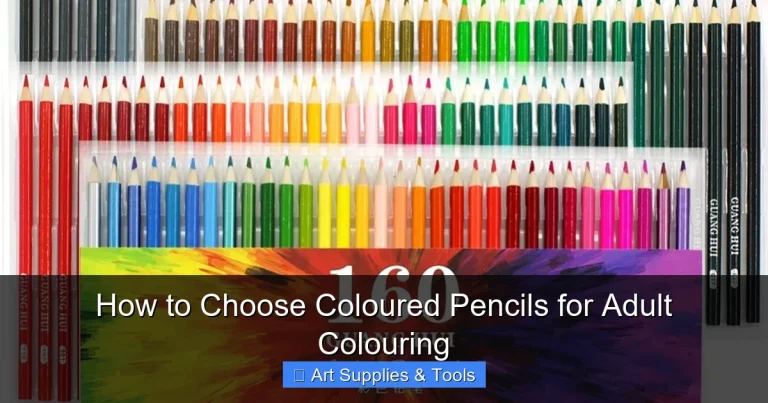
For pencils, look for hardness grades, core size, and whether the lead is graphite, coloured, or water-soluble. Marker labels should tell you if the ink is alcohol-based, water-based, or pigment-based, because that affects blending and paper choice.
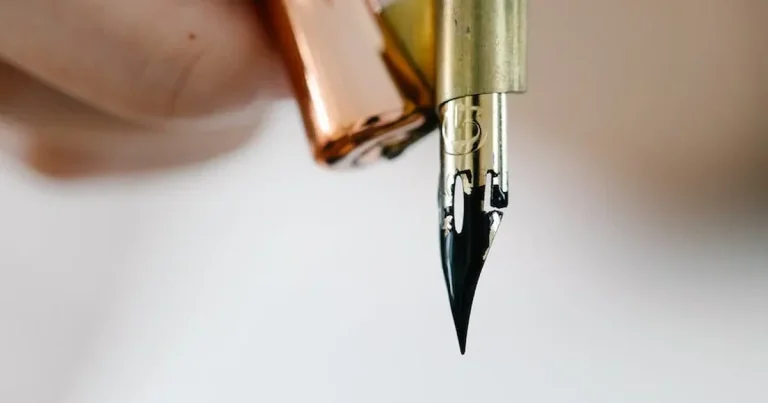
Pen labels often mention archival ink, line width, and waterproof performance. Charcoal and pastel labels may note softness, binder strength, and whether the stick is compressed or natural. These small details matter if you want clean edges, expressive smudging, or minimal dust.
Paper and surface labels: weight, texture, sizing, and finish
Paper labels are among the most useful, yet often overlooked. Weight, usually shown in gsm or lb, tells you how sturdy the sheet is. Texture terms such as hot press, cold press, or rough hint at how the surface will hold line, wash, and detail.
Sizing affects how absorbent the paper is, which matters for watercolour, ink, and mixed media. Finish can also influence the final look: matte, satin, or gloss changes how colours sit on the page and how the work appears under light.
Two paints with the same colour name can behave very differently if one is made from a single pigment and the other from a blend. That is why the pigment code often matters more than the name on the front of the tube.
Quality cues and trade-offs that affect real-world results
The best label is not always the one with the most impressive wording. It is the one that tells you what the material can do, what it cannot do, and whether those trade-offs suit your way of working.
Student grade versus professional grade
Student-grade supplies are usually more affordable and can be excellent for practice, sketching, and learning. Professional-grade materials often contain higher pigment loads, better lightfastness, and more consistent handling.
That does not mean student grade is poor. It simply means the label should help you decide where you want to spend more: on a few key colours, a better paper, or a more durable medium for finished work.
Vibrancy versus durability: when a brighter look costs longevity
Some colours look especially vivid because of their formulation, but that brightness may come with lower lightfastness. For work that will be displayed in a bright room or near windows, durability usually deserves more weight than immediate visual punch.
If you are styling art in the home, this trade-off matters. A vivid piece can be beautiful in low light or for temporary display, but a more stable palette may be wiser for works you want to keep in view for years.
Texture, drying time, and layering behavior in practice
Labels often hint at how a material will feel under the brush, pencil, or pen. Heavy body acrylics hold marks and texture; fluid paints level out more smoothly; soft pencils layer differently from harder ones; and papers with more tooth grab pigment more readily.
Drying time also changes the experience. A slower-drying medium can support blending and soft transitions, while a faster-drying one rewards decisiveness. If you enjoy drawing as much as painting, our guide on how to sharpen graphite pencils for fine art can help you pair the right pencil with the right surface.
Price context: what a label can tell you about value
Price alone does not tell the full story, but labels often explain why a product costs more. The goal is not to buy the most expensive item; it is to buy the one whose qualities genuinely support your work.
When a higher price reflects pigment strength or archival performance
Higher prices are often justified when the label shows better pigment concentration, stronger lightfastness, or a more refined binder. These are the details that matter for finished artworks, heirloom gifts, and pieces intended for display.
For example, a professional paint line may cost more because it uses fewer fillers and offers more reliable mixing. In paper, a higher price can reflect better sizing, heavier weight, or a surface that handles wet media without warping.
When packaging and branding add cost without improving results
Some products look luxurious because of elegant tins, matte boxes, or curated colour stories, but the actual material may be similar to a simpler alternative. That does not make the product bad; it simply means you are paying partly for presentation.
This can be lovely for gifting, especially when shelf appeal matters. It is less important if you need everyday studio stock and care more about performance than presentation.
How to compare sets, singles, and curated gift assortments
Sets can be excellent value if you want a ready-made palette or a gift that feels complete. Singles are better when you already know your favourite colours, papers, or nibs and want to avoid waste.
Curated assortments often sit between the two: attractive, thoughtful, and easy to give, but not always the most economical choice per unit. If you are shopping for a present, our guide to are art supplies good gifts for artists can help you decide when that trade-off is worthwhile.
Curator-style recommendations for different creative spaces
Label reading becomes easier when you match the product to the room it will live in. A supply that works beautifully in a spacious studio may be less practical on a kitchen table or bookshelf.
Best label features for a compact home studio
In a small space, look for low-odour formulas, quick cleanup notes, and storage-friendly packaging. Clear medium labels also help you stack supplies neatly and avoid accidental cross-use between similar products.
Compact studios benefit from versatile materials: a paper that handles both dry and light wet media, a pencil set with a useful range, and paints that are easy to reseal. These choices make everyday use calmer and more efficient.
Best choices for interior styling, display, and shelf appeal
If your art supplies are part of the room’s visual language, labels matter in a different way. Elegant packaging, coherent colour stories, and well-designed tins can contribute to a shelf that feels intentional rather than cluttered.
That said, beautiful packaging should not hide weak performance. For display-led spaces, choose materials that are both attractive and dependable, especially if they will sit near sunlight or warm lamps.
A well-labeled mixed media paper pad is one of the smartest purchases for a design-conscious home. It offers flexibility for sketching, light washes, and layering, while keeping the supply shelf tidy and versatile.
Best buys for beginners, hobbyists, and gift-givers
Beginners usually benefit from labels that are simple and transparent: clear medium, clear intended use, and a straightforward grade statement. Hobbyists may want a balance of quality and price, especially in colours or papers they use often.
Gift-givers should look for products with readable packaging, a generous but not excessive colour range, and a finish that feels special. If you are comparing present ideas, our article on how to choose a gift for an artist friend offers a useful lens.
- Clear labels reduce waste and mismatched purchases
- Better product-fit means better results and less frustration
- Archival notes help finished work last longer
- Giftable packaging can add value when presentation matters
Care tips and storage notes hidden in the fine print
The smallest text on the label is often the most useful over time. Care notes protect both your supplies and the work you make with them.
Humidity, heat, and sunlight warnings
Many materials dislike heat and direct sun. Paint can separate or dry out, paper can warp, and markers or inks may fade if left in bright light for too long.
Humidity is equally important. Paper can curl, charcoal can smudge, and some adhesives or binders may behave unpredictably in damp conditions. If a label warns against moisture, take it seriously.
Finished artwork is often more sensitive than the supplies used to make it. Even a high-quality medium can fade, buckle, or mark if it is stored in a hot room, near a window, or in a damp cupboard.
Cleaning, sealing, and shelf-life guidance
Some labels include cleaning instructions for brushes, pens, or tools; others note whether a surface should be sealed once complete. These details are especially useful for mixed media and display pieces.
Also check shelf-life or “best before” guidance when it appears. Old supplies are not always unusable, but they may perform differently, especially if they have been opened and stored for a long time.
How proper storage protects both materials and finished work
Good storage keeps labels relevant, because a well-made product still needs the right conditions. Close lids tightly, store paper flat when possible, and keep finished pieces away from direct sun and fluctuating temperatures.
For display-minded homes, that same care helps preserve the beauty of the room. A thoughtful art shelf, a stable frame, or a protected portfolio can make even everyday supplies feel considered and enduring.
A creative recap: reading labels with confidence and taste
Reading an art supply label correctly is less about memorising jargon and more about noticing what matters. Once you know where to find the medium, pigment, binder, lightfastness, and care notes, you can shop with far more confidence.
Turning label literacy into smarter purchases and better art-making
Label literacy helps you avoid impulse buys that look lovely but do not suit your process. It also helps you make calmer, more deliberate choices between colour, durability, texture, and price.
That is especially useful when you are buying for display, gifting, or a home studio where every item needs to earn its place.
Choosing supplies that suit your style, space, and budget
The best art supply is not always the most expensive one. It is the one whose label tells you it will work well for your medium, last as long as you need, and fit the way you actually create.
When you read labels with that mindset, your purchases become more elegant, more practical, and far more satisfying to live with.
Recommended Products
SHOP THIS SETUP
Princeton Artist Brush Co. Select Synthetic Brush Set
This brush set is a smart companion for anyone learning to read art supply labels because Princeton clearly identifies bristle type, intended medium, and performance characteristics across the line. It’s a practical choice for comparing labels in real life, especially if you want to understand how materials and brush construction affect paint handling and durability.
Frequently Asked Questions
Start with the intended medium, pigment or binder information, and any lightfastness or permanence notes. Those details tell you how the material will behave and how long it may last.
Lightfastness describes how well a colour resists fading when exposed to light over time. It matters most for finished artwork, framed pieces, and anything you plan to display.
Yes, especially for practice, learning, and casual use. Student-grade supplies are usually more affordable, while professional-grade materials often offer stronger pigment and better archival performance.
Check the paper weight, sizing, and texture. Watercolour paper is usually heavier and more absorbent-resistant than sketch paper so it can handle washes without buckling as easily.
No, terms can vary by brand and medium. That is why it helps to look beyond marketing words and focus on the technical details printed on the packaging.
Not always. Attractive packaging can add value for gifting or shelf appeal, but the real quality clues are usually in the pigment codes, material notes, and care instructions.