How to Choose Art Books as Gifts for Beginners

Choose beginner art books with clear writing, strong image quality, and a subject the recipient already likes. Mid-size, approachable books usually make better gifts than overly academic or oversized volumes.
Knowing how to choose art books as gifts for beginners starts with one simple idea: pick a book that feels inviting, not intimidating. The best choice usually balances visual appeal, readable text, manageable size, and a subject the recipient already enjoys, whether that is painting, photography, interiors, fashion, or modern design.
Art books make especially strong gifts because they can be read, displayed, revisited, and shared. For beginners, though, the wrong book can feel overly academic, physically awkward, or so specialized that it ends up unopened. A thoughtful pick should spark curiosity at first glance and still feel easy to live with on a coffee table, shelf, bedside stack, or studio desk.
- Start with subject: Match the book to interests like painting, photography, interiors, or museums.
- Favor accessibility: Clear text and easy structure matter more than academic depth for beginners.
- Check format: Mid-size hardcovers are often easier to display, store, and browse.
- Review build quality: Look at image reproduction, binding, edition details, and language before buying.
- Think beyond reading: The best gift books also suit the recipient’s room, decor style, and storage space.
How to Choose Art Books as Gifts for Beginners: Start With Interest Level, Visual Style, and Ease of Reading
If you are buying for someone new to art books, begin with what they already respond to in everyday life. A person who loves museums may enjoy an accessible survey of major movements, while someone drawn to interiors might prefer a design-led visual collection. A beginner gift works best when it meets the recipient where they are instead of asking them to decode art history from page one.
Why beginner-friendly art books work best as gifts
Beginner-friendly books lower the barrier to entry. They tend to use plain language, shorter essays, strong captions, and a layout that lets the images do much of the work. That matters because many gift recipients want discovery and inspiration, not a reading assignment.
There is also a practical side to this. A gift should feel generous and usable right away. If the book is too dense, too scholarly, or filled with references only specialists would understand, it may be admired once and then left untouched. By contrast, an approachable art book often becomes part of daily life, opened casually when guests visit or when the owner wants a few quiet minutes of visual inspiration.
The simplest shortlist: subject, format, budget, and presentation
A quick shortlist keeps the process clear. First, choose the subject: artist, movement, medium, museum, city, architecture, photography, or decorative arts. Next, consider format: compact hardcover, oversized coffee table book, exhibition catalogue, or affordable paperback introduction. Then think about budget, remembering that art books vary widely by publisher, trim size, paper stock, and edition. Finally, consider presentation, because a beautifully wrapped book or a small bundle can make even a modest title feel substantial.
If you are deciding between display-focused and reading-focused books, it helps to review broader guidance on how to choose coffee table books for any style. That distinction often determines whether the gift will live on a table, a shelf, or in a reading nook.
What to Look for in an Art Book for a Beginner

An open art book and guide page show beginner-friendly features to look for.
Once you have the general subject in mind, the next step is evaluating the book itself. A good beginner title should be easy to browse in short sessions, visually rewarding, and physically practical enough to handle comfortably.
Clear writing, strong image quality, and approachable structure
Start with readability. Introductory art books should explain ideas in plain English, with enough context to make the images meaningful. Look for chapter openings, timelines, captions, sidebars, or short essays that break information into manageable pieces.
Image quality matters just as much. Since art books depend on reproduction, check whether the pages appear crisp, color-balanced, and generously sized. A beginner may not know technical printing terms, but they will notice muddy images, tiny reproductions, or pages where the design overwhelms the artwork.
Approachable structure also helps. Books arranged by theme, period, or visual motif are often easier for beginners than books built around dense theory. If possible, flip through the table of contents and a few spreads before buying.
Introductory over exhaustive: choosing books that invite curiosity
For a gift, “comprehensive” is not always better. A shorter or more selective book can be more successful than an encyclopedia-sized volume because it leaves room for discovery. Introductory titles often focus on key works, clear themes, and strong visual pacing, which makes them more welcoming.
That does not mean the book should feel shallow. The goal is substance without overload. A beginner-friendly monograph might include a concise biography, a handful of major works, and commentary that explains why the artist matters. A survey book might cover several movements without trying to become an academic textbook.
Format, page count, cover type, and print quality
Format affects how the gift will be used. Large-format books can feel luxurious and decorative, but they are heavier and need more surface space. Mid-size hardcovers are often the most versatile because they can sit on a shelf, bedside table, or desk without dominating the room. Paperbacks can be excellent value for students or casual readers, especially when the content is strong and the design remains attractive.
Page count is worth checking too. A very slim book may feel insubstantial as a standalone gift unless it has exceptional production quality or is paired with another item. An extremely long book can feel overwhelming. For many beginners, a moderate page count is easier to enjoy.
Cover type and binding matter for longevity. Hardcovers usually feel more giftable and hold up better to repeated browsing. Dust jackets can add elegance but also show wear more quickly. Sewn bindings often lie flatter and last longer than cheaper glued bindings, though exact construction varies by publisher and edition.
Specifications such as trim size, page count, binding style, and paper stock can vary by edition and retailer. Check the official listing before buying, especially if storage space or presentation matters.
Who Art Books Suit and Which Gifting Occasions Make the Most Sense
Art books are versatile gifts, but they are not equally right for every person or occasion. Matching the book to the recipient’s habits and the moment itself makes the gift feel more considered.
Best recipients: students, new collectors, design lovers, and casual readers
Beginner art books suit several kinds of recipients especially well. Students often appreciate titles that are inspiring without being expensive or overly technical. New collectors may enjoy books that build visual literacy and help them recognize artists, periods, or styles. Design lovers often respond to books with strong imagery, polished layouts, and a decorative presence in the home. Casual readers may prefer themed visual collections that can be opened at any page.
They also work well for people who enjoy museum visits, architecture, fashion, photography, or travel. In those cases, the gift does not need to be narrowly “fine art.” It simply needs to connect visual culture to the recipient’s taste.
If you are buying for someone who also makes art, pairing a book with a practical gift can work nicely. For broader ideas, Hurrell Editions also covers how to choose a gift for an artist friend.
Ideal occasions: birthdays, graduations, housewarmings, and holiday gifting
Birthdays are a natural fit because art books feel personal without being overly risky in size or fit, unlike clothing or furniture. Graduations are another strong occasion, especially when the book reflects a new field of interest, travel plans, or creative ambitions. Housewarmings work well because art books can immediately soften a space and make a room feel inhabited.
Holiday gifting also makes sense, particularly when you want something refined, easy to wrap, and suitable for a range of budgets. A compact but beautifully produced title can feel thoughtful without becoming clutter.
When an art book may not be the right gift
An art book may be less successful if the recipient rarely reads, has very limited storage space, or strongly prefers practical gifts. It can also miss the mark if their taste is highly specialized and you are not confident in the niche. Someone deeply invested in a specific movement or artist may already own the obvious titles, making a general beginner book feel redundant.
In very small homes, oversized books can become a burden rather than a pleasure. And if the recipient values utility over display, a different art-related gift may be more welcome than a large visual volume.
How to Match the Book to Their Home, Room, and Existing Decor Style<

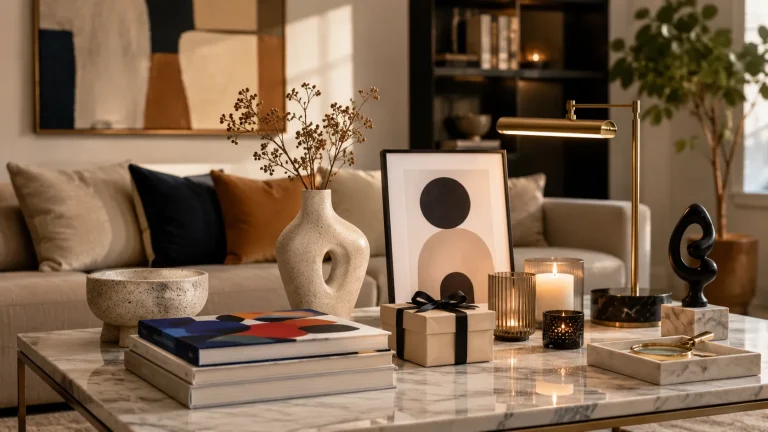
Art books styled with neutral furnishings in a modern living room.
Art books styled with neutral furnishings in a modern living room.
/h2>
Because art books are often displayed as much as they are read, it helps to imagine where the gift will live. The right book should feel physically and visually at home in the recipient’s space.
Coffee table, bookshelf, bedside, or studio display
A coffee table book should be visually striking from the cover and strong enough in layout to reward casual flipping. A bookshelf book can be slightly more text-heavy, since it is more likely to be chosen intentionally for reading. Bedside books benefit from moderate size and lighter weight, since very large volumes are awkward to hold. In a studio or workspace, an art book can be more reference-oriented, with process images, sketches, or thematic sections that support creative thinking.
If the recipient likes styling books as part of a room, consider how the spine, cover color, and overall scale will interact with other objects. For more display-specific ideas, see how to style shelves with art.
Choosing by interior style: minimal, eclectic, classic, or contemporary
Interior style can guide your choice surprisingly well. Minimal homes often suit books with clean typography, restrained covers, monochrome photography, or modern art themes. Eclectic interiors can handle bolder color, layered imagery, and unusual subject matter. Classic spaces often pair well with museum editions, historical painting surveys, architecture, or decorative arts. Contemporary rooms tend to suit photography, modern design, fashion, or current exhibition-driven books.
Matching style does not mean the book must disappear into the room. A contrasting cover can work beautifully if it still feels intentional. The key is avoiding a gift that looks visually disconnected from the recipient’s environment.
Size, weight, and display practicality for small spaces
For apartments, dorms, or shared homes, practical dimensions matter. A giant volume may look impressive in a store but be difficult to store, carry, or display. Mid-size books are usually easier to use in small spaces because they can move between shelf, desk, and table without demanding a dedicated surface.
Think about weight too. Heavy books are less likely to be picked up casually, especially by beginners who are still forming the habit of browsing art books. If space is tight, one well-made compact hardcover often makes a better gift than an oversized statement book.
If you are unsure about size, choose a book that can comfortably fit on a standard bookshelf shelf and still look good stacked horizontally on a side table. That flexibility makes it easier to live with in smaller homes.
Comparing Popular Types of Art Books for Beginners
Not all art books serve the same purpose. Understanding the main categories makes it easier to choose a title that matches both the recipient and the occasion.
Artist monographs vs survey books vs themed visual collections
Artist monographs focus on one artist, making them a strong choice when you know the recipient already likes a particular name or style. The benefit is depth and coherence. The limitation is specificity: if the artist is unfamiliar, the book may feel less accessible.
Survey books cover broader topics such as impressionism, modern art, women artists, photography, or major museums. These are often ideal for beginners because they offer variety and context. They help build taste rather than assuming prior knowledge.
Themed visual collections center on a mood, subject, or aesthetic rather than academic structure. Examples might include botanical imagery, interiors, travel photography, or fashion archives. These can be very giftable because they are easy to browse and often double as decor objects.
Exhibition catalogues, design-led editions, and affordable introductory titles
Exhibition catalogues can be excellent gifts when they are well designed and tied to a major artist or museum. They often include strong essays and quality reproductions, but some are more scholarly than casual readers want. Design-led editions prioritize layout, paper, cover treatment, and visual impact. These work well for style-conscious recipients and housewarming gifts.
Affordable introductory titles are valuable when you want to encourage interest without overcommitting. They may be smaller or simpler in production, but many offer excellent content. For beginners, a smart, readable introduction can be more useful than a deluxe volume that feels too precious or too dense.
Benefits, limitations, and value at different price points
| Option | Best For | Key Consideration |
|---|---|---|
| Artist monograph | Recipients with a known favorite artist | Can feel too narrow if taste is uncertain |
| Survey book | Beginners building broad visual knowledge | Check that the writing is clear, not textbook-like |
| Themed visual collection | Decor-minded readers and casual browsers | May offer less historical depth |
| Exhibition catalogue | Museum lovers and serious readers | Some catalogues are more academic than gift-friendly |
| Compact introductory title | Students, small spaces, modest budgets | Production may be simpler, so image quality matters |
At lower price points, prioritize clarity and image quality over prestige. In the middle range, look for strong design and durable binding. At the higher end, make sure the added cost reflects meaningful improvements such as better production, richer reproductions, or a subject the recipient truly loves.
Common Mistakes to Avoid When Buying Art Books as Gifts
Even a beautiful book can become a poor gift if it misses on usability. A few common errors account for most disappointments.
Choosing books that are too academic, too niche, or too large to use comfortably
One of the biggest mistakes is assuming seriousness equals quality. Many beginners would rather receive a visually rich, accessible book than an authoritative but difficult one. Another mistake is going too niche without enough confidence in the recipient’s interests. Highly specialized books can be wonderful, but only when you know they fit.
Oversized books are another common misstep. They photograph well and look impressive wrapped, but they can be cumbersome in everyday use. If the book is hard to lift, hard to store, or only works on a very large table, it may become more decorative burden than enjoyable gift.
Ignoring reproduction quality, binding durability, and edition details
Art books live or die by reproduction quality. If the images are dull, tiny, or poorly printed, even a strong subject loses impact. Binding durability matters too, especially for books that will be browsed often. Check whether the edition is hardcover or paperback, whether it includes a dust jacket, and whether there are different versions in circulation.
Older or discounted editions are not automatically bad buys, but they should still be checked carefully for condition, page quality, and relevance. When buying online, confirm the exact ISBN or publisher details to avoid receiving a different edition than expected.
Overlooking the recipient’s taste, language, and reading habits
A gift can fail simply because it matches your taste more than theirs. Consider whether they prefer bold color or neutral palettes, contemporary photography or historical painting, short captions or longer essays. Language matters too. If the text is in a language they do not read comfortably, the book becomes mostly decorative.
Reading habits are just as important. Some people love dipping in and out of visual books; others want a clear narrative. Choosing with those habits in mind usually leads to a more appreciated gift.
- Choose an accessible subject with strong visuals and readable text.
- Check the edition, size, and binding before ordering.
- Picture where the book will actually live in the recipient’s home.
- Buying the heaviest or most expensive book just to make an impression.
- Assuming an academic catalogue suits every beginner.
- Ignoring storage limits, language, or browsing habits.
Presentation, Styling, and Display Ideas That Make the Gift Feel Special
Presentation can elevate the experience without adding much cost. Since art books already have visual presence, a few thoughtful choices go a long way.
How to wrap, pair, or bundle an art book with complementary gift items
A simple wrap in matte paper with a ribbon or fabric tie often suits art books better than overly busy gift packaging. You can also pair the book with a bookmark, a small notebook, museum tickets, a candle, or a postcard set that reflects the same visual theme. For a creative beginner, a book bundled with a sketchbook can feel especially thoughtful.
If you need broader seasonal ideas, Hurrell Editions also has guidance on how to choose Christmas gifts for art lovers.
Display ideas for coffee tables, consoles, shelves, and guest rooms
On a coffee table, one or two stacked books usually look more refined than a tall pile. On a console, an art book can sit beneath a tray, small vase, or sculptural object. On open shelves, books can be grouped by tone, subject, or size, with some vertical and some horizontal placement for variety. In a guest room, a compact art book on the nightstand adds warmth and gives visitors something enjoyable to browse.
If the recipient likes layered displays, a book can also anchor a vignette alongside framed art, ceramics, or a lamp. The goal is to make the book feel integrated rather than staged.
How art books can shape a room’s mood without feeling staged
Art books influence a room through color, scale, and subject. A quiet photography book can soften a minimal room. A bold modern art volume can energize a neutral space. A museum catalogue can add depth to a classic interior. Because books are movable, they offer a low-commitment way to shift the tone of a room seasonally or as tastes change.
The best styling looks natural. One meaningful title left within reach often feels more authentic than a large stack chosen only by spine color.
Care, Maintenance, and Final Recommendation for Choosing Well
Even beginner-friendly art books deserve basic care, especially if they are large, illustrated, or intended for display. A little attention helps them stay attractive and usable for years.
Protecting dust jackets, storing oversized books, and avoiding sun or moisture damage
Dust jackets show wear quickly, so they are best kept away from rough surfaces, food spills, and constant direct handling. Oversized books should be stored on sturdy shelves or stacked flat if the shelf height is not adequate. Avoid prolonged direct sun, which can fade covers and jackets, and keep books away from damp areas where pages may warp.
Large art books can be surprisingly heavy. Make sure shelves, side tables, or display surfaces are stable enough for the load, especially in small apartments or on narrow furniture.
How to judge long-term value without overpaying
Long-term value comes from a mix of usability, subject relevance, and production quality. A book is worth more to the recipient if it will be opened repeatedly, displayed comfortably, and still feel interesting a year from now. Expensive does not always mean better; sometimes you are paying for scale or prestige more than readability.
Before buying, compare editions, confirm specifications, and check the publisher or retailer description carefully. If price, availability, or details are unclear, verify them before ordering rather than assuming all versions are the same.
A transparent final recommendation: the best beginner art books are accessible, visually rich, and easy to live with
The strongest gift choice for most beginners is a mid-size or moderately scaled art book with clear writing, excellent images, and a subject that already overlaps with the recipient’s taste. Survey books and themed visual collections are often the safest starting point, while artist monographs work best when you know the person’s preferences well.
In practical terms, choose a book that feels enjoyable to pick up, simple to display, and rewarding to revisit. If it can succeed both as a reading experience and as a beautiful object in the home, you are probably choosing well.
Frequently Asked Questions