Mixed Media Gallery Wall: Styling Ideas, Composition & Room Pairings

A mixed media gallery wall combines art, photography, text, and objects to create a layered, collected look. The best versions share one unifying thread, like color, mood, or frame finish, so the mix feels intentional.
A mixed media gallery wall brings together art, photography, text, and small objects in one layered display, creating a look that feels collected rather than overly matched. In 2026, that sense of personality matters more than ever: the most compelling walls feel edited, tactile, and deeply tied to the people who live with them.
- Start with one thread: Color, theme, or frame finish will unify the wall.
- Balance scale carefully: Use anchor pieces and smaller supporting works.
- Mix materials thoughtfully: Paper, textile, metal, and glass each change the mood.
- Match the room to the style: Quiet bedrooms need tonal layering; hallways can handle contrast.
- Protect delicate pieces: Light, dust, humidity, and hardware all matter.
What a Mixed Media Gallery Wall Is and Why It Feels Fresh in 2026
A mixed media gallery wall is exactly what it sounds like: a wall arrangement that combines different creative formats instead of relying on one type of framed print. You might pair a photograph with a painted study, a typographic piece, a textile fragment, a small object, or even a shallow sculptural element.
The appeal is not novelty for its own sake. It is the sense that the wall has gathered over time, much like a bookshelf with favorite editions, a ceramics shelf, or a table covered in objects that mean something.
Defining mixed media beyond standard framed prints
Standard gallery walls often depend on repetition: same-size frames, similar artwork, and a consistent grid. A mixed media gallery wall expands that idea by introducing contrast in surface, scale, and medium.
That could mean matte paper beside glossy photography, a linen-mounted print beside a framed sketch, or a text-based piece beside a small object in a shadow box. The mix is what gives the wall depth.
Why layered textures, formats, and materials are resonating now
Interiors in 2026 are leaning away from overly polished sameness. People want rooms that feel warm, personal, and a little less staged, and mixed media walls answer that beautifully.
Texture matters here. A wall that includes paper grain, brushed metal, wood, textile, and glass feels richer to the eye than one that relies on a single finish. It reads as lived-in, but still intentional.
Reader intent: inspiration for a more personal, collected interior
If you are looking at a blank wall and wanting something more expressive than a row of matching frames, mixed media is a useful direction. It works especially well for art lovers who collect slowly, book lovers who enjoy visual storytelling, and anyone who prefers interiors with a sense of memory.
For related framing ideas, see our guide to gallery wall frame sets, which can help you create a cohesive base before layering in more varied pieces.
How to Build a Cohesive Look Across Art, Photography, Text, and Object
The key to a successful mixed media gallery wall is not matching everything perfectly. It is finding one or two unifying threads that let different pieces speak to each other without competing for attention.
Choosing a unifying thread: color, theme, mood, or frame finish
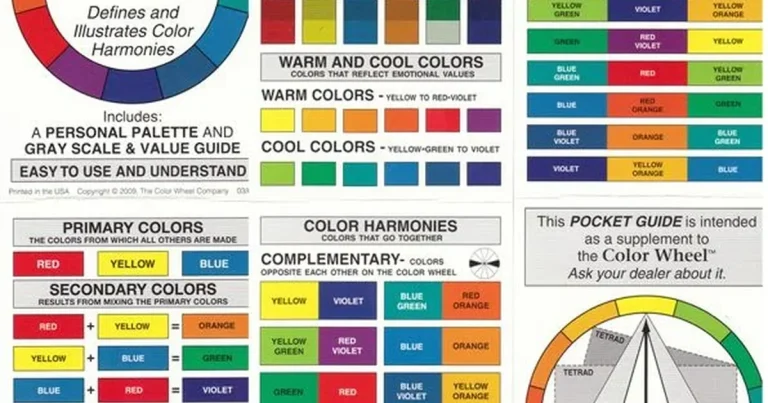
Color is the easiest place to begin. A wall built around soft neutrals, black and white, earthy reds, or muted blues will feel coordinated even if the media vary widely.
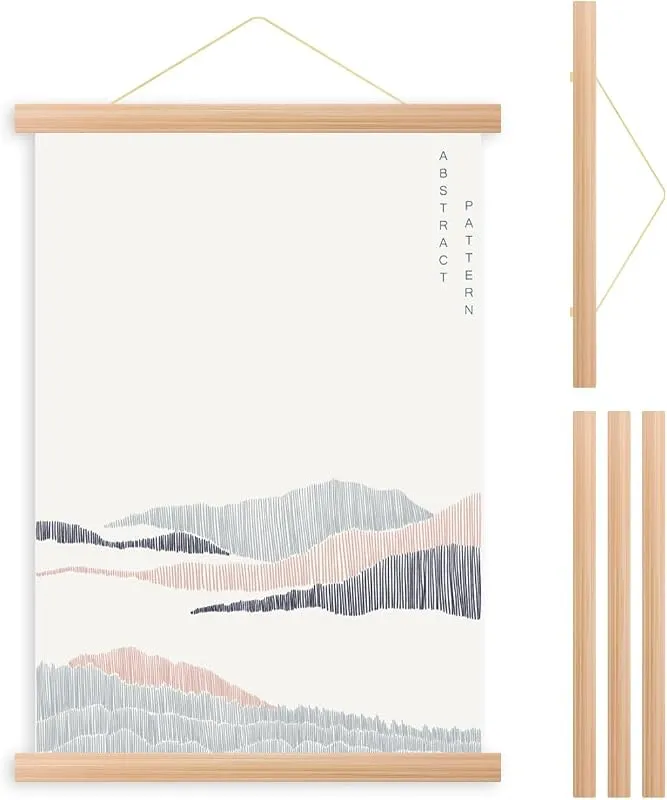
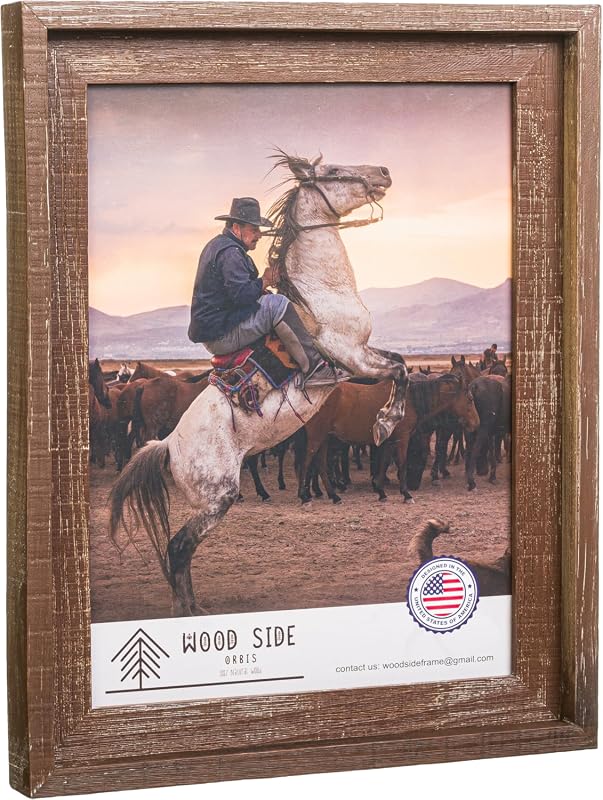
Theme can also do the work: landscape, memory, travel, abstraction, poetry, or botanical forms all create a quiet through-line. If the art itself is eclectic, a consistent frame finish can bring order back into the composition.
Choose one anchor element first, then let the rest of the wall respond to it. A single framed painting, a favorite photograph, or one meaningful object can set the tone for everything around it.
Balancing original artwork, prints, typography, and small sculptural pieces
A good mix usually includes a lead piece and several supporting pieces. The lead piece might be an original work, a larger print, or a visually strong object; the supporting pieces can be quieter and more repetitive in tone.
Typography adds rhythm and wit, photography brings clarity, and sculptural pieces add physical presence. If everything is loud, the wall can feel crowded. If everything is subdued, it can lose momentum.
- Rooms that need personality and visual depth
- Collections built gradually over time
- Mixing art with meaningful objects
- You want a very minimal, highly uniform look
- Your wall has little natural room for varied depths
- You prefer all pieces to be identical in size
Practical examples for calm, eclectic, modern, and maximalist rooms
In a calm room, keep the palette restrained: one abstract print, one black-and-white photograph, one small textile piece, and a few frames with similar finishes. The variety should be subtle rather than decorative.
An eclectic room can handle more contrast, such as vintage ephemera, line drawings, ceramics, and bold color blocks. Modern spaces often benefit from a sharper edit, with clean frames and more negative space. Maximalist rooms can go further, layering more objects and denser arrangements while still keeping a visual rhythm.
Curator-Approved Composition Rules for a Mixed Media Gallery Wall
Composition is where mixed media walls either feel artful or chaotic. The best arrangements create movement, but they still give the eye somewhere to rest.
Scale, spacing, and visual rhythm across different media types
Use scale to create hierarchy. Larger pieces should ground the wall, while smaller pieces can act like punctuation marks around them.
Spacing matters just as much as the art. Too little room can make different media feel cramped; too much can make the wall lose connection. A consistent visual rhythm, even with varied sizes, keeps the whole display readable.
- One or two anchor pieces to define scale
- Enough breathing room between frames and objects
- Repeated finishes or tones to unify the mix
- Whether the wall should feel dense or airy
Mixing vertical and horizontal formats without losing balance
Different orientations are useful because they create movement. A vertical drawing can lift the eye, while a horizontal photograph can calm the arrangement and widen it visually.
The trick is to avoid stacking all the tall pieces on one side and all the wide pieces on the other. Scatter them so the wall feels distributed, not sorted.
When to use symmetry, when to lean into an organic arrangement
Symmetry works well when the room already has strong architectural order, such as a formal dining room or a centered fireplace wall. It gives mixed media a sense of discipline.
An organic arrangement suits creative interiors, stairwells, and informal living spaces. It allows the wall to feel assembled rather than designed to the millimeter, which is often exactly the right mood for a collected home.
Many visually successful gallery walls rely on repeated “visual weights” rather than repeated frame sizes. A dark small piece can balance a larger pale one if the contrast is handled well.
Style Trade-Offs: Bold Contrast vs. Quiet Harmony
Every mixed media gallery wall makes a stylistic choice: do you want contrast that energizes the room, or layering that softens it? Both can be beautiful, but they suit different interiors and different moods.
How high-contrast pairings create energy in dining rooms and hallways
Bold contrast works especially well in transitional spaces. A hallway can handle a sharp mix of photography, text, and object because people pass through it quickly, and the wall benefits from immediate impact.
Dining rooms also welcome stronger pairings because the atmosphere is social and lively. Here, a black frame beside a brass edge, or a vivid print beside a monochrome study, can create welcome energy.
How tonal layering supports restful bedrooms and reading corners
In quieter rooms, tonal layering is usually the better choice. Pieces in related shades, soft matte finishes, and gentle subject matter create a wall that supports rest rather than demanding attention.
This is especially effective near a reading chair or bed, where the eye wants visual comfort. The wall can still be interesting, but it should feel composed and calm.
- Adds depth without requiring a perfectly matched set
- Works across many interior styles, from modern to eclectic
- Makes room for both heirloom pieces and newer finds
- Can evolve over time as your collection grows
Choosing statement pieces versus supporting pieces for longevity
Statement pieces give the wall identity, but too many can make the arrangement feel busy. Supporting pieces are the quiet connectors that let the stronger work stand out.
For longevity, choose one or two pieces you truly love and build around them. That approach makes it easier to refresh the wall later without starting over.
A small framed poem, vintage photograph, or original sketch can be an excellent supporting piece in a mixed media wall. These quieter works often create the emotional thread that holds more decorative elements together.
Lighting, Placement, and Viewing Angles for Mixed Media Displays
Mixed media walls are especially sensitive to light because different materials behave differently. Paper, glass, fabric, metal, and wood each reflect and absorb light in their own way.
Natural light considerations for paper, photography, and textile elements
Direct sunlight can fade paper, photographs, and textiles over time, so placement matters. If a wall gets strong daylight, consider UV-protective glazing or choose pieces that are less vulnerable to fading.
Textile elements also deserve care in humid or very bright spaces. They add wonderful softness, but they are not always the best choice for every wall.
Paper art, photographs, and textiles can fade or warp with prolonged sun exposure and humidity. Use archival materials when possible, and avoid hanging delicate pieces directly above radiators, vents, or damp areas.
Accent lighting, picture lights, and shadow effects for depth
Accent lighting can make a mixed media gallery wall feel far more dimensional. Picture lights, wall washers, or carefully aimed lamps help reveal texture and bring out relief in object-based pieces.
Shadows are not a flaw here; they are part of the effect. A shallow object or sculptural frame can cast a soft shadow that adds depth and a sense of movement to the wall.
Best rooms for mixed media walls: living room, stairwell, study, and entryway
The living room is the most flexible setting because it allows for scale and variety. A stairwell works beautifully too, especially if you want an organic arrangement that follows the movement of the stairs.
Studies and entryways are also strong candidates. A study can handle thoughtful, bookish combinations, while an entryway benefits from a welcoming wall that feels personal from the first glance.
If you are deciding between a wall arrangement and a tabletop display for a smaller piece, our comparison of tabletop easel stand vs wall hanging for framed art can help you think through placement and scale.
Price Context and Smart Collecting for Gallery Wall Sets
Price depends on medium, framing, size, and whether you are buying originals, open editions, or custom pieces. A thoughtful mixed media wall does not need to be expensive, but it does benefit from careful editing.
Budget-friendly ways to start with prints, open editions, and small objects
Entry-level collecting often begins with open-edition prints, small photographs, postcards, book pages, or affordable found objects. These pieces are useful because they let you test a palette or layout before committing to bigger investments.
Small ceramic or metal objects can also add texture without requiring a major budget. The key is to choose pieces that still feel intentional, even if they are modest in scale.
Mid-range collecting: curated sets, archival framing, and artisan details
Mid-range purchases often include curated sets, higher-quality printing, archival mats, and more refined framing. This is where the wall starts to feel especially polished without becoming overly precious.
Artisan details such as hand-finished frames, textured paper, or limited decorative objects can make a noticeable difference. They add depth in a way that mass-produced items often cannot.
Investment pieces: original works, limited editions, and heirloom-worthy frames
Investment pieces are worth considering when you want the wall to anchor a room for years. Originals, limited editions, and beautifully made frames tend to age well when cared for properly.
If you are building slowly, it can be wise to reserve a larger budget for one standout piece and use more accessible works around it. That balance often creates a stronger wall than buying everything at the same level.
If your wall includes printed ephemera or book-related imagery, an art book can be a meaningful companion gift. Our piece on art book gift vs wall decor gift is useful for choosing between a collectible object and a display-ready present.
Care Tips for Keeping a Mixed Media Gallery Wall Looking Intentional
Because mixed media walls combine different materials, they need a little more attention than a simple print arrangement. Good care keeps the wall looking deliberate instead of worn.
Protecting paper, textiles, and delicate surfaces from dust and sunlight
Dust can settle unevenly on textured or object-based pieces, so gentle cleaning matters. Use a soft, dry cloth for frames and a careful approach for anything fragile or unsealed.
Sunlight is the bigger long-term concern. Rotate vulnerable pieces occasionally if the wall gets strong light, or move especially delicate works to a safer location.
Frame maintenance, hanging hardware checks, and seasonal refreshes
Check hanging hardware periodically, especially if the wall includes heavier objects or mixed frame depths. A secure wall is not just safer; it also looks more composed.
Seasonal refreshes can be subtle. You might swap one print, adjust spacing, or replace a small object to keep the arrangement feeling alive without redoing the entire wall.
Handling mixed materials safely when rearranging or expanding a wall
When rearranging, handle each material according to its fragility. Glass, ceramics, fabric, and paper should not be moved the same way, and it is worth taking your time.
If you are expanding the wall, keep a record of what is already there: dimensions, frame finishes, and dominant tones. That makes future additions easier and prevents the wall from drifting off course.
Mixed media walls often include fragile or uneven surfaces. Remove pieces one at a time, store them flat when needed, and avoid stacking delicate works directly against one another.
A Creative Recap: Turning a Wall into a Personal Visual Story
A mixed media gallery wall is more than decoration. Done well, it becomes a visual story about taste, memory, and the pleasure of living with art in everyday life.
How mixed media gallery walls support creative living and daily inspiration
These walls invite attention without feeling rigid. They can reflect a love of books, travel, poetry, photography, or collected objects, and they often make a room feel more thoughtful the moment they are installed.
For creative homes, that matters. A wall like this can inspire the rest of the room, encouraging more layering, more editing, and more confidence in personal style.
Giftable ideas for art lovers, new homeowners, and design-led occasions
Mixed media walls also make excellent gifting inspiration. A framed print, a small sculptural object, a bookish image, or a thoughtful typographic piece can all become part of a future wall.
For new homeowners, the appeal is especially strong because the wall can grow with the home. It does not need to be complete on day one.
Final takeaway: building a wall that feels collected, expressive, and lived-in
The best mixed media gallery wall is edited, not overplanned. It should feel as if it has gathered meaning over time, even if you assembled it in a single afternoon.
Start with a clear thread, balance texture with breathing room, and choose pieces that reward repeated looking. That is what makes the wall feel collected, expressive, and genuinely lived-in.
Recommended Products
SHOP THIS SETUP
Gallery Solutions Floating Frame Set, Black, 8×10 and 5×7 Mix
This mixed-size frame set is a strong fit for a mixed media gallery wall because it lets you combine prints, photos, and smaller artwork in one cohesive arrangement. The clean black finish keeps the look modern and versatile, while the variety of sizes helps create that layered, collected-over-time feel that makes gallery walls more interesting.
Frequently Asked Questions
A mixed media gallery wall combines different formats such as prints, photographs, typography, original art, and small objects. The result feels more collected and personal than a wall made from one medium alone.
Choose a unifying thread such as color, theme, mood, or frame finish. Repeating one or two visual elements helps different pieces feel connected.
Yes, and that is part of what makes mixed media walls interesting. The key is to balance scale, spacing, and mounting so the objects feel intentional rather than crowded.
Living rooms, stairwells, studies, and entryways are especially good choices. Bedrooms can work too if you keep the palette softer and the arrangement calmer.
Costs vary widely depending on whether you choose open-edition prints, curated sets, custom framing, or original works. You can begin at a modest budget and build over time.
Keep paper, textiles, and photographs away from direct sun and excess humidity, and check hanging hardware regularly. Clean frames gently and handle fragile materials carefully when rearranging.