Best Frames for Canvas Paintings and Wall Art

Canvas paintings add texture and depth that other art forms cannot match, and the right frame helps protect and showcase that work. Frames for canvas paintings range from simple floater frames that leave the canvas edges visible to traditional wood frames that cover and complement the stretcher bars. They also serve practical roles—holding the canvas flat, protecting edges from damage, and making installation easier.
Updated buying note: This guide now focuses on practical checks for stretched canvas paintings: canvas depth, rabbet depth, frame finish, hanging hardware, glazing needs, and whether the frame fits the actual artwork size. Product availability and seller details can change, so check the Amazon listing before buying.
Related guides: frames for artist canvas, can canvas be framed, and picture frame bumpers.
Buyers should focus on fit, depth, and material: the frame must match the canvas size and stretcher depth, be made from stable materials that won’t warp, and have reliable mounting hardware. A well-chosen frame enhances the artwork without distracting from it and keeps the canvas secure for years. The rest of the article looks at the best options, how to choose the right style and size, and which frames deliver the most value.
Top Canvas Painting Frame Picks
Below is a curated list of the best frames for canvas paintings. It helps buyers pick sturdy, attractive frames that fit common canvas sizes and styles.
Abtgt 11×14 Floater Frame
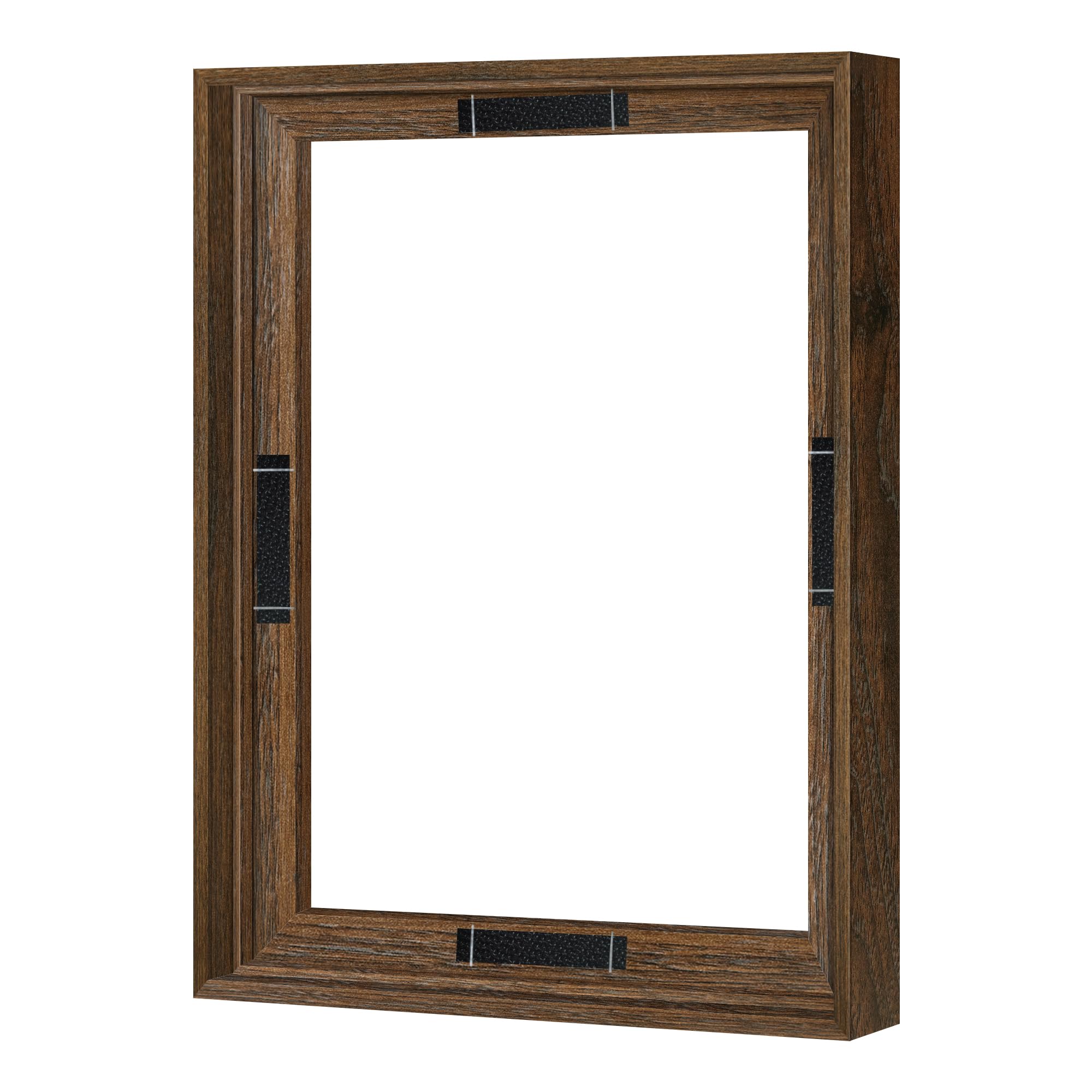
This frame is a good buy for someone who wants an easy, modern look for an 11×14 canvas and quick, tool-free mounting.
Pros
- Tool-free mounting with included Velcro makes swapping art fast.
- Clean floater look that suits many styles.
- Comes ready to hang with sawtooth hooks and packaged for protection.
Cons
- Velcro and staples are visible inside on thinner canvases.
- Fit can be tight or loose if canvas size varies slightly.
- Finish may show minor scratches on arrival.
The frame holds an 11×14 canvas and uses Velcro strips to secure the artwork, so users can change pieces without tools. It supports vertical or horizontal hanging and aims for a simple floating effect around the canvas.
The build is lightweight engineered wood with a 0.9″ depth. Buyers should expect easy installation and a modern wood-grain finish, though small cosmetic flaws have been reported by some customers.
This product suits hobbyists and home decorators who want a neat finish fast. They should verify actual canvas size before buying to avoid fit issues.
FROM ONE Floater Frames 11×14 (4-pack)
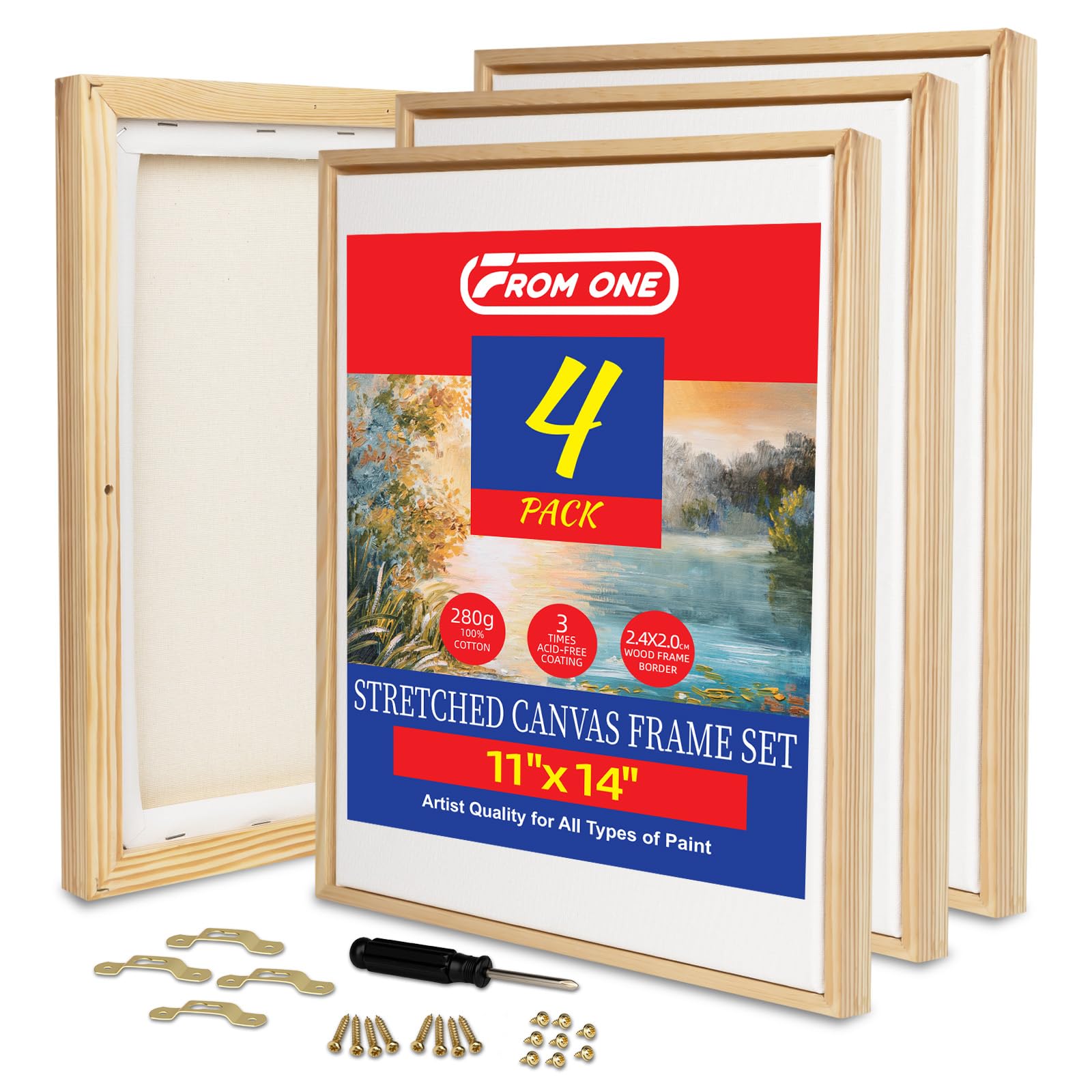
It is a solid choice for someone who wants ready-to-hang, gallery-style canvases without extra assembly.
Pros
- Ready to hang with all hardware included.
- Triple-primed, tight cotton surface that shows paint well.
- Floater frames give a clean, modern display.
Cons
- Wooden frame finish may look basic to some buyers.
- Limited to the included size and color unless ordered again.
- Packing hardware can press on canvas if not handled carefully.
This set comes with four pre-stretched canvases already fitted into matching floater frames, so buyers skip the measuring and mounting steps. The cotton and cottonseed blend aims to cut bleed-through and keep paint colors clear.
The kit includes screws, hooks, and a small screwdriver, which helps people install the pieces right away. The solid wood stretcher claims to resist warping, useful in rooms with changing humidity.
Shoppers should expect a simple, minimalist look that suits modern and traditional rooms. Those wanting higher-end wood finishes or custom sizes might look elsewhere, but this set works well for fast, neat displays.
MCS 16×20 Floater Frame

This frame is worth buying for someone who wants a simple, modern way to display a 16×20 stretched canvas without tools because it looks clean and installs quickly.
Pros
- Clean, modern black finish that suits many rooms
- Fast, tool-free mounting with hook-and-loop strips
- Can hang vertically or horizontally with sawtooth hangers
Cons
- Velcro strips may worry buyers who want more secure mounting
- Outer measurements can confuse some shoppers about inner canvas fit
- Made from MDF, not solid wood, so it feels lighter
MCS aims for a sleek floater look that raises the canvas from the frame edge. The black painted finish keeps attention on the art and fits most decor styles. Best Floating Frames for Canvas
Installation focuses on speed. Adhesive hook-and-loop fasteners let someone attach or swap canvases without nails or clamps, and the pre-attached sawtooth hangers allow either orientation on the wall.
Buyers should note the frame uses engineered wood (MDF) and that the listed outer size differs from the canvas opening. It generally suits casual displays, dorms, or gallery walls where ease and style matter more than heavy-duty security.
Abtgt 11×14 Floater Frame

This frame is a solid, budget-friendly way to give an 11×14 canvas a clean floating look.
Pros
- Easy to mount canvas with included Velcro and sawtooth hooks.
- Lightweight and simple to hang vertically or horizontally.
- Clean, modern look that suits many spaces.
Cons
- Velcro and inside staples can show if canvas edges are small.
- Finish may have minor blemishes on some units.
- Not a substitute for a custom, high-end frame finish.
The frame holds an 11×14 canvas and uses Velcro strips to secure the painting without screws or tools. That makes swapping artwork quick and keeps the canvas surface intact.
It arrives ready to hang with sawtooth hooks preinstalled for either orientation. Buyers should check canvas edge size so Velcro or staples do not become visible once mounted.
The black wood-grain finish looks modern with many styles, but small scratches or fit variance can occur. Overall, it gives a neat floating effect at a low cost and works well for casual displays or studio pieces.
MCS Floater Frame 8×10

This frame is a solid choice for buyers who want a simple black floater frame that makes stretched canvases look finished without tools or complex mounting.
Pros
- Gives canvases a clean, gallery-style look.
- Comes with adhesive hook-and-loop strips for easy swapping.
- Pre-attached sawtooth hangers allow vertical or horizontal display.
Cons
- Adhesive fasteners may worry those who prefer mechanical mounting.
- Outer dimensions can confuse buyers who expect inside measurements.
- Limited depth fit (up to typical shallow stretched canvases).
The frame uses a trimmed black finish that pairs well with most modern decor. It frames an 8×10 stretched canvas and creates a visible gap around the canvas edge, producing the “floating” effect.
Installation stays simple: peel-and-stick hook-and-loop strips hold the canvas and sawtooth hangers are already on the frame. Buyers should check canvas depth and the adhesive quality before committing to heavier or heirloom pieces.
They can mix sizes and finishes from the same line for a coordinated gallery wall. The frame offers a neat, contemporary look at a modest price.
upsimples 16×20 Frame

It is a solid budget frame that works for 11×14 prints with a mat or 16×20 canvases and is easy to hang or display.
Pros
- Affordable and simple look that fits many rooms.
- Lightweight plastic cover reduces breakage risk.
- Can hang vertically or horizontally and also stand on a shelf.
Cons
- Plastic instead of glass may feel less premium.
- Frame material is plastic, not wood as some listings suggest.
- Tabs on the back can be fiddly when swapping artwork.
The frame offers a clean, classic black finish that suits posters, prints, and certificates. It ships with protective packing to lower the chance of damage in transit.
They designed the opening so a standard 11×14 with mat or a full 16×20 fits nicely. The plastic cover keeps weight down and makes it safer around kids or high-traffic areas.
Expect a no-frills product that focuses on value and practicality. It looks modern on a wall and provides a stable fit so pictures stay put.
Abtgt 12×16 Floater Frame
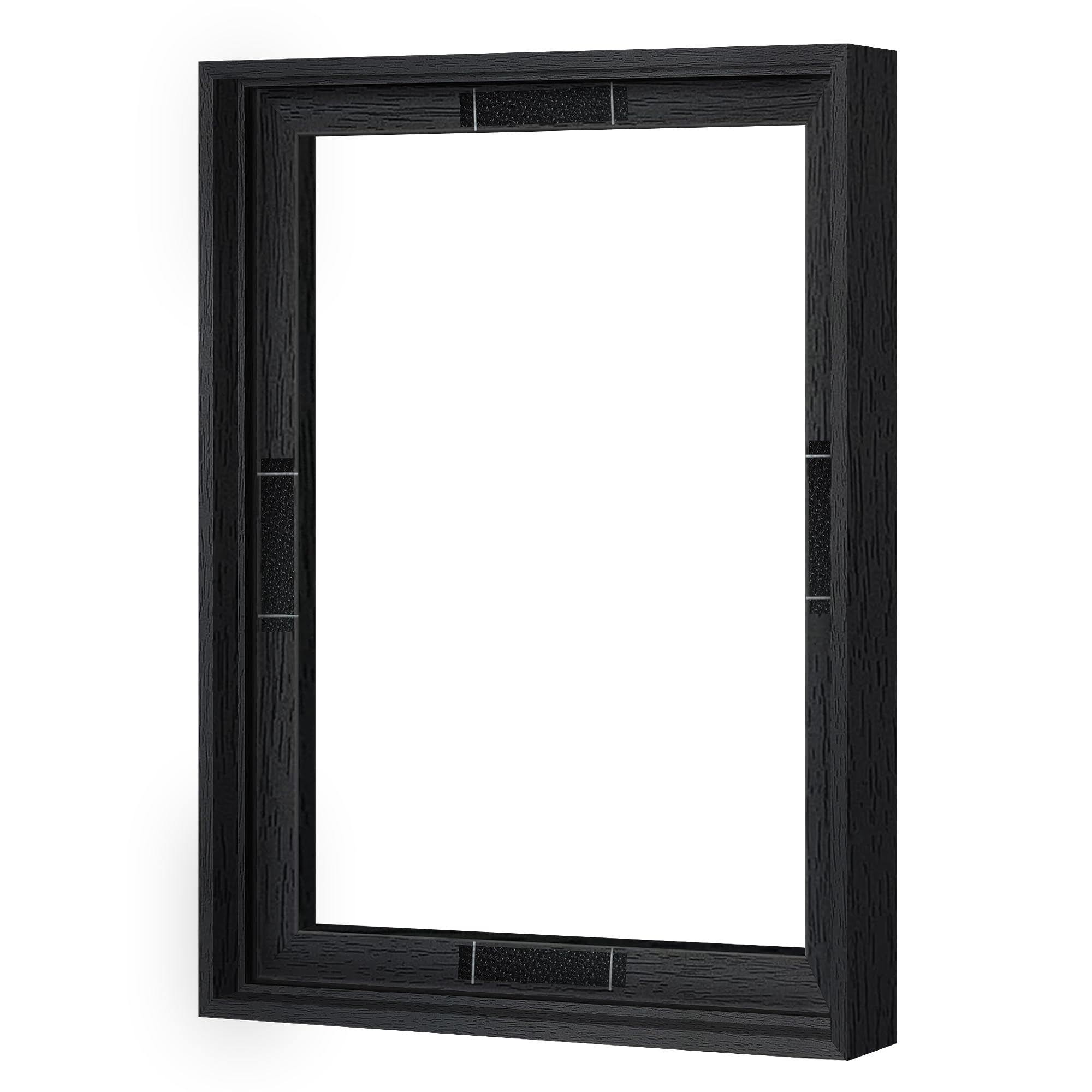
It is a good value if someone wants a simple, tool-free way to finish a 12×16 canvas with a modern floating look.
Pros
- Easy to hang and swap art thanks to preinstalled sawtooth hooks and Velcro.
- Clean, modern look that makes canvases appear to float.
- Affordable and lightweight for most wall displays.
Cons
- Inner gap may show Velcro or staples on smaller canvases.
- Finish can scratch and may need touch-up.
- Cardboard backing and engineered wood are less durable than solid wood.
This frame holds a 12×16 canvas and uses Velcro strips so the canvas can be attached or removed without tools. It comes with hooks for vertical or horizontal hanging, which speeds up installation.
The black wood-grain finish gives canvases a gallery-style edge that suits home or studio walls. Some buyers note the inner gap can reveal fastening bits on thinner canvases, so it works best with canvases that match the frame depth well.
Packaging and assembly appear aimed at convenience: the frame ships with Velcro and hanging hardware in place. The materials favor light weight and affordability over premium durability, so buyers who want a heavy-duty frame might look elsewhere.
upsimples 11×14 Frame Set

It is a solid budget choice for grouping canvas prints or photos when low weight and easy mounting matter.
Pros
- Inexpensive way to get five matching frames.
- Lightweight, so they hang easily without heavy anchors.
- Plastic cover reduces breakage risk.
Cons
- Plastic construction feels less sturdy than wood or metal.
- Some buyers report occasional shipping damage.
- Limited premium look compared with higher-end frames.
This five-pack works well for a simple wall gallery or to frame canvas prints that are thin. It accepts 8×10 with a mat or 11×14 without one, which gives some layout flexibility.
The frames are easy to open and hang either direction. The clear cover is plastic, which keeps the set light and safe around kids but lowers perceived quality.
Packaging is usually careful, though a few users noted one damaged corner in a pack. For someone doing a low-cost refresh or a large grouped display, these frames make sense.
Yudlto 16×20 DIY Canvas Frame Kit
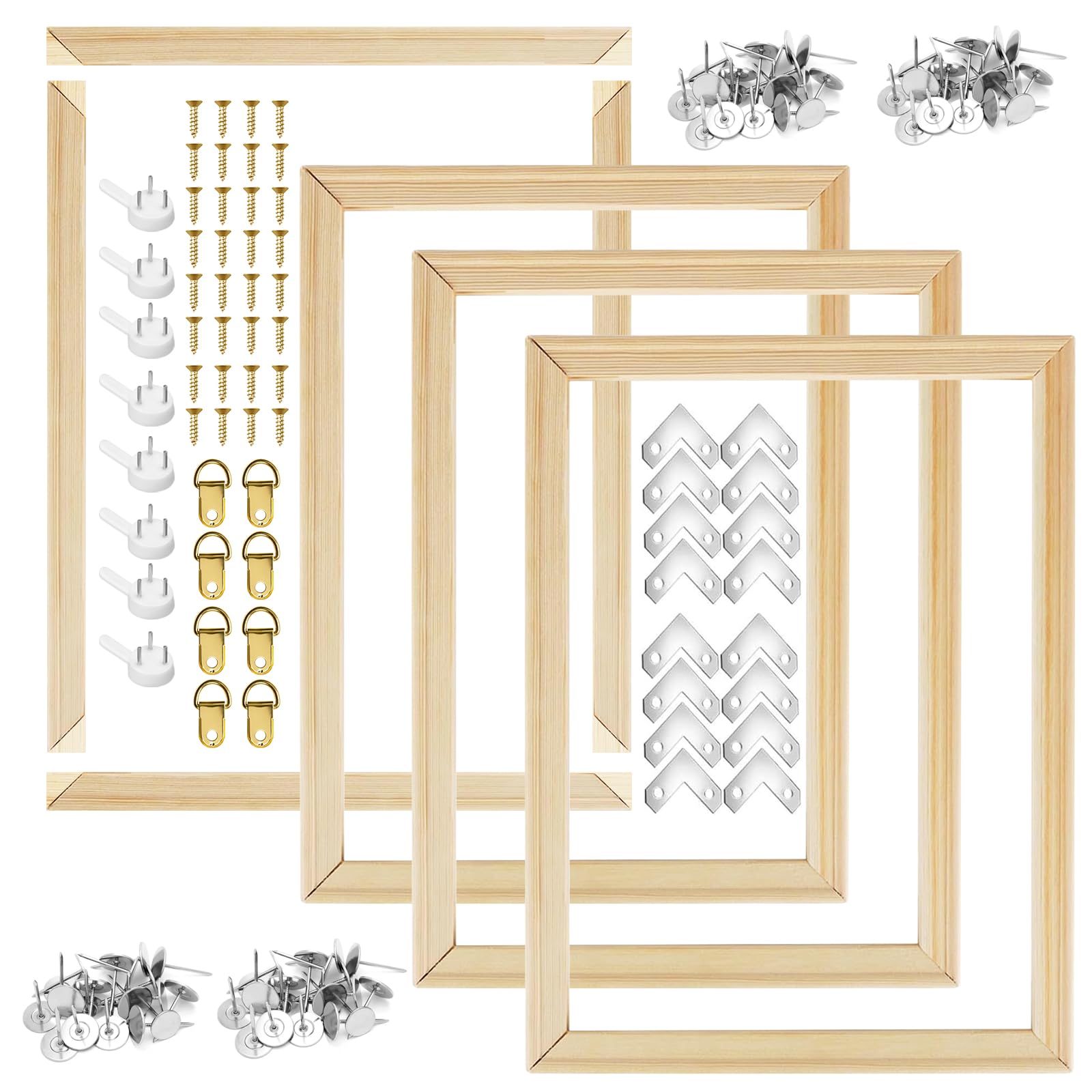
It is a solid, low-cost option for artists who want basic stretcher bars to assemble their own 16×20 canvases.
Pros
- Affordable way to get multiple 16×20 frames.
- Smooth solid wood feels easy to handle.
- Comes with screws, pins, and corner connectors for assembly.
Cons
- No installation tools or printed instructions included.
- Wood quality is basic rather than premium.
- Requires careful measuring when wrapping canvas edges.
The kit contains four full sets of stretcher bars sized for 16×20 projects and the small hardware needed to join corners. It suits painters, crafters, and hobbyists who like to build frames themselves.
Assembly looks straightforward for someone familiar with stretcher bars, but a novice will need a screwdriver and hammer and might want an online tutorial. The finish is smooth and helps avoid splinters, though the wood is utilitarian rather than high-end.
This option works well for multiple projects or for gifting craft supplies to a friend. It keeps costs down while supplying the parts needed to stretch canvas for painting, embroidery, or other canvas crafts.
Buying Guide
Choosing a frame starts with size. Measure the canvas height, width, and depth. Allow for any overlap or floating mount when comparing frames.
Look at frame style and material. Wood gives warmth and texture; metal feels modern and slim. Match the frame style to the artwork’s tone and the room’s decor.
Check how the frame mounts the canvas. Options include full overlap, partial rabbet, or floating frames. Each affects how much of the painted edge shows and how the piece sits on the wall.
Consider protection and durability. Frames with reedings or spacers keep paint from touching glass or backing. Weather-resistant finishes help in humid rooms. Look for sturdy joins and corrosion-resistant hardware.
Think about visual balance and sightlines. Wider frames suit large canvases; narrow frames fit small or delicate works. Depth matters too—deeper frames can create a strong, gallery-style presence.
Budget and customization affect choices. Ready-made frames cost less and fit standard sizes. Custom frames provide exact fit, special finishes, and unique profiles but take more time and money.
Use this quick checklist:
- Size: fit height, width, depth
- Style: match art and room
- Mount type: overlap, rabbet, floating
- Protection: spacers, finishes, hardware
- Visual balance: width vs canvas size
- Cost: ready-made vs custom
They should compare samples under the same lighting as the display location. This helps confirm color, texture, and how the frame changes the painting’s look.
Editor’s picks
They chose a mix of frames that fit common canvas styles and budgets. Each pick balances look, protection, and ease of installation.
- Classic floater: A thin gap between frame and canvas shows the edges. It suits modern and abstract paintings and keeps focus on the art.
- Traditional profile: A wider, ornate frame for portraits and landscapes. It adds formality and works well with museum-style displays.
- Minimal metal: Slim aluminum frames for contemporary art and small canvases. They are lightweight and resist warping.
- Deep-profile box: A sturdy, shadowed frame for thick canvases and gallery wraps. It protects edges and adds visual depth.
| Pick | Best for | Key feature |
|---|---|---|
| Classic floater | Modern, abstract | Visible canvas edges |
| Traditional profile | Portraits, landscapes | Ornate, formal look |
| Minimal metal | Contemporary pieces | Lightweight, sleek |
| Deep-profile box | Thick canvases | Edge protection, depth |
They recommend testing a sample before framing valuable work. Simple mockups show how a frame changes color balance and perceived size.
They suggest matching the frame width to canvas size. Small canvases need thinner frames; large works pair better with wider profiles.
Frequently asked questions
What type of frame suits a stretched canvas?
They often choose floating frames to show the canvas edge, or classic wood frames to add formality. Frame depth should match or exceed the canvas thickness.
Can a frame damage the painting?
If installed wrong, it can touch or compress the canvas and cause dents or paint loss. They recommend using spacer strips or a floating frame to avoid direct contact.
Should frames be sealed or finished before framing?
Yes. Sealing the canvas edge with a clear medium helps prevent dirt and moisture from entering. It also helps the frame sit cleaner against the canvas.
How is frame size measured?
Frame size equals the outer dimensions of the frame molding, not the visible painting area. They measure the canvas first, then pick a molding width and reveal that fits the art.
Is framing worth the cost for contemporary work?
Many say yes because a frame protects and presents the work better in galleries or homes. It can also increase perceived value and match décor.
Can someone frame a canvas at home?
Yes, with basic tools like a measuring tape, corner clamps, and nails or screws. Professional framers handle antique or valuable paintings to avoid mistakes.
What materials resist humidity and warping?
Aluminum and composite frames resist moisture better than soft woods. Sealed hardwoods also work well when properly finished.
Conclusion
A well-chosen frame protects the canvas and improves how the painting looks on the wall. It adds visual balance, supports the artist’s intent, and helps the artwork fit its setting.
They should consider style, color, and size when picking a frame. A slim, modern frame suits minimal work, while a wider, ornate frame can match traditional pieces.
Materials and finish matter for durability and maintenance. Wood offers warmth, metal gives a sleek look, and conservation-grade options help preserve valuable paintings.
Installation must be secure and level. Proper hanging hardware prevents damage and keeps the painting displayed safely.
Budget and purpose guide the final choice. A gallery-ready frame differs from one chosen for casual home display, and custom framing costs more but yields a better fit.
Use a simple checklist to decide:
- Match frame style to the artwork
- Choose materials for longevity
- Confirm proper fit and depth
- Select protective glazing if needed
A thoughtful frame completes the artwork without stealing focus. It supports the painting’s message while ensuring the piece looks finished and remains well cared for.
FAQ
What should I check before buying a canvas painting frame?
Check the artwork size, canvas depth, frame rabbet, finish, hanging hardware, and whether the frame is designed for stretched canvas, canvas panel, or photo display.
Are canvas painting frames good for stretched canvas paintings?
Yes, when the depth and finish match the artwork. A frame that is too shallow or too glossy can make canvas art look awkward.
Do canvas frames need glass?
Most stretched canvas displays do not need glass. Prints, paper artwork, and acrylic floating photo frames may need glazing depending on the product design.
How do I avoid buying the wrong size canvas painting frame?
Measure the artwork itself, not only the visible image area, and compare it with the listing’s inner dimensions, depth, and mounting instructions.