Aluminum Frame for Plexiglass: What to Know Before You Buy

An aluminum frame for plexiglass offers a clean, contemporary way to present prints, photographs, posters, and collectible paper pieces. It feels especially at home in interiors that favor lightness, precision, and a gallery-like sense of calm.
- Modern look: Slim metal and clear glazing create a clean, gallery-style finish.
- Best uses: Ideal for prints, photography, posters, zines, and paper collectibles.
- Style balance: Works best in contemporary rooms, but may feel cool in warmer spaces.
- Buying tip: Check hardware, corner quality, and glare or UV protection.
- Care matters: Clean gently and keep sensitive artwork away from sun and humidity.
Aluminum Frame for Plexiglass: Why It Fits Contemporary Art and Creative Interiors
Reader intent: choosing a frame that feels gallery-clean, lightweight, and modern
For many art lovers, the appeal of an aluminum frame for plexiglass is simple: it keeps the focus on the image without adding visual noise. The slim metal edge, paired with clear or glare-reducing plexiglass, creates a polished look that feels current rather than decorative.
This is a strong choice when you want a frame that reads as intentional but not heavy. It works well for people who like interiors to feel edited, airy, and flexible, especially in apartments, studios, and rooms where wall space needs to do a lot of visual work.
Where plexiglass and aluminum work best in homes, studios, and boutique displays
Aluminum and plexiglass are especially effective in spaces where weight, durability, and a modern finish matter. In homes, that might mean a hallway gallery, a reading nook, or a living room with clean-lined furniture.
In studios and boutique displays, the combination is useful because it looks professional without overpowering the work. It also suits retail shelves, exhibition-style product presentation, and framed paper goods that benefit from a crisp, minimal border.
How an Aluminum Frame Changes the Look of Prints, Photography, and Posters
Visual qualities: crisp edges, slim profiles, and a minimalist finish
An aluminum frame tends to sharpen the overall presentation of a piece. The narrow profile creates a neat boundary around the artwork, while plexiglass adds clarity that can make colors and contrast feel more immediate.
Compared with chunkier or more decorative framing, this style often makes a print look more contemporary. It can also help a large image feel less visually crowded, which is useful when the artwork itself is already bold or highly detailed.
Best subject matter: art prints, monochrome photography, typography, and limited editions
This framing style is especially flattering for work that relies on strong composition or clean graphic structure. Black-and-white photography, architectural prints, modern typography, and limited-edition posters often look sharper in aluminum and plexiglass.
It can also be a strong match for minimalist illustrations and editorial art prints. If the piece already has a refined, contemporary voice, the frame should echo that tone rather than soften it too much.
Style Trade-Offs: Warmth vs. Precision in Interior Design
When aluminum feels ideal for modern, industrial, Scandinavian, or gallery-inspired rooms
Aluminum feels most natural in interiors that already lean modern. Think matte black accents, pale oak floors, white walls, steel shelving, or soft neutral textiles with a restrained palette.
It also suits industrial rooms with concrete, brick, or exposed hardware, as well as Scandinavian spaces where simplicity and light are part of the mood. In gallery-inspired rooms, the frame becomes almost architectural.
- Modern and minimalist interiors
- Industrial or loft-style rooms
- Photography and graphic prints
- You want a warmer, more traditional feel
- The artwork is romantic, painterly, or ornate
- The room already has a lot of metal and hard lines
When wood, ornate molding, or softer finishes may suit the artwork better
Not every piece benefits from precision. Watercolor, botanical art, vintage posters, family photography, and sentimental prints sometimes feel more inviting in wood or a softer finish.
If the artwork has a nostalgic, handcrafted, or richly textured quality, a metal frame may feel too cool. In those cases, wood grain, a warmer color, or a more decorative profile can better support the emotional tone of the piece.
Curator recommendations for matching frame tone with wall color, furniture, and lighting
Frame tone should be considered alongside the room, not in isolation. A black aluminum frame often looks crisp on white or pale walls, while brushed silver can blend elegantly into cooler schemes and rooms with daylight.
If your furniture is warm-toned, a very cool frame can still work, but the balance matters. Soft lighting, linen textures, and natural materials nearby can help keep the overall look from feeling too severe.
Practical Uses for Creative Living Spaces
Framing book covers, zines, editorial spreads, and collectible paper objects
Aluminum-framed plexiglass is a lovely way to elevate paper-based pieces that deserve more than a temporary pinboard display. Book covers, zines, magazine covers, editorial spreads, and limited paper ephemera can all feel more collectible when framed neatly.
This approach is especially appealing for objects that are visually strong but physically delicate. A frame can turn them into part of the room’s visual language while preserving their character.
Using aluminum-framed plexiglass in studios, reading nooks, hallways, and shelving displays
In studios, this frame style can keep inspiration visible without making the room feel cluttered. In reading nooks, it pairs beautifully with books, task lighting, and a single chair or bench.
Hallways benefit from the slim profile because it keeps circulation areas visually open. On shelves, smaller framed pieces can be layered behind objects or leaned casually for a collected look.
Gift-worthy presentation ideas for exhibitions, milestones, and design-forward home gifts
An aluminum frame for plexiglass makes a polished gift when the artwork or print already has personal meaning. It can feel especially appropriate for exhibition souvenirs, graduation prints, wedding stationery art, or a favorite book cover that deserves display.
For design-minded recipients, the appeal is in the presentation. The frame suggests care and longevity, which makes even a small piece feel considered.
What to Look For in Quality Construction and Display Performance
Frame thickness, finish options, mounting hardware, and corner detailing
Quality can vary more than people expect. Look for a frame thickness that feels stable without becoming bulky, and pay attention to finish options such as matte black, brushed silver, or anodized metal.
Hardware matters too. Secure hanging systems, well-made corner joins, and clean edge detailing all help the piece feel finished rather than temporary. If the corners are sloppy, the whole frame can lose its refined effect.
- Frame depth and overall slimness
- Even finish with no visible rough edges
- Reliable hanging hardware
- Corner quality and alignment
- Whether the size suits the wall scale
Plexiglass clarity, glare reduction, and UV protection for artworks and photographs
Plexiglass is often chosen because it is lighter than glass and less likely to shatter, which can be helpful in busy homes or spaces that get moved around often. Clarity is important, but so is surface treatment.
Anti-glare or UV-protective options can be worthwhile if the artwork will face bright light. They may cost more, but they can improve both viewing comfort and long-term preservation.
How to assess durability for frequent handling, moving, or seasonal redecorating
If you like to refresh your interiors often, durability becomes part of the design decision. Aluminum is generally a practical choice because it is lightweight and easier to move than heavier framing materials.
Check whether the frame can be opened and reassembled cleanly, especially if you plan to swap prints seasonally. A frame that handles repeated use well can be more valuable over time than a cheaper option that wears quickly.
- Lightweight for easier hanging and moving
- Minimal profile keeps focus on the artwork
- Works well in modern, curated interiors
- Can suit both home and boutique display use
Price Context: What Aluminum Frames for Plexiglass Typically Cost in 2026
Budget, mid-range, and premium tiers explained for art buyers and decorators
Pricing varies widely depending on size, finish, and glazing quality, so it helps to think in tiers rather than expect one standard cost. Entry-level frames are often suitable for casual posters or temporary displays, while mid-range options usually offer better finish quality and stronger hardware.
Premium or investment-level frames tend to appear in custom sizes, higher-grade plexiglass, or refined finishes intended for long-term presentation. For art buyers, the right tier depends on whether the piece is decorative, sentimental, or collectable.
What influences price: size, glazing quality, custom cuts, and finish selection
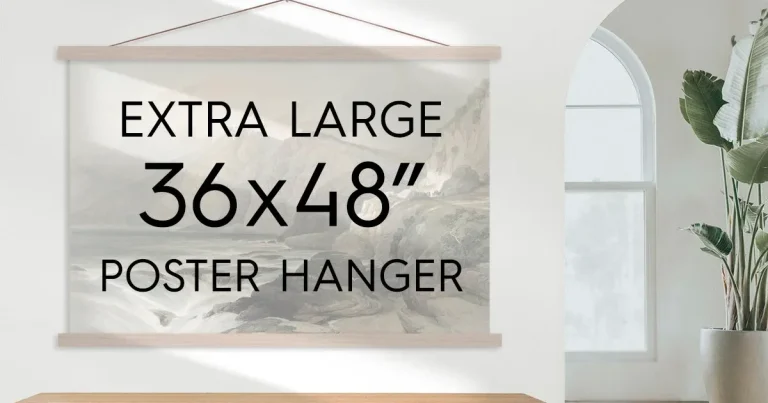
Size is usually the first major cost driver, especially for oversized posters or artwork. After that, glazing quality, custom dimensions, and frame finish can all shift the final price noticeably. Extra Large Poster Frames
Custom cuts and specialty features such as anti-reflective or UV-protective plexiglass often add cost, but they may be worthwhile for artwork you plan to keep on view for years.
When a higher upfront cost makes sense for long-term display value
A better-made frame can be a smart buy if the artwork is meaningful, fragile, or likely to stay on display for a long time. It may also be worth paying more if the frame will be handled often or moved between rooms.
For collectors and decorators, the value is not only in appearance but in reliability. A well-constructed frame can help a piece look cared for year after year.
Care, Cleaning, and Long-Term Display Tips
How to clean plexiglass without scratching or clouding the surface
Plexiglass needs gentle care. Use a soft microfiber cloth and a cleaner that is safe for acrylic surfaces, and avoid rough paper towels or abrasive products that can leave scratches or cloudiness.
If dust builds up, wipe lightly rather than pressing hard. The goal is to keep the surface clear without creating fine marks that become visible in daylight.
Protecting artwork from dust, humidity, and direct sunlight
Even well-framed artwork benefits from a thoughtful location. Keep paper pieces away from bathrooms, steamy kitchens, and direct sun whenever possible, especially if the work is valuable or irreplaceable.
Dust can also creep into framed pieces over time, so a secure backing and clean seal matter. For long-term display, think of the frame as part of preservation, not just decoration.
Maintaining the frame finish in lived-in interiors and creative workspaces
In busy rooms, the frame finish may be touched more often than expected. Keep fingerprints off brushed or matte surfaces by handling the frame at the edges and wiping it gently with a soft cloth as needed.
If the frame lives in a studio or shared space, occasional maintenance will help it stay crisp. That small bit of care preserves the clean look that makes aluminum so appealing in the first place.
Creative Recap: Choosing an Aluminum Frame for Plexiglass with Confidence
Best-fit summary for art lovers, interior stylists, and thoughtful gift buyers
An aluminum frame for plexiglass is a strong choice for anyone who wants a modern, lightweight, and visually disciplined way to present art. It suits prints, photography, posters, zines, and collectible paper objects especially well.
For interior stylists and gift buyers, it offers a polished solution that feels thoughtful without being overly formal. The key is matching the frame’s cool precision to the mood of the room and the character of the artwork.
Final design takeaway: a frame choice that keeps attention on the image, object, or story
When chosen well, this kind of frame does something quietly elegant: it steps back. That restraint can be exactly what allows an image, an object, or a memory to feel more present in the room.
For readers drawn to contemporary interiors and meaningful display, this is a frame style that balances beauty with practicality in a very enduring way.
Recommended Products
SHOP THIS SETUP
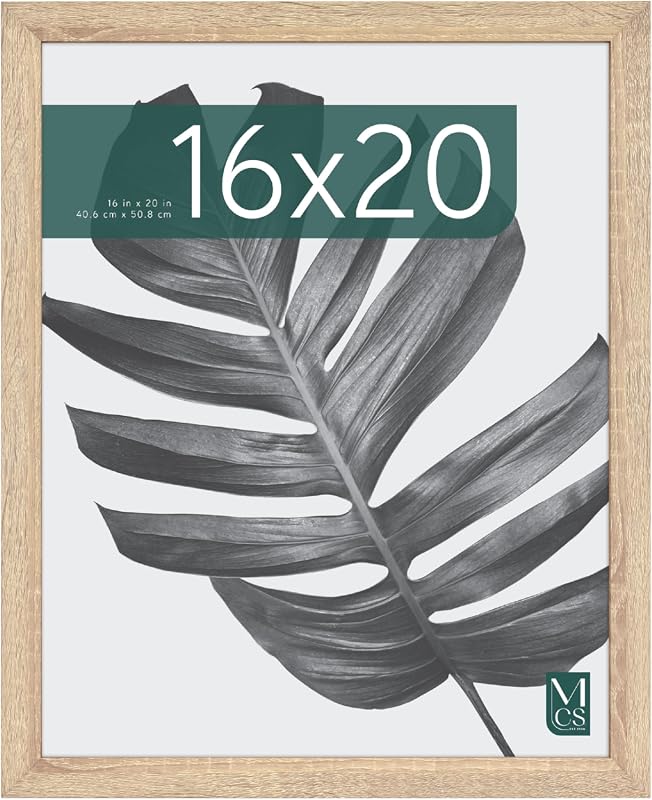
Americanflat 16×20 Aluminum Picture Frame with Shatter-Resistant Acrylic Front
Americanflat’s aluminum frame is a strong fit for plexiglass-focused framing because it combines a slim metal profile with a lightweight shatter-resistant acrylic front. It’s a practical choice for art prints and posters, offering a clean gallery look while keeping the piece protected and easy to hang.
Frequently Asked Questions
Yes, aluminum pairs well with plexiglass because it creates a lightweight, modern frame with a clean finish. It is especially useful for prints, posters, and photography.
Art prints, monochrome photography, typography, and limited-edition posters often look especially strong. The slim frame keeps attention on the image instead of the border.
Plexiglass can scratch if cleaned with rough cloths or abrasive products. Use a microfiber cloth and a cleaner made for acrylic surfaces to keep it clear.
It depends on the artwork and room. Aluminum works best for modern, minimal, or gallery-inspired spaces, while wood may suit warmer, more traditional, or sentimental pieces.
Cost varies by size, finish, glazing quality, and whether the frame is custom-made. Entry-level options are typically more affordable, while premium custom frames cost more but may offer better long-term value.
Keep paper artwork away from direct sun, bathrooms, and damp areas whenever possible. UV-protective plexiglass can help, but placement still matters for long-term preservation.