12 Creative Home Office Decor Ideas to Boost Style

The best home office decor combines art, lighting, storage, and a few textured accents that make the space feel organized and personal. Start with a clear style direction, then add pieces that improve function as much as appearance.
Creative home office decor ideas work best when they solve two problems at once: they make the room look better and help it function better. The strongest updates usually come from a clear style direction, better lighting, smarter storage, and a few decorative pieces that add personality without turning the workspace into visual clutter.
- Start with style: Choose a clear design direction before buying decor.
- Scale matters: Larger art and fewer accessories usually look more polished.
- Layer lighting: Combine ambient, task, and accent light for comfort and mood.
- Hide clutter: Concealed storage instantly makes an office feel calmer.
- Finish thoughtfully: Add textiles, plants, and books only after the essentials work.
12 Creative Home Office Decor Ideas to Boost Style and Function Fast
If your office feels flat, crowded, or disconnected from the rest of your home, start with a handful of upgrades that change the mood quickly. In most spaces, the highest-impact ideas are wall art, layered lighting, concealed storage, textiles, greenery, a better color palette, and a few display pieces that feel intentional rather than random.
The goal is not to fill every surface. It is to create a workspace that supports concentration, keeps essentials close, and still feels like part of a well-designed home.
How to choose ideas that improve focus, storage, and visual balance
Begin by listing what the room is missing. If you struggle with glare, lighting should come before decorative accents. If paper piles are taking over, storage deserves priority. If the room feels bland even when tidy, art, textiles, and sculptural decor can add depth.
A useful approach is to divide decor into three categories: visual anchors, functional support, and finishing layers. Visual anchors include the desk, a large artwork, or a statement rug. Functional support includes shelving, task lighting, and organizers. Finishing layers include objects like trays, books, ceramics, and plants.
What makes a home office feel polished instead of cluttered
A polished office usually has repetition and restraint. That means similar finishes, a limited palette, and enough empty space around key pieces. Cluttered rooms often mix too many small objects, mismatched tones, and open storage without any visual editing.
Try repeating one wood tone, one metal finish, and two or three main colors across the room. That alone can make shelves, frames, desk accessories, and lighting feel connected. If you want broader styling inspiration, Hurrell Editions’ guide on how to create an artful home with style and soul offers a helpful foundation for building cohesion across rooms.
Start With a Style Direction Before You Buy Anything

A home office mood board displays colors, materials, and furniture ideas.
Buying decor before choosing a direction often leads to a room full of individually nice items that do not work together. A style plan gives you boundaries, which makes every later decision easier.
Matching decor to modern, classic, eclectic, or minimalist interiors
Modern offices usually suit clean-lined frames, matte finishes, simple lamps, and abstract or graphic art. Classic rooms tend to look better with warmer woods, tailored textiles, traditional sconces, and art with more formal composition. Eclectic spaces can mix eras and materials, but they still need a repeated thread, such as color or shape. Minimalist offices benefit from fewer, larger pieces instead of many small accents.
If your home already has a clear design language, let the office borrow from it. That keeps the workspace from feeling like a disconnected utility zone.
How to work with existing wall color, flooring, and furniture finishes
Look at the fixed elements first. Wall color, flooring, trim, and major furniture pieces set the tone more than accessories do. If your floors are warm oak, adding several cool gray wood-look pieces can make the room feel unresolved. If the walls are dark, lighter art mats, reflective surfaces, and warm lamp shades can keep the office from feeling heavy.
Metal finishes matter too. Black, brass, chrome, and brushed nickel can mix, but they should look intentional. Repeating one dominant finish in the lamp, frame, hardware, or desk accessories usually creates enough consistency.
What to look for in a cohesive home office palette for 2026
For 2026, many home offices are leaning toward palettes that feel grounded rather than stark: warm neutrals, muted greens, earthy browns, soft clay tones, inky blue, and black used as an accent rather than a full-room default. The most versatile palettes still balance contrast with calm.
A practical formula is 60 percent base color, 30 percent secondary tone, and 10 percent accent. In a home office, that might mean warm off-white walls, walnut and olive furnishings, and a few black or brass details for definition.
Use Wall Art and Gallery Layouts to Define the Workspace
Art is one of the fastest ways to make a home office feel intentional. It gives the workspace a focal point, softens the utilitarian feel of screens and equipment, and helps the room reflect your taste.
Best art sizes above a desk, credenza, or reading corner
Above a desk or credenza, art usually looks best when it spans roughly one-half to two-thirds of the furniture width. A piece that is too small can look adrift, while one that is too large can feel top-heavy. In a reading corner, a vertical piece or a small pair can help define the zone without overwhelming it.
If you prefer flexible styling, picture ledges can be easier to update than a fixed gallery wall. Hurrell Editions has more ideas on picture ledge layout ideas if you want a layered, low-commitment display.
Spacing and layout rules for single pieces, pairs, and gallery walls
For a single piece, center it with the furniture below and leave enough breathing room around it. For pairs, keep spacing consistent so they read as a set. Gallery walls look strongest when the spacing is even and the outer edges form a loose overall shape, such as a rectangle or grid.
When mixing frame sizes, lay the arrangement out on the floor first. That helps you see whether the composition feels balanced before anything goes on the wall.
When in doubt, go slightly larger with art and slightly simpler with the frame. Bigger pieces create calm; too many tiny frames often create visual chatter.
Frame materials, glazing, and finishes that suit different decor styles
Wood frames add warmth and work especially well in classic, organic, and transitional spaces. Metal frames often suit modern or industrial rooms. Acrylic glazing is lighter and often easier to manage than glass, while glass can offer a more traditional feel. Exact materials and finish names vary by brand, so confirm product specifications before buying.
Matting can also change the look dramatically. Wide white or off-white mats often make art feel more elevated and give the eye a place to rest.
Wall type, hanging hardware, and damage-conscious installation basics
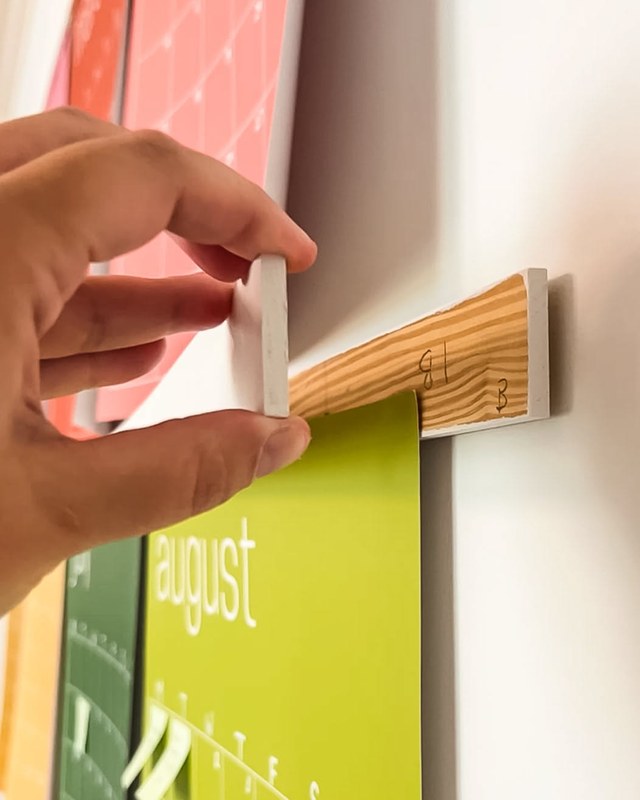
Before hanging anything, check the wall type and the weight of the piece. Hardware that works on drywall may not be right for plaster, masonry, or heavy framed art. For substantial mirrors, shelving, or oversized artwork, review the manufacturer’s hanging guidance and consider a professional installer if there is any doubt about load or wall condition.
Renters may prefer lighter frames, removable systems rated for the item’s weight, or leaning art on a shelf or credenza instead of mounting everything directly.
Keep framed art out of prolonged direct sun when possible. UV exposure, heat, and humidity can affect paper, fabric mats, adhesives, and some frame finishes over time.
Layer Lighting for Style, Screen Comfort, and Better Task Visibility<

A home office uses layered lighting to improve task visibility and screen comfort.
A home office uses layered lighting to improve task visibility and screen comfort.
/h2>
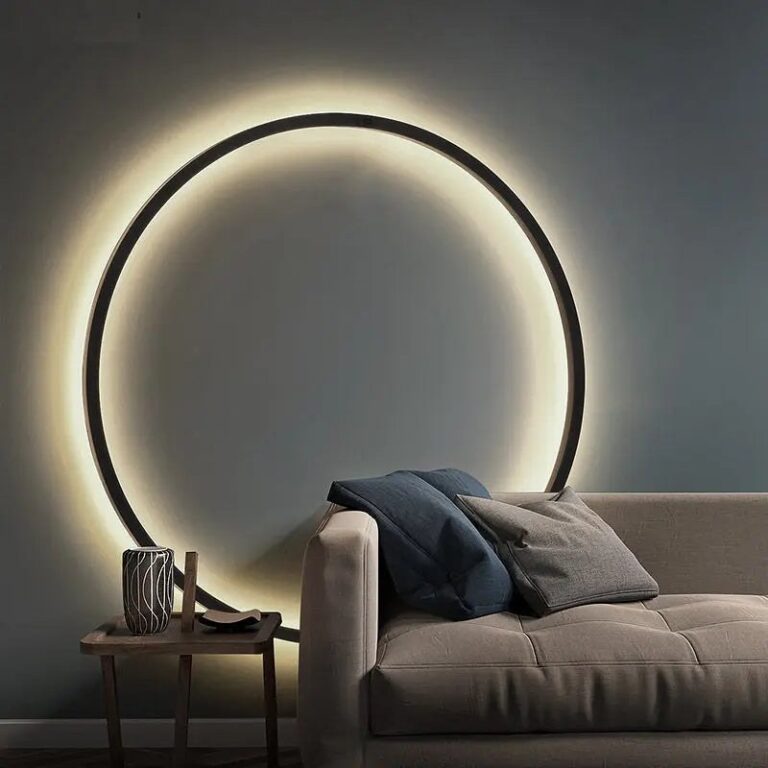
Lighting is often the most overlooked part of office decor, yet it affects comfort as much as appearance. A single ceiling fixture rarely does enough on its own.
Where to place table lamps, sconces, and picture lights in a home office
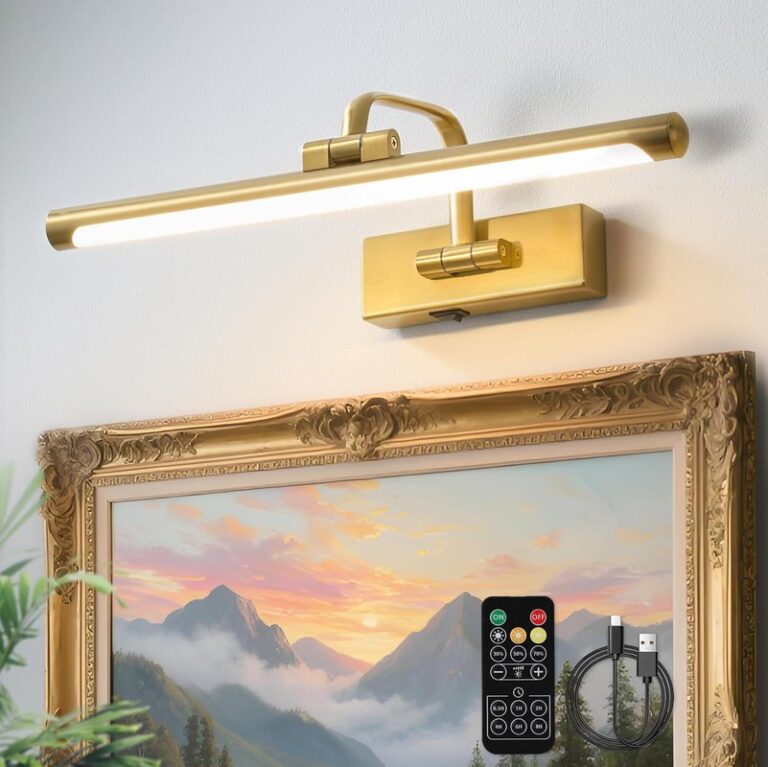
Table lamps work well on a credenza, side table, or the corner of a larger desk where they do not interfere with work. Sconces can free up desk surface area and add a tailored look near shelves or a reading chair. Picture lights help emphasize art and make a workspace feel more finished, especially in darker rooms.
If your office doubles as a creative zone, this guide to the best lighting for a home art desk can help you think through task visibility in more detail.
Choosing brightness, beam spread, and color temperature for work zones
For desk work, look for lighting that is bright enough for reading and writing without creating harsh contrast on the screen. A wider beam spread is usually more comfortable than a narrow spotlight for general work surfaces. Many people prefer a neutral to warm-white color temperature in a home office because it feels softer than very cool light, though the right choice depends on the room, your tasks, and nearby daylight.
Manufacturer specifications are the best place to verify brightness and bulb compatibility, since these vary widely by fixture and bulb type.
Plug-in versus hardwired options, cable management, and power access
Plug-in sconces and lamps are often easier for renters and faster to install. Hardwired fixtures can look cleaner, but they are better suited to planned renovations or rooms with existing junction boxes. Either way, cable management matters. Visible cords can make even a well-decorated office feel unfinished.
Use cord covers, under-desk trays, or furniture placement to reduce visual noise. If your setup includes adjustable desks or more tech equipment, Hurrell Editions also covers standing desk cable management ideas that translate well to many home offices.
Safety basics for bulbs, outlets, and heat near paper, art, and shelving
Check fixture instructions for bulb type, wattage limits, and clearance needs. Avoid placing heat-generating bulbs too close to paper, textiles, or enclosed shelves. Do not overload outlets or extension products, and use only components that are appropriate for the fixture and room.
For any electrical changes beyond a simple plug-in lamp, follow local code requirements and use a qualified professional when needed.
Add Texture and Personality With Functional Decor Pieces
Decor earns its place more easily in a home office when it does something useful. Functional accents can soften the room while keeping surfaces organized.
Mirrors, trays, bookends, vases, and sculptural accents that earn their place
A mirror can bounce light around a dim office and make a narrow room feel more open. A tray corrals pens, clips, chargers, and small tools so they read as one composed group instead of several loose items. Bookends bring structure to shelves, while a vase or sculptural object adds shape and contrast.
The key is scale. One medium tray and one vase usually look better than six tiny accessories spread across the desk.
Materials to consider: wood, metal, glass, ceramic, linen, and rattan
Wood brings warmth, metal adds crisp definition, glass reflects light, ceramic adds softness and handcrafted character, linen introduces texture, and rattan can make a workspace feel more relaxed. The best mix depends on your room’s architecture and existing finishes.
In sleek rooms, too much glossy metal and glass can feel cold, so adding linen or wood helps. In rustic rooms, a bit of metal or smoked glass can add needed tension and contrast.
Which accents suit small offices, shared rooms, and open-plan corners
Small offices benefit from fewer but more sculptural pieces, especially items with storage value. Shared rooms need decor that can visually separate the office area from the rest of the space, such as a mirror above the desk, a compact rug, or matching desktop accessories. In open-plan corners, decor should help define the workspace without making it feel boxed in.
- Choose accents that organize, reflect light, or add texture
- Repeat materials already present in the room
- Use one or two sculptural pieces instead of many tiny fillers
- Covering every flat surface with decorative objects
- Mixing too many unrelated finishes at once
- Buying accessories before solving storage needs
Choose Storage That Looks Intentional, Not Office-Bland
Storage should support the room visually as much as it supports it practically. The best pieces hide what needs hiding and display only what deserves to be seen.
Stylish shelving, cabinets, baskets, and desktop organizers to reduce visual noise
Open shelving works best for edited displays: books, a few boxes, art, and a plant. Cabinets are better for paperwork, tech accessories, and anything that tends to look messy. Baskets can soften shelving and conceal supplies quickly, while desktop organizers help keep everyday tools from spreading across the work surface.
If you are still selecting foundational furniture, built-in organization at the desk level can make decorating much easier later.
What to look for in proportions, finishes, and concealed storage features
Choose storage with proportions that match the room. Tall, narrow units can help in compact spaces, while low cabinets often work well under windows or behind a desk. Look for finishes that relate to the desk, flooring, or frames so the room feels composed. Concealed storage features such as drawers, doors, and lidded boxes are especially helpful in offices that need to switch quickly from work mode to living mode.
Common storage mistakes that make a room feel smaller or busier
Oversized shelving, too many open cubbies, and inconsistent bins can make a room feel crowded. Another common mistake is storing everything at eye level, which creates constant visual interruption. Try keeping the most attractive items in the upper field of view and moving bulkier supplies lower or behind doors.
Bring the Room to Life With Textiles, Greenery, and Display Styling
Once the major pieces are in place, softer layers make the office feel lived-in rather than staged. These finishing elements are often what turn a workable room into a welcoming one.
Rugs, curtains, and chair cushions that soften acoustics and add warmth
Rugs help define the workspace, absorb sound, and visually anchor the desk. Curtains can soften hard edges and improve the room’s overall balance, especially when the office has large windows. A chair cushion or lumbar pillow adds comfort and can introduce color or pattern without committing to a larger upholstered piece.
In smaller rooms, choose textiles with subtle texture or low-contrast pattern so they add warmth without overwhelming the space.
Low-maintenance plants and planters for different light conditions
Plants bring movement and color to a room full of straight lines and screens. Lower-maintenance choices are often best for offices, especially if you travel or forget watering. The right plant depends on the light available, so check nursery or grower guidance before buying. Planter material matters too: ceramic can feel refined, woven planters feel casual, and metal planters can look more architectural.
How to style books and giftable objects for a collected, editorial look
Books are useful because they add height, color, and personality at the same time. Stack a few horizontally, stand others vertically with bookends, and leave some open space between groupings. Decorative objects look more convincing when they vary in height and texture but share a palette.
If you want display-worthy titles, browse Hurrell Editions’ roundups of the best coffee table books for home decor for options that work on shelves, cabinets, and side tables.
Who decorative books and desk accessories suit, plus gifting occasions and presentation ideas
Decorative books and refined desk accessories suit remote professionals, students, creatives, new homeowners, and anyone setting up a more intentional workspace. They also work well as housewarming, graduation, promotion, or holiday gifts. For presentation, pair one strong object with one practical item, such as a design book and a tray, rather than assembling a large assortment of small fillers.
- Group objects in odd numbers when styling open shelves.
- Mix vertical and horizontal book placement to avoid a rigid look.
- Leave at least a little negative space on every shelf so the display can breathe.
Know the Trade-Offs: Budget, Maintenance, and Practical Limits
Decor decisions always involve compromise. A beautiful office that is hard to maintain or impossible to use well will not stay beautiful for long.
Where to invest for the biggest visual impact and everyday value
For most rooms, the smartest investments are the desk chair, lighting, a substantial piece of art, and storage that actually hides clutter. These elements influence comfort and appearance every day. Smaller accents can often be added gradually once the room’s core structure is working.
If your budget is limited, prioritize one statement piece per zone rather than spreading funds across many minor accessories.
Care needs for frames, lighting, textiles, wood, and metal finishes
Frames may need gentle dusting and protection from moisture or direct sun. Lighting fixtures need bulb checks, shade cleaning, and occasional dust removal. Textiles can trap dust faster than hard surfaces, so rugs and cushions may need more regular care. Wood finishes can be sensitive to heat, water rings, and strong cleaners, while some metals show fingerprints more readily than others.
Always check the care instructions from the manufacturer or seller because finish-specific guidance varies.
Limitations to consider in rentals, compact rooms, and multi-use spaces
Rentals may limit drilling, wiring changes, and paint updates. Compact rooms often need decor that performs double duty, such as storage benches, narrow shelving, or wall-mounted lighting that frees desk space. Multi-use spaces need faster reset potential, so concealed storage and edited styling become even more important.
Before buying, confirm dimensions, finish details, included hardware, bulb compatibility, and care instructions on the official product listing. These details often vary by size, retailer, or version.
The Best Home Office Decor Approach for Your Space in 2026
The best approach depends less on trends and more on room type, layout, and how you actually work. A spare bedroom can support more layered decor than a hallway nook, but both benefit from the same core principles: clear style direction, good lighting, edited storage, and a few personal details.
A simple room-by-room recommendation for small nooks, spare bedrooms, and executive-style offices
For a small nook, focus on one wall treatment, one compact lamp or sconce, and storage that goes vertical. In a spare-bedroom office, add a rug, a larger art moment, and a cabinet or shelving unit to make the room feel fully furnished. In an executive-style office, scale matters more: larger art, fuller drapery, a substantial desk, and balanced lighting usually create the most polished result.
How to combine statement pieces and essentials without overdecorating
Choose one statement element per major sightline. That could be a large artwork behind the desk, a dramatic lamp, or a richly textured rug. Then keep the supporting pieces quieter. When everything tries to be the star, the room loses clarity.
A useful editing question is simple: if you remove this piece, does the room function worse or look noticeably weaker? If the answer is no, it may not need to stay.
Final styling recommendation: the most versatile creative home office decor ideas to try first
If you want the most reliable starting point, begin with four moves: define a palette, hang one properly scaled piece of art, add layered lighting, and hide as much visual clutter as possible. Then finish with one textile, one plant, and one or two functional accessories that reflect your personality.
That combination works in almost any home office because it improves style and usability at the same time. It is also flexible enough to suit modern, classic, eclectic, and minimalist spaces without forcing the room into a trend that may not fit the rest of your home.
Frequently Asked Questions