
What Is the Best Lighting for a Home Art Desk

The best lighting for a home art desk is usually a dimmable LED task lamp with high color accuracy, low glare, and adjustable positioning. Neutral to daylight-balanced light works well for most drawing, painting, and craft projects.
If you are asking what is the best lighting for a home art desk, the short answer is: a bright, dimmable LED task lamp with high color accuracy, adjustable positioning, and low glare. For most artists, the best choice is daylight-balanced or neutral white light that helps colors read clearly without feeling harsh.
- Choose LED: It is efficient, cool-running, and flexible.
- Prioritize CRI: Better color rendering helps with accurate art decisions.
- Use task light: Focused light is more useful than general room brightness.
- Pick dimming: Adjustable brightness improves comfort across different projects.
- Match the room: Style matters, but function should lead for serious art work.
What Makes the Best Lighting for a Home Art Desk in 2026?
The best lighting for a home art desk is not just “bright enough.” It should support color judgment, reduce eye strain, and make the desk feel inviting enough that you actually want to sit down and work.
In 2026, that usually means LED lighting with adjustable brightness, a clean beam, and enough flexibility to suit sketching, painting, journaling, and craft work. If your desk also doubles as a reading nook or laptop station, the ideal setup becomes a little more layered.
Why artists, illustrators, and hobby creatives need different lighting than office workers
Office lighting is often designed for general visibility, not for subtle creative decisions. Artists need to see edges, paper texture, ink density, and paint color with more precision than a typical workday setup requires.
That is especially true for illustrators choosing line weight, watercolor artists mixing delicate tones, or hobby makers assembling small details. A lamp that looks fine for typing may still flatten colors or create shadows that interrupt creative flow.
How lighting affects color accuracy, detail work, and eye comfort
Lighting changes how you perceive every mark on the page. Warm, dim light can make whites look creamy and blues look muted, while overly cool light can make a room feel sterile and make skin tones or paper warmth appear off.
Good light also protects your eyes from working too hard. When a desk is underlit, you lean in, squint, and lose comfort over time. When it is well lit, the creative session tends to feel calmer and more sustainable.
Understanding the Main Types of Desk Lighting for Art Spaces
There is no single lamp style that works for every art desk. The right choice depends on room size, desk shape, and how much control you want over direction and brightness.
LED desk lamps: energy efficiency, brightness control, and modern design
LED desk lamps are the most practical starting point for most home art desks. They run cool, use less energy, and often offer dimming plus multiple color temperatures in one fixture.
They also come in designs that feel at home in a modern studio corner or a neat apartment desk. If you want a simple, dependable option, LED is usually the safest recommendation.
Task lamps vs. ambient lamps: when each one matters in a studio corner
Task lamps direct light exactly where your hands and paper are working. That makes them the core choice for drawing, painting, and detailed craft work.
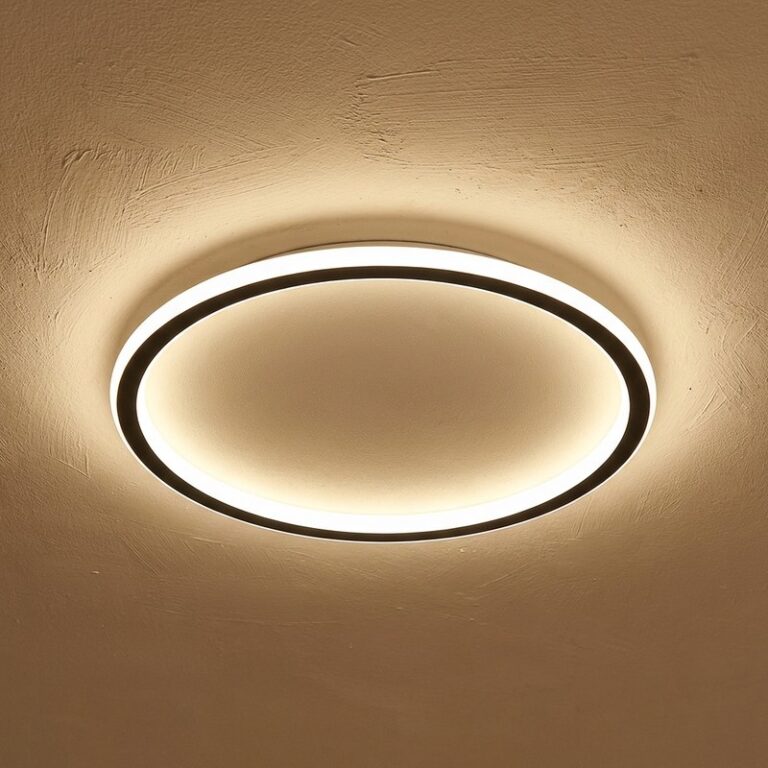
Ambient lamps soften the room and help the desk feel less isolated. In a small creative corner, the best setup often combines one focused task lamp with a gentler background source so the contrast is not too sharp.
| Option | Best For | Note |
|---|---|---|
| Task lamp | Drawing, detail work, precision | Best when you need concentrated light on the work surface |
| Ambient lamp | Studio mood, general room comfort | Helps balance shadows and create a softer atmosphere |
| Combination setup | Versatile home art desks | Often the most comfortable and flexible choice |
Clamp, arm, and floor options for small apartments and dedicated art rooms
Clamp lamps are excellent for compact desks because they save surface space. Articulating arm lamps add reach and precision, which is useful if you move between sketchbook, tablet, and reference material.
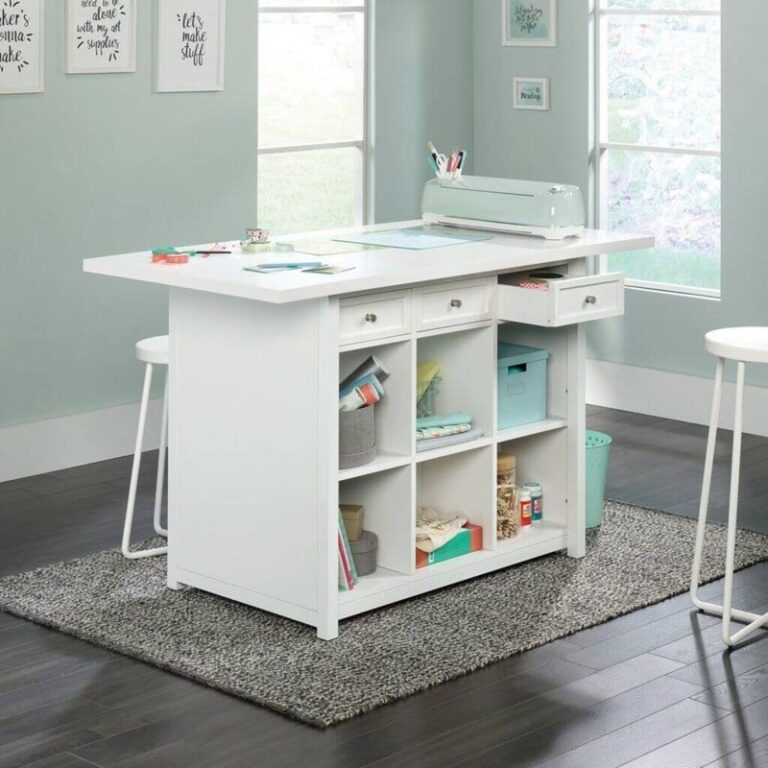
Floor lamps can work well in a dedicated art room, especially if the desk is pushed against a wall or shared with shelving. If you are setting up a larger creative corner, our guide on how to set up a home art studio space can help you think through the whole layout, not just the lamp.
What Features Matter Most for Drawing, Painting, and Craft Work?
Once you know the lamp type, the next decision is about quality. A beautiful lamp is nice, but the features below are what determine whether it is genuinely useful for art.
Color temperature choices: warm, neutral, and daylight-balanced light
Warm light feels cozy and flattering, but it can make whites and cool colors look less accurate. Neutral light is often a comfortable middle ground for mixed-use desks.
Daylight-balanced light is usually the best all-around choice for serious art work because it tends to reveal color more honestly. For most home art desks, a lamp in the neutral-to-daylight range is the most versatile starting point.
Color temperature is partly about mood and partly about accuracy. If your desk sits in a room with strong natural light, choose a lamp that does not fight the daylight but instead complements it.
CRI and true color rendering for accurate sketching and paint selection
CRI, or Color Rendering Index, matters because it affects how faithfully a light source shows color. For art, this is one of the most important specs to pay attention to.
A higher CRI generally means better color readability, which helps when comparing paper tones, choosing paint mixes, or judging whether your graphite shading feels too cool or too warm. If you want to understand how paper and light interact, our guide to what paper is best for watercolor at home is a helpful companion read.
Dimming, glare control, and adjustable positioning for long creative sessions
Dimming matters because creative work changes throughout the day. A lamp that is too intense can feel clinical at night, while a softer setting can be easier on the eyes for journaling or planning.
Glare control is equally important, especially if you use smooth paper, glossy sketchbooks, or a tablet. Adjustable arms and heads let you shift the beam so your hand does not cast a heavy shadow across the page.
- Better color confidence while working
- Less eye strain during long sessions
- More flexibility for mixed creative tasks
- Improved comfort in small or shared spaces
Best Lighting Setups by Creative Practice
The best lighting for a home art desk depends on what you make most often. A watercolor painter and a bullet journal enthusiast may both want good light, but they will not need it in exactly the same way.
Best for sketching, journaling, and pen work
For sketching and journaling, a neutral or daylight-balanced LED lamp with moderate brightness is usually ideal. You want enough light to see line quality clearly, but not so much that the page feels stark.
If you are still building your paper and notebook setup, our article on the best sketchbooks for beginners pairs nicely with a thoughtful desk-lighting choice.
Best for watercolor, gouache, and mixed media
For paint work, color accuracy matters more than almost anything else. A high-CRI lamp with even spread and dimming control helps you judge washes, layering, and subtle shifts in tone.
Watercolor and gouache can also be sensitive to glare on wet surfaces, so a lamp with a softer beam and flexible angle is worth prioritizing. If you work with watercolor often, this becomes especially noticeable on textured or cold-press paper.
Best for model making, collage, and intricate craft projects
Detailed craft work benefits from focused task lighting and a stable arm that stays where you place it. Collage, model making, and small-scale assembly all become easier when shadows are controlled and the work surface is evenly lit.
For these projects, brightness matters, but so does precision. A lamp that can be aimed from the side or slightly above often performs better than one that simply shines straight down.
Best for reading art books and reference materials beside the desk
If your art desk also holds reference books, exhibition catalogues, or notebooks, choose a lamp that is comfortable for reading as well as making. A warmer secondary light can make the desk feel more inviting during slower, reflective sessions.
Art books also benefit from balanced light that does not create a bright hotspot in the center of the page. If you love collecting beautiful references, our guide to coffee table books for women who love art may offer a few display-worthy ideas.
How to Balance Style and Function in a Home Art Desk Setup
A home art desk should feel practical, but it should also look like part of the home. The best lamps are the ones that support your work without making the room feel overly technical.
Minimal, sculptural, and vintage-inspired lamps that suit creative interiors
Minimal lamps suit clean desks, pale walls, and contemporary apartments. Sculptural lamps can make the lighting itself feel like an object of design, which is especially appealing in a curated corner.
Vintage-inspired lamps bring warmth and character, particularly if your desk sits near bookshelves, framed prints, or wood furniture. Just make sure the style does not come at the expense of useful adjustability.
Matching light fixtures with desk materials, shelving, and wall color
Think of the lamp as part of the room palette. Matte black reads crisp against white walls, brass softens a darker corner, and pale finishes can disappear beautifully into a calm, airy setup.
If your desk includes oak, walnut, or painted shelving, choose a fixture that echoes one of those tones rather than competing with them. A harmonious setup often feels more inspiring than a visually loud one.
A well-lit art desk should feel like a small studio, not a workstation. The right lamp can make even a quiet evening of sketching feel intentional and beautifully framed.
When a beautiful lamp is worth the trade-off in flexibility or brightness
Some lamps are chosen as much for atmosphere as for performance. That can be worth it if your work is mostly casual sketching, writing, or light crafting.
But if you paint frequently or need exact color reading, do not sacrifice function for style alone. The most elegant setup is usually the one that still works well when the room is dark and the project is demanding.
Curator’s Recommendations for Different Budgets
Budget matters, but so does how seriously you use the desk. A beginner who sketches occasionally does not need the same investment as someone who paints most evenings.
Entry-level lighting under a modest price point for beginners
Entry-level lamps are best when you want a straightforward, reliable starting point. Look for LED, dimming if possible, and a shape that lets you aim the light without fuss.
At this level, you may give up some build refinement or advanced color controls, but you can still find very usable options for drawing and journaling.
Mid-range lamps with better build quality and smarter controls
Mid-range lighting often offers the best balance for most home art desks. You are more likely to get better joint stability, smoother dimming, and a more polished finish that feels at home in a designed interior.
For many artists, this is the sweet spot: enough quality to work comfortably, without moving into specialist investment territory.
Premium lighting for serious artists, collectors, and design-led studios
Premium lamps make sense when you use your desk daily and care about both performance and form. They often feel sturdier, look more refined, and offer more nuanced control over brightness and angle.
They are also a good fit for design-led homes where the lamp is visible even when you are not working. If you are building a gift list or upgrading a creative corner, our roundup of creative desk gifts for artists may spark a few ideas beyond lighting.
What to prioritize if you want one lamp that does everything well
If you only buy one lamp, prioritize adjustability, dimming, and high color fidelity over decorative extras. A flexible arm, a stable base, and a clean beam will serve more creative tasks than a lamp that only looks good in product photos.
That said, the best all-purpose lamp is still the one that fits your desk size and your room’s overall mood. A compact desk in a small apartment may need a very different solution from a dedicated studio room.
Lighting Care, Placement, and Studio Comfort Tips
Even a good lamp can underperform if it is placed badly or neglected. A few small habits can make a noticeable difference in how your desk feels day to day.
Where to place the lamp to reduce shadows and protect paper surfaces
Place the lamp opposite your writing hand when possible so your arm does not block the light. For most right-handed artists, that means keeping the lamp on the left side of the desk.
Angle the beam so it lands on the work surface without hitting your eyes directly. This keeps the desk bright while reducing fatigue and awkward shadow lines.
This helps spread light more evenly and reduces harsh contrast across your drawing area.
Keep the center of the desk open for sketchbooks, paint trays, or a small reference stack.
Evening light reveals glare, shadows, and hotspots that daytime daylight can hide.
How to avoid heat, screen glare, and uneven illumination
LED lamps are usually cooler than older bulbs, which is one reason they work so well for art desks. Still, keep the light far enough away from delicate paper, tapes, and adhesives to avoid unnecessary stress on materials.
If you work beside a screen, watch for reflections on glossy surfaces. A slight angle change often solves the problem better than increasing brightness.
Paper, prints, and some pigments can be sensitive to prolonged strong light. If your desk sits near a window, combine your lamp with sensible window coverings and avoid leaving light-sensitive work exposed for long periods.
Cleaning shades, joints, and LED components for long-term use
Dust softens light and can make even a good lamp feel dimmer. Wipe shades, arms, and joints regularly with a dry or lightly damp cloth, following the maker’s care guidance.
Be gentle around LED heads and switches, especially on more delicate or decorative lamps. A little routine maintenance helps the fixture keep its clean look and dependable performance.
A Creative Recap: Choosing the Right Light for Better Work and Better Mood
The best lighting for a home art desk is the one that helps you see clearly, work comfortably, and enjoy the space enough to return to it often. Good light supports color confidence, sharper detail, and a calmer creative rhythm.
How the best lighting supports focus, color confidence, and a more inspiring desk
When your desk is well lit, the entire creative process feels more grounded. You spend less energy compensating for shadows or guessing at color, and more energy making decisions with confidence.
That is why lighting is not just a practical purchase. It shapes the mood of the room, the ease of the work, and even the way a home art corner invites you in.
Final editorial takeaway for building a home art desk that feels both practical and beautiful
If you want the simplest answer, choose a dimmable LED task lamp with high color rendering and adjustable positioning. If you want the most beautiful answer, choose one that also suits your room’s style and feels good to live with every day.
For art lovers, the best desk light is rarely the flashiest one. It is the one that quietly makes the page look right, the room feel warm, and the act of making art feel a little more possible.
Recommended Products
SHOP THIS SETUP
OttLite Creative Curves LED Desk Lamp with Color Changing and Dimmer
OttLite is a strong choice for a home art desk because it is designed to reduce eye strain while delivering bright, clear light for detailed work. The adjustable brightness and color temperature options make it easier to match your lighting to drawing, painting, sketching, or color-sensitive tasks.
Frequently Asked Questions
Neutral to daylight-balanced light is usually best for an art desk because it shows color more accurately. Warm light can feel cozy, but it may distort whites and cool tones.
Yes, LED lighting is often the best choice because it stays cool, uses less energy, and is available with dimming and adjustable color temperatures. It is especially practical for long creative sessions.
A high CRI is important because it helps colors appear more faithful and easier to judge. For art desks, higher color rendering is generally better than a lamp focused only on brightness.
Place the lamp opposite your writing hand when possible to reduce shadows. Right-handed artists often prefer the lamp on the left, while left-handed artists often prefer it on the right.
Not always, but the combination is often the most comfortable. Task lighting handles the work surface, while ambient light softens the room and reduces harsh contrast.
A clamp or arm-style LED task lamp is usually best for a small art desk because it saves surface space and can be positioned precisely. Dimming is a useful bonus if the desk also serves as a reading or writing spot.


6 Comments