
Do Led Lights Fade Pictures

LED lights usually do not fade pictures as quickly as older bulbs, but strong brightness, long exposure, and sensitive materials can still cause damage over time. The safest setup uses a dimmable LED, good placement, and protective framing.
do led lights fade pictures is a fair question, especially if you display framed prints, family photos, or artwork in rooms that stay lit for hours. The short answer is that LEDs are usually one of the safer lighting choices for pictures, but fading can still happen when brightness is high, the light is too close, or the artwork itself is vulnerable.
- LEDs are usually gentler: They typically produce less heat and UV than older lighting types.
- Exposure still matters: Brightness, distance, and hours of use can still fade delicate prints.
- Look beyond the bulb: Paper quality, ink type, and window light affect long-term color retention.
- Choose display-friendly specs: Color temperature, CRI, and dimming help art look accurate and controlled.
- Protect valuable pieces: UV-filtering glass, archival materials, and rotation reduce risk.
Do LED Lights Fade Pictures? The Short Answer for Homes and Galleries
In normal home use, LED lights are generally less likely to fade pictures than older incandescent, halogen, or fluorescent options. That is because LEDs usually produce far less heat and, depending on the fixture, very little ultraviolet output compared with traditional bulbs.
Still, “less likely” does not mean “never.” A picture placed under strong light for long periods, especially if it sits near a sunny window or uses delicate inks and papers, can change over time no matter what kind of bulb is overhead. The safest answer is that LEDs are often a good choice for displaying art, but placement and duration matter just as much as the bulb itself.
How LED Light Affects Artwork, Prints, and Photographs Over Time
Light damage is usually cumulative. That means a picture does not need one dramatic event to fade; it can slowly lose color, contrast, or paper brightness after repeated exposure. The biggest concern is often not the LED alone, but the total amount of light hitting the surface day after day.
Different materials respond differently. Pigment-based prints, archival papers, and well-framed pieces tend to hold up better than inexpensive posters, dye-based photo prints, or items made with sensitive inks. If you are choosing lighting for a meaningful piece, it helps to think about both the lamp and the material behind the glass.
Brightness, UV output, and heat: why LEDs are usually gentler than older bulbs
LEDs are popular for art and picture lighting because they usually run cooler than incandescent or halogen bulbs. Less heat near the frame means less stress on paper, adhesives, matting, and the artwork itself. That lower heat output is one of the main reasons LEDs are commonly preferred for displays that stay lit for long periods.
Many LED fixtures also emit very little UV compared with older technologies. UV is one of the light types most associated with fading, so a lower-UV source is a meaningful advantage. That said, not every LED fixture is identical. The exact output can vary by model, lens, diffuser, and whether the product is designed for art lighting or general room lighting.
Manufacturer claims about UV output, beam angle, and dimming range can vary by model. Check the official product listing and care guidance if you are lighting valuable prints or originals.
What still causes fading: duration, distance, pigment sensitivity, and window light
Even with LEDs, the biggest fading risks are often time and proximity. A picture lit for many hours every day will receive more exposure than one that is switched on only in the evening. If the fixture is mounted too close, the intensity on the artwork can be stronger than necessary.
Pigment sensitivity matters too. Some colors and inks are more fragile than others, and some papers yellow or darken faster than others. Window light can also be more damaging than the lamp itself, especially if direct sun reaches the frame. In many rooms, daylight is the real fading culprit and the LED is only a secondary factor.
Framing choices can matter as much as lighting. UV-filtering glass and archival mats can reduce exposure from both lamps and sunlight.
What to Look for in LED Lighting for Pictures and Wall Art
If you are buying lighting specifically for pictures, the goal is not just “bright enough.” You want a fixture that shows color accurately, spreads light evenly, and does not create hot spots or glare on the glass. That usually means paying attention to color temperature, CRI, dimming, and the fixture’s intended use.
For many homes, the best LED picture light is one that disappears into the room while making the artwork look calm and balanced. For galleries or more formal displays, the fixture should also support consistency across multiple pieces, so the wall reads as a curated arrangement rather than a patchwork of different light levels.
Color temperature, CRI, and dimming for accurate display
Color temperature affects the mood of the room. Warmer LEDs often flatter paper art, classic frames, and traditional interiors, while cooler or neutral tones can work well in modern spaces or offices. The right choice depends on the art and the rest of the room, not just personal preference.
CRI, or color rendering index, is another useful spec to check. A higher CRI generally means colors appear more natural under the light, which matters if you want reds, blues, skin tones, or subtle neutrals to read correctly. Dimming is equally helpful because it lets you reduce intensity when the room feels too bright or when the artwork needs softer emphasis.
- Choose warmer light for vintage prints, sepia photography, or traditional frames.
- Use dimming when the picture is near seating areas or reflective glass.
- Match multiple fixtures in the same room so the wall looks intentional, not uneven.
Power source, fixture type, and safety basics for long-term use
LED picture lighting comes in several forms: plug-in picture lights, hardwired fixtures, battery-powered options, and integrated LED bars or sconces. Plug-in models are often the easiest for renters and flexible rooms, while hardwired versions can look cleaner in permanent installations. Battery-powered lights can be useful in places where wiring is not practical, but they usually need more maintenance.
For long-term use, safety and installation matter more than style alone. Check whether the fixture is meant for picture lighting, general wall lighting, or accent use. Also confirm the wall type, mounting hardware, and weight limits before installation, especially for larger fixtures or older plaster walls. If the setup involves new wiring or a heavy mount, a qualified installer is the safer choice.
- Confirm the fixture is designed for picture or accent lighting.
- Check color temperature, CRI, and dimming compatibility.
- Verify power source, included hardware, and wall suitability.
- Review the manufacturer’s care and installation instructions.
Best Placement and Sizing for Picture Lights, Gallery Walls, and Framed Prints
Good placement does two jobs at once: it makes the art look better and keeps the light from causing unnecessary wear. The right size and mounting height depend on the width of the piece, the frame depth, the wall color, and whether you are lighting one focal artwork or a larger gallery wall.
As a general design principle, picture lighting should feel even and controlled. If the beam is too narrow, the center may look bright while the edges fall off. If it is too wide or too close, you can get glare, washed-out colors, or visible reflections in the glass.
How high to mount picture lights and how far to place them from the wall
Picture lights are usually mounted above the frame so the beam washes downward across the artwork. The exact height depends on the fixture design and the size of the piece, but the goal is to light the full surface without creating a bright band at the top. Many setups work best when the light sits close enough to aim properly but not so close that it creates harsh hotspots.
Distance from the wall matters as well. A fixture that is too close may produce glare on glass or uneven brightness, while one that is too far can waste light and feel disconnected from the art. Because product dimensions and beam spread vary by model, it is smart to check the manufacturer’s spacing guidance before drilling or wiring anything permanently.
If your art is behind glass, stand in the room’s main viewing spot and check for reflections before finalizing placement. A small shift in angle can make a big difference.
Spacing, scale, and layout tips for single pieces versus gallery wall sets
Single pieces usually benefit from a centered light source that matches the width of the frame or slightly under it, depending on the fixture style. Larger works often need broader coverage, while narrow frames can look best with a more compact light that does not overpower the composition.
Gallery walls are different because the eye reads the whole arrangement, not just one frame. In that case, you may need wall washers, multiple accent lights, or room lighting that supports the entire cluster evenly. A single picture light aimed at one frame inside a busy gallery wall can look awkward unless it is clearly meant to highlight a hero piece.
| Option | Best For | Key Consideration |
|---|---|---|
| Single picture light | One framed artwork or photo | Match the beam to the frame size |
| Multiple accent lights | Gallery wall or mixed art wall | Keep brightness consistent across pieces |
| Wall washing | Large display areas | Reduce glare and uneven hot spots |
Matching the lighting setup to wall type and hanging hardware
Wall material changes everything. Drywall, plaster, brick, and paneling each need different anchors or mounting methods, and the wrong hardware can damage both the wall and the frame display. If the fixture is heavy or the wall surface is fragile, check the load limit and installation method before you commit.
Hanging hardware for the artwork itself also affects the final look. A picture light can only do so much if the frame sags, tilts, or sits unevenly. For a cleaner result, make sure the art hangs level first, then position the light so the beam lands evenly across the surface.
For heavy frames, masonry walls, or older plaster, use the correct anchors and consider a professional installer. Improper mounting can damage the wall, the frame, or the fixture.
Room-by-Room Styling Guide: Where LED Lighting Works Best
LED picture lighting is not limited to formal galleries. It can work in everyday rooms where you want art to feel intentional without overpowering the space. The best rooms are usually the ones where you want a clear focal point, a calm atmosphere, or a little extra visual structure on the wall.
The key is to match the style of the fixture to the room’s purpose. A soft, warm light may feel best in a bedroom or living room, while a cleaner, brighter setup may suit a hallway, stairwell, or office where you need more definition.
Living rooms, hallways, bedrooms, home offices, and stairwells
Living rooms are often the easiest place to use LED picture lights because the art becomes part of the seating-area composition. Hallways and stairwells also work well because they usually have narrow sightlines and benefit from controlled accent lighting. Bedrooms can be beautiful with softer picture lights, especially when the art helps balance the room without making it feel busy.
Home offices are a practical fit too, particularly when the wall art supports the room’s mood without creating glare on a monitor. If the room already has several light sources, the picture light should complement them rather than compete. In smaller spaces, one well-placed fixture often looks better than several competing accents.
Which decor styles suit warm minimal fixtures, modern frames, or classic picture lights
Warm minimal fixtures suit modern, Scandinavian, and understated interiors where the art should feel calm and integrated. Classic picture lights with visible arms or traditional finishes can look especially good with vintage frames, portraits, and formal arrangements. Modern black or brass fixtures often bridge the gap between old and new, which makes them versatile in mixed-style homes.
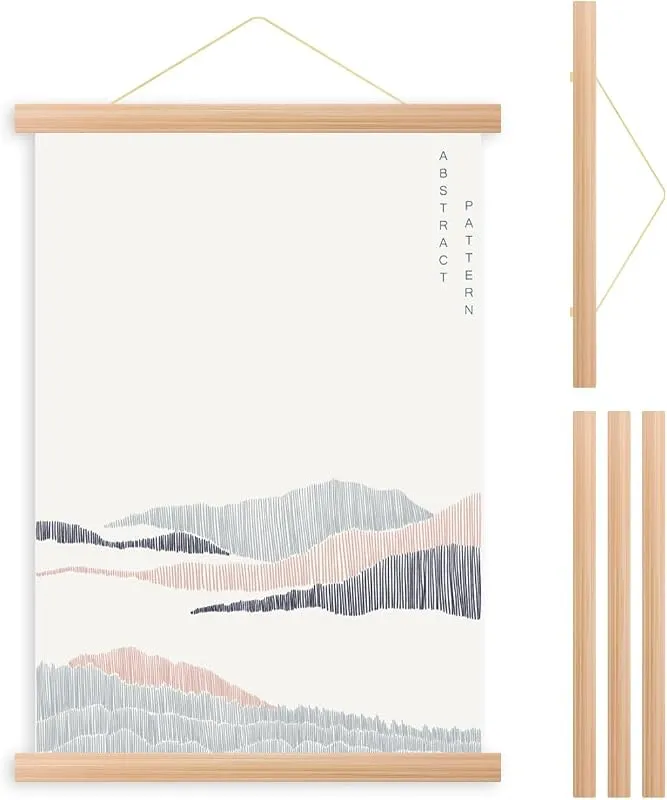
If you are styling a room around framed prints or a curated wall, it can help to think about the whole display as one composition. For more framing ideas, see DIY frames for canvas and whether magnetic poster hangers damage art prints. If your wall includes digital displays, our guide to how digital photo frames work can help you compare the visual effect with traditional framed art.
Common Mistakes That Can Still Damage Pictures Under LED Light
LEDs are not a magic shield against fading. Poor setup choices can still cause visible wear, and some of the biggest problems come from overlighting, glare, and mixed light sources in the same room. The art may be safe in theory, but the display can still look harsh or uneven in practice.
Another common issue is assuming that a “safe” bulb makes all other factors irrelevant. In reality, paper quality, ink type, humidity, and sunlight exposure all affect how long a picture keeps its original color and finish.
Overlighting, poor placement, reflective glare, and mixed light sources
Overlighting is one of the easiest mistakes to make. If the fixture is too bright, the art can look flat, washed out, or overly shiny, especially behind glass. Poor placement can also create a bright hot spot at the top of the frame or a shadow that cuts across the image.
Mixed light sources can be just as distracting. If the picture light is warm but the ceiling light is cool, the wall may look inconsistent and the art may shift color depending on where you stand. A more unified lighting plan usually looks better and makes the display feel intentional.
- LEDs usually produce less heat than older bulbs
- They can be dimmed for softer display lighting
- Many styles are suitable for renters and permanent homes
- Too much brightness can still fade sensitive pieces over time
- Glare on glass can reduce the artwork’s visual quality
- Not every LED fixture has the same color accuracy or beam control
Ignoring paper quality, ink type, and environmental factors like humidity
Paper quality is a major part of the equation. Archival papers and pigment-based prints usually hold up better than inexpensive posters or mass-produced decorative prints. If the piece has sentimental or monetary value, it is worth checking the print method and framing materials before placing it under any long-term light.
Humidity and temperature swings also affect artwork, even if the lighting is ideal. Warped paper, loose mats, and cloudy glass can all make a picture feel older than it is. If a room is damp or prone to strong seasonal changes, the safest strategy is to combine gentle lighting with protective framing and stable room conditions.
For valuable or irreplaceable art, ask the framer or printer about material stability, recommended display time, and whether UV-filtering glass is appropriate.
Care, Maintenance, and Long-Term Protection for Displayed Art
Once a display is set up, small habits make a big difference. Cleaning the fixture, checking the bulb or integrated LED output, and limiting unnecessary exposure can help preserve both the art and the surrounding wall finish. Good maintenance also keeps the light looking even instead of dusty or dim.
If you rotate art seasonally or move pieces between rooms, you can reduce the total time any one print spends under light. That is especially helpful for photographs, posters, and works made with less stable inks.
Cleaning fixtures, checking bulbs, and reducing exposure time
Dust on a fixture can change the way light spreads across a picture. A soft, dry cloth is usually enough for routine cleaning, but always follow the manufacturer’s care instructions for the specific finish. If the fixture uses replaceable bulbs, check compatibility before changing them so you do not accidentally alter brightness or color temperature.
Reducing exposure time is one of the simplest protective habits. If an art wall does not need to be lit all day, use the lights in the evening or when the room is in use. That approach often preserves the display while also making the room feel more layered and intentional.
Using UV-filtering glass, archival materials, and rotation strategies for valuable pieces
For important pieces, the best protection is layered. UV-filtering glass or acrylic, archival mats, acid-free backing, and stable room conditions all help slow visible aging. Lighting should be only one part of the preservation plan, not the only one.
Rotation is especially useful for collections, seasonal prints, and sentimental photographs that do not need permanent display. If you want a broader art-care perspective, our guide on why artists use fixative spray on drawings explains how surface protection works for works on paper. For beginners building a display wall, what art supplies beginners actually need can also help you choose materials that age more predictably.
If a piece is especially valuable, treat the light as part of the preservation plan and not just the decor plan. Lower brightness and shorter viewing hours are often the safest combination.
Final Recommendation: When LED Lights Are the Right Choice for Pictures
LED lights are usually the right choice when you want attractive picture lighting with less heat and generally lower UV exposure than older bulbs. They are especially well suited to living rooms, hallways, bedrooms, and home offices where art is part of the room’s everyday atmosphere rather than a museum-grade conservation display.
The safest value-driven approach is to choose a well-made LED fixture with appropriate brightness, good color rendering, and a dimming option if possible. Then pair it with smart placement, protective framing, and moderate viewing hours. That combination gives you the best balance of style and preservation without overcomplicating the setup.
For most homes, a dimmable, warm-neutral LED picture light is the most balanced choice because it flatters framed art, reduces glare, and keeps long-term exposure more manageable. The main limitation is that sensitive prints still need good framing and sensible lighting habits.
Best use cases, limitations, and the safest value-driven approach for 2026
LED lighting makes the most sense for everyday framed art, gallery walls, and decorative photographs that you want to enjoy regularly. It is less ideal if the piece is highly fragile, irreplaceable, or already showing signs of age, in which case conservation-minded framing and lower exposure should come first.
If you are shopping now, compare the official product listing, installation guidance, and care instructions before buying. The best result is not the brightest setup; it is the one that shows the art beautifully while respecting the materials behind it.
Frequently Asked Questions
(function(){function hurrellFaqInit(){if(window.__hurrellFaqReady)return;window.__hurrellFaqReady=true;function getBtn(el){while(el&&el!==document){if(el.classList&&el.classList.contains(“hurrell-faq-q”))return el;el=el.parentNode;}return null;}function toggle(btn){var open=btn.getAttribute(“aria-expanded”)===”true”;var panel=document.getElementById(btn.getAttribute(“aria-controls”));if(!panel)return;btn.setAttribute(“aria-expanded”,open?”false”:”true”);panel.style.display=open?”none”:”block”;}document.addEventListener(“click”,function(e){var b=getBtn(e.target);if(b)toggle(b);});document.addEventListener(“keydown”,function(e){if(e.key===”Enter”||e.key===” “){var b=getBtn(e.target);if(b){e.preventDefault();toggle(b);}}});}if(document.readyState===”loading”){document.addEventListener(“DOMContentLoaded”,hurrellFaqInit);}else{hurrellFaqInit();}})();
{“@context”: “https://schema.org”, “@type”: “FAQPage”, “mainEntity”: [{“@type”: “Question”, “name”: “Do LED lights fade pictures over time?”, “acceptedAnswer”: {“@type”: “Answer”, “text”: “Usually less than older bulbs, but they still can if the light is too bright, too close, or left on for long periods. The artwork’s paper, ink, and framing matter just as much as the bulb.”}}, {“@type”: “Question”, “name”: “What LED color temperature is best for pictures and wall art?”, “acceptedAnswer”: {“@type”: “Answer”, “text”: “Warm to neutral light often works best for framed art because it feels softer and more natural. The right choice depends on the room style and whether you want a cozy or crisp look.”}}, {“@type”: “Question”, “name”: “How far should a picture light be from the wall?”, “acceptedAnswer”: {“@type”: “Answer”, “text”: “It depends on the fixture size, beam spread, and frame dimensions. Check the manufacturer’s guidance and aim for even coverage without glare or a bright hotspot.”}}, {“@type”: “Question”, “name”: “Can LED lights damage photographs behind glass?”, “acceptedAnswer”: {“@type”: “Answer”, “text”: “They can if the setup is too intense or too close, but LEDs are generally gentler than many older light sources. UV-filtering glass and sensible brightness help reduce risk.”}}, {“@type”: “Question”, “name”: “What should I verify before buying LED lighting for art?”, “acceptedAnswer”: {“@type”: “Answer”, “text”: “Check color temperature, CRI, dimming compatibility, power source, mounting hardware, and whether the fixture is meant for picture lighting. Also confirm wall type and weight limits before installation.”}}, {“@type”: “Question”, “name”: “Is LED lighting a good choice for gallery walls and home offices?”, “acceptedAnswer”: {“@type”: “Answer”, “text”: “Yes, especially when you want controlled accent lighting without much heat. It works best when the fixtures match the room scale and do not create glare on glass or screens.”}}]}



One Comment