Do It Yourself Frames for Canvas: Complete Artist’s Guide

Do it yourself frames for canvas are a stylish way to finish artwork at home while keeping costs and design choices flexible. Floater frames are usually the most versatile option because they preserve the canvas edge and create a polished, gallery-like look.
Do it yourself frames for canvas have become a favorite project for people who want their art to feel finished, personal, and well considered. In 2026, the appeal is simple: you can give a stretched canvas a polished presentation without giving up the character of the painted edges or paying for a fully custom solution.
- Best fit: Floater frames suit most stretched canvases.
- Measure carefully: Depth and edge wrap affect the final fit.
- Design impact: Finish changes the mood of the room.
- Budget balance: DIY often sits between ready-made and custom framing.
- Long-term care: Avoid direct sun, humidity, and rough handling.
Why Do It Yourself Frames for Canvas Are Trending in 2026
Reader intent: a stylish, hands-on way to finish canvas art without custom-framing costs
The rise of do it yourself frames for canvas reflects a broader shift toward thoughtful home styling. Art lovers want pieces that feel collected, not overly staged, and DIY framing offers a way to finish a work with intention while keeping control over budget and design.
It also suits the way people shop for art now. Many home decorators buy stretched canvases directly from artists, paint their own work, or collect unfinished pieces over time. A frame lets the canvas feel display-ready, especially when the goal is a cleaner, more curated look.
How DIY canvas framing fits modern interiors, gallery walls, and creative living spaces
Canvas framing works especially well in interiors that mix texture, books, soft lighting, and layered objects. A floater frame can make a canvas feel more architectural, while still preserving the relaxed, handmade quality that many modern rooms need.
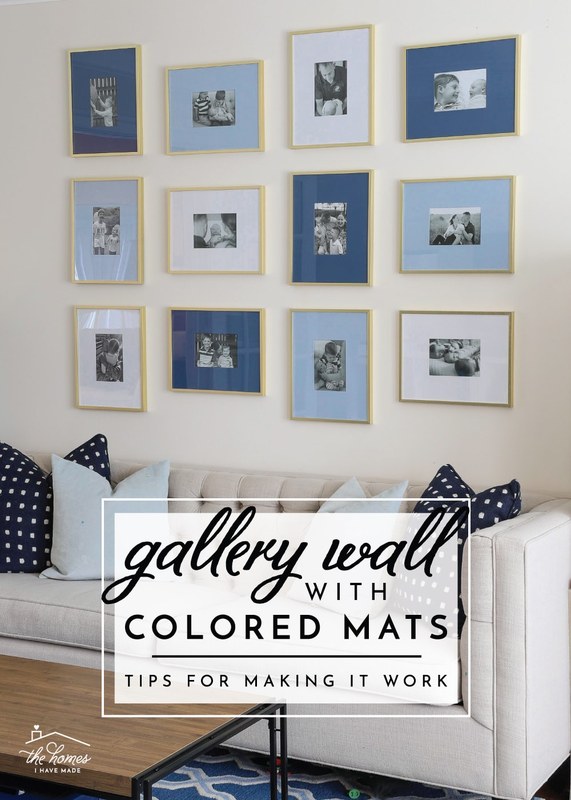
For gallery walls, DIY framing helps unify mixed artwork. A consistent frame finish can bring together abstract paintings, family pieces, and small studies without making the wall feel too rigid. If you are also thinking about display systems, our guide to picture ledge shelves vs hanging individual frames is a useful companion read.
Choosing the Right Frame Style for Your Canvas
Floater frames vs. traditional frames: visual impact, depth, and edge visibility
For canvas art, floater frames are often the most natural choice. They create a slim border around the work, leaving a visible gap so the canvas appears to hover inside the frame. That floating effect feels modern, clean, and especially flattering for stretched artwork with painted edges.
Traditional frames can still work, but they usually feel more enclosed. They tend to hide the edge wrap and can make a canvas read more like a print or panel. If you want the artwork itself to stay prominent, a floater frame usually offers the better visual balance.
| Option | Best For | Note |
|---|---|---|
| Floater frame | Modern canvases, abstract art, textured work | Preserves edge visibility and adds depth |
| Traditional frame | More formal interiors or classic compositions | Can reduce the sense of canvas texture |
Wood tones, matte black, white, and metallic finishes for different art and room styles
Finish matters as much as frame shape. Natural wood brings warmth and works well in rooms with oak shelving, linen textiles, and earthy color palettes. Matte black gives strong contrast and is a reliable choice for contemporary spaces, monochrome art, and graphic compositions.
White frames can feel airy and understated, especially in bright rooms or coastal-inspired interiors. Metallic finishes, used sparingly, can add a more dressed-up note. They are best when the art itself is quiet and the room can support a little sheen without becoming busy.
Curator recommendations for abstract, portrait, landscape, and textured canvases
Abstract canvases often benefit from simple frames that do not compete with color or movement. Portraits usually look elegant in darker finishes or wood tones that add quiet structure. Landscapes can go either way, depending on whether the room calls for warmth or contrast.
For heavily textured canvases, a floater frame is especially useful because it lets the surface remain visually open. If you are choosing materials for your own studio work, it can help to think about how the finished piece will read from across the room as well as up close. For broader art-buying context, see whether expensive art supplies are worth it for hobbyists.
If the canvas has painted edges, choose a frame depth that leaves a visible shadow gap all the way around. That small detail is what makes a DIY frame look intentional rather than improvised.
Measuring, Planning, and Preparing Your Canvas
How to measure canvas depth, stretcher bars, and edge wrap before ordering materials
Accurate measuring is the part that saves the most frustration later. Measure the height and width of the stretched canvas, then check the depth of the stretcher bars from front to back. If the canvas has wrapped edges, note whether the artwork continues around the sides, because that affects how much of the edge should remain visible.
When ordering a floater frame, the internal opening, rabbet depth, and frame clearance all need to suit the canvas thickness. A frame that is too shallow can pinch the work, while one that is too deep may look awkward or create an uneven gap.
- Canvas height and width
- Stretcher bar depth
- Painted or raw edges
- Desired shadow gap
- Wall space and viewing distance
Tools and supplies for a clean DIY framing setup at home
A tidy framing setup does not require a workshop, but it does require care. Most home projects benefit from a tape measure, pencil, level, soft cloth, screwdriver, corner clamps if needed, and the correct hanging hardware. Some frame kits also include brackets or pre-drilled holes, which can simplify the process.
If you are still building out your creative toolkit, our guide to what art supplies beginners actually need can help you think about essentials versus extras. The same principle applies here: choose tools that make the process cleaner, not more complicated.
Common sizing mistakes that affect alignment, shadow gaps, and presentation
The most common mistake is assuming that a canvas size label tells the whole story. In practice, the frame must account for actual thickness, slight manufacturing variation, and the way the canvas sits once mounted. Even a few millimeters can affect alignment.
Another issue is ignoring the visual border. If the gap is too narrow, the frame can feel cramped. If it is too wide, the canvas can look disconnected. The best result usually comes from checking measurements twice and planning the presentation before buying materials.
Canvas sizes can vary slightly from the label, especially with hand-stretched or handmade work. Always measure the actual piece rather than relying only on the listed dimensions.
Step-by-Step Ways to Frame Canvas at Home
Simple assembly workflow for stretched canvases and floater frame kits
Most DIY canvas framing projects follow a similar sequence. First, place the frame face down on a clean surface. Then position the canvas inside the frame opening, checking that the borders are even on all sides before attaching any fasteners.
Once aligned, secure the canvas using the hardware provided with the frame kit or with appropriate mounting points. Tighten gradually and recheck the spacing as you go. A careful, slow assembly usually gives a more refined result than rushing through the final fixings.
Place the canvas inside the frame without fastening it, then confirm the shadow gap and alignment.
Attach the canvas with the supplied brackets, clips, or screws, keeping pressure even across the frame.
Inspect corners, spacing, and the front view before hanging the piece on the wall.
Mounting methods that keep artwork secure while preserving a floating effect
The best mounting method is one that holds the canvas firmly without making the frame visible from the front. That usually means using rear-mounted hardware or discreet brackets that keep the floating effect intact. The goal is structural support with minimal visual interruption.
For lighter pieces, simple mounting may be enough. For larger canvases, especially those that will hang in active spaces, a more secure fixing method is worth prioritizing. This is one place where design and practicality should stay in balance.
Floater frames became especially popular because they make stretched canvas look finished without hiding the edge treatment that many artists now consider part of the composition.
Practical examples for framed wall art in living rooms, studios, and bedrooms
In a living room, a framed canvas often works best when it echoes one or two existing finishes, such as a wood coffee table or a black reading lamp. In a studio, the frame can stay simpler and more utilitarian, letting the work remain the focus while still feeling complete.
Bedrooms usually benefit from softer framing choices. Pale wood, warm white, or muted black can keep the atmosphere calm. If you are pairing the art with lighting, our article on best lighting for a home art desk also offers useful ideas for seeing color and texture more accurately.
A small abstract canvas with visible brushwork is often one of the most rewarding pieces to frame at home. The frame adds structure, while the texture and movement still do the talking.
Style Trade-Offs: Budget, Design, and Longevity
Price context in 2026: DIY framing vs. custom framing vs. ready-made wall decor
In 2026, DIY framing usually sits between ready-made decor and fully custom framing. Entry-level frame kits may be a practical option for smaller canvases or temporary styling, while mid-range and investment pieces are more likely to justify better materials and finish quality.
Custom framing can still be the right choice for unusually sized, highly valuable, or delicate artwork. But for many home canvases, DIY framing offers a strong balance of cost, control, and visual polish.
When to choose premium finishes for statement pieces and when to keep it minimal
Premium finishes make sense when the artwork is central to the room, or when the canvas is large enough to anchor a wall. A richer wood tone, a deeper black, or a more refined metallic edge can give the piece presence without overwhelming it.
Minimal framing is often better for quieter rooms, smaller works, or art that already has a strong visual voice. In those cases, restraint usually looks more elegant than embellishment.
- Statement canvases
- Gallery walls
- Modern interiors
- The artwork is fragile or highly valuable
- You need archival conservation
- The canvas is an unusual size
How frame choice changes the mood of a room, from warm and curated to crisp and contemporary
Frame finish changes atmosphere quickly. Warm wood makes a room feel collected and inviting, especially alongside books, woven textures, and soft lamps. Matte black sharpens the composition and can make the art feel more contemporary and deliberate.
White or light finishes tend to soften the transition between wall and artwork. That can be helpful in bright rooms or spaces where you want the canvas to feel airy rather than anchored. The frame is not just a border; it is part of the room’s visual language.
Creative Pairings for Interiors, Gifts, and Collectible Art
Matching framed canvas pieces with bookshelves, lighting, textiles, and painted walls
Framed canvas looks especially good when it echoes nearby materials. Walnut frames can sit beautifully beside bookshelves and leather details, while black frames pair well with iron lamps, dark window trim, or graphic textiles. White frames often work best against colored walls or layered linen fabrics.
If you are styling an art corner or reading nook, think about how the frame interacts with the room at different times of day. Warm evening light can soften a dark frame, while daylight will reveal more of the canvas texture and edge treatment.
DIY framed canvas as a thoughtful gift for housewarmings, weddings, and art lovers
A framed canvas can make a meaningful gift because it feels finished without feeling generic. It works especially well for housewarmings and weddings when the piece reflects the recipient’s taste, color palette, or shared memories.
For gift-givers, the key is to keep the presentation versatile. Neutral finishes and balanced proportions usually travel well across different interiors. If you are choosing art-related gifts more broadly, our article on how to choose a gift for an artist friend offers helpful framing for the decision.
Ideas for building a cohesive gallery wall with mixed sizes and coordinated finishes
A cohesive gallery wall does not require identical frames. It usually needs one unifying idea, such as consistent wood tone, a repeated black edge, or a shared level of visual weight. That gives the wall rhythm without making it feel repetitive.
Mixed sizes work best when the spacing is deliberate. Leave enough room for each canvas to breathe, and let smaller pieces play a supporting role rather than crowding the larger ones. A frame can quietly unify the wall while still allowing each artwork to keep its own voice.
Imagine a wall where one framed canvas sits above a stack of art books, with a reading lamp nearby and a textured throw on the chair below. That kind of layering makes art feel lived with, not just displayed.
Care Tips and Long-Term Display Considerations
Dusting, handling, and placement tips to protect canvas, frame edges, and finishes
Canvas frames are relatively low-maintenance, but they still benefit from gentle care. Dust the frame with a soft, dry cloth and avoid harsh cleaners that can dull wood grain or metallic finishes. When moving the piece, hold it from the sides and support the canvas evenly.
Placement also matters. Avoid hanging the artwork where it may be repeatedly bumped, brushed, or exposed to heat from vents. A beautiful frame lasts longer when it is treated as part of the room rather than an afterthought.
Light exposure, humidity, and room conditions that affect artwork over time
Light is one of the biggest long-term concerns for canvas art. Direct sun can fade pigments, alter surface tone, and weaken materials over time. Humidity can also affect both the canvas and the frame, especially in bathrooms, kitchens, or poorly ventilated rooms.
If a canvas is valuable, sentimental, or made with light-sensitive materials, keep it out of direct sunlight and away from damp areas. Framing is not a substitute for preservation-grade storage or conservation advice.
How to refresh or restyle framed canvas pieces as interiors evolve
One advantage of do it yourself frames for canvas is flexibility. As your room changes, you can restyle the same artwork by switching the wall placement, pairing it with different objects, or moving it into a new frame finish if the construction allows it.
That adaptability is especially useful in homes where decor evolves seasonally or gradually. A canvas that once lived in a bedroom can later move to a hallway, office, or reading nook and feel newly relevant simply because the frame and setting have changed.
Final Creative Recap: Making Canvas Framing Feel Personal and Curated
Why do it yourself frames for canvas offer both artistic control and a polished final result
Do it yourself frames for canvas are appealing because they give you control over the final mood of the artwork. You decide whether the piece feels warm, minimal, dramatic, or softly refined, and that choice becomes part of the art’s story.
For many home decorators, that is the real value: not just saving on framing, but shaping how the work lives in the room. The result can feel polished without losing personality.
Closing inspiration for turning unfinished canvases into display-ready pieces with character
An unfinished canvas already holds the beginning of a room’s atmosphere. A thoughtful frame simply helps it arrive there with confidence. Whether you are styling a single statement piece or building a layered gallery wall, the right frame can make the art feel complete in a way that still feels distinctly yours.
In that sense, DIY canvas framing is less about finishing a project and more about finishing a point of view. It is a small design decision with a surprisingly lasting effect.
Recommended Products
SHOP THIS SETUP
MCS Industries Canvas Floater Frame for 24×36 Canvas, Black
This is a strong pick for readers who want a clean, gallery-style DIY finish without paying for custom framing. It’s designed specifically for stretched canvas, giving the artwork a floating effect that works beautifully for modern interiors and larger statement pieces. The brand is widely available on Amazon USA and is a practical, approachable option for canvas framing projects.
Frequently Asked Questions
A floater frame is often the best choice for canvas because it preserves the painted edges and creates a clean shadow gap. It works especially well for modern, abstract, and textured artwork.
Measure the exact height, width, and depth of the stretched canvas, then check whether the edges are painted or wrapped. Use those numbers to match the frame opening and clearance before ordering.
Yes, many canvas frame kits are designed for simple home assembly with basic tools like a tape measure, screwdriver, level, and soft cloth. Larger or heavier pieces may need extra support.
Yes, DIY frames can help unify mixed artwork on a gallery wall by creating a consistent finish or visual weight. They are especially useful when you want a curated look without custom framing every piece.
Matte black and natural wood are the most versatile finishes for modern interiors. Black adds contrast, while wood brings warmth and pairs well with soft, layered decor.
Dust the frame gently, avoid direct sunlight, and keep the artwork away from high humidity and heat sources. These simple habits help protect both the canvas and the frame finish.