
Do Standing Desks Work for Artists Discover the Truth

Yes, standing desks can work well for artists when the desk is stable, spacious, and easy to adjust. They are best for flexible creative work, while highly detailed tasks may still need a seated or lower-height setup.
do standing desks work for artists is the right question if your workspace has to support both long creative sessions and real physical comfort. The short answer is yes, but only when the desk matches the kind of art you make, the tools you use, and the way you like to move through a project.
- Best fit: Artists who switch between drawing, digital work, and planning usually benefit most.
- Most important specs: Height range, desktop size, stability, and finish durability matter more than style.
- Room matters: Small studios need clearance, storage, and lighting planned before buying.
- Comfort is personal: Fine-detail work may still feel better with a stool or seated option.
Do Standing Desks Work for Artists? The Short Answer for Creative Workspaces
For many artists, a standing desk can be a very practical upgrade because it gives you more posture options, a better view of your work surface, and a little more movement during the day. That said, it is not a universal solution: fine-detail work, heavy sketching, and tasks that require steady arm support may still feel better at a seated height or on a hybrid sit-stand setup.
The best way to think about it is as a workspace tool, not a style trend. If your art practice includes drawing, digital work, planning, sorting materials, or switching between tasks, a standing desk can support those rhythms well. If your work is mostly delicate handwork that needs a fixed, low, stable surface, you may want a desk that can lower enough to behave like a traditional table too.
What Artists Need From a Desk: Stability, Surface Area, and Ergonomics
An artist works at a standing desk with tools arranged across a wide surface.
Artists usually need more than a place to put a laptop. A good desk has to hold supplies, stay steady under pressure, and let you work without hunching, reaching too far, or crowding your tools.
Drawing, painting, digital illustration, and mixed-media needs
Different art forms ask for different desk qualities. Digital illustrators often need room for a tablet, monitor, keyboard, stylus, and reference materials, while traditional artists may need a larger flat area for sketchbooks, paper, cutting mats, or paint trays. Mixed-media artists often need the most flexibility because the setup changes from one project to the next.
If your process involves wet materials, solvents, or textured media, think carefully about the desktop finish. A surface that is easy to wipe clean can be helpful, but you may still want a protective mat or board so the desk itself is not exposed to stains, dents, or moisture.
Why posture and reach matter more than trends
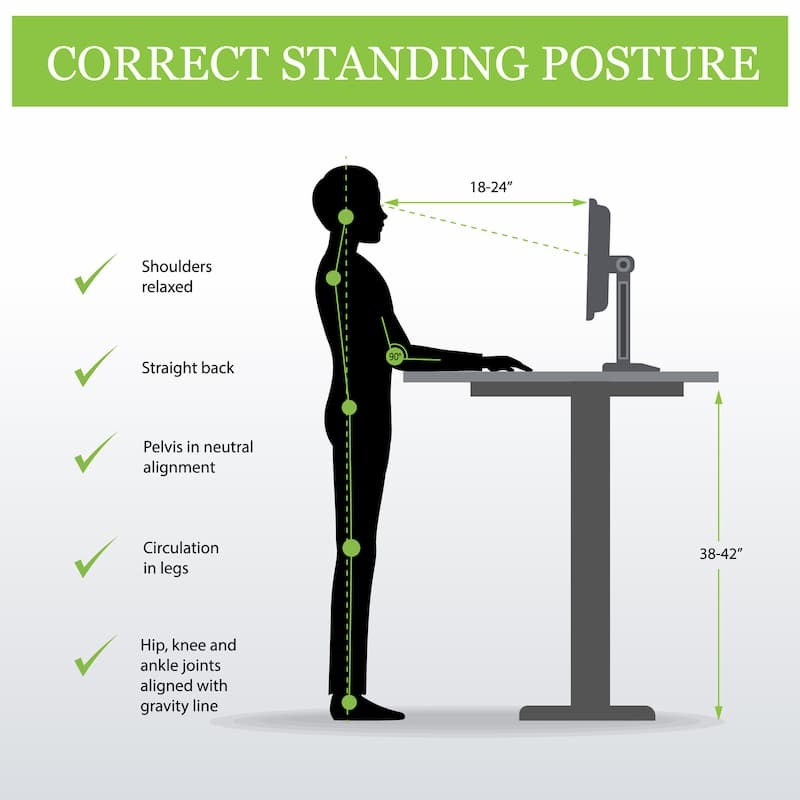
Good posture is not about standing all day. It is about keeping your shoulders relaxed, your wrists in a natural position, and your tools close enough that you are not constantly leaning forward. For artists, the biggest ergonomic win is often reduced strain from repeated reaching and a better line of sight to the work.
A standing desk can help if it lets you alternate positions and keep your work at the right height for the task. But if the desk is too tall, too shallow, or shaky, it can create more fatigue than it solves. That is why fit matters more than the label “standing desk.”
Best Standing Desk Features for Artists in 2026
When you shop, look past the marketing photos and focus on the features that affect real creative use. The right desk should feel stable, adjust smoothly, and give you enough room to work without clutter.
Height range, adjustability, and sit-stand flexibility
Artists benefit most from a desk that adjusts through a wide enough range to support both seated and standing work. This is especially useful if you switch between sketching, editing, reading references, and packaging finished pieces. A desk that only works well at one height is less useful in a creative studio.
Manual and electric systems can both work, but the key is whether the movement feels easy enough that you will actually change positions. If you are shopping from a retailer or manufacturer, confirm the adjustment range, control style, and any memory presets before buying.
Desktop size, weight capacity, and wobble control
Surface area is one of the most important specs for artists. A cramped desktop can make even a simple setup feel chaotic, especially once you add a lamp, sketchbook, tablet, or storage tray. Look for a size that suits your medium and the way you spread out while working.
Weight capacity matters too, but it should be read alongside the frame design and wobble control. A desk may technically hold a lot of weight and still feel unstable when raised. If you use a monitor arm, heavy equipment, or layered supplies, check whether the manufacturer gives guidance for load distribution and frame compatibility.
Materials and finishes that suit creative studios
Artists often do better with surfaces that are durable, easy to clean, and visually calm. Matte or softly finished desktops can reduce glare from lamps and windows, while wood-look finishes can warm up a studio without feeling distracting. In a minimalist workspace, a simple white or black top may keep the room visually quiet.
Finish names vary by brand, and the same color can look different in photos, natural light, and real rooms. Always confirm the exact material and care instructions on the product listing before you buy.
If your work involves paint, ink, or adhesives, avoid assuming every “easy-clean” finish behaves the same way. Some surfaces resist marks better than others, and some are more prone to scratching when you use cutting tools or abrasive cleaning cloths.
Which Rooms and Studio Setups Fit a Standing Desk Best?
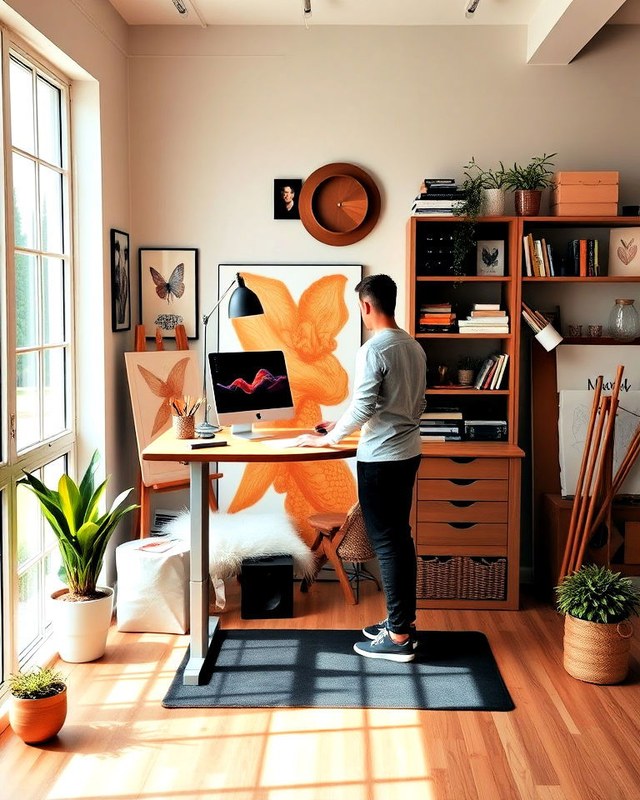
A standing desk fits a light-filled art studio with tools and workspace nearby
A standing desk works best when the room supports the way you actually create. The same desk can feel perfect in one space and awkward in another, depending on light, circulation, and storage.
Home office, spare room, corner studio, and apartment layouts
In a home office, a standing desk often makes sense because it can serve both creative and administrative work. In a spare room or corner studio, the biggest advantage is flexibility: you can build a compact setup that still gives you room to move. In apartments, where every inch matters, a sit-stand desk can help one surface do the job of several pieces of furniture.
The main limitation in small rooms is clearance. Make sure the desk can rise without hitting shelves, windowsills, artwork, or overhead storage. If the room already feels tight, a desk with a slimmer frame or smaller footprint may be easier to live with than a large, imposing model.
Matching the desk to existing decor and workflow
Artists often want furniture that feels like part of the studio rather than office equipment dropped into the room. That means looking at leg finish, desktop tone, edge shape, and how the desk pairs with your chair, stool, shelving, and storage bins. A cohesive workspace can make it easier to settle into creative work.
Try treating the desk as a neutral anchor and let your materials, sketchbooks, and wall art bring in the personality. That approach usually keeps the room flexible as your projects change.
How to Style a Standing Desk for an Artist-Friendly Workspace
Styling a standing desk is not just about making it look good. It is about making the surface easier to use, easier to clean, and less tiring over a long session.
Lighting placement, task lamps, and glare control
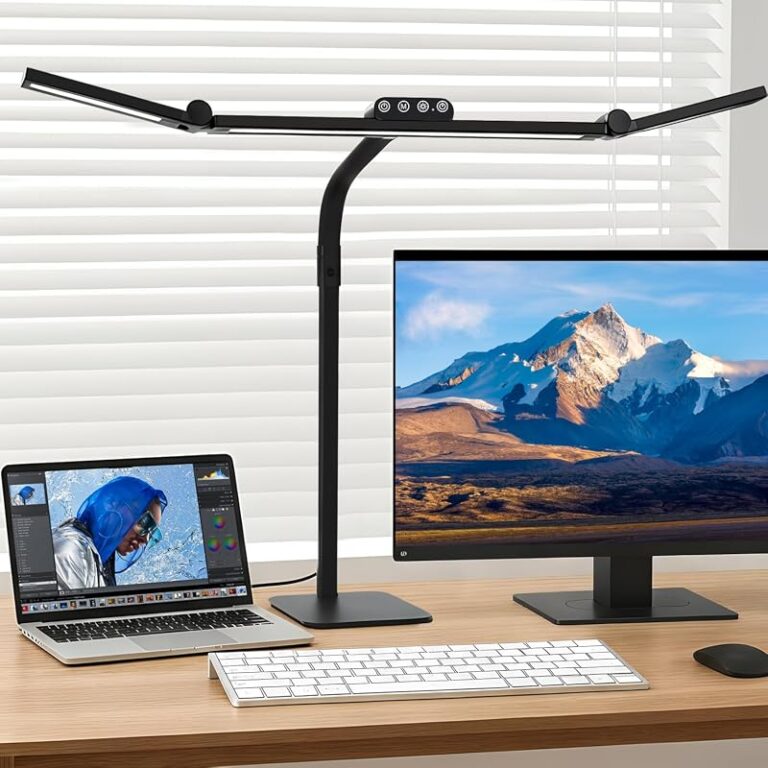
Lighting is one of the biggest factors in whether a standing desk feels useful. Artists need enough light to see details clearly, but too much glare can make a glossy desktop or tablet screen uncomfortable. A task lamp positioned to the side often works better than direct overhead light because it reduces shadows on your hand.
If your desk sits near a window, think about how daylight shifts through the day. A matte desktop, a monitor with anti-glare settings, and a lamp with adjustable direction can help keep the workspace comfortable in different conditions. For more on art lighting at home, see do battery operated picture lights work and do LED lights fade pictures if you are balancing display lighting with artwork care.
Storage, cable management, and keeping supplies within reach
A cluttered desk can undo the ergonomic benefit of standing. Keep the items you use most often within easy reach, and store everything else in drawers, bins, or wall shelving. For digital artists, cable clips and a simple routing plan can make the desk feel calmer and safer to move.
- Keep one “active zone” on the desktop and move backup supplies to nearby storage.
- Use trays or shallow containers to separate tools by project.
- Leave a clear edge of desk space for resting your forearms during detailed work.
If you store paper, prints, or finished pieces nearby, organize them so they are not exposed to spills or direct sunlight. For protective storage ideas, you may also find acid free paper for art storage useful when building a safer studio system.
Visual styling ideas for a calm, inspiring studio
A standing desk does not have to look clinical. Simple styling choices like a warm desk lamp, a ceramic supply cup, a small reference shelf, or one framed print can make the workspace feel intentional without adding clutter. The goal is to create visual calm so the desk supports focus rather than competing for attention.
If you like a more gallery-like feel, keep the color palette restrained and repeat a few materials across the room. Wood, matte metal, and neutral storage pieces often work well in a creative office because they do not overpower the art itself.
Benefits and Limitations: Where Standing Desks Help Artists Most
Standing desks can be genuinely helpful for artists, but the benefits are strongest when the desk matches the task. The most honest answer is that they improve some parts of creative work and complicate others.
Pros for focus, movement, and long creative sessions
One major benefit is movement. Being able to shift positions can make long sessions feel less static, especially when you are sorting references, editing digital files, or doing broad planning work. Many artists also find that standing creates a more alert, active mindset for brainstorming and layout decisions.
- Encourages position changes during long work sessions
- Can improve reach and visibility across a larger surface
- Works well for planning, editing, and mixed creative tasks
- May not suit highly detailed work that needs forearm support
- Can cause fatigue if the desk height is not dialed in
- Some models wobble more when raised or loaded heavily
Drawbacks for detailed handwork and fatigue management
Standing is not ideal for every art form. Extremely precise handwork, repetitive brushwork, or any task that benefits from a low, anchored posture may feel less controlled at standing height. Some artists also find their feet and lower back tire faster than expected if they stand without breaks or without a supportive mat.
A good workaround is to use the desk as part of a mixed setup rather than a full-time standing station. Pairing it with a tall stool or drafting-style seat can give you the flexibility to shift between positions without abandoning the desk entirely.
Evidence limits and why comfort is still personal
There is no single desk that can be called the best choice for every artist, because comfort depends on body size, medium, room layout, and work habits. Manufacturer specs can tell you a lot, but they cannot predict how a person will feel after several hours of drawing, painting, or editing.
If you plan to place heavy equipment, multiple monitors, or wet materials on the desk, verify the frame limits and care directions for that exact model. Stability and surface durability can vary widely by brand and size.
That is why it helps to read the official product listing closely and compare it with your own routine. A desk that looks ideal online may still be wrong if it does not fit your body, your tools, or the way you move through a project.
Buying Guide: What to Look For Before You Choose One
If you are shopping for an artist-friendly standing desk, start with use case rather than aesthetics. The best purchase is the one that fits your medium, your room, and your working style.
Manual vs electric models, budget tiers, and build quality
Manual desks can be appealing if you want a simpler mechanism or a lower-complexity setup, but electric models are often easier for frequent adjustments. For artists who switch between seated and standing work several times a day, easy movement can matter more than anything else.
Budget also affects build quality, especially frame stability, motor smoothness, and the feel of the desktop surface. Since pricing and availability vary by retailer and size, confirm current details before you decide. When comparing models, focus on the adjustment range, frame construction, and any warranty terms listed by the manufacturer.
Accessories, mats, stools, and monitor arms
Accessories can make a standing desk much more useful for art. An anti-fatigue mat can soften the strain of standing, while a tall stool gives you a halfway position for longer sessions. Monitor arms can free up surface area for digital artists, but only if the desk frame and desktop are designed to handle them safely.
- Measure your room, chair or stool height, and the clearance needed for the desk at its highest setting
- Check desktop depth so your tools, screen, and forearms fit comfortably
- Confirm frame stability, load guidance, and care instructions for the finish you want
- Plan for storage, cable routing, and a lamp or task light if you work at night
Common mistakes artists make when sizing or placing a desk
One common mistake is choosing a desk that is too shallow for both art tools and a screen. Another is forgetting that standing height changes the way light falls across the surface, which can create shadows or glare in the wrong spot. A third is placing the desk in a location that looks good in photos but does not leave enough room to move around it comfortably.
It is also easy to overlook what happens when the desk is fully loaded. A setup that feels stable when empty can become less secure once you add supplies, devices, and storage. Always think about the desk as part of a complete studio system, not a standalone object.
Care, Maintenance, and Final Verdict for Artists in 2026
A standing desk can stay useful for years if you treat it like working studio furniture. A little regular care helps preserve the surface, keep the frame steady, and prevent small issues from becoming annoying problems.
Cleaning, tightening, and protecting the surface over time
Clean the desktop according to the manufacturer’s instructions, especially if the finish is sensitive to moisture or solvents. Tighten hardware periodically, since repeated height adjustments and daily use can loosen fittings over time. If you use cutting tools, paint, or adhesives, add protective layers so the desktop does not become part of the art process by accident.
For rooms with strong sun exposure or humidity, be extra careful with finishes, paper supplies, and anything stored near the desk. Even a well-made desk can show wear faster if it is placed in a harsh environment without protection.
Who should buy one, who should skip one, and final recommendation
Buy a standing desk if you are an artist who values flexibility, works across multiple mediums, or wants a more active studio routine. It is especially appealing for digital artists, planners, mixed-media makers, and anyone who needs one surface to handle both creative and office tasks.
Skip or rethink it if your work depends on a very stable, low-height surface and you rarely change positions. In that case, a traditional desk, drafting table, or hybrid setup may serve you better. For most artists, though, the best answer is not “standing only” but “adjustable and stable enough to support the way you really work.”
The strongest choice for most artists is a sit-stand desk with a wide height range, a roomy desktop, and a stable frame, because it supports both detailed work and movement. The main limitation is that you still need to verify room clearance, surface durability, and whether your medium calls for a more specialized table.
Frequently Asked Questions

2 Comments