How to Make a Poster Frame From Wood


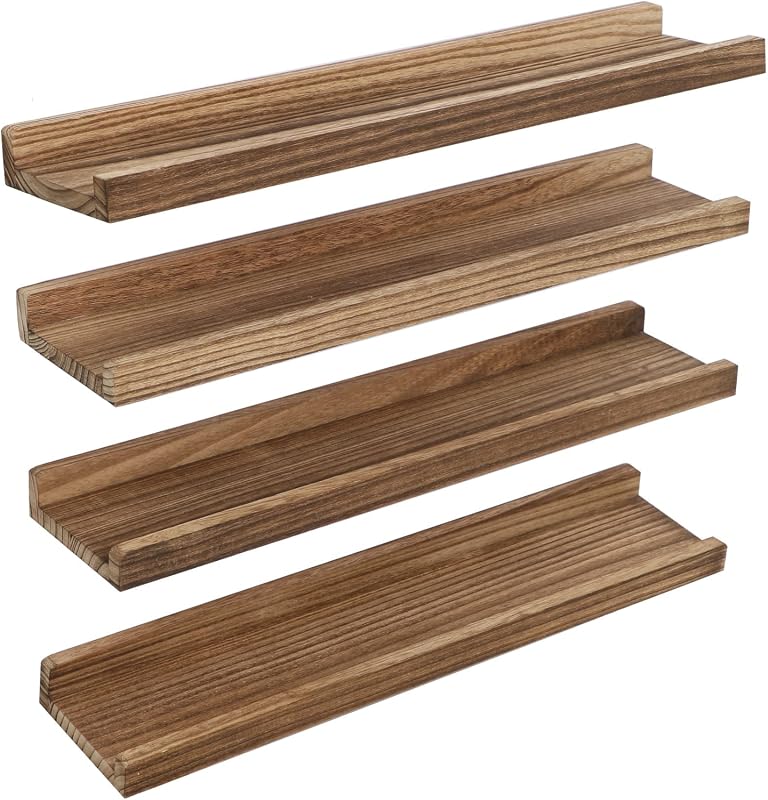
Wood pieces are being prepared to build a poster frame.
Make a wooden poster frame by measuring the print carefully, cutting a square frame, and choosing a simple hold method such as magnets, grooves, or clips. The best result comes from matching the wood tone, frame size, and hanging hardware to the room and the poster’s real dimensions.
How to make a poster frame from wood starts with choosing a clean, stable design that fits your print, your wall, and your room style. A good DIY frame should look intentional, protect the poster from bending, and be simple enough to build with basic tools.
- Measure first: Use the poster’s actual size before cutting any wood.
- Keep it square: Accurate corners matter more than decorative details.
- Choose the hold method: Magnets, grooves, or clips each create a different look and level of security.
- Match the room: Light, dark, or reclaimed wood changes the frame’s visual weight.
- Check the wall: Hanging hardware should suit both the frame weight and the wall type.
How to Make a Poster Frame from Wood: The Simple Answer and What You’ll Need
The simplest version is a four-sided wooden frame sized to your poster, with either a backing board, a shallow groove, or magnetic strips to hold the print in place. If you want the easiest build, keep the profile slim, the corners square, and the hanging hardware matched to the frame’s weight.
Why a Wooden Poster Frame Works So Well in 2026 Interiors
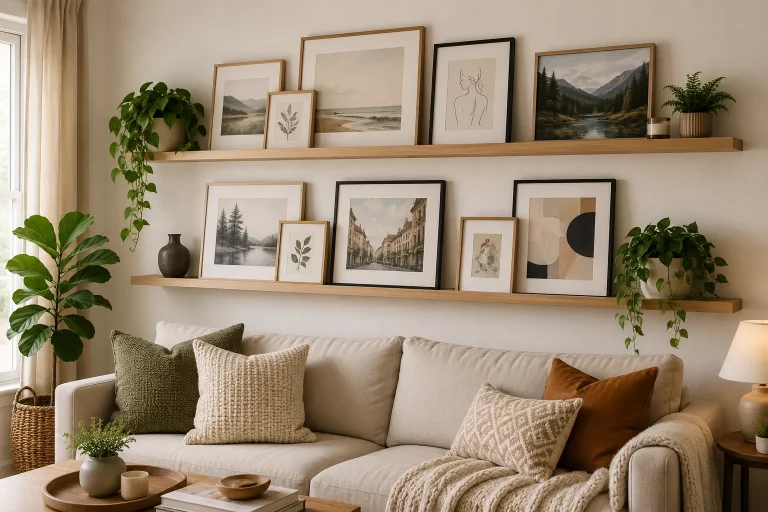
Wooden poster frames remain popular because they soften graphic art without making it feel overly formal. In many rooms, wood adds warmth, texture, and a handcrafted look that works especially well with posters, prints, photography, and typography art.
Natural texture, warmer styling, and a better fit for modern gallery walls
Wood brings visual balance to walls filled with clean lines, neutral palettes, and matte finishes. Compared with glossy or metal frames, it often feels less stark and makes a poster read more like part of the room instead of a temporary decoration.
Think of the frame as a quiet border, not the star of the wall. The best wooden poster frames usually support the artwork rather than competing with it.
Where it suits best: living rooms, bedrooms, offices, studios, and hallways
Wooden poster frames are especially effective in spaces that benefit from a softer, more lived-in atmosphere. They can also help a home office feel less utilitarian and a hallway gallery wall feel more curated.
Materials, Tools, and Wood Specs to Consider Before You Start
Before cutting anything, decide whether the frame is meant to be decorative, protective, or both. That choice affects wood thickness, frame depth, and whether you need glazing or a simple open-face display.
Choosing the right wood: pine, oak, walnut, birch, and reclaimed options
Pine is usually the easiest starting point because it is affordable and easy to cut. Oak and walnut offer a richer look and greater visual weight, while birch gives a cleaner, lighter appearance that suits minimal interiors. Reclaimed wood can look beautiful, but it often needs extra sanding and careful checking for warping or hidden damage.
Wood choice affects more than style. Harder woods may hold up better over time, but they can be less forgiving if your cuts or joinery are slightly off.
Key measurements: poster size, frame depth, glazing choice, and backing board
Start with the exact poster measurements, not the size printed on the packaging. Posters can vary slightly, and a frame that is too tight may curl the edges, while one that is too loose can shift inside the opening.
Frame depth depends on whether you want a flush, floating, or layered look. If you plan to add glazing, backing board, or a mat, account for that thickness before you cut the side pieces.
Hardware essentials: magnets, clips, hanging cord, sawtooth hangers, and wall fixings
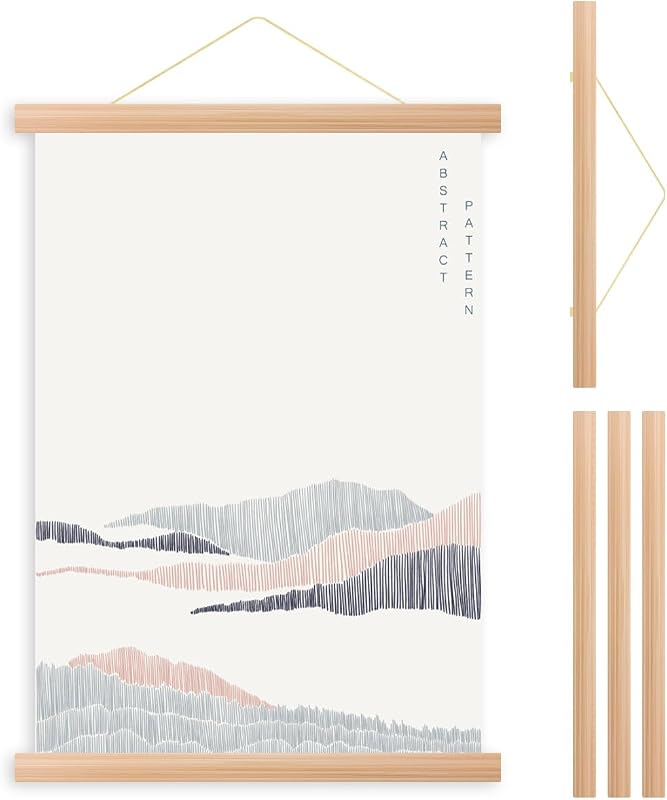
For a simple wooden poster frame, magnetic strips can be a clean way to hold the print without visible fasteners. Clips and clamp-style edges are another straightforward option, while sawtooth hangers or hanging cord work for lighter frames when used with appropriate wall fixings.
Always match hanging hardware to the actual weight of the finished frame, not just the wood alone. For heavier frames or uncertain wall types, check the wall surface and use proper fixings or a professional installer if needed.
Step-by-Step Guide to Building a Wooden Poster Frame
The process is straightforward: measure carefully, cut accurately, assemble square corners, create a secure poster hold, then finish the surface. If you want a more detailed frame method, our guide on how to make a simple frame is a useful companion read.
Measuring and cutting the frame pieces accurately
Measure the poster first, then decide whether the frame will overlap the edges slightly or sit with a visible border. Mark all cuts clearly, and double-check each length before sawing so the top, bottom, and side pieces match exactly.
Measure the artwork and add only the overlap or reveal you actually want.
Use the same angle and reference point for each matching piece so the frame stays even.
Assembling the corners and checking for square alignment
Dry-fit the pieces before applying glue or fasteners. Check the diagonals to confirm the frame is square; if the measurements differ, the frame may look slightly twisted once hung on the wall.
Corner joinery can be as simple as glued butt joints with reinforcement, or more refined with miters, splines, or corner brackets. The best choice depends on your tools and the finish level you want.
Creating the poster hold: magnetic strips, grooves, or simple clamp-style edges
There are three common approaches. Magnetic strips create a clean, modern look; grooves hold the poster more securely but require more precise cutting; and clamp-style edges are the easiest to build when you want a minimal display with quick poster changes.
If you want a more streamlined display method, see our related guide on how to hang a magnetic poster. For readers interested in a slimmer profile, our article on thin wood poster frame explores that look in more detail.
Finishing the frame: sanding, staining, sealing, or leaving the wood raw
Sand the frame thoroughly so the edges feel smooth and the finish takes evenly. You can stain it to deepen the tone, seal it for added protection, or leave it raw for a more natural look if the room is dry and the wood is stable.
- Test the finish on an offcut before applying it to the full frame.
- Let each coat dry fully before assembling or hanging.
- Skipping sanding on visible edges.
- Using a finish that changes the wood tone more than you expected.
How to Size and Place a Wooden Poster Frame for the Best Visual Impact
Good sizing is what makes a DIY frame look deliberate rather than improvised. Placement matters too, because even a beautifully made frame can feel off if it is too small for the wall or hung at the wrong height.
Matching frame size to standard poster dimensions and custom prints
Standard poster sizes are easier to frame because the dimensions are predictable. Custom prints need more careful measuring, especially if the image includes a white border, bleed area, or a crop that should remain visible.
Spacing and layout tips for single frames and gallery wall sets
Single frames usually look best with enough breathing room around them so the poster can stand out. For gallery walls, keep spacing visually consistent across the set, even if the frame sizes differ.
If you are planning a larger composition, our guide to how to frame a large poster can help you think through proportion and scale before you build.
Wall type considerations: plasterboard, brick, concrete, and rented spaces
Different walls need different fixings. Plasterboard may require anchors or studs, while brick and concrete usually need masonry-compatible hardware; in rented spaces, the safest choice is often the least invasive one that still supports the frame securely.
Choosing the right hanging hardware for weight, stability, and safety
Use hardware that supports both the frame’s weight and its width. A wide frame may need two hanging points to sit level, while a lighter frame may work with a single centered hanger if the wall and fixings are suitable.
Styling Ideas: How to Match a Wooden Poster Frame to Your Decor
The right wood tone can make a poster feel integrated with the rest of the room. A frame should echo nearby materials without matching them so closely that the wall looks flat.
Minimal, Scandinavian, rustic, vintage, and contemporary room pairings
Light wood often works well in Scandinavian and minimal rooms, especially with soft neutrals and simple typography. Darker woods suit vintage, moody, or more traditional interiors, while reclaimed finishes can bring warmth to rustic or eclectic spaces.
How to coordinate wood tone with furniture, flooring, and artwork colors
Try to repeat one wood tone already present in the room, such as a table, shelf, or floor finish. If the artwork is very colorful, a quieter wood frame often gives the image room to breathe.
Using wooden frames to elevate posters, prints, photographs, and typography art
Wood frames are especially effective for pieces that need a softer presentation. Posters, black-and-white photography, and typography art often benefit from the warmth of wood because it keeps the display from feeling too stark or commercial.
- Use the same wood tone across a small cluster for a calmer gallery wall.
- Mix frame widths only if the spacing stays consistent.
- Let one framed piece act as the anchor and build around it.
Benefits, Limitations, and Common Mistakes to Avoid
A DIY wooden poster frame can be a smart project when you want control over style and dimensions. It also helps to know where the trade-offs are before you spend time on the build.
Why a DIY wooden frame can be cost-effective and customizable
Making your own frame lets you choose the exact wood, finish, and profile you want. That flexibility is especially useful for unusual poster sizes, custom prints, or rooms where a standard off-the-shelf frame does not feel right.
Limitations: warping risk, inaccurate cuts, and poor poster protection
Wood can warp if it is poorly stored, cut from unstable stock, or exposed to too much humidity. A basic open-frame design also offers less protection than a fully enclosed frame with glazing and a sealed backing system.
Common mistakes: wrong measurements, weak joinery, over-tight hanging, and mismatched proportions
The most common issue is cutting the frame before confirming the final poster size. Other problems include weak corners, hardware that is too small for the finished frame, and proportions that make the poster look crowded or undersized on the wall.
- Custom sizing for unusual prints
- Warm, natural look
- Flexible finish and hardware choices
- Requires accurate cutting and assembly
- Can warp if the wood is unstable
- Less protective unless you add backing or glazing
Care, Maintenance, and Final Recommendation for Hurrell Editions Readers
A wooden poster frame lasts longer when it stays clean, dry, and properly supported. The finish and hanging method matter just as much as the build itself, especially in rooms with changing light or humidity.
Cleaning, dusting, humidity control, and keeping the finish looking fresh
Dust the frame with a soft, dry cloth and avoid harsh cleaners that can dull the finish. If the frame is in a damp area or near direct sun, keep an eye out for movement in the wood, fading, or finish wear.
Even a well-built wooden frame can shift over time if the room is humid or the wall is uneven. Periodically check the hanging points and corner joints so the frame stays secure.
When to choose a DIY wooden poster frame versus a ready-made magnetic hanger
Choose DIY if you want a custom size, a particular wood species, or a frame that feels integrated with built-in shelving, furniture, or wall color. Choose a ready-made magnetic hanger if you want a faster, slimmer, and more changeable display with less measuring and joinery.
For readers comparing display methods, our guide to how to style magnetic poster hangers in an artful home is helpful if you prefer a more minimal route.
Final styling recommendation for a polished, long-lasting wall display
If you want the most polished result, keep the frame simple, the wood tone intentional, and the hanging hardware appropriate for the wall. For many homes, the best version of this project is a slim wooden frame that quietly supports the poster instead of overpowering it.
Frequently Asked Questions
Pine is the easiest budget-friendly choice, while oak and walnut offer a richer look. Birch and reclaimed wood can also work well if the stock is straight and stable.
Measure the actual poster, not just the label size, and decide whether the frame will overlap the edges or leave a reveal. Always account for any backing board, glazing, or magnetic hold system before cutting.
Magnets are great for a clean, changeable display, grooves offer more secure retention, and clips are the simplest option. The best choice depends on how often you want to swap the poster and how finished you want the frame to look.
Use hanging hardware that matches the finished weight and width of the frame. Lighter frames may work with sawtooth hangers or cord, while larger frames often need stronger fixings and sometimes two hanging points.
Start with straight, dry wood and keep the frame away from excessive humidity and direct heat. A good finish and secure hanging method can also help the frame stay stable over time.
DIY is better if you want a custom size, a specific wood tone, or a more built-in look. A magnetic hanger is usually better if you want a faster, slimmer, and easier-to-change display.