How to Use Magnetic Wooden Poster Hanger


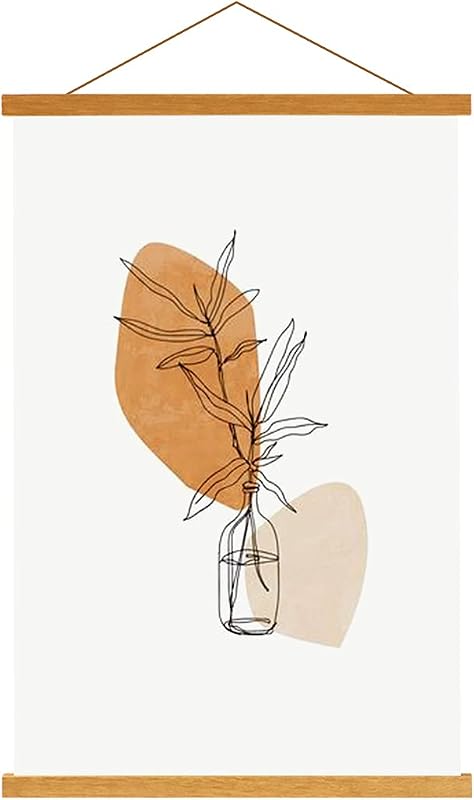
A poster is being secured inside a magnetic wooden hanger.
Place the poster between the magnetic wooden rails, make sure it is centered, and hang the piece with hardware matched to your wall. The best results come from choosing the right width and using prints that are light enough for a frame-free display.
A magnetic wooden poster hanger is one of the simplest ways to display a print without a full frame. The basic process is easy: choose the right width, align the rails, clamp the poster gently, and hang it level with hardware that suits your wall.
- Size first: Match the hanger width to the poster’s actual measured width, not just the label.
- Paper matters: Lightweight posters and standard art prints usually fit best.
- Wall fit: Use hanging hardware appropriate for drywall, plaster, brick, or tile.
- Style advantage: Magnetic wooden hangers work well in relaxed, minimalist, and Scandinavian rooms.
- Know the limit: Valuable, thick, or fragile artwork may need a frame instead.
How to Use a Magnetic Wooden Poster Hanger: The Quick Answer
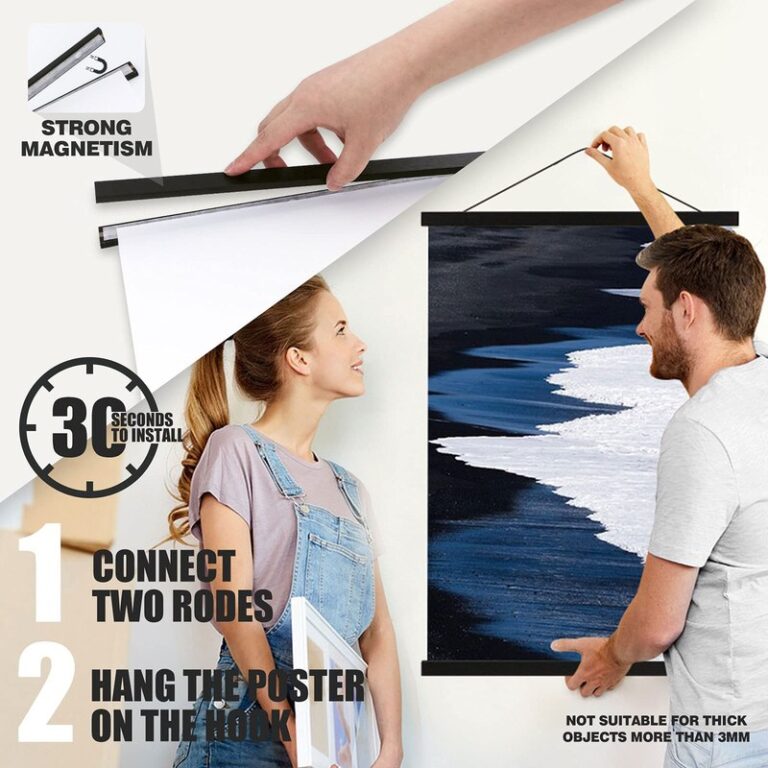
Open the two wooden rails, place the top edge of your poster between the magnets, and make sure the print sits straight before hanging. Then attach the hanger to the wall with the included cord, hooks, nails, or another method recommended by the manufacturer for your wall type.
If you are choosing one for the first time, the most important step is matching the hanger width to the poster size and checking that the paper is compatible with a magnet-style display. For a deeper sizing guide, see how to choose magnetic poster hanger width for prints.
What a Magnetic Wooden Poster Hanger Is and How It Works
A magnetic wooden poster hanger is a minimalist display system made of two slim wooden rails. One rail holds magnets that grip the paper, while the other rail adds weight and helps the print hang flat.
Instead of enclosing the artwork behind glass, the hanger leaves the print visible and easy to swap. That makes it especially appealing for renters, people who like to rotate art, and anyone who wants a softer, more relaxed alternative to a traditional frame. If you want a broader comparison, Hurrell Editions also covers magnetic poster hanger vs traditional poster frame.
How the magnetic grip secures your print without damage
The magnets usually pinch the top and bottom edges of the poster, creating enough hold to keep the print in place without tape or clips. Because the contact area is narrow, the display can feel gentler than adhesives, but it still depends on the strength of the magnets, the thickness of the paper, and how carefully the print is inserted.
The key is to avoid forcing the paper into the rail. If the hanger is the wrong width or the poster is too thick, the grip may be uneven and the print can slip or curl over time. That is why it helps to understand how magnetic poster hangers work for art prints before buying.
Key materials and finishes to look for in 2026
Most buyers will see wooden rails made from natural wood, stained wood, or painted finishes, but the exact material and finish vary by model. In 2026, many shoppers also look for smoother edges, cleaner grain matching, and finishes that suit modern interiors without looking overly glossy.
When comparing options, check whether the listing clearly states the wood type, magnet strength, hanging cord material, and finish durability. If those details are vague, confirm them on the official product page or with the retailer before purchasing.
Choosing the Right Size, Weight, and Poster Format
Size is the first practical decision, and it matters more than many first-time buyers expect. A hanger that is too narrow can crowd the print, while one that is too wide can look unbalanced and draw attention away from the artwork.
Matching hanger width to poster dimensions
As a general styling rule, the hanger should match the print width closely so the rails frame the poster cleanly. Some people prefer an exact width match, while others like a slightly wider hanger for a more substantial visual border. The best choice depends on the artwork, the wall, and the look you want.
For example, a narrow art print can feel refined with a slim hanger, while a larger poster may benefit from a sturdier profile that feels intentional rather than decorative. If you are unsure, use the poster’s actual measured width, not just the nominal size on the packaging, and compare it with the hanger’s stated width.
Paper weight, print thickness, and frame-free display limits
Not every print behaves the same way in a magnetic hanger. Lightweight posters, matte art prints, and standard paper posters usually sit more easily than thick cardstock, textured paper, or laminated surfaces.
Care Note
If the poster is very thick, coated, or unusually delicate, confirm compatibility before hanging. A hanger that is too tight can wrinkle the paper, while one that is too loose can allow the print to shift.
Many buyers use magnetic hangers for unframed art, but there are limits. If the piece is especially valuable, oversized, or sensitive to humidity, a frame or other protected display method may be the better choice.
Step-by-Step: How to Hang a Poster with a Magnetic Wooden Hanger
The setup is straightforward, but careful alignment makes the difference between a casual display and a polished one. If you want a concise install walkthrough, Hurrell Editions also has a dedicated guide on how to hang magnetic poster.
Preparing the print and aligning the top and bottom rails
Lay the poster on a clean, flat surface and make sure the top edge is free of dust, curls, or folds. Open the top rail, center the print carefully, and let the magnets close evenly across the width.
Center the print in the top rail so the margins look even on both sides.
Let the rails meet naturally rather than snapping them together with the paper misaligned.
Attach the lower rail only after the top edge sits straight and the poster hangs evenly.
A small amount of margin above the artwork can look intentional, but too much uneven border will make the display feel off-center. If the paper curls, flatten it first rather than trying to correct it after hanging.
Mounting methods for different wall types and hardware needs
The right mounting method depends on the wall, the hanger weight, and whether the product includes cord or direct-mount hardware. For many lightweight displays, a single centered hook is enough, but some setups need two points for better balance.
Note
Wall type matters. Drywall, plaster, brick, and tile each require different hardware, and the manufacturer’s instructions should always take priority over a generic hanging method.
If you are hanging over a bed, desk, or sofa, make sure the hardware is secure and appropriate for the wall surface. For heavier or oversized pieces, consider professional installation or a more secure wall anchor system.
Getting the height and spacing right for solo prints and gallery walls
For a single poster, place the center at a comfortable viewing height and keep nearby furniture in mind. A print above a console, bed, or desk usually looks best with enough breathing room so it does not feel crowded.
In a gallery wall, keep the spacing consistent between the hanger and adjacent pieces. The wooden rail adds a distinct horizontal line, so uneven gaps become noticeable quickly. If you are building a larger arrangement, the visual balance matters as much as the individual print size.
Styling Ideas: Where Magnetic Wooden Poster Hangers Work Best
These hangers are especially useful when you want the art to feel relaxed, changeable, and slightly less formal than a framed print. They work well in rooms where you want warmth from the wood and a clean line from the minimalist format.
Best rooms for this look: bedroom, living room, office, hallway, and nursery
Bedrooms are a natural fit because the soft wooden rails suit calm, personal spaces. Living rooms and hallways can also benefit from the simple silhouette, especially when the art is meant to feel curated rather than precious.
In a home office, the hanger can make a workspace feel more creative without adding visual clutter. Nurseries often use them for lightweight prints, but placement should be out of reach and away from anything that could be pulled down.
Magnetic wooden hangers are best for rooms that need easy style updates and a lighter visual touch. They are especially strong in bedrooms, offices, and hallways, but less ideal where the artwork needs full protection.
How to match wood tone, poster art, and existing decor
Warm oak tones tend to complement botanical prints, vintage posters, and soft neutral interiors. Darker stains can add contrast to lighter walls, while pale woods blend well with Scandinavian and modern spaces.
Try to echo at least one element already in the room, such as a side table finish, picture ledge, shelf, or floor tone. That small repetition helps the hanger feel like part of the decor rather than an isolated object.
- Match the hanger’s wood tone to one other visible finish in the room.
- Choose artwork with enough border space so the rails do not crowd the image.
- Use the hanger’s horizontal line to echo shelves, benches, or headboards.
Placement tips for minimalist, Scandinavian, vintage, and modern interiors
Minimalist interiors usually benefit from a simple hanger with little visual contrast. Scandinavian rooms often pair well with light wood and soft, muted artwork, while vintage spaces can handle richer wood tones and more graphic prints.
Modern interiors often look best when the hanger is treated as a clean design line rather than a rustic accent. If you want more inspiration for styling, see how to style magnetic poster hangers in an artful home.
Benefits, Limitations, and Common Mistakes to Avoid
Magnetic wooden hangers are popular because they make poster display feel easy and intentional. Still, they are not the right solution for every print, wall, or room.
Why people choose magnetic wooden hangers over frames
People often choose them because they are lightweight, visually simple, and easy to update when the art changes. They also avoid the heavier, more formal look of a framed print, which can be useful in casual rooms or temporary displays.
Another advantage is flexibility. If you rotate seasonal prints, student artwork, event posters, or travel posters, the hanger makes swapping content much simpler than opening and resealing a frame.
Typical drawbacks: slip risk, border visibility, and print compatibility
There are tradeoffs. Some prints can slip if the magnets are weak or the paper is too smooth or too thick, and the wooden rails will always remain visible at the top and bottom of the artwork.
- Easy to swap prints
- Lightweight and low-profile
- Works well for relaxed, modern styling
- Not ideal for every paper thickness
- Less protection than a frame
- Border and rails stay visible
If your poster has a printed border, the rails may cover part of the design. That is not a flaw, but it is something to check before buying.
Common setup mistakes with sizing, leveling, and wall placement
The most common mistake is choosing a hanger by poster name rather than actual measured width. Another frequent issue is hanging the piece slightly crooked, which becomes obvious because the rails create a strong straight line.
- Measure the print before ordering the hanger
- Use a level when placing the wall hook
- Check that the poster hangs clear of furniture edges
- Forcing a thick print into a narrow rail
- Hanging too close to vents or humid areas
- Assuming one hook works for every wall type
For buyers comparing alternatives, it can help to review do magnetic poster hangers damage art prints before deciding whether this format suits the paper you own.
Care, Maintenance, and Long-Term Value
With basic care, a magnetic wooden hanger can last a long time and stay visually appealing. The wood, magnets, and cord each need slightly different attention, especially in rooms with changing light or humidity.
Cleaning the wood and protecting the magnets
Use a dry or slightly damp soft cloth to remove dust from the wood. Avoid soaking the rails or using harsh cleaners, since excess moisture can affect the finish and, depending on the model, may also weaken the overall fit.
Care Note
Keep magnets away from water and check the rails occasionally for dust or grit. Even small debris can reduce the smooth contact that helps the print stay aligned.
If the hanger includes a cord, inspect it from time to time for fraying or stretching. Replace any worn parts rather than continuing to hang artwork on compromised hardware.
When to replace, repair, or upgrade your hanger
Replace the hanger if the magnets no longer hold the print securely, the wood has warped, or the finish is visibly damaged. If the cord or hanging hardware is the only problem, a repair or replacement part may be enough.
An upgrade makes sense when your art becomes larger, heavier, or more valuable than the hanger was originally meant to support. In that case, a frame or more substantial mounting system may be the better long-term choice.
Assessing value: budget options versus premium craftsmanship
Value depends on more than price alone. A lower-cost hanger may be fine for casual posters, but a better-made option can offer smoother edges, stronger magnets, cleaner joins, and a finish that looks more refined on the wall.
Premium craftsmanship tends to matter most when the hanger is part of a prominent display area or when you plan to reuse it often. Before buying, confirm the size, wood finish, included hardware, and care instructions on the official listing or retailer page, since these details can vary by model.
Final Recommendation: Who Should Buy a Magnetic Wooden Poster Hanger
A magnetic wooden poster hanger is a strong choice for people who want an easy, attractive, frame-free way to display lightweight prints. It works best for renters, decorators, artists, and gift shoppers who value flexibility and a clean, natural look.
Best-fit users, rooms, and poster styles
This format is especially well suited to bedrooms, offices, hallways, and calm living spaces. It also pairs nicely with art prints, typography posters, seasonal graphics, and other paper pieces that are meant to be changed regularly.
For the best result, choose a hanger that matches the print width closely, uses a finish that fits the room, and includes hardware appropriate for your wall type.
When to choose an alternative display method instead
Choose another display method if the artwork is valuable, fragile, thick, oversized, or needs stronger protection from dust and handling. A traditional frame, picture ledge, or different mounting system may be more suitable when long-term preservation matters more than easy swapping.
In short, magnetic wooden poster hangers are at their best when you want style, simplicity, and flexibility in one piece. If protection, permanence, or heavy-duty support is the priority, look elsewhere.
Frequently Asked Questions
Open the wooden rails, center the poster edge, and let the magnets close evenly. Then hang the assembled piece with hardware suited to your wall type.
Choose a hanger that matches the poster’s actual measured width as closely as possible. A slightly wider or narrower fit can change the look, so check the product dimensions before buying.
They can be gentle on many lightweight prints, but compatibility depends on paper thickness, finish, and magnet strength. If the paper is thick, coated, or valuable, confirm the hanger is suitable before use.
Not every wall needs the same hardware, so the mounting method should match the surface. Drywall, plaster, brick, and tile may each require different hooks or anchors.
They work especially well in bedrooms, living rooms, offices, hallways, and nurseries. The simple wood-and-paper look suits spaces where you want a relaxed, changeable display.
Dust the wood with a soft cloth, avoid soaking it, and check the magnets and cord for wear. Keep it away from excess humidity and direct conditions that could warp the wood or affect the print.