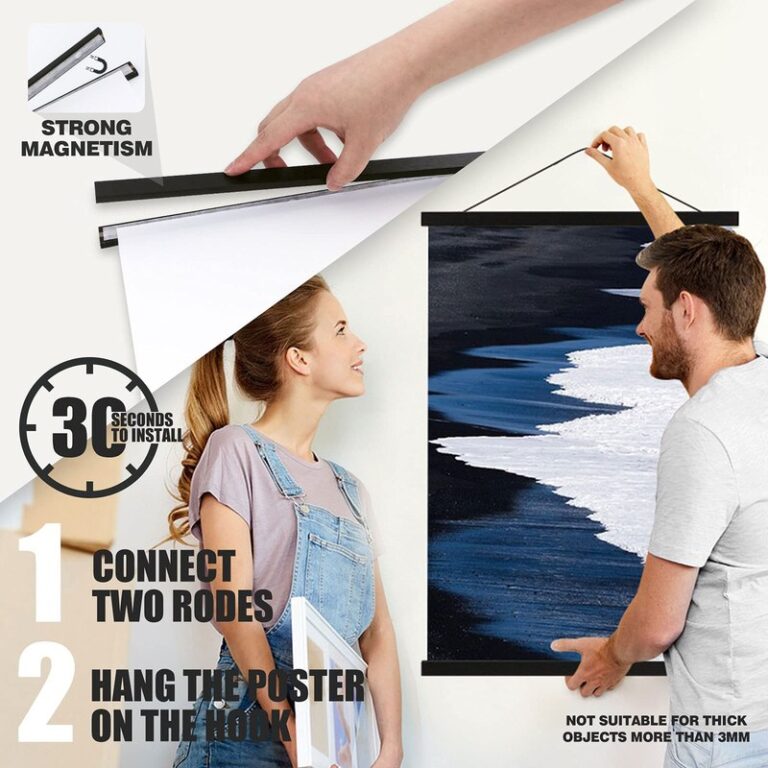
How to Make a Magnetic Poster Hanger at Home

Quick Answer
Make a magnetic poster hanger by cutting two matching strips, adding aligned magnets, and clamping the poster between them. The best results come from careful sizing, smooth edges, and a finish that suits the room.
A magnetic poster hanger is one of the simplest ways to give a print a clean, framed look without enclosing it in glass or a rigid frame. If you want to make one yourself, the process is straightforward: choose two straight strips, add magnets in matching positions, and finish it with a cord or hanging hardware that suits the poster size and room.
- Size first: Match the hanger width closely to the poster width for the cleanest look.
- Magnet choice matters: Strong, evenly aligned magnets help the print stay flat and secure.
- Room scale matters: A hanger that works in a bedroom may look too small in a living.
- Finish affects style: Light wood feels airy; darker tones feel more graphic and formal.
How to Make a Magnetic Poster Hanger: The Quick Answer
Cut two matching strips to the same width as your poster, install strong small magnets in the top and bottom pieces, and clamp the print between them so it hangs flat. The key is to keep the strips straight, the magnets evenly aligned, and the hanger width matched to the poster so the edges do not bow or slip.
What a Magnetic Poster Hanger Is and Why It Works
A magnetic poster hanger uses paired wooden or metal strips to hold a print by pressure rather than by clips, glass, or adhesive. The top strip usually carries the hanging cord, while the bottom strip adds weight so the paper stays visually straight.
It works well because the magnets create a gentle but even grip across the width of the poster. That makes it a good option for posters, art prints, and lightweight paper pieces that you want to display with a minimal, modern feel. For a deeper explanation of the mechanism, see how magnetic poster hangers work for art prints.
Materials, Measurements, and Magnet Strength to Get Right
The materials matter more than the style details at first. Straight strips, properly seated magnets, and a hanger width that matches the poster are what make the finished piece look intentional instead of improvised.
Choosing the right wood, finish, and magnets
Wood is the most common DIY choice because it is easy to cut, sand, and finish. A smooth hardwood or straight-grain softwood can work, as long as it is not warped and does not split easily at the magnet recesses.
For the finish, a clear coat, stain, oil, or paint can all work depending on the room. A natural finish suits neutral interiors, while black or dark walnut tends to feel more graphic and gallery-like. The finish should be fully dry before the magnets or poster touch the strips.
For magnets, use small but strong paired magnets that can hold the paper securely without requiring excessive force to open and close. Exact magnet size and strength vary by design, so confirm the manufacturer’s specifications before buying. If the magnets are too weak, the print may slide; if they are too strong, the paper can crease when you change artwork.
Matching hanger width to poster size
A hanger usually looks best when its width closely matches the poster width rather than floating much shorter or extending far beyond the edges. For many standard prints, that means choosing or making a hanger in the same nominal size as the poster, though the exact fit can vary slightly by trim and paper border.
If you are unsure about sizing, it helps to read a dedicated width guide before you cut anything. Hurrell Editions has a useful reference on choosing magnetic poster hanger width for prints, which can help you avoid a hanger that overwhelms a small print or under-supports a larger one.
Step-by-Step: How to Make a Magnetic Poster Hanger
The build is simple, but accuracy matters. Good alignment at the start saves you from crooked edges, uneven clamping, and a hanger that looks slightly off-center on the wall.
Cutting, sanding, and preparing the strips
If the wood is rough or slightly uneven, the hanger can press harder in one area than another. That uneven pressure is one of the easiest ways to warp a poster over time.
Installing the magnets and aligning the poster
Mark the magnet locations on both strips so the poles line up correctly. The goal is for the magnets to meet evenly across the width, not just at one strong point near the center.
Drill or rout shallow recesses if your magnet design calls for it, then secure the magnets according to the adhesive or fastening method recommended by the manufacturer. Let any glue cure fully before loading the hanger with paper.
To load the poster, align the top edge between the upper and lower strips and close them slowly from one side to the other. This helps prevent the print from shifting or trapping a visible wave in the paper.
Finishing the cord, twine, or hanging hardware
Once the strips are assembled, add a cord, leather lace, waxed twine, or another hanging method that suits the room. The attachment point should sit centered so the hanger hangs level when lifted from one hook or nail.
For a cleaner look, keep the hanging hardware understated and match it to the wood tone or room finish. If you prefer a more contemporary feel, a slim cord often looks better than thick rope.
For installation on the wall, use hardware that suits the wall type and the total weight of the hanger plus poster. If you are hanging on drywall and the piece is large or unusually heavy, check the wall and anchor requirements before choosing hardware. For installation basics, you may also find how to hang a magnetic poster helpful.
How to Size and Place It for Different Rooms
The same hanger can feel relaxed in a bedroom and too small in a living room. Room scale, viewing distance, and surrounding furniture all affect how the piece should be sized and placed.
Living rooms, bedrooms, hallways, and home offices
In living rooms, a magnetic poster hanger usually works best when it has enough visual presence to hold its own above a sofa, console, or sideboard. In bedrooms, softer wood tones and lighter prints tend to feel calmer and less formal.
Hallways often suit narrower posters or vertically oriented prints because the viewing distance is shorter. In a home office, the hanger can help a creative print feel tidy without making the wall look heavy or overdesigned.
- Use a wider print or larger mat-like border effect in bigger rooms.
- Choose a lighter wood tone for airy, Scandinavian, or minimal interiors.
- Keep the print centered relative to furniture, not just the wall.
Wall type, spacing, and hanging height basics
For most walls, the main rule is to hang the piece where it feels visually connected to the furniture below it. In practice, that usually means avoiding placements that are too close to the ceiling or too low to the floor unless the room layout calls for it.
Spacing matters when you are hanging more than one poster hanger in the same room. Keep the gaps consistent so the group reads as intentional. If you want to build a fuller arrangement, compare it with a larger framed approach in how to make a large poster frame or a frameless option in how to hang a large poster without a frame.
Styling Ideas for a Clean, Modern Look
A magnetic hanger can look casual, refined, or distinctly graphic depending on the wood tone, print subject, and wall color. The best results usually come from keeping the components visually simple and letting the artwork do most of the talking.
Matching wood tone, print style, and existing decor
Light oak or ash tones pair well with line art, muted photography, and soft neutral palettes. Walnut, black-stained wood, and darker finishes often suit bold typography, vintage posters, or high-contrast prints.
If the room already has strong materials like brass, black metal, or dark wood furniture, echoing one of those tones in the hanger can make the piece feel integrated instead of added on. For more room-specific ideas, see how to style magnetic poster hangers in an artful home.
Using one hanger versus a gallery wall set
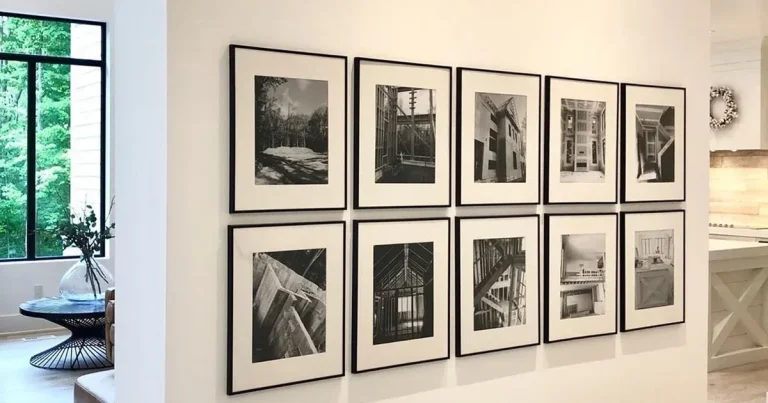
One magnetic hanger can anchor a small wall beautifully if the poster is strong enough on its own. A set of two or three can create a rhythm that feels more collected, especially in a hallway, studio, or reading nook.
The main difference is visual density. One hanger gives a more relaxed, airy look; a grouped set creates structure. If you plan a gallery wall, keep the spacing consistent and avoid mixing too many different hanger finishes in one tight cluster.
Common Mistakes, Limitations, and How to Avoid Them
Most problems with magnetic poster hangers come from sizing, magnet choice, or paper handling rather than the idea itself. A few careful decisions will usually prevent the most common frustrations.
Weak magnets, warped paper, and poor alignment
Weak magnets can let the poster slip, especially if the paper is heavier or the hanger is wide. Poor alignment can make the print tilt, which becomes more noticeable the larger the piece is.
Warped paper is another common issue. If the poster has been rolled tightly, let it relax before hanging, and avoid forcing the strips closed with too much pressure. If the paper has a persistent curl, a magnetic hanger may not flatten it as well as a traditional frame or mounting method.
When a magnetic hanger is not the best choice
A magnetic hanger is not ideal when you need full protection from dust, fingerprints, humidity, or sunlight. It is also less suitable for very thick paper, mounted work, or anything that needs a rigid backing.
If your goal is conservation or long-term display in a bright room, a frame may be the better choice. For shoppers comparing options, Hurrell Editions also has a balanced overview of magnetic poster hanger vs traditional poster frame.
- Clean, lightweight look
- Easy to swap prints
- Works well in casual or modern interiors
- Limited protection for the artwork
- Depends on good magnet alignment
- Not ideal for fragile or valuable pieces
Care, Maintenance, and Value: Is It Worth Making One?
For many decor shoppers and DIY makers, a magnetic poster hanger is worth making because it is relatively simple, visually light, and easy to update. The value depends on whether you want a flexible display system or a more protective frame.
Cleaning, storage, and poster preservation
Dust the wood gently with a dry microfiber cloth. Avoid soaking the finish or using harsh cleaners, especially near the magnets or any glued joints.
When storing the hanger, keep the strips together in a dry place and away from direct sunlight or high humidity. Posters should also be stored flat or in a way that avoids sharp bends, since the hanger cannot correct damage that is already in the paper.
If the poster will be changed often, handle the edges instead of the printed face. That small habit helps preserve the surface and keeps fingerprints from showing up under bright light.
Final recommendation for DIY makers and decor shoppers
If you want a clean, modern way to display art prints without committing to a full frame, making a magnetic poster hanger is a smart DIY project. It is especially appealing for renters, students, home offices, and anyone who likes to rotate artwork often.
Choose it when you value simplicity, easy swapping, and a relaxed gallery feel. Choose a frame instead when protection, rigidity, or archival care matters more than minimalism.
- Match the hanger width to the exact poster width as closely as possible.
- Use aligned magnets and straight strips so the print hangs evenly.
- Pick the finish and wood tone to suit the room, not just the poster.
- Use a frame instead if the artwork needs stronger protection.
Frequently Asked Questions
It should match the poster width as closely as possible for a balanced look. Small trim differences can affect the fit, so measure the print itself before cutting.
Use small paired magnets that are strong enough to hold the paper without forcing it closed. Exact strength varies by model, so check the manufacturer’s specifications before buying.
Yes, especially for minimalist, modern, or gallery-style decor. In larger rooms, choose a hanger and poster size that has enough visual presence to hold its own.
It can crease or mark paper if the magnets are too strong or the strips are rough. Smooth edges and careful alignment help reduce that risk, but fragile art may need a frame instead.
Use hanging hardware that suits the wall type and the total weight of the hanger plus poster. For heavier pieces or uncertain wall conditions, check the hardware requirements before installation.
It can be worth making if you want a custom size, a specific wood finish, or a simple DIY project. Buying may be easier if you want a ready-made option with confirmed dimensions and hardware.