Is Art Portfolio Case Good

Yes, an art portfolio case is good if you need flat, protected, portable storage for artwork. It is less ideal when your work is oversized, rolled, or better kept in archival storage.
is art portfolio case good for your work, your commute, and your presentation needs? In many cases, yes—but only if the size, material, and level of protection match how you actually carry and store art.
- Best use: Flat artwork transport for critiques, meetings, and commuting.
- Key buying factor: Match the case size to your largest regular piece, not just the paper size.
- Material matters: Rigid, semi-rigid, and soft cases offer different levels of protection and portability.
- Common mistake: Overstuffing the case or choosing style over structure.
- Alternative options: Tubes, folders, and archival boxes can be better for specific workflows.
Is an Art Portfolio Case Good? A Straight Answer for Artists, Students, and Creatives
An art portfolio case is a good choice when you need flat, organized, portable protection for drawings, prints, mounted work, or presentation pieces. It is less useful if your work is oversized, unusually thick, highly textured, or better stored in rigid archival conditions.
The real question is not whether portfolio cases are “good” in general, but whether the case fits your workflow. For some people, it is the cleanest way to move work without bending corners; for others, a tube, folder, or archival box may be more practical.
What an Art Portfolio Case Is and Why It Matters in 2026
An art portfolio case is a carrying and storage solution designed to keep artwork flat, protected, and easy to transport. Depending on the model, it may be soft-sided, semi-rigid, or fully rigid, with handles, shoulder straps, zippers, buckles, or reinforced corners.
In 2026, portfolio cases still matter because artists are balancing more hybrid workflows: studio work, classroom critique, client meetings, exhibition prep, and commuting with materials. A good case helps keep work presentable across all of those settings.
Core purpose: protection, presentation, and portability
The main job of a portfolio case is to protect artwork from bending, scuffing, dust, and light moisture while making it easier to carry. It also supports presentation, because a clean case can make your work feel more organized and professional when you arrive at a review or meeting.
That said, portability is only helpful if the case still protects the contents. A lightweight case that flexes too much may be fine for sketches, but not ideal for mounted pieces or finished prints.
Who benefits most: art students, illustrators, photographers, and working artists
Art students often need a case for critiques, portfolio reviews, and moving assignments between home and school. Illustrators and designers may use one to keep prints, concept boards, and client-ready pieces sorted.
Photographers and mixed-media artists also benefit when they need a flat way to carry prints or presentation boards. If you want a broader overview of use cases, our guide on are art portfolio cases good covers the same question from a buying angle.
What to Look for Before Buying an Art Portfolio Case
The best portfolio case is the one that matches your largest regular piece, your commute, and the amount of handling your work will face. A case that looks polished but cannot fit your work safely is not a good value.
- Choose a size that fits your largest common artwork without forcing corners.
- Check whether the interior is flat, padded, or rigid enough for your work type.
- Confirm the closure, straps, and handles feel secure for your commute.
- Review the manufacturer’s care instructions and dimensions before ordering.
Size and capacity: A3, A2, A1, and custom formats
Size is the first thing to get right. Common formats such as A3, A2, and A1 work well for many drawings and prints, but the correct choice depends on your actual artwork, not just the paper size you use most often.
If your work includes mounts, sleeves, or backing boards, the usable interior space matters more than the advertised size. Always check whether the listed dimensions refer to the outside of the case or the usable interior.
Materials and build quality: leather, nylon, polyester, cardboard, and rigid shells
Material affects durability, weight, and presentation. Leather can look refined and age well, while nylon and polyester are often lighter and easier to carry. Cardboard or paper-based cases may work for temporary or budget use, but they usually offer less long-term protection.
Rigid shells give stronger protection against crushing, while soft cases are usually easier to carry and store. The right choice depends on whether your priority is presentation, lightness, or protection.
Manufacturer material descriptions can vary by model and finish. If a listing says “water-resistant,” confirm whether that means the outer fabric, the zipper area, or the case as a whole.
Carrying comfort: handles, shoulder straps, weight, and balance
A case can be technically protective and still frustrating to use if it is awkward to carry. Look for comfortable handles, a strap that suits your preferred carry style, and a layout that keeps weight balanced rather than pulling to one side.
If you commute on foot, by train, or across campus, a lighter case may be more important than a heavily padded one. If you carry valuable finished work, a slightly heavier build may be worth the tradeoff.
Security and weather resistance: closures, zips, corners, and water protection
Closures matter because they help keep the case shut and the artwork flat. Zippers, buckles, and flap systems all have pros and cons, but they should close smoothly and feel secure without stressing the contents.
Weather resistance is also worth checking. Even a good case is not a substitute for keeping artwork out of rain, puddles, or damp car trunks, but water-resistant outer materials and reinforced corners can reduce risk during normal travel.
Do not assume a portfolio case is fully waterproof unless the manufacturer explicitly says so. Moisture can still enter through seams, zippers, or open edges.
How an Art Portfolio Case Compares to Other Art Storage Options
Portfolio cases are one of several ways to store and transport art. The best option depends on whether you need flat transport, rolled transport, archival storage, or a lighter everyday carry solution.
Portfolio case vs portfolio bag
A portfolio bag is usually softer, lighter, and easier to carry than a rigid case. That makes it appealing for students and casual use, especially when the artwork does not need heavy crush protection.
A portfolio case is generally better when you want more structure, better corner protection, or a more formal presentation. If your work bends easily, the case usually has the advantage.
Portfolio case vs art tube
An art tube is best for rolled work, posters, or large sheets that can safely be transported in a curved format. It is compact and practical, but it is not ideal for work that must stay flat.
A portfolio case is better for drawings, prints, mounted work, and anything that should not be rolled. If you need help deciding how to present flat work, our guide on how to use an art portfolio presentation case explains the presentation side in more detail.
Portfolio case vs flat storage folders and archival boxes
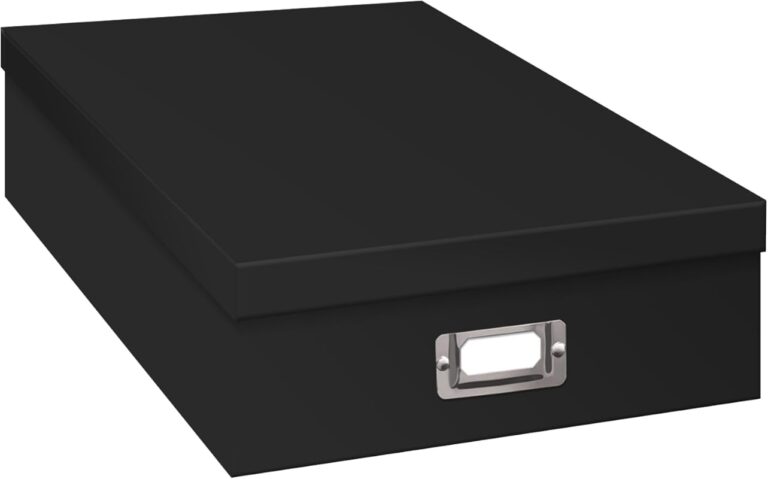
Flat folders and archival boxes are usually better for long-term storage at home or in a studio. They protect work from frequent handling and are often easier to stack on shelves or in drawers.
A portfolio case is better for movement. If you are carrying work regularly, a case gives you more convenience; if the work is staying put, archival storage may be the smarter choice.
Best choice by use case: commuting, portfolio reviews, exhibitions, and storage
For commuting, choose a case that is light enough to carry comfortably and strong enough to resist flexing. For portfolio reviews and client meetings, presentation and finish matter more, so a cleaner, more polished case may be worth it.
For exhibitions, a rigid or semi-rigid case can help protect work in transit. For long-term storage, archival boxes or flat files often make more sense than a travel case.
Who an Art Portfolio Case Fits Best: Room, Lifestyle, and Use Context
Portfolio cases are not just for art school. They can fit into home studios, shared apartments, professional practices, and even small spaces where work needs to stay organized and accessible.
Studio use and keeping work organized at home
At home, a portfolio case can help separate finished work from in-progress pieces and keep prints from being mixed with supplies. That is especially useful in small studios where flat storage space is limited.
If your workspace is tight, a case can also make it easier to move work in and out of a closet, under a bed, or onto a shelf without creating clutter. For more small-space planning ideas, see how to organise art supplies in a small space.
School, university, and critique environments
Students often need a case that can survive repeated handling, crowded hallways, and frequent opening and closing. In that setting, durability and easy access matter as much as appearance.
A case that opens wide and keeps work flat can also make critiques less stressful. It is easier to present your work when you are not fighting bent corners or loose sheets.
Client meetings, exhibitions, and professional presentations
For professional use, a portfolio case can support your brand by making your process look organized and intentional. That does not mean it needs to be expensive; it means it should look clean, appropriate, and aligned with the work inside.
For some creatives, a portfolio case becomes part of the presentation itself. If you are building a more polished client-facing workflow, the case should feel like a tool, not a distraction.
Styling, Presentation, and Professional Impact
Although a portfolio case is functional first, it still influences how your work is perceived. The color, texture, shape, and condition of the case all contribute to first impressions before anyone sees the art inside.
How a portfolio case affects first impressions
A neat, well-kept case suggests care and preparation. A worn, overstuffed, or visibly damaged case can make even strong artwork feel less polished in a meeting or review.
This is one reason the case matters beyond storage. It frames the experience of presenting your work, even if it is not a frame in the traditional sense.
Matching the case to your personal brand or creative practice
Some artists prefer a minimal black case because it recedes and keeps attention on the work. Others may want a more distinctive material or finish that reflects a studio identity or design sensibility.
The best choice is usually the one that feels consistent with your practice. A highly refined case may suit a photographer or illustrator presenting to clients, while a simpler, rugged case may fit a student or field artist better.
Presentation tips for prints, drawings, and mounted work
Keep artwork clean, flat, and sorted in the order you want to show it. If the case has sleeves or dividers, use them to prevent surfaces from rubbing together.
For mounted work, confirm that the thickness still allows the case to close without pressure. If you are preparing pieces for review or sale, our guide on how to use an art portfolio presentation case is a useful companion read.
- Choose a case color that looks clean and professional in meetings.
- Keep the exterior free of dust, tape residue, and dents.
- Use internal sleeves or interleaving sheets for delicate prints.
- Match the case size to your most common presentation format.
Common Drawbacks and Mistakes to Avoid
Portfolio cases solve a lot of problems, but they can create new ones if you buy the wrong style or use them carelessly. Most issues come from size mismatch, overpacking, or expecting the case to do more than it realistically can.
Buying the wrong size or overstuffing the case
The most common mistake is choosing a case that is just barely large enough. Once you add sleeves, mounts, or backing boards, the fit may become tight and stressful on the artwork.
Overstuffing can cause warped corners, pressure marks, and zipper strain. If the case is already full, it is usually time to upgrade rather than force more work inside.
Choosing appearance over protection
A case can look elegant and still be weak in the areas that matter most. Thin panels, weak seams, or flimsy closures may not be obvious from product photos.
Look for evidence of structure, not just style. A polished finish is nice, but it should not come at the expense of basic protection.
Poor handling, bending, and moisture exposure
Even a good case will not protect artwork from rough handling. Repeated bending, setting the case down on wet surfaces, or storing it in humid spaces can still damage the contents.
For that reason, the case should be part of a broader care routine. If you want to create your own custom solution, our article on how to make an art portfolio case is helpful for understanding structure and protection tradeoffs.
- Measure your largest regular artwork before buying.
- Leave a little room for sleeves, mounts, or protective sheets.
- Store the case flat when possible.
- Assuming the listed size equals usable interior space.
- Carrying damp artwork inside the case.
- Using the case as long-term archival storage for every piece.
Care, Maintenance, and Long-Term Value
A portfolio case can last a long time if you clean it appropriately and store it well. Long-term value comes from how reliably it protects your work, not just how good it looks on day one.
Cleaning by material type
Cleaning depends on the outer material. Smooth surfaces may wipe down more easily, while fabric cases often need gentler spot cleaning and more attention to seams, corners, and straps.
For leather or coated finishes, follow the manufacturer’s care instructions instead of using generic cleaners. For nylon or polyester, a soft cloth and mild cleaning approach is usually safer than aggressive scrubbing.
Storage practices to prevent warping, creasing, and wear
Store the case flat or upright in a stable position so it does not bend under pressure. Avoid leaving it in direct sun, near damp walls, or in hot cars for long periods.
If the case contains artwork, keep weight evenly distributed. Uneven pressure can leave the contents curved or creased over time.
Heat, humidity, and pressure can damage both the case and the artwork inside it. If your storage area is damp or very warm, consider a more controlled location.
When a portfolio case is worth the investment
A portfolio case is worth it when it saves you from replacing damaged work, reduces stress during transport, or helps you present more confidently. That value is highest if you regularly move finished pieces or bring work to critiques and meetings.
If you only need occasional storage for a few lightweight sheets, a simpler folder may be enough. But if your artwork matters enough to protect properly, a good case is often a practical investment rather than a luxury.
Final Verdict: Is an Art Portfolio Case Good for You?
Yes, an art portfolio case is good for many artists and creatives, especially when the goal is flat, organized, professional-looking transport. It is not the universal answer, though, because the best choice depends on size, weight, material, and how often you carry the work.
Best for beginners
Beginners should choose a simple case only if they already know their typical artwork size and need a way to keep pieces clean and flat. If you are still experimenting with formats, a flexible portfolio bag or folder may be easier to live with at first.
Best for serious students and professionals
Serious students, illustrators, photographers, and working artists usually get the most value from a well-built portfolio case. It supports repeated use, better presentation, and more reliable protection during commuting or client-facing work.
When to choose an alternative instead
Choose an alternative if your work is rolled, extremely oversized, or better suited to archival storage at home. A tube, flat file, or archival box may be the smarter option when portability is not the priority.
If you are still deciding where to shop, our guide on where to buy art portfolio case can help you compare retailers and product types before you commit.
The best art portfolio case is the one that fits your largest regular work, protects corners without adding unnecessary bulk, and feels comfortable enough to carry often. For most artists, that means choosing function first and style second, while confirming the exact dimensions and care details before buying.
- A portfolio case is a strong choice for flat, portable artwork protection.
- Size, structure, and carrying comfort matter more than appearance alone.
- It is best for commuting, critiques, and presentations, not every storage need.
- Check the manufacturer’s specs and care instructions before purchasing.
Frequently Asked Questions