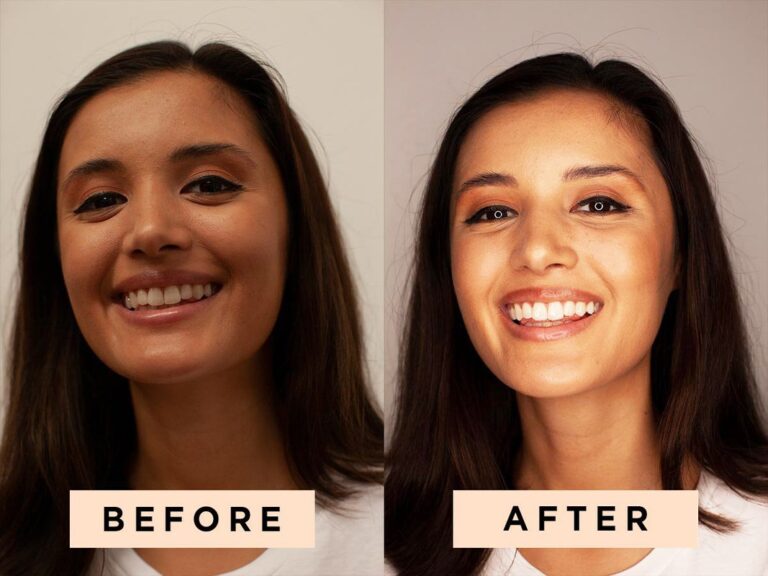
Pictures with Ring Light

Pictures with ring light look best when the light is slightly above eye level, dimmed to a natural level, and placed with enough distance to avoid glare. The most useful models are adjustable, stable, and sized for the room and device you plan to use.
pictures with ring light can look polished, flattering, and surprisingly versatile when the light is placed and balanced well. For portraits, product shots, and social content, the goal is usually soft even illumination rather than maximum brightness.
- Placement matters: Slightly above eye level is usually more flattering than straight-on lighting.
- Controls matter: Brightness and color temperature help you match the room and avoid washed-out photos.
- Room fit matters: Ring lights work best in small desks, vanities, and creator corners.
- Know the limit: They are great for even light, but not ideal for dramatic or highly textured.
Pictures with Ring Light: What They Are and How to Use Them Well
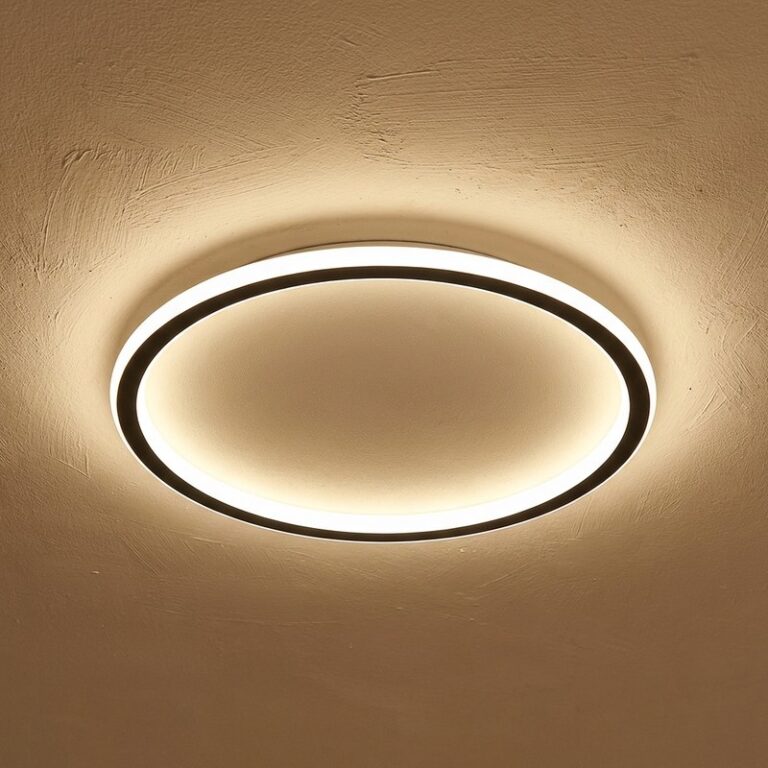
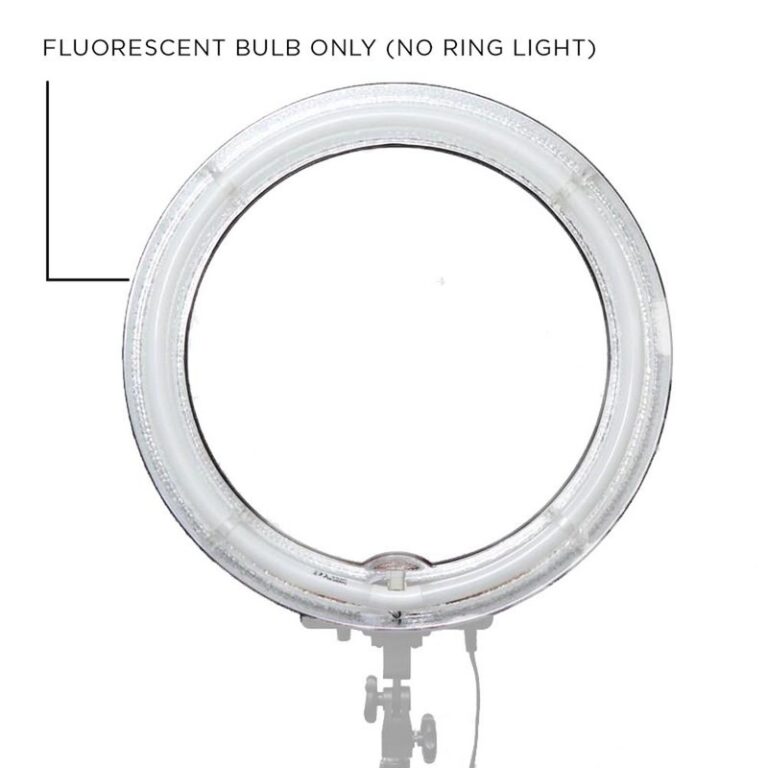
A ring light is a circular light source that helps reduce harsh shadows and create a more even look across the face or subject. It is popular because it can make everyday photos feel cleaner and more intentional without needing a large studio setup.
Quick answer: the best way to get flattering pictures with ring light
Place the ring light slightly above eye level, keep it far enough away to avoid overexposure, and use a brightness setting that lights the subject without washing out skin tone or product detail. If you want the most natural result, pair the ring light with a neutral background and avoid aiming it straight-on at very close range.
How ring lights change the look of portraits, product shots, and social content
In portraits, a ring light tends to soften facial shadows and add a visible catchlight in the eyes. That can be especially useful for selfies, talking-head videos, and makeup content where clarity matters more than dramatic shadow.
For product shots, the same evenness can help minimize uneven lighting on small items like accessories, cosmetics, or desk objects. The tradeoff is that ring lights can make surfaces look a little flat if you are trying to show texture, depth, or a more editorial mood.
For social content, ring lights are often chosen because they are easy to repeat from one session to the next. If you are also learning broader lighting techniques, how to take good pictures with LED lights is a useful companion guide for balancing brightness and shadow in everyday setups.
What to Look for in a Ring Light for Better Pictures
Not every ring light is equally good for photography. The best choice depends on how large your subject is, how much control you want over brightness and color, and whether you need a simple phone setup or a more flexible content-creation rig.
Size, brightness, and color temperature
Size affects how soft the light feels. Smaller ring lights are convenient for desks and close-up selfies, while larger ones usually spread light more evenly across faces and upper-body shots.
Brightness matters because too little light can force you to raise camera exposure, while too much can create shiny skin, blown-out highlights, or a harsh white ring reflection in glasses. Look for dimming control if you plan to shoot in different rooms or at different times of day.
Color temperature is equally important. Many ring lights offer adjustable warm-to-cool settings, which makes it easier to match the room or create a cleaner white look for photos. If the light’s color shifts too far from the rest of the room lighting, pictures can look mixed and unnatural.
Power source, mounting options, and phone or camera compatibility
Power source affects where you can place the light. Plug-in models are usually better for longer sessions at a desk or vanity, while battery or rechargeable options can be more flexible in rooms where outlets are inconvenient.
Mounting options matter if you plan to use a phone, camera, or both. Some ring lights are built around a phone holder, while others are better suited to a tripod or stand that supports a camera setup. Before buying, check the official product listing for compatibility details rather than assuming the included mount will fit every device.
If you are specifically comparing lighting setups for photography rather than general room lighting, how to take pictures with LED lights can help you think through power, placement, and subject distance in a practical way.
Build quality, diffusion, and adjustability
Build quality is worth paying attention to because lightweight stands can wobble, especially on carpet or when the ring light is extended high. A stable base and secure adjustment knobs make a bigger difference than many shoppers expect.
Diffusion helps soften the output. Some ring lights have built-in diffusion, while others rely on the shape of the fixture alone. If you want gentler skin tones or less glare on glossy objects, diffusion is a helpful feature to check.
Adjustability includes tilt, height, and rotation. A ring light that only points one way can be limiting if you want both face-level selfies and angled product shots in the same space.
- Choose a size that matches your shooting distance and room scale
- Confirm brightness and color temperature controls
- Check whether the mount fits your phone or camera
- Review stand stability, tilt range, and included accessories
Which Rooms and Uses a Ring Light Fits Best
Ring lights work best in spaces where you want fast, repeatable lighting and do not have room for a more complex setup. They are especially useful when the surrounding decor is already tidy and you want the light to support the scene rather than dominate it.
Home office, bedroom, vanity, and content-creation setups
A home office is a strong fit because ring lights can improve video call visibility and help create consistent content for work or social platforms. A bedroom vanity also works well, especially when the room already has a mirror, a small tabletop, and limited floor space.
Content-creation corners benefit from ring lights because they are compact and easy to reset. If your room is small, a ring light can be more practical than larger softboxes, especially when storage space is limited.
For bedroom styling, the ring light should feel intentional rather than temporary. If you are building a room that needs both function and a polished look, best gallery picture light for bedroom may also be helpful if you want to think about how light supports the rest of the decor.
Best use cases: selfies, video calls, makeup, small product photography, and livestreams
Selfies and video calls are the simplest use cases because the face is usually close to the camera and benefits from even lighting. Makeup content also benefits from a ring light’s ability to reduce shadow around the eyes and cheeks.
Small product photography is another common use, especially for items with a simple shape and a clean background. Livestreams can benefit from the same consistent illumination, though you may still need to adjust background lighting so the scene does not look too flat.
When a ring light is not the best choice
A ring light is not the best option when you want deep shadows, a soft window-light effect, or a more editorial portrait style. It can also be less effective for large groups, full-body scenes, or products that need texture and side lighting to look dimensional.
If your room already has strong natural light, a ring light may be unnecessary during the day. In that case, a reflector, a diffused lamp, or a different type of LED setup may give you a more natural result.
- Easy to set up in small spaces
- Creates even light for faces and close-up objects
- Useful for repeatable content and video calls
- Can look flat if used too close or too bright
- May create circular eye reflections
- Less flattering for textured or dramatic photography
How to Place a Ring Light for the Most Flattering Pictures
Placement is often more important than the fixture itself. A well-positioned ring light can look soft and polished, while a poorly placed one can make skin shiny, flatten features, or create distracting reflections.
Height, distance, and angle for face and body shots
For face shots, place the ring light slightly above eye level and angle it down gently. That usually gives a more flattering shape to the face than lighting from below or directly straight on.
Distance matters because close placement increases intensity and can exaggerate reflections, while a bit more space usually softens the result. For body shots, step back enough that the light covers the subject evenly without clipping the edges of the frame.
- Keep the light a little above eye level
- Move it back if the face or product looks washed out
- Check the camera preview before starting
- Placing the light too low
- Using maximum brightness by default
- Shooting too close when glasses or glossy surfaces are involved
Background separation and avoiding harsh shadows
To keep the subject from blending into the background, leave some space between the person or object and the wall behind them. That separation helps prevent a flat, pasted-on look and gives the image a little more depth.
Harsh shadows usually appear when the light is too close, too small for the subject, or blocked by the camera angle. If shadows are still visible, adjust the light slightly off-center rather than forcing it directly in front of the lens.
For readers who are also lighting wall art or decor in a room, how to choose a picture light for artwork offers a useful contrast between subject lighting and display lighting.
Simple placement setups for desks, mirrors, and small rooms
On a desk, the easiest setup is usually a ring light on a stable stand behind or just beside the camera. That leaves room for a laptop, notebook, or product surface without crowding the workspace.
At a vanity, place the light so it does not compete with mirror glare. If the room is very small, choose a setup with a compact footprint and manage cables carefully so the base does not become a visual distraction.
In a small room, the best arrangement is often the simplest: one ring light, one background, and a few controlled props. Too many objects can make the light look less effective because the eye has nowhere to rest.
Take a quick test photo at your intended brightness before a full session. Small changes in height or distance can make a bigger difference than increasing power.
Styling Ideas for Pictures with Ring Light in 2026
Ring light photos do not have to look plain or overly technical. With a little styling, they can feel clean, modern, and aligned with the rest of your room.
Creating a clean creator desk or vanity look
A clean creator desk usually works best with a limited color palette, one or two practical accessories, and enough open surface area for the light to do its job. A vanity can feel more polished when the ring light is paired with a mirror, a tray, and a few daily-use items rather than a crowded arrangement.
The key is to make the setup look intentional even when it is functional. A tidy surface helps the lighting read as a design choice rather than a temporary workaround.
Matching the light to modern, minimalist, or glam decor
In modern or minimalist rooms, a ring light with a slim stand and neutral finish tends to blend in better than a bulky setup. In glam spaces, a brighter, mirror-friendly arrangement can work well if the surrounding finishes already reflect light.
If your room has warmer tones, choose a color temperature that does not make the scene feel too blue. If the decor is cool-toned, a neutral white setting often looks cleaner and more cohesive.
Try a soft neutral backdrop, one textured object, and one reflective accent. That combination keeps ring light photos bright without making them feel sterile.
Using props, backdrops, and reflective surfaces without clutter
Props work best when they support the subject instead of competing with it. A notebook, a perfume bottle, a small vase, or a product box can add interest, but too many items can create visual noise in the even light of a ring setup.
Reflective surfaces like glass, acrylic, and polished metal can look attractive, but they also show glare quickly. If you use them, adjust the angle carefully and keep the light slightly off-axis to reduce hot spots.
Benefits, Limitations, and Common Mistakes
Ring lights remain popular because they solve a real problem: many people need better-looking pictures quickly, in small spaces, without learning a full studio workflow. Still, they are not a universal solution, and knowing the limitations helps you get better results.
Why ring lights remain popular for everyday image-making
They are popular because they are straightforward, portable, and predictable. Once you learn a good setup, you can recreate it for portraits, livestreams, or product photos with very little fuss.
That predictability matters for creators and shoppers alike. It also makes ring lights appealing for renters and homeowners who do not want to install permanent lighting or rearrange a room every time they take photos.
Typical drawbacks: flat lighting, eye reflections, and overexposure
The most common drawback is flatness. Because the light comes from close to the camera axis, it reduces shadow and shape, which can be helpful for clarity but less ideal for depth.
Eye reflections are another recognizable feature. They can look appealing in portraits, but if the light is too large in the frame or too close, they may become distracting. Overexposure is also common when the brightness is set too high for the subject distance or room conditions.
Common mistakes to avoid with brightness, distance, and positioning
One common mistake is using the brightest setting by default. Another is placing the light too close to the subject, which can make skin, glass, and glossy packaging look blown out.
Misalignment is also easy to overlook. If the light sits too low or too far to one side, it may create unbalanced shadows that defeat the purpose of using a ring light at all.
If you are using a tall stand, keep it on a stable surface and follow the manufacturer’s setup instructions. For wall-mounted or heavier lighting systems, check the wall type, weight limits, and installation guidance before making any structural changes.
Care, Maintenance, and Long-Term Value
A ring light can last a long time if the stand, cables, and dimmers are treated carefully. Because the value often comes from convenience and consistency, small maintenance habits help preserve that reliability.
Cleaning the light, stand, and phone holder safely
Use a soft, dry cloth for routine dusting and avoid harsh cleaners unless the manufacturer specifically allows them. For plastic or coated parts, gentle cleaning is usually the safest approach.
Phone holders and adjustment knobs should be checked periodically for looseness. If a clamp becomes too tight or too loose, it can affect both stability and device safety.
Storage, cable management, and protecting LEDs and dimmers
When storing a ring light, keep it in a dry place away from crushing pressure or tangled cords. Coiled cables should be wrapped loosely so they do not stress the connection points.
LEDs and dimmers last longer when they are not exposed to unnecessary heat, moisture, or rough handling. If your setup is near a vanity, bathroom, or window, check the manufacturer’s care guidance for any humidity or sunlight limitations.
When a ring light is worth the investment versus a softer light setup
A ring light is worth considering if you need one compact tool for selfies, video calls, and simple content creation. It is especially practical when your room is small and your lighting needs are mostly front-facing.
If you want softer portraits, richer texture, or more advanced control, a diffused soft light setup may be the better long-term choice. The right decision depends on whether you value convenience and repeatability more than flexibility and artistic range.
For most readers, the best ring light is a dimmable, adjustable model with a stable stand and neutral color options. It suits bedrooms, home offices, and small creator corners well, though it will still be less expressive than a broader soft-light setup.
Final Recommendation: Who Should Buy a Ring Light for Pictures
A ring light is a smart buy for people who want cleaner everyday photos without turning a room into a full studio. It is especially useful for renters, home-office users, beauty creators, and anyone who takes frequent selfies, calls, or small product shots.
Best-fit buyer profiles and room styles
It fits best in small to medium rooms with simple, uncluttered layouts. Minimalist bedrooms, vanity corners, and work-from-home desks are especially good matches because the light can stay accessible without overwhelming the space.
It also suits shoppers who want a practical tool rather than a decorative statement piece. If your room style is highly traditional or heavily styled, a ring light may still work, but it will likely need to be tucked away when not in use.
Transparent verdict on value, versatility, and limitations
The value of a ring light comes from convenience, consistency, and ease of use. Its main limitation is that it favors evenness over depth, so it is not the best choice for every photographic style.
If you want dependable pictures with ring light for everyday use, look for adjustable brightness, usable color temperature control, and a stable mounting system. Confirm the latest specifications, included accessories, and warranty terms on the official product page before buying.
Frequently Asked Questions