Ring Light Product Photography

ring light product photography works best for small products that need clean, consistent, sale-ready images. It is a strong choice when you want speed and control, but less ideal for larger items or more dramatic lighting.
ring light product photography is a practical way to make small products look clean, bright, and ready for listing without building a large studio setup. For sellers, makers, and content creators, the appeal is simple: the light is compact, easy to position, and often gives a consistent result with less fuss than a more complex kit.
This guide explains how ring lights work, when they make sense, what to look for before buying, and where they fall short. It is written for readers who want polished product images, not flashy effects.
- Best fit: Small, detail-focused products like jewelry, beauty items, and compact electronics.
- Main advantage: Fast, repeatable lighting that is easy to manage in tight spaces.
- Key specs: Look for dimming, color temperature control, color accuracy, and stable mounting.
- Common risk: Glossy items can show obvious reflections if the angle is not adjusted.
- Bottom line: Use a ring light for consistency; use a broader kit for more depth and.
Ring Light Product Photography: What It Is, Who It Suits, and the Fastest Way to Get Clean, Sale-Ready Images
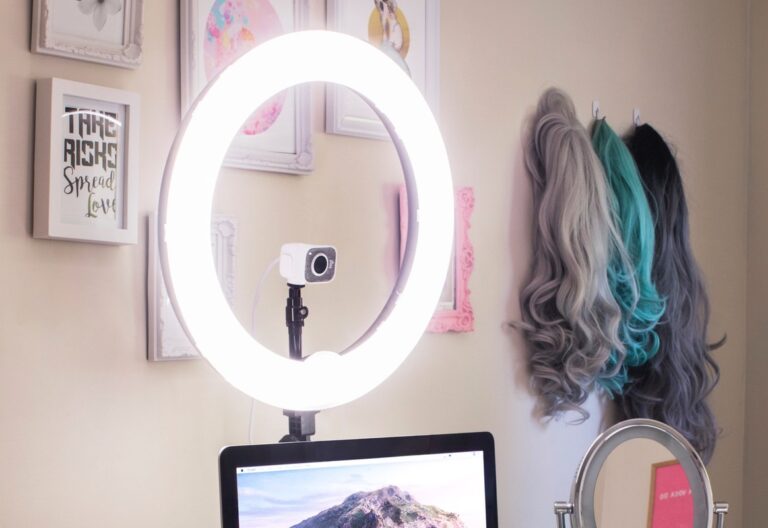
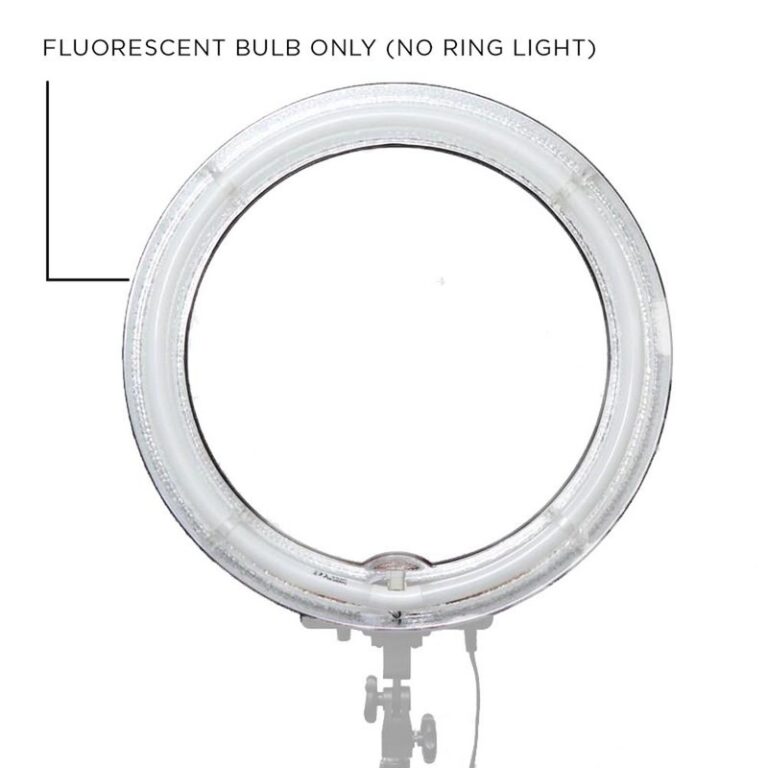
A ring light is a circular light source that surrounds the camera or sits close to it, helping illuminate a subject from the front with minimal setup. In product photography, that usually means more even exposure, fewer harsh shadows, and a straightforward path to clean images for e-commerce, social media, and small brand content.
The fastest way to get usable results is to keep the setup simple: place the product slightly away from the background, position the ring light so it is centered on the item, and adjust brightness before worrying about styling extras. If you need a dependable starting point for product images, a ring light is often easier to manage than a broader studio arrangement, especially in tight spaces.
That distinction matters because not every product benefits from the same look. A ring light can make a small item look crisp and readable, but it will not always create the dimensional, editorial mood some brands want.
How Ring Lights Work in Product Photography: Even Illumination, Catchlights, and Shadow Control
Ring lights work by placing the light source close to the camera axis, which reduces side shadows and helps the subject appear evenly lit. That central placement is especially useful when you need a product to look clear, consistent, and easy to inspect at a glance.
Why ring-shaped lighting flatters small products, reflective surfaces, and detail shots
Small products often benefit from front-facing light because the camera can capture texture, labels, and edges without deep shadow pockets. Jewelry, cosmetics, accessories, watches, and compact electronics are common examples because their details matter more than dramatic lighting.
Reflective surfaces can also show the ring’s circular reflection in a controlled way. That can be helpful for glossy packaging, polished metal, glass, and coated finishes, as long as you manage angle and distance carefully. The circular catchlight can look neat in detail shots, but on some products it may also become visible as a bright reflection that needs to be moved or softened.
The exact look depends on the ring light’s size, diffusion, brightness range, and how reflective the product surface is. Manufacturer photos often show the cleanest case; real-world results vary by finish and placement.
When a ring light is better than softboxes, LED panels, or natural window light
A ring light is often the better choice when you need speed, repeatability, and a very compact setup. It is especially useful for creators working at a desk, a tabletop, or a small corner studio where larger modifiers would take up too much space.
Compared with softboxes, ring lights are usually quicker to position and easier to move. Compared with LED panels, they can give a more centered, symmetrical look. Compared with window light, they offer more control over timing, weather, and color consistency. If you want a deeper comparison of lighting behavior, our guide to what a dimmable picture wall light is is useful for understanding how adjustable light changes the final mood, even though the use case is different.
- Fast setup for small shoots
- Consistent front lighting
- Compact for desks and tabletop work
- Can look flat on some products
- Less coverage for larger items
- May create obvious circular reflections
What to Look for in a Ring Light for Product Photography in 2026
Buying well matters more than buying the brightest model. For product photography, the best ring light is the one that gives you enough control to match your subject, space, and workflow without forcing constant correction later.
Size, output, dimming range, color temperature, and CRI considerations
Size affects both coverage and softness. Smaller ring lights can work for very compact products, but larger diameters usually spread light more evenly across the subject and reduce the harshness of close reflections. Output and dimming range matter because you want enough brightness for your camera settings without blowing out highlights.
Color temperature flexibility is useful if you shoot in mixed lighting or want to match the room more closely. Many buyers look for adjustable warm-to-cool output so the light can adapt to different backgrounds and product finishes. CRI, or color rendering quality, is another important spec because it affects how accurately colors appear. If a manufacturer lists CRI, confirm the figure in the official product details rather than relying on a marketplace summary.
If your products include whites, creams, skin-toned packaging, or saturated brand colors, prioritize color accuracy over maximum brightness. A slightly less powerful light with better color rendering can produce more reliable product images.
Power source, mounting options, phone/camera compatibility, and included accessories
Power source affects where and how you can shoot. USB-powered models are convenient for desk setups, while plug-in versions may offer steadier power for longer sessions. Battery-powered options add mobility, but battery life and recharge behavior vary by model, so verify those details before buying.
Mounting also matters. Some ring lights are designed primarily for phones, while others support cameras, flexible holders, or separate stands. Check whether the mount fits your device, whether the center opening is large enough for your lens, and whether the included stand feels stable enough for your workspace. Accessories such as phone holders, diffusers, remote controls, or tabletop stands can improve value, but only if they are sturdy and actually useful for your setup.
Build quality, heat management, portability, and long-term value
For product photography, durability is less about style and more about consistency. A well-built ring light should hold its position, keep its brightness stable, and survive regular setup and takedown without loose joints or unreliable switches.
Heat management is another practical issue, especially during longer shoots. LED models are generally easier to live with than older hot lights, but the housing, power supply, and diffuser still deserve attention. Portability is helpful for sellers who move between rooms or pop-up spaces, yet long-term value usually comes from a model that is easy to store, easy to clean, and supported by clear manufacturer documentation. If you are comparing lighting options more broadly, our article on how to choose a dimmable picture wall light offers a good framework for evaluating adjustability and build quality.
- Confirm ring size, brightness range, and color temperature controls
- Check whether your phone or camera mount is included and compatible
- Review the official product listing for power source, accessories, and warranty terms
- Make sure the stand, base, or clamp suits your table or studio surface
Best Uses by Product Type and Shooting Style
Ring lights are not universal, but they are excellent in a few specific categories. The best results usually come from subjects that are small, detail-driven, or meant to look clean and approachable rather than dramatic.
Beauty, jewelry, accessories, small electronics, and reflective packaging
Beauty products often benefit from ring light product photography because labels, textures, and container shapes stay readable. Jewelry can also work well, especially when the goal is to show sparkle, scale, and finish without deep shadow.
Accessories such as sunglasses, wallets, watches, hair tools, and small bags can look polished under a ring light when the surface treatment is not overly reflective. Small electronics are another strong fit because buyers usually want to inspect ports, buttons, and screen details. Reflective packaging can be more difficult, but the ring light can still help if you angle the product to avoid a direct mirror-like reflection.
Flat lays, e-commerce listings, social content, and tabletop studio setups
Flat lays are a natural match because the light can be centered above or near the camera line, keeping the composition readable. E-commerce listings also benefit from the predictable look, especially when you need multiple items to feel visually consistent across a catalog.
For social content, ring lights help create a polished, creator-friendly look that works well for short-form videos and quick product demos. Tabletop studio setups are perhaps the most practical use case of all, since the light can stay in one place while you swap products, backgrounds, and props.
Think of the ring light as your “baseline” light: clean, neutral, and repeatable. Then add styling only after the product looks accurate and easy to read.
Placement, Setup, and Styling Tips for Better Product Photos
Good placement usually matters more than fancy gear. A ring light can look surprisingly professional when the product, camera, and background are arranged with intention.
Optimal camera position, product distance, and background selection
Start by placing the camera so the product sits near the center of the ring’s light path. The product should usually be slightly separated from the background so shadows do not merge into a dark edge and make the image feel cramped.
Background choice should support the product, not compete with it. White, light gray, soft beige, and other simple neutral surfaces often work well for listing photos because they keep attention on the item. If you need a more styled look, keep texture subtle and avoid busy patterns that pull the eye away from the product.
Place the item where the camera can see it clearly through or near the ring opening, then adjust height before changing brightness.
Leave enough space behind the product so the background stays clean and does not pick up distracting shadows.
Set brightness after placement, then fine-tune white balance and framing for a more accurate final image.
How to reduce glare, hotspots, and unwanted reflections on glossy items
Glossy products need careful angle control. If the reflection is too strong, move the light slightly higher, lower, or farther from the surface until the hotspot softens. A small change in angle can make a major difference on glass, lacquer, chrome, or wrapped packaging.
Diffusion helps when the ring light includes a softening cover or diffuser panel. You can also reduce glare by increasing the distance between the product and the light, though that may require more output. For highly reflective objects, it often helps to shoot a little off-center rather than directly straight on.
- Test small angle changes before changing the whole setup
- Use diffusion when available
- Check the product surface for visible reflections on screen
- Pointing the light straight at every glossy surface
- Relying on editing to fix severe blown highlights
- Ignoring reflections in packaging, glass, and metal
Simple prop and surface choices that keep the product as the focus
Props should support scale and context, not become the story. A single riser, a neutral tray, a linen swatch, or a matte stone surface can add structure without overwhelming the product. The best surfaces are often the ones that disappear visually and let the item carry the image.
For sellers, restraint is usually the smarter choice. The cleaner the scene, the easier it is for buyers to understand what they are looking at. If the product is the hero, the styling should remain quiet.
Benefits and Limitations of Ring Light Product Photography
Ring lights offer a very specific kind of advantage: they make it easier to get a clean, consistent image quickly. That is valuable, but it is not the same as saying they are the best light for every product or every brand look.
Advantages for consistency, speed, and beginner-friendly results
One of the biggest strengths of ring light product photography is repeatability. Once the light is in place, you can photograph multiple products with a similar look, which is useful for online shops and social feeds that need visual consistency.
It is also beginner-friendly because the setup logic is simple. You do not need a large room or a complicated arrangement to get started. For many people, that lowers the barrier to producing images that look much more polished than ambient room light alone.
Where ring lights fall short: depth, mood, and larger product coverage
The main limitation is that ring lights can flatten a scene. Products may look clear, but they may also lose the shadow variation that gives objects depth, softness, or a more editorial feel. That is not necessarily a flaw for listings, but it matters if your brand image depends on atmosphere.
Coverage is another issue. Larger products may sit outside the ideal light zone, and reflective surfaces can become harder to manage as the item grows in size. In those cases, a softbox or broader LED setup may produce a more natural result.
If your product line includes both small and large items, one ring light may cover only part of your workflow. Many sellers eventually pair it with another light source for wider flexibility.
Transparent verdict on when to use a ring light versus a broader lighting kit
Use a ring light when you want a compact, repeatable, easy-to-manage solution for small products, close-ups, and content that benefits from a clean front-lit look. Choose a broader lighting kit when you need more sculpted shadows, larger coverage, or a softer, more cinematic style.
- You shoot small items often
- You need a fast tabletop workflow
- You want consistent listing images
- You shoot larger products
- You want more depth and mood
- You need flexible multi-light control
Common Mistakes to Avoid When Using a Ring Light
Most disappointing results come from a few predictable problems rather than from the light itself. If you avoid these mistakes, the same ring light can produce much better images.
Overexposure, harsh reflections, flat-looking images, and poor color accuracy
Overexposure is the quickest way to lose detail, especially on white packaging, glass, or metallic finishes. Harsh reflections often appear when the light is too close or too direct, and flat-looking images usually happen when the product needs more separation from the background or a slightly different angle.
Poor color accuracy can be just as damaging as bad exposure because it makes a product look different from reality. That is why color temperature and CRI deserve attention before purchase, not after. If the light cannot render colors reliably, editing can only do so much.
Ignoring white balance, background clutter, and unstable mounting
White balance should be checked whenever you change lighting conditions or switch between mixed light sources. Even a good ring light can look off if the camera is compensating for another color in the room.
Background clutter is another easy mistake. Too many props, cables, or visible supports make the image feel less professional. Finally, unstable mounting can ruin sharpness and consistency, so make sure the stand or clamp is secure enough for your surface and device. If you are comparing lighting accessories for a different kind of display setup, our guide to the best gallery picture light for small spaces shows how compact lighting choices affect visual balance in tighter rooms.
Care, Maintenance, and Buying Value for 2026
Good care extends the life of the light and keeps your images consistent. That matters whether you shoot every day or only for periodic product launches.
Cleaning diffusers, storing cables, checking mounts, and preserving LEDs
Dust and fingerprints can change how light spreads, especially on diffusers and plastic covers. Clean gently according to the manufacturer’s instructions, and avoid harsh cleaners that could cloud the surface or damage finishes.
Store cables without sharp bends, and check mounts, screws, and joints regularly so the light stays stable over time. LEDs themselves usually last a long time, but their performance depends on heat, handling, and power quality. If a model includes a removable diffuser or phone holder, keep those parts together so the whole setup remains usable.
Do not assume every stand, clamp, or arm can safely support every device or table edge. Confirm the product’s mounting instructions, weight guidance, and care notes before regular use.
How to judge value based on durability, included tools, and upgrade potential
Value is not just the sticker price. A ring light earns its keep when it is durable, easy to adjust, and supported by accessories that actually fit your workflow. An inexpensive model can be a smart purchase if it is stable and accurate enough for your needs, while a more expensive one may be worth it if it offers better control, sturdier construction, or more flexible mounting.
Upgrade potential matters too. If you plan to expand your setup later, look for a light that can work alongside other stands, diffusers, or camera tools rather than locking you into a narrow system. Before buying, confirm current availability, included accessories, and warranty terms on the official product page or retailer listing.
The best ring light for product photography is usually a mid-sized, dimmable LED model with adjustable color temperature, a stable stand, and a mount that fits your camera or phone. That combination suits small studios, desk setups, and sellers who need clean images more than dramatic lighting effects.
Final Recommendation: Is a Ring Light Worth It for Product Photography?
Yes, if your work centers on small products, repeatable listings, and a compact shooting area. A ring light is one of the easiest ways to get organized, consistent product photos without building a complicated studio from scratch.
It is less ideal if your brand depends on rich shadow detail, large-item coverage, or a more atmospheric look. In that case, a broader lighting kit may serve you better. For most beginners, small business owners, and creators working at a tabletop, the most practical next step is to choose a ring light with reliable dimming, decent color accuracy, and the right mount for your device.
- Best for small, detail-focused products and fast setup
- Choose size, dimming, color accuracy, and mounting support carefully
- Watch for glare, flatness, and color shifts on reflective surfaces
- Use a broader lighting kit when you need more depth or coverage
2026 refresh: fastest setup for small product photos
For a quick product photography setup, place the item 18 to 30 inches from a clean background, keep the ring light slightly above camera height, and start at low-to-medium brightness. Increase brightness only after the product surface looks clean without blown highlights.
- For jewelry or glossy packaging: angle the product slightly so the ring reflection does not sit directly in the center.
- For matte products: use the ring light straight-on for quick, even detail shots.
- For larger items: switch to a softbox or LED panel setup so the light wraps around the object more naturally.
If your product photos still look flat, compare this approach with softbox vs ring light and the broader setup ideas in softbox lighting kits for product photography.
Frequently Asked Questions