What Are Ring Lights Used For

Ring lights are used for even, close-up lighting that reduces shadows and improves how faces, products, and detail work look on camera. They are most helpful for beauty routines, video calls, livestreams, and small-content setups where space and simplicity matter.
What are ring lights used for? In most homes and content setups, they are used to create bright, even front-facing light that makes faces, products, and close-up details look clearer and more polished.
That simple purpose explains why ring lights show up in beauty routines, video calls, livestreams, and small-photo setups. They are not a magic fix for every lighting problem, but they are one of the easiest ways to improve how a subject looks when space is limited.
- Primary use: Ring lights create bright, even front light for close subjects.
- Best fit: They work well for makeup, skincare, calls, livestreams, and product photos.
- Buying focus: Size, brightness, color temperature, and stability matter most.
- Main limitation: They can look flat or cause glare if overused.
- Smart approach: Match the light to your room, distance, and desired look.
What Are Ring Lights Used For? A Clear Answer for 2026
Ring lights are used to soften shadows, brighten the subject, and produce a clean, centered look that works especially well at close range. Because the light source surrounds the camera or phone lens, the result is usually more even than a single bare bulb pointed from one side.
In practical terms, that means a ring light can help with makeup application, skincare content, remote work, social posts, product demos, and any situation where the subject is close to the camera. They are popular because they are simple to place and easy to understand, not because they replace every other kind of lighting.
How Ring Lights Work and Why Their Shape Matters
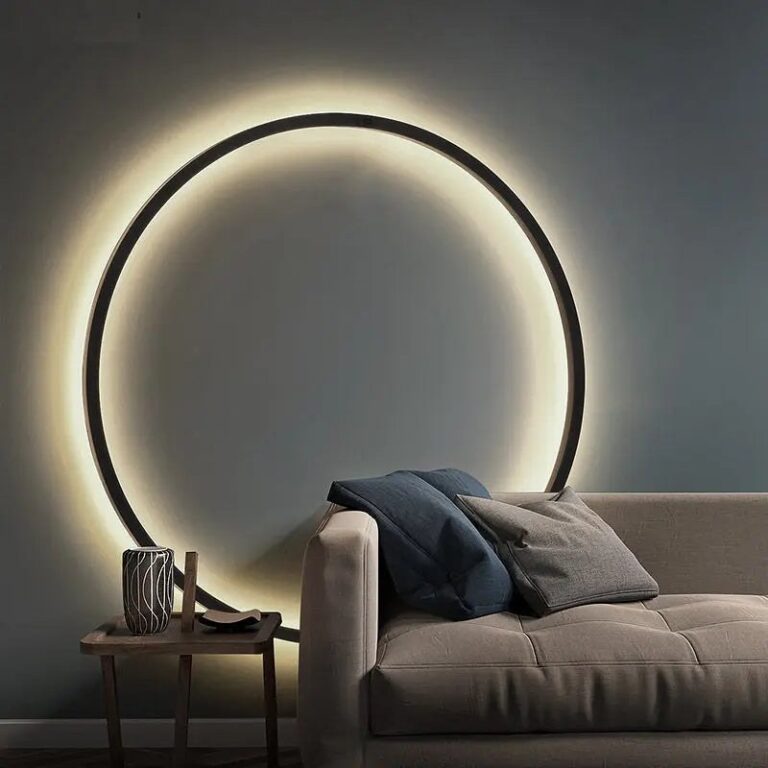
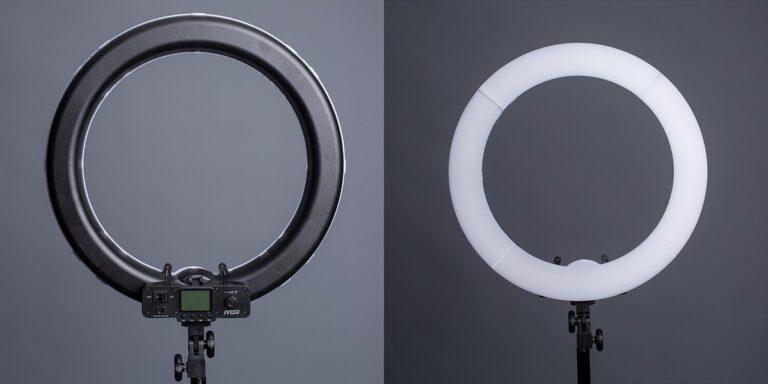
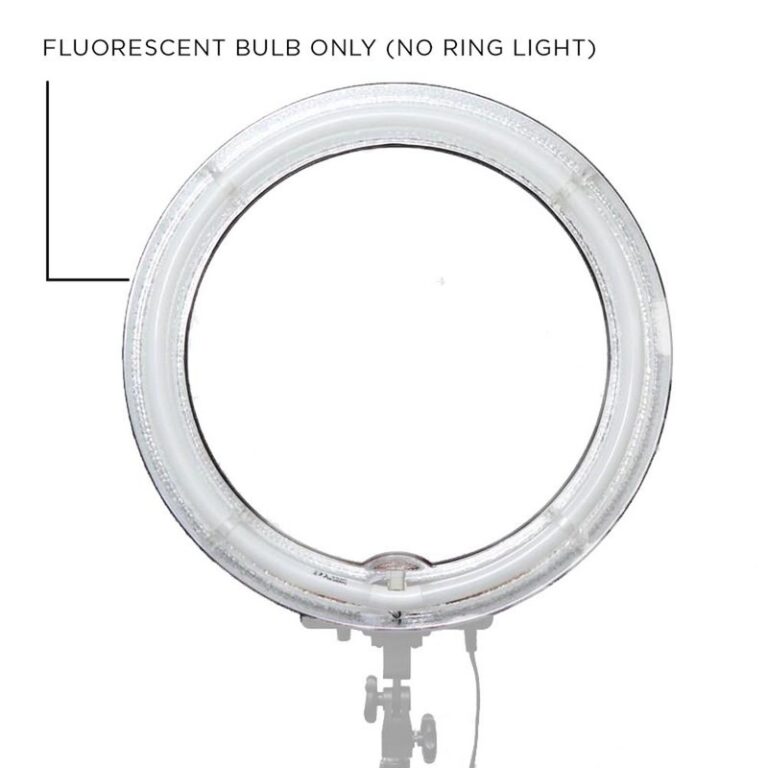
A ring light is shaped like a circle or ring with LEDs arranged around the opening. The camera, phone, or subject is typically placed near the center of that opening, which helps the light wrap around the face or object more evenly.
The shape matters because it changes how shadows fall. Instead of light coming from one side and creating a strong contrast, the circular design distributes light more symmetrically. For readers comparing options, how gallery picture lights work is a useful parallel if you want to understand how lighting placement changes the look of a subject.
Even illumination and reduced shadows
Ring lights are valued for reducing harsh shadows under the eyes, nose, chin, or product edges. That makes them useful when you want a flatter, more readable image for tutorials, portraits, or close-up demonstrations.
This evenness is especially helpful in small rooms where bouncing light off walls is not practical. A ring light can give you a more controlled result without needing a complicated multi-light setup.
Catchlights, glow, and visual appeal
One of the most recognizable effects of a ring light is the circular catchlight it creates in the eyes. Many people like this because it adds a bright, lively look to portraits and video.
The same effect can make skin look smoother and details appear more polished on camera. That said, the look is stylized, so it may not suit every aesthetic if you want a softer, more natural editorial feel.
Ring lights are often favored for close-range work because the camera can sit near the center of the light source, which helps reduce directional shadowing.
Common Uses for Ring Lights in Home, Beauty, and Content Creation
Most ring light use cases fall into three broad groups: personal grooming, communication, and content production. The best choice depends on whether you need flattering face light, readable detail, or a consistent look for repeated filming.
If you are shopping for a creative setup, it also helps to think about the room itself. A ring light that works well on a vanity may feel too bright or too large on a desk, while a compact model may be insufficient for product work.
Makeup, skincare, and grooming routines
Ring lights are popular at vanities because they help reveal tonal differences, blending issues, and grooming details more clearly. That makes them helpful for makeup application, eyebrow shaping, shaving, and skincare routines where even light is useful.
For beauty use, the most important factors are brightness control and color temperature range. A ring light that can shift from warmer to cooler tones is often more flexible, since different looks and times of day may call for different lighting moods.
For vanity setups, a ring light can create a tidy, studio-like look without taking over the whole room.
Photography, video calls, livestreams, and social content
For video calls and livestreams, ring lights help faces look more awake and balanced, especially in rooms with weak overhead lighting. They are also common for short-form video because they are easy to position quickly and keep the subject centered.
In photography, ring lights work best for portraits, beauty shots, and other close subjects where a bright, frontal look is desirable. If your content leans toward art, sketches, or tabletop work, you may also want to compare with the best sketchbooks for beginners if your setup includes drawing demonstrations or process content.
Product shots, crafts, and close-up detail work
Ring lights are often used for product photos, handmade items, and detail-heavy projects because they illuminate the subject evenly and make edges easier to see. Jewelry, cosmetics, stationery, and craft materials are common examples.
For small objects, the ring shape can help reduce distracting shadows that hide texture or color. Still, highly reflective surfaces may need extra care because the circular reflection can appear in glass, gloss, metal, or polished packaging.
- Even front light for close subjects
- Simple setup for small spaces
- Useful for both face and product work
- Can look flat if used alone
- May create visible reflections on shiny surfaces
- Not ideal for dramatic side-lighting effects
What to Look For Before Buying a Ring Light
Before buying, think about what you will light most often and how much room you have for the stand or mount. Many buyers focus only on brightness, but the more useful decision comes from matching the light’s size, controls, and stability to the way you actually work.
Size, brightness, and color temperature
Size affects both coverage and convenience. Smaller ring lights are easier on desks and vanities, while larger models usually spread light more broadly and may work better for upper-body framing or product tables.
Brightness and color temperature matter just as much. Look for adjustable output and, if possible, a range of color temperatures so you can adapt the light to warm interiors, daylight, or mixed lighting. Manufacturer specs vary by model, so check the official listing before buying.
- Choose a size that fits your desk, vanity, or floor space
- Confirm brightness controls and color temperature range
- Check whether the light is meant for face, product, or full-body framing
Power source, controls, and mounting options
Some ring lights plug into the wall, while others are battery powered or USB powered. Each has tradeoffs: plug-in models usually suit stationary setups, while portable versions can be easier to move between rooms or take on the go.
Controls also matter more than many shoppers expect. Built-in dimmers, remote controls, phone holders, and adjustable stands can make a ring light much more convenient if you use it often.
If you plan to use the light for both calls and filming, choose a model with easy brightness adjustment so you are not resetting it every time you switch tasks.
Build quality, materials, and stability
Ring lights vary widely in how sturdy they feel. A lightweight frame may be fine for occasional use, but a taller stand or larger light benefits from a more stable base and better hardware.
Pay attention to the stand, phone holder, and adjustment joints, since these parts usually take the most wear. If the model includes clips, screws, or removable parts, the official care instructions are worth reviewing before you buy.
Choosing the Right Ring Light for Your Room and Setup
The best ring light is the one that fits your room scale and your workflow. A model that looks perfect online can feel awkward if it overwhelms a small bedroom, blocks a desk chair, or leaves no room for your camera angle.
Best fits for bedrooms, desks, vanities, and studios
For bedrooms and vanities, a compact ring light with a smaller footprint is often the easiest to live with. It can sit near a mirror or dresser without making the room feel crowded.
For desks, choose a model that leaves space for a laptop, notebook, or keyboard. For studios or dedicated content corners, a larger stand-mounted light may be more practical, especially if you film standing up or need more vertical coverage.
Placement, height, and background considerations
Ring lights work best when placed close to the camera axis and at a height that flatters the subject. If the light sits too low, it can create unflattering shadows; if it sits too high, it may wash out the top of the face or forehead.
Background also matters. A ring light can make the subject pop, but it will not automatically fix clutter, strong window glare, or a distracting wall color. For room styling ideas that pair well with bright, clean setups, best gallery picture light for small spaces offers a useful perspective on working with limited square footage.
Matching the light to your decor and workflow
Ring lights are often treated as purely functional, but the finish and stand style still affect how a room feels. A slim black model may disappear more easily in a modern office, while a lighter finish may blend better with a soft bedroom palette.
If the setup will stay visible, consider whether the light looks tidy when not in use. Cable routing, stand placement, and storage matter as much as the lamp itself if you want the room to stay calm and uncluttered.
Benefits, Limitations, and Common Mistakes to Avoid
Ring lights are useful because they solve a very specific problem well: close-up, front-facing light in a compact space. Their limitations show up when people expect them to behave like a full studio kit or a natural window replacement.
When ring lights outperform other lighting options
Ring lights often outperform basic desk lamps, ceiling lights, and unmodified overhead fixtures when the goal is a clean face shot or a bright product close-up. They are especially effective when you need repeatable results for calls, tutorials, or quick content creation.
They also tend to be easier for beginners than more complex lighting setups. You can get a usable result with less gear, less space, and less time spent adjusting angles.
Glare, flatness, and overexposure pitfalls
The most common mistake is using too much brightness from too close a distance. That can flatten facial features, blow out highlights, and make skin or shiny objects look harsher than intended.
Glare is another issue, especially on glasses, glossy packaging, mirrors, and polished surfaces. If reflections become distracting, move the light farther away, lower the intensity, or change the angle slightly rather than assuming the ring light is defective.
- Start with lower brightness and raise it gradually
- Test the light with your actual camera or phone
- Adjust height before blaming the color temperature
- Pointing it straight at reflective glass or metal without checking glare
- Using maximum brightness in a small room by default
- Assuming one ring light can replace all other lighting
Alternatives to consider for different results
If you want softer, more directional, or more cinematic light, a ring light may not be the best first choice. A window, softbox, or two-light setup can create a more dimensional look for portraits, interviews, or styled product photography.
For readers deciding between content tools, it can help to think in terms of output rather than category. Ring lights are best when you want simple, centered, efficient lighting; other tools are better when you want depth, shadow, or a more naturalistic mood.
Care, Maintenance, and Long-Term Value
A ring light can last a long time if it is stored carefully and used within its intended setup limits. Most long-term problems come from cable strain, loose joints, dust buildup, or rough handling of the stand and mounting hardware.
Cleaning, storage, and cable management
Dust the light surface gently with a soft, dry cloth and avoid harsh cleaners unless the manufacturer specifically allows them. For LED panels and diffusers, follow the care instructions closely, since finishes and plastics can vary by model.
When storing the light, keep cables loosely coiled and avoid pinching them under heavy items. If the stand folds, make sure the joints are not forced into positions they were not designed to hold.
Do not assume every ring light stand or mounting arm can handle the same load. Check the manufacturer’s weight limits, especially if you add a phone holder, camera, or accessory arm.
Longevity, replacement parts, and value for money
Value depends less on the lowest price and more on whether the light still fits your setup after a few months of use. A slightly better-built model can be worth it if you plan to move it often or rely on it for daily work.
Replacement parts are worth checking before purchase, especially for stands, clamps, adapters, and power components. If a brand offers clear specs, warranty terms, and spare parts information, that is usually a better sign than vague marketing claims.
Final Recommendation: Who a Ring Light Is Best For in 2026
A ring light is best for anyone who needs simple, flattering, close-range light in a bedroom, office, vanity, or small studio. It is especially useful for beauty routines, remote work, livestreaming, and product or craft content where even illumination matters more than dramatic mood.
If you want a clean, easy setup and do not need a full lighting kit, a ring light is a practical choice. If you need more depth, softer shadows, or a larger-room solution, consider it one tool in a broader lighting plan rather than the only answer.
- Ring lights are mainly for even, close-up lighting and shadow reduction.
- They are strongest for beauty, calls, livestreams, and small product shots.
- Size, brightness, color temperature, and stability matter more than flashy extras.
- They work best when matched to the room, subject distance, and desired look.
Frequently Asked Questions