What Size Easel Do I Need for a 16×20 Canvas Exactly

You need an easel rated for at least 24 inches of maximum canvas height, with a tray at least 20 inches wide. A full-size A-frame or H-frame floor easel provides the best stability and working height for a 16×20 canvas.
Figuring out what size easel do I need for a 16×20 canvas is one of the first questions that comes up when you’re ready to paint larger. The short answer: you need an easel with a maximum canvas height rating of at least 24 inches and a tray wide enough to support a 20-inch canvas. But the full answer involves more than just those two numbers, and getting it right saves you from a wobbly setup or a costly return.
- Maximum canvas height: Look for at least 24 inches to comfortably fit a 16×20 canvas.
- Tray width: Ensure the tray is at least 20 inches wide, ideally with adjustable arms.
- Easel type: A-frame for portability, H-frame for stability, tabletop for compact spaces.
- Canvas depth: Check that the top clamp grips gallery-wrap canvases up to 1.5 inches deep.
- Room placement: Position the easel for natural light and enough floor space to step back.
The Straight Answer: What Size Easel Do You Need for a 16×20 Canvas?
A 16×20 canvas measures 16 inches tall and 20 inches wide in the standard landscape orientation. To paint comfortably, you need an easel that holds the canvas securely at a working height that suits your body. That means the easel’s maximum canvas height rating should be at least 24 inches. The extra clearance gives you room to adjust the canvas up or down on the mast without the bottom edge scraping the tray or the top edge slipping past the clamp.
Minimum Height and Clearance Requirements
Manufacturers rate easels by maximum canvas height, not by overall easel height. For a 16×20 canvas, look for a rating of at least 24 inches. This rating accounts for the canvas plus the tray and top clamp, so a 24-inch rating leaves you roughly 8 inches of adjustment room above your 16-inch canvas.
If you prefer painting while standing, the easel itself should extend to about eye level or slightly above. A floor easel with an extended height of 60 to 72 inches will typically position a 16×20 canvas at a comfortable working angle for most adults. Tabletop easels, by contrast, work best if you like sitting or working at a desk.
Why Width Matters Less Than You Think
The 20-inch width of your canvas is rarely the limiting factor. Easel trays are usually wider than the maximum canvas height rating, and most trays can accommodate a 20-inch canvas without issue. What matters more is the tray’s depth and whether the canvas sits securely without tipping forward or backward.
Some manufacturers list both “maximum canvas height” and “maximum canvas width” separately. Always check the height rating first, since that determines whether the canvas will physically fit between the tray and the top clamp.
How Easel Sizing Works: Decoding the Numbers
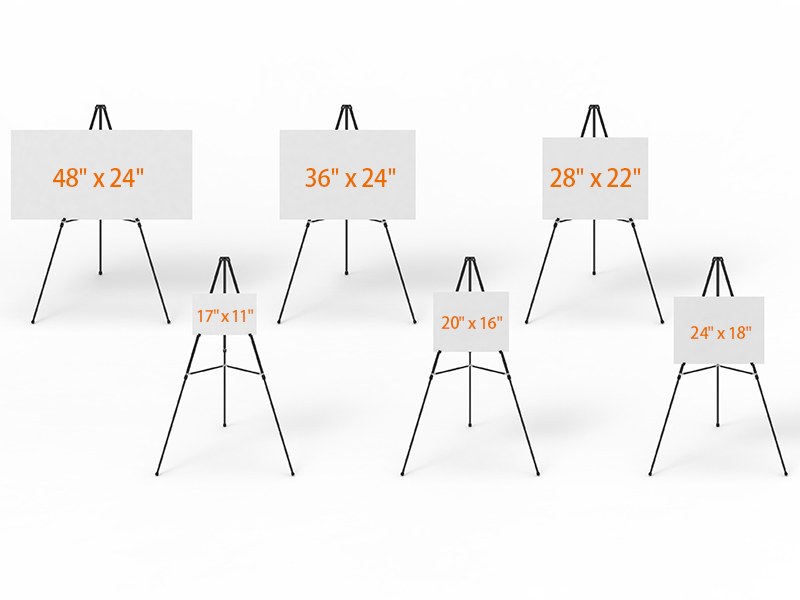
Easel size labels indicate the maximum canvas height they can support.
Easel sizing can feel confusing because brands use different terminology. Understanding a few key measurements will help you compare models with confidence.
Maximum Canvas Height vs. Easel Height
Maximum canvas height is the tallest canvas the easel can hold, measured from the tray to the top clamp. Easel height is the overall height of the stand itself. These are not the same number. A floor easel that stands 72 inches tall might have a maximum canvas height of only 40 inches, because the tray sits above the floor and the top clamp sits below the top of the mast.
For a 16×20 canvas, you need a maximum canvas height of at least 24 inches. Most full-size floor easels exceed this, so the real question becomes whether the easel’s working height suits your body and your preferred painting position.
Understanding Tray Width and Mast Adjustment
The tray is the horizontal ledge that supports the bottom of the canvas. Its width determines whether a 20-inch canvas sits securely. A tray that is at least 20 inches wide will support the full width of your canvas. Some trays are adjustable, with sliding arms that grip the canvas edges, which adds stability for wider pieces.
The mast is the vertical post that runs through the tray and holds the top clamp. A mast that extends smoothly and locks firmly is essential, because you’ll adjust it every time you swap canvases. Test the locking mechanism in the store or read reviews that mention how well the mast holds position during active painting.
The Best Easel Types for a 16×20 Canvas
Different easel styles suit different working habits and spaces. Here’s how the main types handle a 16×20 canvas.
A-Frame (Tripod) Easels: Lightweight and Portable
A-frame easels, also called tripod easels, fold flat and are easy to move around. Most models rated for 24-inch canvases or larger will handle a 16×20 comfortably. They’re a good choice if you paint in multiple rooms or want to take your easel outdoors.
The trade-off is stability. A-frame easels can wobble when you apply pressure with a palette knife or use heavy brushwork. If you tend to paint vigorously, look for a model with a wider footprint or rubber feet.
- Lightweight and portable
- Folds flat for storage
- Affordable entry point
- Can wobble under pressure
- Less stable for detailed work
H-Frame Easels: Studio-Grade Stability
H-frame easels have a rectangular frame with two vertical posts and a horizontal crossbar, giving them a much more rigid structure than A-frames. They’re the standard choice for studio painters who want a stable platform for detailed work. A 16×20 canvas is well within the range of most H-frame easels, and the extra stability is noticeable when you’re working on fine details.
The downside is that H-frame easels are heavier and take up more floor space. If you have a dedicated studio corner, that’s rarely a problem. If you’re working in a small apartment, the footprint might feel intrusive.
Tabletop Easels: Compact but Limited
Tabletop easels sit on a desk or table rather than the floor. They’re compact and inexpensive, but their maximum canvas height is usually limited to around 18 to 24 inches. A 16×20 canvas is right at the upper edge of what many tabletop models can handle.
If you prefer painting while seated, a tabletop easel can work well, especially when paired with a sturdy desk. Just be aware that the canvas will sit lower than it would on a floor easel, which can affect your posture and arm angle. For a deeper look at how tabletop stands compare with wall mounting, see our breakdown of tabletop easel stands versus wall hanging for framed art.
Convertible Studio Easels: Versatility for Growing Artists
Convertible easels combine features from multiple styles. Many can switch between a vertical painting position and a horizontal drawing position, and some fold down for storage. If you’re not sure which painting style you’ll settle into, a convertible easel gives you flexibility.
For a 16×20 canvas, most convertible easels rated for 30 inches or more will handle the job easily. The extra capacity also means you won’t need to upgrade when you move to larger canvases later.
Key Specifications to Check Before You Buy<
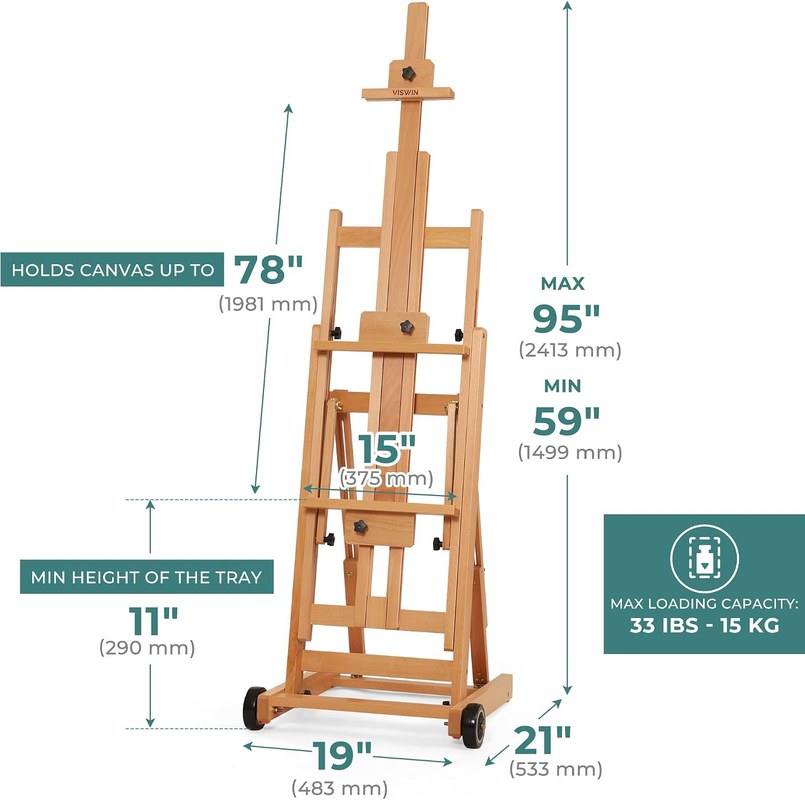
Easel size specifications with a 16×20 canvas placed on the tray.
Easel size specifications with a 16×20 canvas placed on the tray.
/h2>
Beyond the basic sizing numbers, a few specifications determine whether an easel will actually work well for your 16×20 canvas.
Weight Capacity and Canvas Thickness
A 16×20 canvas is lightweight, typically under two pounds even with a gallery-wrap profile. Most easels handle this easily. What matters more is the canvas depth. Gallery-wrap canvases have thicker stretcher bars, sometimes up to 1.5 inches deep, and the top clamp needs to grip securely without slipping. Check that the clamp has enough grip to hold a thicker canvas.
Build Materials: Wood vs. Aluminum vs. Steel
Wooden easels, usually made from beech or birch, offer a classic look and solid stability. Aluminum easels are lighter and resistant to warping but can feel less sturdy under heavy pressure. Steel easels are the most rigid but also the heaviest. For a 16×20 canvas, any of these materials will work; the choice comes down to your budget and whether you value portability or stability more.
Locking Mechanisms and Stability Features
The locking mechanisms on the mast and tray are the parts that wear out first. Look for metal wing nuts or cam locks rather than plastic ones. Rubber feet or floor pads help prevent the easel from sliding, and a wider base adds stability on carpet or uneven floors.
- Maximum canvas height of at least 24 inches
- Tray width of at least 20 inches, ideally adjustable
- Top clamp that grips gallery-wrap canvas up to 1.5 inches deep
- Stable base with rubber feet for your floor type
- Metal locking hardware rather than plastic
Where Your Easel Works Best: Room Placement and Styling
An easel doesn’t have to live in a dedicated studio. With the right placement, it can work well in a living room, bedroom, or home office.
Studio Layouts for Comfortable Painting
If you have a dedicated studio space, position the easel so you can step back to view your work from a distance. A 16×20 canvas benefits from being viewed from about four to five feet away, so leave that much clear floor space in front of the easel. Place the easel near a window for natural light, but avoid direct sunlight on the canvas, which can cause paints to dry unevenly.
Using an Easel as Display in Living Spaces
A floor easel with a finished 16×20 canvas can double as a display stand in a living room or entryway. Choose an easel with a clean, furniture-like design rather than a utilitarian studio model. Wood finishes blend better with traditional decor, while black metal suits modern spaces. If you’re considering wall mounting instead, explore frames for canvas artwork for a more permanent display option.
Lighting Considerations Around Your Easel
Good lighting is essential whether you’re painting or displaying. Position the easel so light falls over your shoulder, not directly into your eyes. A picture light mounted above the easel can illuminate the canvas evenly, especially in darker rooms. For more guidance, check out how to choose a picture light for artwork.
Place your easel so the canvas sits at a slight angle, about 10 to 15 degrees back from vertical. This reduces glare and makes it easier to see the full composition while you work.
Common Mistakes to Avoid When Sizing an Easel
Even experienced artists make sizing errors. Here are the most common ones and how to avoid them.
Buying Based on Canvas Width Instead of Height
The most frequent mistake is choosing an easel based on the 20-inch width of the canvas rather than its 16-inch height. Width matters for the tray, but height determines whether the canvas fits between the tray and the top clamp. Always check the maximum canvas height rating first.
Overlooking Gallery-Wrap Canvas Depth
Gallery-wrap canvases have thicker edges than standard canvases. If the top clamp doesn’t open wide enough, the canvas won’t seat properly. Measure the depth of your canvas before buying an easel, and check that the clamp can accommodate it.
Ignoring Floor Space and Working Height
A floor easel needs more than just the footprint of its base. You need room to move around it, and the canvas needs to sit at a height that lets you paint without hunching. Measure your available space and your own comfortable working height before committing to a model.
Caring for Your Easel and 16×20 Canvas
A good easel can last for decades with proper care. Here’s how to keep yours in shape.
Maintaining Wood and Metal Easel Components
Wipe down wooden easels with a dry cloth after each session. Avoid letting paint solvents sit on the wood, as they can strip the finish. For metal easels, check the locking hardware periodically and tighten any loose wing nuts. A light application of wood polish every few months keeps wooden parts from drying out.
Protecting the Canvas While Mounted
When you’re not painting, cover the canvas with a clean cloth or store it flat. Direct sunlight can yellow the gesso and cause certain pigments to fade. If you’re displaying the finished piece on the easel, rotate it occasionally so the light doesn’t hit the same area constantly.
Adjusting Hardware Over Time
Wood can expand and contract with humidity changes, which may cause locking mechanisms to loosen. Check the mast and tray locks before each painting session and tighten them as needed. If a wing nut strips, replace it rather than forcing it.
Value, Budget, and Final Recommendation
Easel prices vary widely, and the right choice depends on your budget and how often you paint.
Price Ranges for Easels That Fit a 16×20 Canvas
Tabletop easels that handle a 16×20 canvas typically fall in a modest price range, while full-size floor easels cost more. A-frame easels sit in the middle, and H-frame studio easels are the most expensive. Current prices vary by brand, material, and retailer, so it’s worth comparing a few options before deciding.
When It’s Worth Spending More
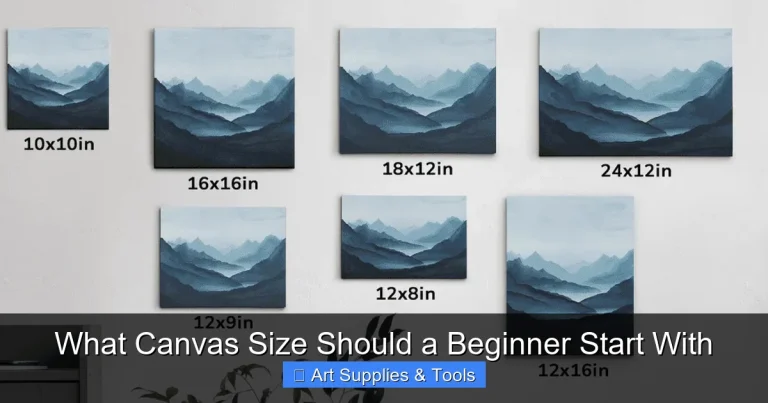
If you paint regularly and plan to work on larger canvases in the future, spending more on an H-frame or convertible easel is a reasonable investment. The stability and build quality justify the higher price. If you’re a beginner or paint occasionally, a well-made A-frame easel offers solid value without overcommitting. For tips on starting with the right canvas size, see our guide on what canvas size a beginner should start with.
Final Verdict: The Ideal Easel for Your 16×20 Canvas
For most artists, a full-size A-frame or H-frame floor easel rated for at least 24 inches of canvas height is the sweet spot. It handles a 16×20 canvas comfortably, gives you room to grow, and provides the stability you need for confident brushwork. If space is tight, a sturdy tabletop easel can work, but be prepared for a lower working height and less stability.
- Look for a maximum canvas height rating of at least 24 inches
- Ensure the tray is at least 20 inches wide, ideally adjustable
- Check that the top clamp grips gallery-wrap canvas depth
- Choose a floor easel for stability, or a tabletop model for compact spaces
- Match the easel material and finish to your studio or living space
Frequently Asked Questions