What Is the Difference Between Sketching and Drawing Pencils

Sketching pencils are usually softer and better for loose, expressive marks, while drawing pencils are often harder or more controlled for clean detail and finished work. The best choice depends on whether you want speed and blending or precision and crisp line quality.
When people ask what is the difference between sketching and drawing pencils, the answer is simpler than the packaging often makes it seem: sketching pencils are usually chosen for speed, looseness, and easy tonal blocking, while drawing pencils are typically preferred for control, detail, and finished line work. In practice, there is plenty of overlap, but the feel on paper, the range of marks, and the final result can differ in subtle and useful ways.
For art lovers, students, and gift-givers, understanding that difference makes it easier to buy the right set for a sketchbook, a home studio, or a thoughtful present. It also helps you choose pencils that suit the mood of your work, whether you want an airy concept sketch or a carefully rendered portrait. If you are still building your kit, it can help to compare pencil choices alongside the best sketchbooks for beginners and a sensible paper surface for your medium.
- Main difference: Sketching pencils favor freedom; drawing pencils favor control.
- Best for shading: Softer grades blend more easily and create richer tone.
- Best for detail: Harder grades hold sharper points and cleaner lines.
- Smart starter set: Choose a few mixed grades instead of one specialized box.
- Paper matters: Surface texture changes how each pencil feels and performs.
What Is the Difference Between Sketching and Drawing Pencils?
The main difference lies in intended use rather than a strict technical rule. Sketching pencils are often selected for exploratory work, where you want to move quickly, test proportions, and build shadows without worrying too much about perfection.
Drawing pencils, by contrast, are usually chosen when the line itself matters more. They are often used for more deliberate mark-making, crisp edges, and controlled detail, especially in finished compositions.
Most graphite pencil sets are graded by hardness and darkness, from very hard leads to very soft ones. That grading system matters for both sketching and drawing, but sketching sets often lean toward a broader, softer tonal range, while drawing sets may include more carefully balanced grades for precision.
Some brands label the same pencil as “sketch” or “drawing” mainly for marketing. The graphite grade, wood casing, and how you use the pencil often matter more than the label on the box.
How Sketching Pencils and Drawing Pencils Behave on Paper
Once a pencil touches the page, the difference becomes easier to feel. A sketching pencil often glides into broad, expressive marks that can be layered and softened quickly, while a drawing pencil may hold a cleaner edge and respond more predictably to pressure changes.
That said, paper choice has a huge influence on performance. A smoother sheet can make a harder drawing pencil feel especially crisp, while a slightly toothier surface can help softer sketching pencils build rich value. If you are comparing paper options as well, our guide to cold press vs hot press watercolor paper is helpful for understanding how surface texture changes mark-making.
Lead softness, hardness, and tonal range
Soft pencils, often found in sketching-oriented sets, lay down darker marks with less pressure. They are useful for shading, gesture drawing, and quick tonal studies because they can move from pale gray to deep charcoal-like value with ease.
Harder pencils produce lighter, sharper lines and tend to hold a point longer. They are often better for technical drawing, underdrawing, and refined details where you want control over line weight and minimal smudging.
For artists who work from loose block-ins to finished renderings, a mixed range is often the most practical choice. A set that includes both hard and soft grades gives you flexibility without forcing you to buy separate kits for every stage of the process.
Line quality, blending, and erasing
Sketching pencils are usually more forgiving when you want to blend with a stump, tissue, or fingertip. Their softer graphite can create atmospheric shadows and smooth transitions, which is one reason they are so popular for portrait studies and quick interiors.
Drawing pencils often leave cleaner, more deliberate lines that are easier to keep distinct. They can still be blended, but they are usually chosen for clarity rather than softness, especially when the goal is structure, contour, or precise drafting.
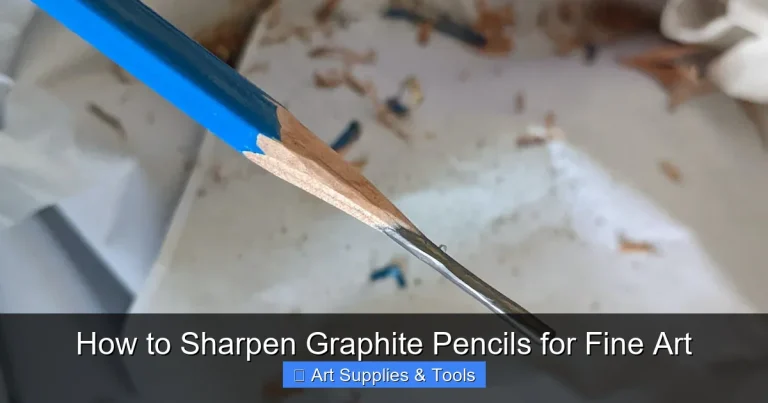
Erasing also feels different. Softer graphite may smear more and can be harder to remove completely, while harder leads often lift more cleanly. If you care about sharp detail, it is worth learning how to sharpen graphite pencils for fine art so the tip stays refined without wasting the lead.
Graphite pencils are graded with letters and numbers because the mixture of graphite and clay changes the hardness. More clay generally means a harder, lighter mark; more graphite usually means a softer, darker mark.
Choosing the Right Pencil for Different Creative Uses
The best pencil depends on what you are making, how quickly you work, and how polished you want the result to feel. A home decorator sketching a room layout, a student taking visual notes, and a portrait artist finishing a study may all need different qualities from the same simple tool.
That is why many artists keep both sketching and drawing pencils in the same case. One set supports exploration; the other supports refinement.
Quick concept sketches, interiors, and visual notes
For fast ideas, sketching pencils are often the better fit. They are excellent for rough compositions, furniture placement, architectural gestures, and the kind of visual note-taking that happens in a café, on a train, or at the edge of a notebook.
Interior enthusiasts often appreciate sketching pencils because they make it easy to map a room, test proportions, or capture a chair silhouette without getting bogged down in detail. The marks can stay lively and open, which suits the early stages of planning.
If you are buying for someone who likes to pair drawing with journaling or design ideas, a pencil set with a few mid-range grades can be more useful than a highly specialized kit. For gift inspiration, our guide to art supply gifts for women who love drawing offers a broader curatorial perspective.
Finished drawings, portraits, and detailed studies
Drawing pencils shine when the work needs clean edges, measured shading, and a more polished finish. Portrait artists often rely on them for eyelashes, hair texture, subtle facial planes, and controlled transitions between light and shadow.
They are also useful for botanical studies, still life, and observational drawing where accuracy matters. A harder or medium-hard pencil can help you establish structure before moving into softer grades for depth and contrast.
If you only want one small set, choose a range that includes at least one harder pencil, one middle grade, and one softer pencil. That gives you enough flexibility to sketch, refine, and shade without overbuying.
Style Trade-Offs: Loose Expression vs Refined Precision
There is a real aesthetic difference between the two pencil types, even when the grades overlap. Sketching pencils encourage a freer hand and a more immediate, expressive look, while drawing pencils tend to support cleaner edges and a sense of intentional finish.
Neither approach is better. The right choice depends on whether you want the page to feel spontaneous, architectural, tender, exact, or somewhere in between.
When sketching pencils suit a more spontaneous look
Sketching pencils are often the better choice when you want energy over perfection. Their softer marks can suggest movement, atmosphere, and mood, which is especially appealing in travel sketches, figure studies, and quick home décor studies.
They can also make a page feel more intimate and handmade. For book lovers and visual diarists, that softness often pairs beautifully with a relaxed, lived-in sketchbook style.
When drawing pencils support clean, controlled results
Drawing pencils are ideal when you want the page to feel composed and deliberate. Their cleaner lines and more predictable response make them a strong choice for measured perspective, line studies, and any artwork where edge quality is part of the design.
They are especially satisfying for artists who enjoy precise contour work or who prefer to build an image slowly, layer by layer. In that sense, drawing pencils often reward patience.
- Loose sketches and expressive studies
- Fast visual notes and composition testing
- Soft shading and tonal blocking
- You need crisp technical lines
- You want minimal smudging
- You prefer a polished, finished look
Curator Recommendations for Building a Practical Pencil Set
For most people, the smartest set is not the largest one. It is the one that covers the widest range of everyday drawing needs with the fewest redundant pencils.
A practical set should let you sketch lightly, darken shadows, and refine details without constantly switching tools or feeling limited by the box.
Starter grades for everyday sketching and drawing
If you are starting from scratch, a small graphite range is enough. Many artists begin with a hard pencil for light construction, a mid-grade pencil for general use, and a softer pencil for shading and emphasis.
That simple trio can handle most beginner practice, from still life studies to room sketches. It also makes sense for students who want one set for class notes, thumbnails, and final assignments.
- Include at least one hard, one medium, and one soft grade
- Choose pencils that sharpen cleanly and feel balanced in hand
- Match the set to your paper texture and drawing style
- Decide whether you want more sketching freedom or drafting precision
Best pencil combinations for artists, students, and gift buyers
For artists, a balanced graphite set is often the most versatile. For students, durability and clarity matter more than a huge grade range. For gift buyers, a well-presented set paired with a sketchbook can feel thoughtful without being overly specific.
If you are curating a present for someone who likes beautiful paper goods and quiet creative rituals, consider pairing pencils with a good notebook or a drawing-focused coffee table book. For broader gifting ideas, our guide to what makes a good gift for an art lover is a useful place to start.
A compact graphite set with a sketchbook and a quality sharpener makes a beautifully practical gift. It feels personal, useful, and easy to enjoy right away, whether the recipient draws at a desk, in a studio corner, or on the sofa.
Price Context and What to Expect at Different Quality Levels
Price can be a helpful clue, but it should not be the only one. Entry-level pencils are often perfectly fine for practice, while mid-range and professional options usually offer better consistency, smoother sharpening, and more reliable grading.
What you pay for is often less about prestige and more about feel, control, and how evenly the pencil behaves across the set.
Budget sets for practice and note-taking
Budget sets are a sensible choice for beginners, classroom use, and casual sketching. They are usually ideal when you want to experiment without worrying about wear, loss, or heavy use.
At this level, look for a set that feels dependable rather than fancy. The best budget pencils are the ones that sharpen without constant breakage and provide a clear difference between grades.
Mid-range and professional pencils for serious artwork
Mid-range pencils are often the sweet spot for most artists because they balance quality and accessibility. They usually offer better graphite consistency, cleaner blending, and a more satisfying hand feel than the cheapest sets.
Professional-grade pencils can be worth it if you draw often, care about tonal nuance, or want tools that support a more refined practice. They are especially appealing for artists who use pencils as a primary medium rather than an occasional tool.
Care Tips for Keeping Pencils Sharp, Clean, and Ready to Use
Good pencil care is simple, but it makes a noticeable difference. Clean tips, proper storage, and the right sharpening habits help preserve both the pencil and the quality of your marks.
For anyone who sketches regularly at home, these small habits keep the process calmer and more enjoyable.
Storage, sharpening, and protecting graphite tips
Keep pencils in a case, tray, or jar where they will not roll, bend, or chip. Softer leads in particular can break more easily if they are tossed loosely into a bag with heavier tools.
Sharpen gently and avoid overexposing the lead if you want a longer-lasting point. A good sharpener or knife technique can make a real difference, especially for detailed drawing. If sharpening is a recurring frustration, our guide on how to sharpen graphite pencils for fine art can help.
Graphite marks can smudge easily, especially on smooth paper or in humid rooms. Keep finished pages protected with a sheet of clean paper between drawings, and avoid stacking soft graphite work directly on top of one another.
Paper choice and maintenance for better results
Paper surface changes everything. A smoother paper tends to suit harder drawing pencils and crisp line work, while a slightly textured sheet can help sketching pencils build tone and grip the surface more naturally.
It is worth testing a few pages before committing to a larger sketchbook. If you are comparing paper for home practice, our article on what paper is best for watercolor at home also offers useful context on paper weight and surface behavior, even beyond watercolor itself.
A good pencil set should feel like an invitation, not an obligation. The right tools make it easier to begin with a loose line, stay curious, and let the page evolve naturally.
Creative Recap: Which Pencil Type Fits Your Art Practice Best?
If your work leans toward quick studies, expressive shading, and exploratory marks, sketching pencils will probably feel more natural. If you prefer precision, clean edges, and a more finished result, drawing pencils are likely the better fit.
For many creative people, the most satisfying answer is not choosing one over the other. It is building a small, thoughtful pencil set that gives you both freedom and control, so your tools support the way you actually make art.
That balance is especially useful in a home filled with sketchbooks, design ideas, and the quiet pleasure of making something by hand. Whether you are buying for yourself, a student, or a thoughtful gift recipient, the best pencil is the one that helps the page feel open and inviting.
Recommended Products
SHOP THIS SETUP
Prismacolor Premier Turquoise Graphite Drawing Pencils, 18-Piece Set
This set is a strong all-around choice for readers comparing sketching and drawing pencils because it includes a wide range of graphite grades, from soft to hard, for both loose sketching and precise drawing. The pencils are smooth, consistent, and widely available on Amazon USA, making them a practical upgrade for artists who want one set that can handle multiple techniques.
Frequently Asked Questions
Not exactly. They can overlap in graphite grades, but sketching pencils are usually chosen for loose, fast work while drawing pencils are often preferred for controlled, finished details.
A small mixed set is usually best for beginners. One hard, one medium, and one soft pencil will cover most practice needs without overwhelming you.
Yes, absolutely. Many artists use drawing pencils for both sketching and finished work, especially if the set includes a range of hardness levels.
Softer pencils contain more graphite and leave darker, looser marks on the page. That makes them easier to blend, but also more likely to smudge.
Portrait work often benefits from a mix of medium and soft grades. Harder pencils can help with structure, while softer ones are useful for shadows, hair, and subtle tone.
Yes. Smooth paper tends to suit harder pencils and fine detail, while textured paper can help softer pencils build tone and grip the surface more effectively.