How to Keep a Consistent Art Practice at Home: Space, Routine & Supply Tips

A consistent art practice at home works best when your space, supplies, and routine make starting feel easy. Focus on a realistic schedule, visible storage, good lighting, and materials you actually enjoy using.
Keeping a steady art practice at home is less about perfect discipline and more about designing a life that makes making art feel natural. In 2026, when home spaces often double as offices, dining rooms, and quiet retreats, a sustainable creative routine can be one of the most grounding habits you build.
This guide from the Hurrell Editions Editorial Team looks at the practical side of how to keep a consistent art practice at home: setting up a corner that invites you in, choosing materials that support momentum, and shaping a rhythm that fits real life rather than an idealized studio fantasy.
- Start small: Short, repeatable sessions build momentum better than occasional marathons.
- Reduce friction: Keep your most-used tools visible and ready to grab.
- Design for focus: Lighting, comfort, and atmosphere shape how often you return.
- Choose practical materials: Durable, easy-to-use supplies support daily practice.
- Protect your work: Good storage helps preserve unfinished pieces and supplies.
Why a Consistent Art Practice at Home Matters in 2026
A home art practice is no longer just for people with a dedicated studio. Many artists, hobbyists, and design-minded home dwellers now work in small apartments, shared rooms, or multipurpose spaces. Consistency matters because it helps creativity survive the realities of modern home life: limited time, changing schedules, and a constant stream of digital distraction.
Balancing creativity with modern home life and limited time
Most people do not need a three-hour block to stay creatively engaged. What they need is a repeatable way to begin, even on ordinary days. A ten-minute sketch session at the kitchen table can matter just as much as a long weekend painting session if it happens regularly.
The goal is to lower the threshold for starting. When your supplies are easy to reach and your routine is realistic, art becomes something you return to instead of something you “catch up” on.
How a steady practice supports skill growth, confidence, and visual thinking
Regular practice builds visual memory, hand-eye coordination, and decision-making. Over time, you begin to notice composition, color relationships, and line quality more instinctively. That kind of growth is difficult to force in bursts, but it develops beautifully through repetition.
Consistency also reduces the emotional weight of making art. Instead of feeling like every session must produce something impressive, you begin to trust the process. That confidence is often what keeps a practice alive.
Designing a Home Art Corner That Invites You to Make Work
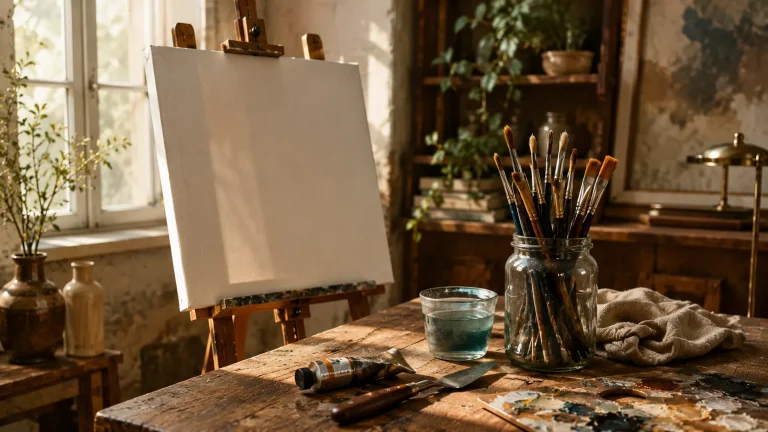
The best home art corner is not necessarily the prettiest one on social media. It is the one that feels easy to sit down at, easy to clean up, and easy to return to the next day. A space that is visually calm but creatively ready often works better than a highly styled setup that feels too precious to use.
Choosing a dedicated surface: desk, dining table, wall-mounted foldout, or studio cart
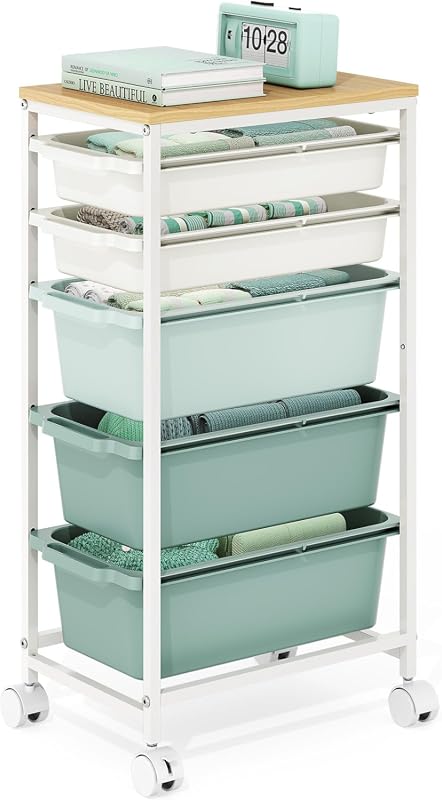
Choose the most reliable surface you have, not the most romantic one. A desk works well for drawing and small mixed-media work. A dining table may be ideal if you need more room for paper, palettes, and reference books. A wall-mounted foldout suits compact homes, while a studio cart can turn a corner into a flexible mobile station.
If you are setting up from scratch, our guide to how to set up a home art studio space is a useful companion piece for thinking through layout, storage, and flow.
Storage that keeps supplies visible without creating visual clutter
Visible storage helps you remember what you own and reduces friction before you begin. Open trays, shallow drawers, glass jars, or a small rolling cart can keep essentials in sight. The trick is to group supplies by use, not by random category.
Too much open storage can become visually noisy, especially in small homes. A good rule is to keep daily tools visible and seasonal or specialty materials tucked away. That balance keeps the space inspiring rather than chaotic.
Interior styling choices that make the space feel inspiring rather than temporary
Small styling details can change how often you use a space. A lamp with a warm glow, a framed print, a ceramic cup for brushes, or a linen cloth under your materials can make the corner feel intentional. Even if the setup is compact, it should feel like it belongs to you.
Think of the art corner as a lived-in vignette: a place where paper, pigment, books, and light are arranged with care, but never so delicately that you hesitate to work there.
Setting a Realistic Creative Routine You Can Actually Keep
The most sustainable routine is the one that fits your energy patterns. Some people make better work in the early morning before the day gets noisy. Others need a slow evening ritual or a weekend block. There is no single right schedule, only a rhythm that you can repeat often enough to matter.
Micro-sessions, weekly rituals, and seasonal rhythms for different lifestyles
Micro-sessions are ideal for busy weeks. Five to fifteen minutes of sketching, color studies, or material testing can keep your hand engaged. Weekly rituals, such as Sunday afternoon painting or a Friday night collage session, create a dependable anchor.
Seasonal rhythms can help too. Winter may suit slower, more observational work, while summer may invite outdoor studies, travel sketchbooks, or looser experiments. If your life changes with the seasons, let your practice change with it.
Examples for morning sketching, evening painting, and weekend deep work
Morning sketching works well when the mind is clear and interruptions are low. Keep a sketchbook and pencil nearby so you can begin before your phone or inbox takes over. Evening painting can be a more atmospheric ritual, especially if you like to unwind through color and repetition.
Weekend deep work is useful for larger projects that need drying time, planning, or concentration. Protect that time by preparing materials the night before. The less setup required, the more likely you are to begin.
How to protect creative time without turning art into a chore
Consistency should feel supportive, not punitive. If you miss a day, you have not failed. The point is to return without drama. Many artists find it helpful to set a minimum standard that is almost too easy to skip: one page, one study, one color test, one compositional sketch.
That small promise keeps the habit alive. It also protects art from becoming another productivity metric in a home already full of obligations.
Lighting, Atmosphere, and the Small Details That Shape Focus
Lighting affects not only what you see, but how long you stay at the table. A good home art setup needs enough clarity for accurate work and enough warmth to feel inviting. The atmosphere should encourage attention rather than make you feel like you are working under pressure.
Natural light versus task lighting for drawing, painting, and collage
Natural light is excellent for color judgment, especially near a window with indirect daylight. But it changes throughout the day, so a reliable task light is still essential. For drawing and collage, even light matters more than dramatic brightness. For painting, especially color-sensitive work, a consistent lamp can help reduce surprises.
Window light is beautiful, but it is not always dependable. If you work at night or in a room with shifting daylight, a strong task lamp becomes part of the practice, not just a convenience.
Color temperature, glare control, and the best lamp placement for home studios
Warm lighting can make a room feel inviting, but very yellow light may distort color decisions. Cooler task lighting often reads more clearly for detail work, though the ideal depends on your medium and the mood you want. The best setup usually combines a comfortable ambient light with a focused work lamp.
Place the lamp so it lights the surface without casting your hand directly over your work. If glare reflects off glossy paper, varnished boards, or tablet screens, adjust the angle rather than increasing brightness. Small adjustments often make the space far more usable.
Using music, scent, and tactile materials to create a repeatable creative mood
Creative habits are easier to repeat when they are tied to sensory cues. A certain playlist, the smell of pencil shavings, the feel of rough paper, or the sound of a kettle can become part of your ritual. These details tell your brain that it is time to begin.
Keep the ritual simple. The point is not to over-stage your environment, but to create a few recognizable signals that help you transition into making.
Choosing Materials That Support Momentum Instead of Slowing You Down
The right materials make it easier to show up regularly. When supplies feel frustrating, fragile, or overly precious, they can quietly discourage use. A consistent practice often benefits from a flexible kit: good enough to enjoy, durable enough to handle, and easy enough to reach every day.
Curator-style recommendations for beginner-friendly versus professional-grade supplies
Beginner-friendly supplies are usually best when you are building a habit. They tend to be more forgiving, less costly, and less intimidating to use. Professional-grade materials are worth considering when you already know what you like or when a specific medium needs better pigment, paper strength, or brush performance.
The most practical approach is often mixed. Save your investment for the materials that affect your work most—usually paper, brushes, or your primary paint—and choose simpler options for storage tools or secondary accessories.
Price context: where to invest, where to save, and how to build a flexible kit
Entry-level supplies can be perfectly suitable for practice, studies, and experimentation. Mid-range materials often offer better durability and consistency, which becomes useful if you work regularly. Investment pieces make sense for items you touch constantly or for papers and tools that materially improve the experience of making.
Paper, sketchbooks, paints, pencils, and brushes that encourage daily use
For many artists, the easiest way to stay consistent is to keep a sketchbook open and ready. A dependable sketchbook removes the pressure of making a “finished” piece. If you work in watercolor, paper quality matters more than people expect; thin sheets can buckle, while sturdier paper supports repeated use and correction.
For graphite or colored pencil, a comfortable tooth and a paper size that does not feel daunting can make a surprising difference. Brushes should suit the medium you use most often, and paints should be easy to access without a long setup. If you are working with watercolor at home, our guide on what paper is best for watercolor at home and our article on how to stretch watercolor paper at home can help you choose and prepare surfaces that support regular work.
Keeping Your Art Supplies Organized, Protected, and Ready to Use
Organization is not about perfection; it is about reducing the number of decisions between you and the page. When supplies are protected and easy to find, you are more likely to use them often and less likely to avoid starting because the space feels messy.
Care tips for brushes, palettes, pencils, inks, and paper storage at home
Brushes last longer when cleaned properly and stored with bristles protected from pressure. Pencils are easier to use consistently when they are sharpened and kept in one place. Inks should be sealed tightly, and palettes should be cleaned before dried residue becomes a barrier to starting the next session.
Paper deserves special attention. Flat storage helps prevent curling, denting, and accidental moisture exposure. If you work with sheets rather than sketchbooks, keep them in a dry, stable area away from direct sunlight.
Simple systems for rotating projects so unfinished work stays accessible
Unfinished work should not disappear into a drawer where it becomes emotionally distant. Use a labeled portfolio, a shallow tray, or a vertical file to keep current projects visible. If you rotate between media, dedicate one small area to each active project so nothing gets buried.
Keep only one to three current pieces on the main surface so the space stays usable.
Place works-in-progress in a tray, folder, or ledge so they remain easy to resume.
Leave the next step visible: a pencil, a brush, or the next reference image.
Preventing damage from humidity, dust, sunlight, and cramped storage spaces
Home environments can be surprisingly hard on art materials. Humidity may warp paper or affect paint consistency. Dust settles quickly on open palettes and unfinished surfaces. Direct sunlight can fade some pigments, damage paper over time, and make a workspace less comfortable.
If your art corner sits near a window, rotate sensitive materials away from direct sun and avoid storing paper or finished work in damp areas such as bathrooms, basements, or unventilated cupboards.
Finding Inspiration in Books, Objects, and the Home Around You
One of the joys of a home-based practice is that inspiration is already nearby. You do not need to wait for a museum visit or a trip to a scenic place. Books, interiors, and everyday objects can all feed a rich and ongoing visual vocabulary.
How art books, exhibition catalogues, and visual references can refresh your practice
Art books and exhibition catalogues are especially useful when your practice starts to feel repetitive. They can introduce new color relationships, compositional ideas, or ways of thinking about scale. Coffee table books also make beautiful references because they are often easy to leave out and revisit.
If you enjoy building a visual library at home, our guides on how to choose coffee table books and how to store coffee table books may help you keep that library both useful and beautiful.
Using interiors, textiles, ceramics, plants, and everyday objects as subject matter
Your own home can be an endlessly generous subject. A folded textile, a ceramic bowl, a lamp on a side table, or the changing shape of a plant can become a study in light and form. These ordinary objects often make the best practice subjects because they are familiar enough to observe closely and revisit often.
Interior details also help train your eye. Patterns, shadows, and material contrasts are all part of visual thinking. A consistent practice grows stronger when you notice the beauty already living in your room.
Gift ideas that support a long-term creative habit, from sketchbooks to desk tools
For gift-givers, the most thoughtful art-related presents are often the ones that support daily use rather than novelty. A good sketchbook, a sturdy desk organizer, a quality pencil sharpener, or a set of brushes suited to the recipient’s preferred medium can all encourage regular practice. If you are choosing for someone else, our guide on how to choose a gift for an artist friend is a useful starting point.
A well-made sketchbook with paper suited to the artist’s medium is one of the most quietly useful gifts you can give. It is practical, personal, and far more likely to be used than a decorative object that never leaves the shelf.
Creative Recap: Building a Practice That Feels Sustainable, Personal, and Alive
Consistency at home is not about forcing output. It is about creating a space, routine, and material setup that makes returning to art feel easy enough to repeat. When the corner is ready, the routine is realistic, and the supplies are not fighting you, practice becomes part of the home rather than an extra burden.
Key takeaways for maintaining momentum without pressure
Start small and stay regular. Keep your most-used tools visible. Choose materials that make beginning simple. Protect a little time each week, even if it is only a few minutes. Over time, those small decisions create real artistic momentum.
Encouragement to treat the home as a living studio, not a perfect one
A home studio does not need to look finished to be effective. It can be gently imperfect, in progress, and shaped by the rhythm of your life. The best creative spaces feel lived in because they are used often, not because they are styled to look untouched.
Recommended Products
SHOP THIS SETUP
MEEDEN Tabletop Art Easel with Drawer and Supplies Storage
A dedicated tabletop easel can make it much easier to show up for your art practice every day, and this MEEDEN model adds built-in storage so your tools stay ready between sessions. It helps create a small, permanent studio setup at home, which is ideal for building consistency and reducing the friction of getting started.
Frequently Asked Questions
Use short sessions that are easy to repeat, even if they are only 10 minutes long. A small, reliable routine is better than waiting for a perfect block of time.
Keep a sketchbook, a few dependable pencils or brushes, and paper suited to your medium within reach. Supplies that are easy to access reduce setup friction and make it simpler to begin.
Use visible storage for daily tools and closed storage for extras or specialty materials. A clean surface, a dedicated tray, or a rolling cart can make a small space feel more functional.
Natural light is helpful, but a steady task lamp is important for evening work and color accuracy. Aim for even lighting with minimal glare on your work surface.
Store works-in-progress in a visible portfolio, tray, or folder so they stay easy to resume. Avoid hiding them in deep storage where they become hard to pick up again.
Set a minimum that feels almost too easy to skip, such as one sketch or one color study. The habit stays lighter when the goal is regular return, not constant finished work.