Shadow Box Picture Frame Ideas for Keepsakes and Decor


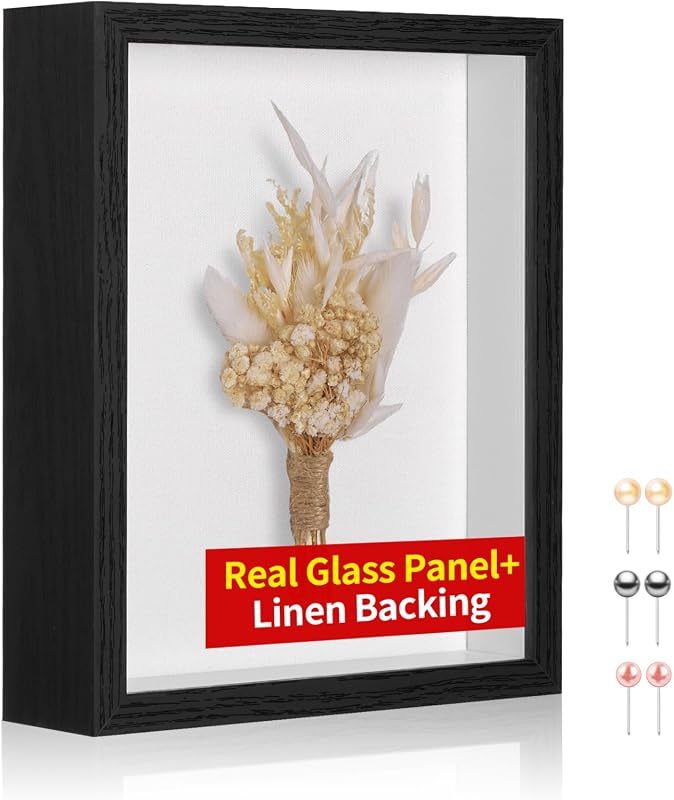
A deep frame displays layered keepsakes and small decorative items.
Shadow boxes work best when the frame depth, finish, and object size are matched to the room and the story you want to tell. Choose a design that gives your keepsakes enough space, then hang it where lighting and wall support are appropriate.
Shadow box picture frame ideas can turn flat walls into small, personal displays that feel collected rather than cluttered. The best approach is to match the frame depth, finish, and layout to the objects you want to show, then place the piece where it can be seen comfortably without competing with the rest of the room.
- Best fit first: Start with the object’s size and depth before choosing the frame style.
- Room matters: Living rooms can handle statement pieces, while bedrooms and hallways usually suit smaller, calmer.
- Materials count: Check glazing, backing, and archival claims carefully before buying.
- Safety first: Match hanging hardware to wall type and frame weight, especially for heavier shadow boxes.
What Shadow Box Picture Frame Ideas Work Best for Your Space?
The strongest shadow box display is usually the one that fits the room’s scale and purpose. A single large piece can anchor a living room, while a smaller box may be better for a hallway, desk area, or bedside wall where visual weight needs to stay light.
Start by thinking about what the wall is already doing. If the space is busy with furniture, shelving, or patterned textiles, a simpler shadow box with one or two objects often reads better than a dense arrangement. If the wall is empty and needs presence, a deeper frame with layered items can add structure and interest without feeling overdesigned.
For a more curated look, many readers pair shadow boxes with other framed pieces in a gallery wall. If you are building a broader wall arrangement, it can help to review gallery wall frame sets for proportion and spacing ideas before choosing a final frame style.
How to Choose the Right Shadow Box Frame: Size, Depth, and Materials
Shadow box frames are not just larger picture frames. Their usefulness depends on how much room they give the object, how securely they hold it, and how the materials affect visibility and preservation. A frame that looks right online may still be too shallow for buttons, medals, textiles, or layered keepsakes.
Frame depth and object clearance
Depth is the first specification to check. A shallow box can work for paper items, pressed flowers, or thin memorabilia, but thicker keepsakes need more clearance so they do not press against the glazing. When in doubt, measure the tallest point of the object and allow extra room for mounting backing, spacers, or adhesive supports.
For layered arrangements, the depth also affects shadow lines. A little interior space can create a more dimensional presentation, while an overly deep box may make small items look lost. The right balance depends on whether you want a crisp archival look or a more sculptural display.
Glass, acrylic, and backing options
Glazing choices vary by model and retailer. Glass can feel clear and traditional, while acrylic is lighter and may be easier to handle for larger frames or wall placements where weight matters. For a deeper comparison of glazing choices, see Hurrell Editions’ acrylic glass picture frame guide.
Backing matters just as much. A rigid backing helps keep objects aligned, and archival-quality materials are preferable when you are displaying items that matter emotionally or may be stored for a long time. If the listing does not clearly state the backing material, confirm it before buying.
Material names can be used loosely by sellers. “Acrylic,” “plexiglass,” and “plastic glazing” do not always mean the same build quality, so check the product details carefully.
Finish, color, and style matching
The finish should support the object, not overpower it. Black and white frames often look clean and modern, natural wood feels warmer and more relaxed, and metallic finishes can add formality or contrast depending on the room. If your display is sentimental, a subdued finish usually helps the contents feel more intentional.
Style matching is also about surrounding decor. A rustic wood shadow box may suit a casual family room, while a slim aluminum frame can feel better in a contemporary office or hallway. If you are considering a cleaner, more minimal profile, an aluminum frame for picture style can offer a useful reference point for finish and edge treatment.
- Use matte or low-sheen finishes when the object itself is highly reflective.
- Match warm wood tones to vintage photos, textiles, or travel keepsakes.
- Choose a slimmer profile when the room already has strong visual texture.
Best Shadow Box Picture Frame Ideas for Different Rooms
Room placement changes how a shadow box reads. The same frame can feel dramatic in one space and awkward in another, so it helps to think about viewing distance, light, and the emotional tone of the room.
Living room: statement pieces and gallery wall anchors
In a living room, shadow boxes often work best as anchors. One large piece above a sofa or console can establish a focal point, especially if it contains a meaningful object with enough scale to hold attention from across the room. Smaller shadow boxes can also be grouped into a gallery wall if they share a common frame color or theme.
For this setting, the strongest choices are usually clean compositions with a little breathing room. A crowded display can disappear visually once it is placed near furniture, lamps, and books. If your living room already has open shelving or art, a box with one striking object may be the better option.
Bedroom: sentimental displays and softer styling
Bedrooms usually benefit from quieter displays. Shadow boxes here often hold wedding keepsakes, handwritten notes, baby items, or travel mementos that carry personal meaning without demanding too much attention. Softer materials and calmer color palettes tend to suit the room better than highly graphic arrangements.
Placement matters as well. A shadow box near the bed should not feel heavy or visually sharp. If the frame will be seen first thing in the morning or last at night, choose something that feels restful rather than busy.
A single sentimental object, centered with wide margins, can feel more elegant than a full collage in a bedroom.
Hallways, offices, and entryways: compact visual stories
Hallways and entryways are ideal for smaller shadow boxes because these spaces are often narrow and viewed in passing. A compact frame can tell a story quickly: a travel token, a family heirloom, or a small collection of related objects. Offices also work well for this approach, especially when the display adds personality without making the room feel crowded.
In compact spaces, consistency is important. Repeating one frame finish across multiple boxes can make the wall feel deliberate, even if each piece contains a different object. For a more streamlined look, readers often compare these displays with floating picture frame styles to see how much visual separation they want around the object.
Creative Styling Ideas for Photos, Memorabilia, and Keepsakes
Shadow boxes are most effective when the contents feel edited. A few well-chosen items usually tell a stronger story than a crowded arrangement, especially when the objects vary in shape, color, or texture.
Travel mementos and ticket stubs
Travel memorabilia works well because it naturally combines paper items, small objects, and personal memory. Ticket stubs, maps, postcards, and small souvenirs can be arranged by trip, destination, or date. The key is to avoid overfilling the box; a few items arranged with clear hierarchy will feel more polished than a dense souvenir board.
For a cleaner presentation, use one focal item and support it with smaller pieces. A boarding pass, museum ticket, or transit token can become surprisingly elegant when it is given space and paired with a restrained background.
Wedding, family, and milestone displays
Wedding bouquets, invitation suites, family heirlooms, and milestone keepsakes are among the most common shadow box subjects because they combine emotion with visual structure. These displays often work best when the object is centered and the supporting pieces are kept simple, such as a date card, a photo, or a short caption.
If the keepsake is fragile or irreplaceable, archival considerations become more important than style alone. Confirm whether the frame is designed for long-term display, and avoid adhesives or materials that may discolor paper, fabric, or dried botanicals over time.
Nature, textiles, and 3D objects
Pressed flowers, feathers, shells, small tools, patches, and fabric samples can all work in shadow boxes when they are mounted securely and given enough depth. These displays are especially appealing when the object itself has texture, because the box adds literal and visual dimension.
Textiles and soft items need careful support so they do not sag or crease. If you are framing a cross-stitch, patch, or small woven piece, a frame designed for dimensional objects is often easier to manage than a standard shallow frame. For related inspiration, Hurrell Editions also covers acrylic picture frame box options for clean, contemporary presentation.
How to Size and Hang Shadow Box Frames Safely
Shadow boxes are often heavier and deeper than standard picture frames, so safe hanging deserves more attention. Before mounting, confirm the wall type, the frame’s weight, and the hardware included by the manufacturer. If the piece is large, unusually heavy, or going into masonry, tile, or another challenging surface, a professional installer may be the safest option.
Wall type, anchors, and hanging hardware
Drywall, plaster, brick, and wood studs all require different hanging approaches. Do not assume the same anchor will work in every room. Check the product listing for the hanging method, then match it to the wall and the frame’s weight range. If the frame includes hardware, verify whether it is intended for one-point or two-point hanging.
Never rely on decorative hooks or light-duty strips for a heavy shadow box unless the manufacturer explicitly says they are suitable for that load and wall type.
Spacing, alignment, and gallery wall layout
When a shadow box is part of a larger wall arrangement, spacing controls the whole effect. Too little space makes the wall feel cramped; too much space makes the group look disconnected. A simple rule is to keep spacing consistent across the arrangement so the eye can move naturally from one frame to the next.
Alignment is equally important. Because shadow boxes often have more visual depth than flat prints, they can throw off a gallery wall if they are not centered carefully. It helps to map the layout on the floor or with removable wall guides before committing to holes.
Lighting, glare, and placement considerations
Light can make or break a shadow box display. Direct sunlight may fade paper, textiles, and photographs, while strong overhead lighting can create glare on glass or acrylic. A location with soft ambient light is usually best, especially for sentimental items that you want to preserve.
If the wall faces a window, consider the viewing angle at different times of day. A frame that looks balanced in the morning may reflect heavily in the afternoon. Choosing the right glazing and placement together is often more effective than trying to correct glare after installation.
What to Look For When Buying Shadow Box Frames in 2026
Buying well means looking beyond the front view. The most useful shadow box frame is usually the one that combines enough depth, secure construction, and easy access for future changes. Availability, exact dimensions, and included hardware can vary by model, so confirm the product details before you order.
Build quality and archival protection
Build quality shows up in the frame corners, backing rigidity, and how securely the glazing fits. A sturdier frame is more likely to stay aligned over time, especially if the contents are slightly uneven or the box is large. If you are preserving meaningful items, look for archival-friendly materials and clear information about what the frame is made from.
When sellers mention “archival,” check what that means in practice. The term can refer to backing, glazing, mounting materials, or all three, and the exact standard may vary. If the listing is vague, it is worth confirming the details with the manufacturer before buying.
Ease of opening, changing, and securing items
Some shadow boxes are designed for one-time arrangement, while others make it easier to swap contents later. If you plan to update the display seasonally or add new keepsakes over time, look for a frame that opens cleanly and secures the backing without damaging the object. This matters more than it may seem at first, especially for people who enjoy rotating displays.
For crafters and collectors, the practical question is whether the frame supports the way you actually work. A beautiful shadow box that is difficult to open or reassemble can become frustrating very quickly.
Value, durability, and style versatility
Value is not just about price. It is about whether the frame can handle the item you want to display, whether it suits more than one room, and whether the finish will still feel right if your decor changes. A versatile neutral frame often gives more long-term use than a highly specific novelty style.
If you are comparing frame families, it can help to look at related formats such as unmatted aluminum picture frames or solid wood picture frames to judge whether the look is meant to feel modern, warm, or classic. That context can make the shadow box decision easier.
- Measure the object, including any raised details or layered elements.
- Confirm depth, glazing type, and backing material in the product listing.
- Check wall type and hanging hardware before installation.
- Choose a finish that matches the room’s tone and lighting.
Common Shadow Box Styling Mistakes to Avoid
The most common mistake is overfilling the frame. Shadow boxes work because they create breathing room around meaningful objects, so packing in too many items can make the display feel messy instead of curated. A second mistake is choosing a frame that is too shallow, which can crush the contents or force awkward mounting.
Another frequent issue is ignoring the background. A busy or clashing backing can distract from the object, especially when the item itself is small. It is also easy to overlook scale: a tiny keepsake in a very large box may need additional support or a more intimate frame size to feel balanced.
- Give the main object enough negative space.
- Use secure, appropriate mounting materials.
- Match frame proportion to the room and wall size.
- Mixing too many unrelated objects in one box.
- Hanging a heavy frame without checking wall support.
- Using bright glare-prone placement for delicate items.
Care, Maintenance, and Final Recommendation
Shadow boxes stay looking their best when they are kept out of harsh direct sun, excess humidity, and dusty corners. Light dusting around the exterior frame and careful cleaning of the glazing, using the manufacturer’s guidance, is usually enough for routine care. If the contents are valuable, delicate, or highly sentimental, keep the original documentation for the frame and recheck care instructions before changing anything inside.
Final recommendation: choose a shadow box frame that fits the object first, then the room second. For most homes, the best result comes from a modestly edited display, a finish that complements the decor, and a frame depth that gives the contents room to breathe without looking oversized.
A medium-depth shadow box with a neutral finish is the most versatile choice for living rooms, bedrooms, and entryways. It suits photos, keepsakes, and small 3D objects well, but very thick or unusually fragile items may need a more specialized frame.
Frequently Asked Questions
Living rooms, bedrooms, hallways, offices, and entryways all work well. The best room depends on how much wall space you have and how personal the items are.
It should be deep enough for the tallest object plus mounting space. Thin paper items need less depth, while medals, textiles, and 3D keepsakes need more clearance.
Glass feels classic, while acrylic is lighter and can be easier for larger frames. Check the product listing for the exact glazing material and any protective coating claims.
Match the hanging hardware to the wall type and the frame’s weight. For heavy pieces or difficult wall surfaces, confirm the load rating or consult a professional installer.
Photos, ticket stubs, wedding keepsakes, textiles, pressed flowers, and small 3D objects all work well. The strongest displays usually use a few meaningful items rather than a crowded mix.
Keep the frame out of direct sunlight and avoid strong reflections from windows or overhead lights. If the item is delicate, choose a placement with softer ambient light and follow the frame maker’s care guidance.