How to Open Wood Poster Frame Without Damage


A person opens a wooden frame to place a poster inside.
Open the frame by identifying whether it uses magnets, clips, screws, or tabs, then release the closure gently on a soft surface. If it resists, stop and inspect the hardware rather than forcing the wood apart.
If you’re searching for how to open wood poster frame, the short answer is to identify the closure first: magnets, clips, screws, or backing tabs all open differently. Once you know the mechanism, you can remove the print with far less risk of bending corners, scuffing the finish, or stressing the frame.
- Identify the closure first: Magnetic rails, clips, screws, and tabs open differently.
- Use a soft surface: Face-down placement helps protect the finish and the poster.
- Support the artwork: Lift large prints from the edges to avoid creasing.
- Check fit before buying: Exact sizing and closure quality matter more than looks alone.
- Mind the room: Humidity, sunlight, and wall type all affect long-term performance.
How to Open a Wood Poster Frame: The Quick Answer
Start by turning the frame over on a clean, flat surface and checking how the two wooden rails are held together. If it uses magnets, separate the rails slowly from one end; if it uses hardware, loosen the clips, screws, or tabs before lifting the backing away.
The safest approach is gentle pressure, not force. If the frame resists, stop and inspect the join more closely rather than prying at the wood or pulling on the poster itself.
What Kind of Wood Poster Frame You’re Dealing With
Wood poster frames are not all built the same, and the opening method depends on whether you’re dealing with a magnetic hanger, a traditional framed construction, or a hybrid design. Before you try to open anything, look at the edges, corners, and back of the frame for visible hardware or a seam where the rails meet.
Magnetic poster hangers vs. traditional wood frames
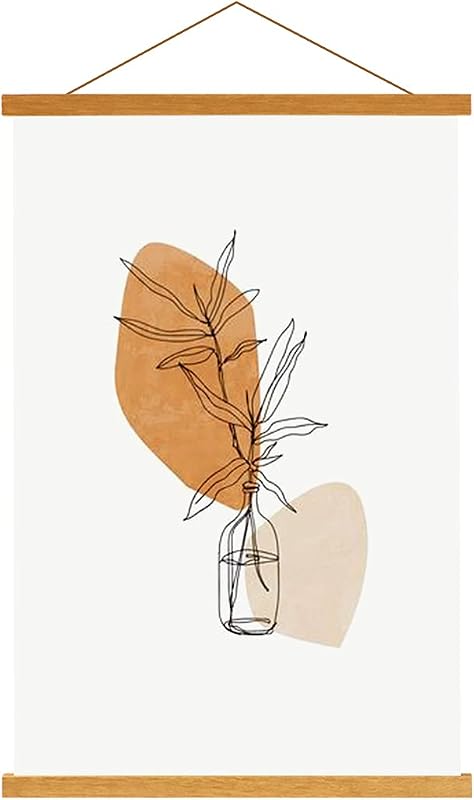
Magnetic poster hangers usually use paired wooden rails with embedded magnets that clamp the artwork from the top and bottom. Traditional wood frames, by contrast, often use a backing board, clips, screws, nails, or turn tabs to hold the print in place.
If you want a broader overview of these styles, Hurrell Editions also covers the differences in magnetic poster hanger vs traditional poster frame. That comparison helps when you’re deciding whether easy opening or a more rigid framed look matters more in your space.
Common closure styles and what they mean for opening
Some wood poster frames open from the front, while others only open from the back. A few have hidden magnets and no visible hardware at all, which can make them look simple even when the join is tight.
Here are the most common closure styles:
Because wood poster frames vary by model, finish, and retailer, the exact opening method should always be confirmed on the product listing or care instructions before you apply pressure.
Step-by-Step: How to Open a Wood Poster Frame Safely
Opening a wood poster frame safely is mostly about preparation. A clean table, dry hands, and a little patience go a long way toward protecting both the frame and the artwork inside it.
Soft cloth or towel
Small screwdriver, if needed
Clean hands or cotton gloves
Checking for clips, screws, magnets, or backing tabs
Set the frame face down on a soft surface so the front finish does not get scratched. Then inspect the back and edges for any of the following: turn tabs, corner screws, spring clips, a removable backing board, or a seam that suggests a magnetic join.
Look for a line where two wooden rails meet, which often signals a magnetic design.
Turn tabs, clips, or screws usually mean the artwork is held from behind rather than by friction alone.
Use light pressure at one end to see whether the rails separate cleanly before you commit to opening the full edge.
Removing the artwork without bending or marking it
Once the frame is open, lift the artwork by the edges rather than the center. If the print is large, support it with both hands so it does not sag and crease.
For posters that have been in place for a while, the paper may cling slightly to the backing or sit tightly under the rails. Slide it out slowly, and if it catches, pause and loosen the surrounding edge instead of pulling harder. If you need a more complete framing workflow for oversized prints, see how to frame a large poster.
- Support the poster from underneath as you remove it.
- Keep the print on a clean surface once it’s out.
- Do not tug from one corner if the paper is stuck.
- Do not bend the rail to “make room” for the artwork.
What to do if the frame feels stuck
If the frame will not open easily, do not force the wood apart with a knife, metal tool, or sharp object. That can chip the finish, weaken the magnet alignment, or dent the poster edge.
Instead, check whether the frame is locked by hidden screws, a tight friction fit, or a slightly misaligned magnetic edge. A small, even motion along the seam is usually safer than prying at one corner. If the frame still resists, review the manufacturer’s instructions before trying again.
Excess force can split thin wood rails, especially on lightweight poster hangers. If the join is unusually tight or the frame is warped, stop and inspect it before reopening.
What to Look for in a Good Wood Poster Frame
If you’re buying a new frame rather than just opening one, the best choice is the one that matches your poster size, your wall, and how often you expect to swap artwork. A frame that opens easily is useful, but it should still hold the print securely and look balanced on the wall.
Materials, finish quality, and magnet strength
Good wood poster frames usually feel smooth at the edges, with an even finish and a clean seam. The wood should look consistent rather than rough, splintery, or uneven at the corners.
For magnetic styles, the strength of the magnets matters because it affects both security and ease of opening. Too weak, and the poster can slip; too strong, and opening may be awkward or risk bending the paper. Since magnet strength is often model-specific, check the product details before buying.
Size compatibility and poster protection
A proper fit matters more than people sometimes expect. If the frame is too loose, the poster can shift; if it is too tight, the paper may buckle or the edges may get marked when you close it.
Before buying, confirm the exact poster width and the visible display area. If you are working with oversized prints, it can also help to compare dimensions against guides like large poster frame sizes so the artwork sits correctly and does not get cropped unintentionally.
- Exact poster size and frame opening width
- Finish that fits the room and existing decor
- Hardware or magnetic closure that suits how often you swap art
- Clear product specifications from the retailer or manufacturer
Ease of opening, closing, and reusing
If you like changing prints seasonally or rotating artwork, choose a frame that opens and closes without tools whenever possible. That makes it easier to refresh a gallery wall or update a bedroom print without damaging the frame edges.
For people who want a cleaner, more flexible display system, a magnetic design can be especially convenient. If you are still deciding whether that format matches your needs, Hurrell Editions also has a practical guide on how to style magnetic poster hangers in an artful home.
Where a Wood Poster Frame Works Best in the Home
Wood poster frames are versatile because they can read casual, modern, or warm depending on the tone of the wood and the poster itself. In the right room, they make art feel finished without looking overly formal.
Living room, bedroom, hallway, office, and studio use
In a living room, wood frames work well for bold prints, travel posters, and graphic art that needs a little warmth. In a bedroom, they can soften the look of high-contrast artwork and make the wall feel calmer.
Hallways often benefit from thin, lightweight wood frames because they keep narrow walls from feeling crowded. In a home office or studio, they can help printed art, inspiration pieces, or branding visuals feel intentional rather than temporary.
Matching wood tone and style to existing decor
Lighter woods usually feel airy and Scandinavian, while darker tones can look more grounded and traditional. A natural finish often works best when you want the poster itself to stay the visual focus.
If your room already has a lot of wood furniture, try to avoid a frame tone that competes with every other surface. A frame that is either slightly lighter or slightly darker than the surrounding furniture often creates a cleaner result.
A simple black-and-white print in a slim oak frame can feel quiet and gallery-like, while a colorful poster in walnut can look richer and more collected.
Best wall types, hanging hardware, and placement basics
Before hanging any wood poster frame, confirm the wall type and use appropriate hardware for the load. Drywall, plaster, brick, and paneling each need different hanging approaches, and the right choice depends on the frame’s actual weight and the manufacturer’s guidance.
For placement, keep the center of the artwork close to eye level when possible, then adjust for furniture below it. If you are building a larger display, you may also find how high to hang picture ledge useful for spacing and visual balance.
Styling Ideas for Posters, Prints, and Gallery Walls
Wood poster frames are especially useful when you want art to feel relaxed but still polished. They can anchor a single poster, unify a set of prints, or add warmth to a mixed-media wall.
Choosing the right frame size and visual balance
A slim wood frame can make a large poster feel lighter on the wall, while a slightly thicker profile can help a smaller print feel more substantial. The best choice depends on how much visual weight the room can handle.
If the artwork is very colorful or busy, a simpler wood profile often keeps the display from feeling crowded. If the print is minimal, a richer wood tone can add just enough contrast to make it stand out.
Spacing, layout, and alignment for single pieces or sets
For a single frame, keep the surrounding wall space intentional so the piece has room to breathe. For a pair or trio, consistent spacing matters more than perfect symmetry, especially when the prints are different sizes.
In gallery walls, repeat one element such as wood tone, mat color, or frame thickness so the arrangement feels connected. If you’re working with multiple poster sizes, the article on how to make a large poster frame can also help you think through proportion and scale.
How wood frames affect mood, contrast, and presentation
Wood naturally softens the look of a poster, which is one reason it appears so often in calm interiors and creative spaces. It can reduce the “temporary” feel that unframed prints sometimes have and make the artwork read as part of the room.
- Use lighter wood for bright, airy rooms and darker wood for more dramatic spaces.
- Repeat the same frame finish across a wall for a cleaner gallery effect.
- Leave enough breathing room around the frame so the poster does not feel cramped.
Benefits, Limitations, and Common Mistakes
Wood poster frames remain popular because they are simple to live with and easy to style. Still, like any framing option, they have tradeoffs that matter once the frame is actually on the wall and in regular use.
Why wood poster frames are popular in 2026
They suit a wide range of interiors, from minimal apartments to relaxed family homes. They also work well for people who want a frame that feels more tactile and less industrial than metal or plastic alternatives.
For renters, creatives, and frequent redecorators, the appeal is often convenience. A frame that opens cleanly and can be reused makes it easier to refresh a room without replacing the whole display system.
Potential drawbacks: warping, weak magnets, or awkward fit
Wood can react to humidity, so a frame may warp slightly if it is stored or used in a damp environment. That can affect how the rails meet and how easily the frame opens later.
Magnetic models can also vary a lot in quality. If the magnets are weak, the poster may slide; if the join is too snug, reopening can become annoying. Awkward sizing is another common issue, especially when a frame is close to the right dimensions but not exact.
- Warm, versatile look that suits many interiors
- Easy to refresh when the design uses a simple closure
- Can make posters feel more finished and intentional
- Some models open tightly or unevenly
- Wood can warp in humid conditions
- Fit and magnet strength vary by model
Frequent mistakes when opening, inserting, or hanging
The most common mistake is forcing the frame open before identifying the closure type. Another is inserting the poster without aligning the edges first, which can leave the print crooked or creased.
People also sometimes hang the frame before checking the wall type or the hardware included. That can lead to unstable placement, especially on heavier framed pieces or walls that need specific anchors.
Care, Maintenance, and Final Recommendation
A wood poster frame lasts longer when you treat it like a reusable display object rather than a one-time holder. Small habits—clean storage, careful reopening, and sensible wall placement—make a noticeable difference.
Cleaning, storage, and long-term upkeep
Dust the frame with a soft, dry cloth and avoid harsh cleaners that could dull the finish. If the frame is magnetic, keep the joining edges free of grit so the rails continue to sit flush.
When storing a frame, keep it flat or upright in a dry place where the wood will not bend. Avoid leaving it in direct sun for long periods, since prolonged light exposure can fade both the finish and the poster itself.
Humidity, heat, and direct sunlight can shorten the life of a wood frame and damage paper artwork. If a room is especially bright or damp, confirm that the frame and print are suitable for that environment.
When a wood poster frame is the right buy
Choose a wood poster frame if you want a warm, adaptable look and expect to change artwork from time to time. It is especially appealing for bedrooms, offices, hallways, and creative spaces where the frame should support the art rather than dominate it.
If you want the easiest possible opening process, prioritize simple magnetic rails or clearly labeled back hardware. If you want a more formal presentation, a traditional wood frame may be the better fit, provided the opening method is still manageable for you.
Transparent verdict for Hurrell Editions readers
For most people, the best wood poster frame is the one that opens predictably, fits the poster exactly, and suits the room without drawing attention to itself. If you confirm the closure type before buying and handle the artwork gently during opening, you can avoid most of the frustration that comes with tight or poorly made frames.
In other words, the smartest choice is not just attractive wood—it is a frame that is easy to live with, easy to reopen, and reliable enough to reuse as your wall art changes.
Frequently Asked Questions
Check the back and edges for clips, screws, or turn tabs. If you see a clean seam where two wooden rails meet, it is often a magnetic style.
Open the frame on a flat, soft surface and lift the print by its edges. Support larger posters with both hands so the paper does not sag.
It may be held by hidden hardware, a tight friction fit, or a strong magnetic join. Stop and inspect the closure instead of forcing the wood apart.
Check size compatibility, finish quality, closure type, and whether the frame is easy to reopen. Confirm the specifications on the retailer or manufacturer page before buying.
Wood poster frames suit living rooms, bedrooms, hallways, offices, and studios. They work especially well when you want a warm, relaxed look that still feels finished.
Dust it with a soft dry cloth and keep the frame away from excess humidity and strong direct sunlight. Store it flat or upright in a dry place when not in use.