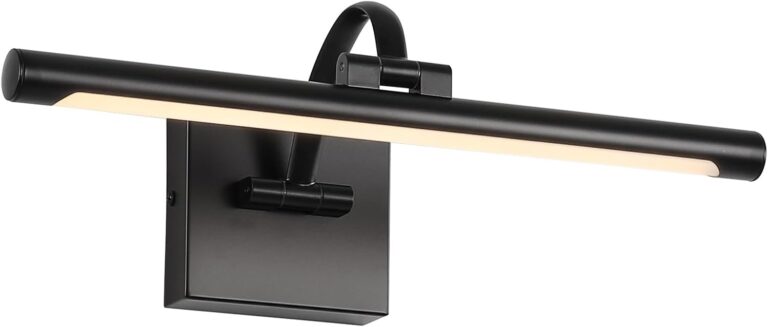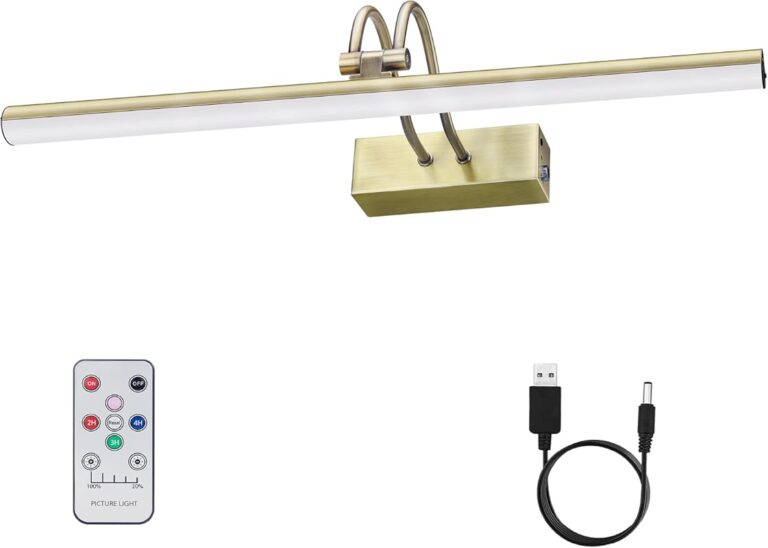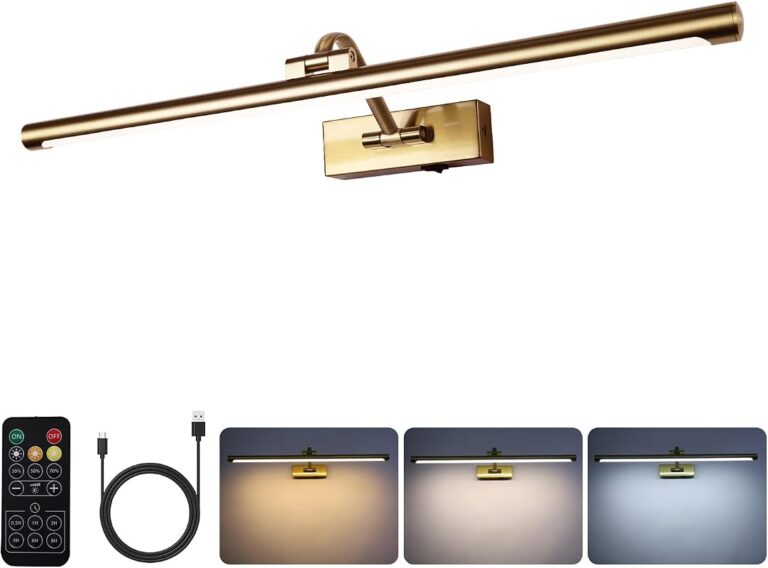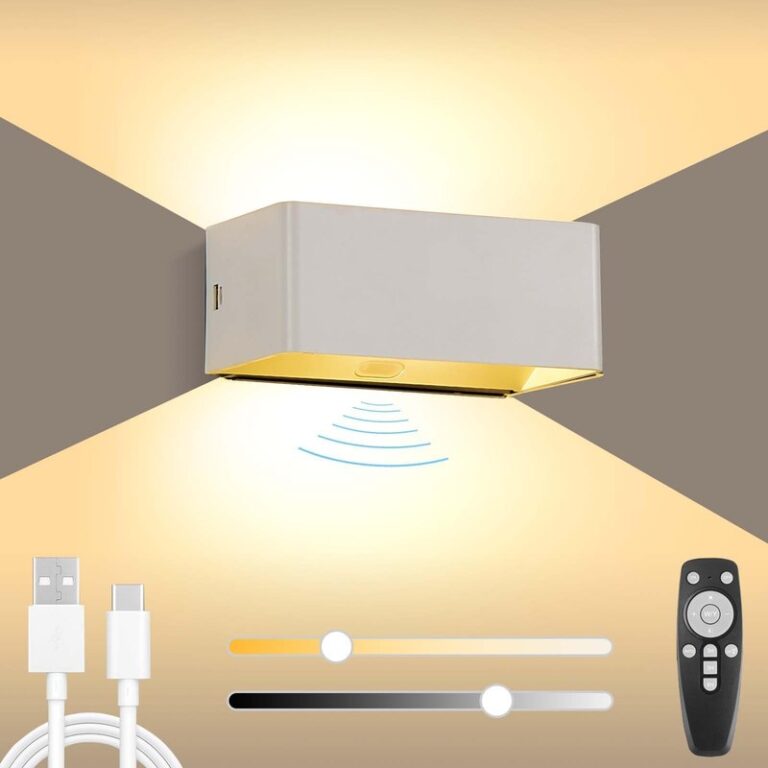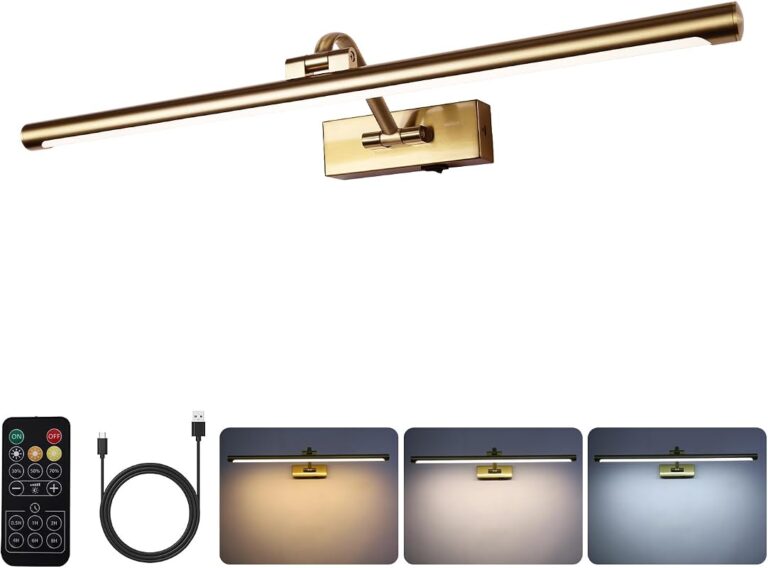
Why Use a Battery Operated Picture Light

A battery operated picture light is useful when you want focused art lighting without hardwiring or visible cords. It is especially helpful for renters, older homes, awkward walls, and flexible decor layouts.
Why use a battery operated picture light? For many homes, it is the simplest way to add focused art lighting without opening walls, hiring an electrician, or committing to one permanent layout. It can make artwork feel more intentional, improve evening ambiance, and solve awkward spots where hardwired lighting is impractical.
Battery operated picture lights sit in a useful middle ground between decorative styling and functional illumination. They are not the right answer for every frame or every room, but they can be an excellent fit for renters, older homes, gallery walls, and anyone who wants a cleaner look than a nearby table lamp can provide.
- Best reason: It adds targeted light without opening walls or relying on a nearby outlet.
- Best fit: Renters, period homes, hallways, bedrooms, and walls where wiring is impractical.
- What to check: Brightness, beam spread, color temperature, battery setup, and mounting method.
- Main trade-off: You gain flexibility but take on charging or battery replacement.
- When to skip it: Choose wired lighting if you need stronger, long-duration output for large art.
Why use a battery operated picture light? The short answer for art, renters, and flexible styling
A battery operated picture light gives you directed light where you want it, without depending on a nearby outlet or in-wall wiring. That matters most when the goal is to highlight one piece, create a more finished focal point, or improve the mood of a room after dark.
Unlike ceiling lighting, which often washes a whole wall unevenly, a picture light can draw attention to the artwork itself. Unlike a plug-in lamp, it usually avoids a visible cord dropping down the wall. That combination is the main reason these lights appeal to both practical shoppers and design-focused decorators.
When cordless lighting solves problems hardwired lights cannot
Cordless picture lights are especially useful when wall access is limited. In apartments, leased spaces, stair landings, narrow hallways, and older homes with solid masonry or delicate plaster, running new wiring may be too expensive, too disruptive, or simply not allowed.
They also help when your layout changes often. If you swap art seasonally, move frames around, or like to experiment before committing to a permanent arrangement, a battery model gives you more freedom. You can change the wall composition without being locked into a fixed electrical point.
For readers comparing real-world performance, Hurrell Editions also has a closer look at whether battery operated picture lights work and where their limits tend to show.
Where battery operated picture lights make the biggest visual difference
The most noticeable improvement usually happens in places that feel flat at night: a single statement painting over a console, a framed print at the end of a hallway, a portrait above a fireplace, or a pair of artworks in a dim bedroom corner. In those settings, a picture light adds depth and gives the display a more curated look.
They can also help separate important art from background decor. If a room has shelves, lamps, and layered textures competing for attention, a picture light creates hierarchy. Your eye lands where the beam lands.
Battery operated picture lights vary widely by model. Some are meant for mood lighting and gentle emphasis, while others are built to provide stronger, more usable illumination. Always confirm the manufacturer’s specs before buying.
Who a battery operated picture light suits best and which rooms benefit most
These lights suit people who want visual impact with less installation hassle. That includes renters, homeowners avoiding electrical work, gift shoppers buying for decor-minded recipients, and anyone styling art in a room where cords would look distracting.
Best uses in living rooms, hallways, bedrooms, studies, and stair landings
In living rooms, a battery operated picture light works well above a focal artwork, mantel display, or sideboard vignette. In hallways, it can make a transitional space feel intentional rather than purely functional. Bedrooms benefit from the softer, more atmospheric quality of art lighting, especially when overhead lights feel too harsh at night.
Studies and home offices are another strong use case. A picture light can visually frame a favorite print or certificate wall without taking up desk space. Stair landings also benefit because they are often underlit and difficult to wire neatly.
- Use one picture light to anchor a feature piece in a room with otherwise soft ambient lighting.
- In hallways, choose a model with a timer so the light can switch on during evening hours without daily fuss.
- For bedrooms, warmer color temperatures usually feel calmer than cooler white light.
Why they work especially well for renters, period homes, and awkward walls
Renters often need reversible decor upgrades. A battery model can usually be installed with less disruption than hardwired lighting, though the exact hardware and wall method still depend on the wall surface and the light’s weight.
Period homes present a different challenge. Thick plaster, masonry, and preserved architectural details can make electrical changes more complicated. A cordless light can preserve the character of the room while still adding a traditional gallery-style touch.
Awkward walls are the third major category. Think of a narrow chimney breast, a wall between windows, the end of a corridor, or a spot above a picture ledge. If you are styling layered displays, our guide to what a picture ledge is can help you decide whether a ledge-and-light arrangement fits your space better than a single framed piece.
When a wired picture light may be the better choice
A wired or plug-in picture light may be better if you want stronger, more consistent output for large artwork, expect the light to stay on for long stretches, or dislike routine charging and battery replacement. It can also be the better option in formal rooms where the art arrangement is permanent and the installation budget allows for it.
If the artwork is especially valuable, very large, or displayed in a professional setting, it is worth comparing battery, plug-in, and hardwired options more carefully instead of assuming cordless is automatically best.
What to look for before buying a battery operated picture light
Not all battery operated picture lights perform the same way. Before choosing a finish or style, focus on the basics that affect how the light will actually look on your wall.
Brightness, beam spread, and how much light artwork actually needs
Brightness determines whether the light gives subtle emphasis or a more dramatic highlight. Beam spread matters just as much, because a bright light with a narrow beam can create hot spots, while a wider beam may cover the frame more evenly.
Small prints usually need less output than oversized canvases or dark-toned paintings. Rooms with strong ambient lighting may also require more brightness for the picture light to register visually. Manufacturer listings may describe brightness differently, so compare carefully and look for beam or coverage details where available.
Colour temperature and CRI for flattering artwork, prints, and frames
Color temperature affects mood. Warmer light often flatters traditional interiors, wood frames, portraits, and cozy rooms. Neutral white can feel cleaner and may suit contemporary prints or black-and-white photography.
CRI, or color rendering index, matters because it affects how accurately colors appear under the light. Higher CRI is generally preferable for artwork, especially if the piece includes subtle tones, skin tones, or layered paint colors. If a listing does not state CRI, that is worth noting rather than assuming premium color quality.
Even a well-framed artwork can look dull under the wrong color temperature. The light source changes how whites, blacks, wood tones, and paint colors are perceived across the whole display.
Battery type, runtime, charging method, and remote or timer controls
Some models use replaceable batteries, while others use rechargeable built-in packs. Neither is universally better. Replaceable batteries can be convenient if the light is mounted high and you prefer quick swaps. Rechargeable models may feel tidier and reduce ongoing battery purchases, but charging access matters.
Runtime varies a lot by brightness setting, usage pattern, and battery size. Remote controls, dimming, and timers can make a major difference in day-to-day convenience, especially if the light is installed above a staircase, console, or bed.
Materials, finish, size, adjustability, and build quality
Look for a finish that suits both the frame and the room: brass-toned, bronze, black, nickel, white, or painted finishes all create different effects. The arm, shade, or bar should also be proportionate to the frame below it.
Adjustability is especially useful because it helps fine-tune the beam angle and reduce glare. Build quality can be harder to judge online, so inspect product photos closely and verify what the manufacturer says about material, mounting method, and included hardware.
- Check the light width against your frame width, not just the wall space.
- Confirm battery type, charging method, and whether a remote is included.
- Look for color temperature and CRI details if artwork appearance matters.
- Review wall-mounting requirements, especially for plaster, masonry, or textured drywall.
If you want a broader framework for comparing specs, see our guide on how to choose a picture light for artwork.
How to size and place a battery operated picture light correctly
Good placement matters as much as the light itself. A well-chosen fixture can still look wrong if it is too small, too high, or aimed poorly.
Choosing the right light width for small, medium, and oversized frames
As a general rule, the light should look visually connected to the frame rather than wider than the artwork or tiny against it. Smaller frames often suit compact lights that act like accents. Medium and large artworks usually need a broader fixture so the beam feels balanced.
Very wide art may need a larger single light or a different lighting strategy altogether. If the fixture is undersized, the center of the artwork may glow while the edges disappear.
Ideal mounting height, distance above the frame, and beam angle
The usual goal is to place the light close enough to feel integrated with the frame, but far enough away to spread the beam across the artwork. Too high, and the light can look disconnected. Too low, and it may create glare or bright streaking on glass.
Adjust the beam angle so the light falls onto the art rather than directly outward into the room. This is especially important with glazed prints, photography, and mirrors, where reflections can become more noticeable.
Spacing and layout tips for single artworks, pairs, and gallery walls
A single artwork is the easiest case: center the light with the frame and keep the visual proportions clean. For pairs, matching fixture size and mounting height matters more than decorative flourish. Gallery walls are trickier because one light rarely flatters every piece equally.
If you are planning a larger arrangement, map the composition first and decide whether one hero piece deserves lighting or whether the wall works better with general ambient light. Our article on hanging a picture wall can help with spacing and layout before you commit to a light position.
Wall type, hanging hardware, and secure installation on plaster, masonry, or drywall
Always check the wall material and the fixture’s mounting requirements before installation. Drywall, plaster, and masonry can require different anchors or techniques, and not every included hardware kit suits every wall.
For heavier fixtures, fragile surfaces, or valuable artwork, it is sensible to confirm weight limits and consider a professional installer. That is especially true above staircases, mantels, or areas where a falling fixture could damage art or injure someone.
Do not guess on wall anchors, weight limits, or masonry drilling. For heavy fixtures, delicate plaster, or valuable framed art, verify the manufacturer’s mounting guidance and use a qualified installer when needed.
Battery operated picture light vs plug-in or hardwired options
This comparison is less about one option being universally better and more about which trade-offs fit your room, budget, and tolerance for maintenance.
Differences in appearance, installation, upkeep, and long-term value
Battery operated lights usually win on appearance when you want to avoid visible cords and avoid electrical work. Plug-in lights can offer similar styling but may require cord management. Hardwired lights generally look the most permanent and architectural when properly installed.
Installation is where cordless models often make the strongest case. Upkeep is where they ask for something back, because charging or battery replacement becomes part of ownership.
| Option | Best For | Key Consideration |
|---|---|---|
| Battery operated | Renters, flexible layouts, cleaner walls | Requires charging or battery changes |
| Plug-in | Stronger output without rewiring | Visible cord may affect the look |
| Hardwired | Permanent installations and formal rooms | Higher installation effort and less flexibility |
Power source trade-offs: convenience, consistency, and maintenance
Battery power offers freedom of placement, but output and runtime can vary. Plug-in and hardwired lights are often more consistent for longer daily use. The right choice depends on whether you value easy placement more than uninterrupted power.
For occasional evening ambiance, battery power can be enough. For art that needs regular illumination for several hours a day, a wired solution may feel less fussy over time.
Evidence limits to keep in mind when comparing cordless lighting claims
Be careful with broad claims like “museum quality,” “long lasting,” or “perfect for all artwork.” Performance varies by model, battery capacity, brightness setting, beam design, and room conditions. Retail photos can also make a light appear stronger or warmer than it is in real life.
The best practice is to compare official specifications, care instructions, and warranty terms directly on the manufacturer or retailer listing, then weigh that information against your room and artwork size.
Styling ideas: how to match a picture light to existing decor and artwork
A picture light should feel connected to the room, not like an afterthought clipped onto the wall. Finish, frame style, and the type of artwork all influence what looks cohesive.
Choosing finishes that complement frames, metals, and room palettes
Warm metallic finishes often pair well with traditional frames, antique-inspired rooms, darker woods, and layered textiles. Black can look crisp and architectural, especially with graphic prints or modern gallery walls. White tends to disappear visually on pale walls, which can be useful in minimal spaces.
If your frames already carry a strong tone, coordinate rather than match exactly. A slightly different metal can still work if it repeats elsewhere in the room through hardware, lamps, or mirror frames.
Using picture lights in traditional, contemporary, minimalist, and layered interiors
Traditional interiors often suit classic bar-style picture lights with warm finishes and soft light. Contemporary rooms can handle slimmer silhouettes and cleaner lines. Minimalist spaces usually benefit from restraint: one carefully placed light is often stronger than several decorative gestures competing at once.
Layered interiors can use picture lights to add a collected, editorial feel. They work especially well above a console with stacked books, ceramics, and one dominant artwork.
Try a warm metallic picture light above a dark-toned painting on a moody wall color, then repeat that metal finish in a nearby lamp or mirror for a cohesive, gallery-like corner.
How to highlight oil paintings, photography, works on paper, mirrors, and shelves
Oil paintings often benefit from warm, directional light that brings out texture without exaggerating surface glare. Photography and works on paper usually need more careful angle control, especially when framed under glass. Mirrors can look elegant with picture lights, but reflections are harder to manage and placement becomes more critical.
Picture lights can also work above shelves or ledges when the goal is to illuminate a layered display rather than one frame. In those cases, think about the whole composition, not just the top edge of a single artwork.
Benefits, limitations, and common mistakes to avoid
The appeal of battery operated picture lights is real, but so are their compromises. Understanding both helps you buy more confidently.
The main advantages: easier installation, flexibility, and cleaner visual impact
The biggest benefits are straightforward: easier installation, greater placement freedom, and a cleaner look than many plug-in alternatives. They also make it easier to experiment with styling, especially if your art arrangement changes over time.
The main drawbacks: battery maintenance, output limits, and inconsistency across products
The main drawbacks are maintenance and variability. Some lights are bright enough only for mood lighting, not meaningful artwork illumination. Others may offer useful features but still require frequent charging if used often.
- No wall wiring required
- Cleaner look than many plug-in setups
- Easy to reposition with changing decor
- Useful for renters and awkward walls
- Battery upkeep is ongoing
- Brightness can be limited on larger art
- Quality and beam performance vary widely
- Some models look decorative more than functional
Mistakes with glare, over-lighting, poor placement, and mismatched scale
One common mistake is choosing a light that is too small for the frame. Another is mounting it too high, which breaks the visual relationship between fixture and artwork. Glare is also a frequent issue, especially with glass-covered prints or glossy photography.
Over-lighting can be just as awkward as under-lighting. If the beam is too bright for the room, the artwork may look isolated rather than integrated.
Safety basics for batteries, heat, artwork protection, and secure mounting
Battery safety matters, particularly with rechargeable models. Follow the manufacturer’s instructions for charging, storage, and battery replacement. Keep an eye on heat, especially if the fixture sits close to delicate materials or a sensitive frame finish.
Artwork protection also matters. Avoid assuming any light is harmless simply because it is small. Confirm care guidance for both the light and the framed piece, and check that the mount remains secure over time.
Care, maintenance, value for money, and the final recommendation
A battery operated picture light is only worth buying if the convenience, appearance, and flexibility outweigh the ongoing maintenance for your specific setup.
Cleaning, battery care, recharging habits, and seasonal checks
Dust the fixture gently and keep the light bar or shade clean so output stays even. Follow the maker’s battery guidance rather than improvising with mismatched chargers or replacement cells. It is also smart to do seasonal checks for loose mounting hardware, fading batteries, and shifting beam angle.
When a battery operated picture light is worth the cost in 2026
In 2026, these lights are worth the cost when they solve a real placement problem or deliver a look you cannot achieve neatly with a lamp or overhead lighting. They make the most sense when wiring is impractical, the artwork is a visual focal point, and you are comfortable with occasional charging or battery changes.
They are less compelling when you need powerful, all-evening illumination for large art or want a fully permanent solution with minimal upkeep.
A transparent verdict on whether battery operated picture lights are the right choice
Battery operated picture lights are a smart choice for many decorative interiors because they offer targeted art lighting with less installation effort and more flexibility than wired alternatives. The best candidates are renters, design-conscious homeowners, and anyone styling art on walls where cords or rewiring would compromise the look.
If your priority is easy installation and a polished visual effect, they are often worth considering. If your priority is maximum brightness, all-day consistency, or a forever installation, compare plug-in and hardwired options before deciding.
- Choose battery operated picture lights for flexibility, cleaner walls, and easier installation.
- Check brightness, beam spread, color temperature, battery setup, and mounting needs before buying.
- They work best for focal art, renters, older homes, and awkward walls where wiring is impractical.
- They are less ideal for very large artwork or long daily run times that demand stronger, constant power.
Frequently Asked Questions