What Is a Picture Ledge

A picture ledge is a shallow wall shelf made for displaying framed art, books, and small objects in a flexible, layered way. It is a simple alternative to a gallery wall when you want a display that feels curated but easy to change.
A picture ledge is a shallow wall-mounted shelf designed to display framed art, books, and objects in a flexible, layered way. Unlike a fixed gallery wall, it lets you change the arrangement easily without committing to a dozen nail holes or a permanent layout.
- Flexible display: Easy to rotate art and objects without rehanging everything.
- Best for layered styling: Works well with frames, books, and small decor.
- Great for smaller spaces: Especially useful in rentals, apartments, and narrow rooms.
- Style-dependent: Suits minimal, Scandinavian, and eclectic interiors most naturally.
What Is a Picture Ledge? A Curator’s Definition for Artful Interiors
In simple terms, a picture ledge is a narrow shelf with a front lip that helps keep framed pieces upright. It is usually mounted at eye level or slightly above seating, where it can act as a quiet stage for art, photographs, and small decorative objects.
What makes it appealing is its mix of structure and freedom. A ledge gives you a visual line to work from, but it still leaves room for movement, overlap, and spontaneous changes as your collection evolves.
How a picture ledge differs from a shelf, frame rail, and gallery wall
A standard shelf is often deeper and more utilitarian, meant to hold more weight and more varied objects. A picture ledge is typically shallower and visually lighter, with the lip doing the work of securing frames rather than relying on depth alone.
A frame rail, by contrast, is usually a slimmer architectural detail or hanging system, often used in more formal or museum-like settings. If you want to understand how it compares with other display methods, Hurrell Editions also explores picture ledge shelves versus hanging individual frames.
A gallery wall is more fixed and composition-driven. A picture ledge is more changeable, which makes it especially useful for people who like to rotate art, books, and keepsakes without redesigning the entire wall.
Why this display format matters in 2026 homes, studios, and reading spaces
In 2026, many homes are asking more from every surface. Rooms need to feel calm, personal, and adaptable, especially when one wall may need to function as display, storage, and atmosphere all at once.
That is where picture ledges feel especially relevant. They support living-with-art rather than art as a fixed installation, which suits studios, apartments, reading corners, and multi-use rooms beautifully.
Why Design-Loving Readers Choose Picture Ledges
Picture ledges have become a favorite for people who want their homes to feel collected rather than staged. They create a softer, more editorial look than a rigid row of frames, while still keeping the display intentional.
Easy art rotation for seasonal styling and evolving collections
One of the biggest advantages is how easy it is to refresh the display. You can swap in lighter prints for spring, deeper tones for autumn, or new work from a recent trip without remeasuring the wall.
For collectors who are still defining their taste, that flexibility matters. A ledge lets you live with art for a while, move it around, and see what truly belongs together.
When styling a ledge, keep one or two pieces “in reserve” so the arrangement can change without feeling empty. Small rotations often make a room feel freshly edited, not redecorated from scratch.
Ideal for renters, apartment living, and low-commitment decorating
Picture ledges are especially useful in rental homes, where wall modifications may need to stay minimal. A single ledge can create a strong focal point without the visual busyness of many separate hooks and anchor points.
They are also a practical choice for apartment living, where space is often limited and every decorative decision needs to earn its keep. A ledge can hold more than one type of object while still reading as clean and uncluttered.
How picture ledges support books, prints, ceramics, and small objects
Although they are designed with art in mind, picture ledges can do more than hold framed prints. They are lovely for small art books, postcards, ceramic pieces, or a favorite found object that deserves a quieter spotlight.
This versatility is part of the charm. A ledge can feel curated in the way a shelf can, but with a more gallery-like sense of restraint.
Picture ledges became especially popular in modern interiors because they bridge the gap between display and practicality. They let rooms feel styled, but not overdesigned.
Where Picture Ledges Work Best in a Home
Picture ledges are adaptable, but they shine most when the wall needs both visual interest and a sense of calm. Their horizontal line can settle a room, especially when the rest of the decor is soft, layered, or textural.
Living rooms: creating a relaxed, layered focal point above seating
Above a sofa or bench, a ledge can create a relaxed focal point without the formality of a tightly planned gallery wall. It gives the eye a place to rest while still allowing the display to shift over time.
In living rooms with low-profile furniture, the ledge helps connect the wall to the seating area. It can also soften larger blank walls that might otherwise feel too stark.
Bedrooms and hallways: adding softness, personality, and visual rhythm
Bedrooms benefit from the gentler, more intimate feeling of a picture ledge. Framed drawings, small photographs, and muted prints can make the room feel personal without becoming visually loud.
Hallways are another strong use case. A narrow ledge introduces rhythm and movement, helping a transitional space feel considered rather than purely functional.
Reading nooks, kitchens, and studios: combining display with daily use
In reading nooks, a picture ledge can hold books you actually want within reach, along with a small framed image that sets the tone for the corner. In kitchens, it can display recipe books or small prints away from steam-heavy work surfaces.
Studios are perhaps the most natural fit of all. A ledge can hold reference images, finished pieces, or objects that spark ideas, which makes it both decorative and useful.
Style Trade-Offs: When a Picture Ledge Is Better Than a Gallery Wall
Choosing between a ledge and a gallery wall is less about right or wrong and more about atmosphere. The best option depends on how much structure you want, how often you change your decor, and how much visual density the room can support.
Minimal, contemporary, and Scandinavian-inspired interiors
Picture ledges work especially well in pared-back interiors where clean lines matter. Their horizontal shape feels calm and architectural, which suits Scandinavian-inspired rooms, minimalist homes, and contemporary spaces with restrained color palettes.
If your room already has strong furniture shapes or a lot of texture, a ledge can provide balance without adding visual clutter.
Collected, eclectic, and creative-living spaces
For eclectic homes, a ledge can act like a changing exhibition rail. You can layer small frames, mix mediums, and let the arrangement feel personal rather than overly symmetrical.
This is also where the format feels most alive. A ledge can hold a sketchbook, a vintage frame, a small sculpture, and a postcard in a way that feels charming rather than crowded.
When a ledge may feel too casual, too shallow, or too linear
That said, a picture ledge is not the answer for every wall. If you want a very formal or monumental look, a gallery wall or oversized framed artwork may feel more satisfying.
It can also feel too shallow for heavier objects, and too linear if the room already has a lot of horizontal emphasis. In those cases, a more varied wall composition may bring better balance.
- Rented homes and flexible decorating
- Changing art collections
- Minimal or Scandinavian interiors
- You want a formal, symmetrical statement wall
- You need to display heavy or bulky objects
- Your room already feels very linear
Curator Recommendations for Styling a Picture Ledge
The most elegant ledges usually look edited, not overfilled. Think of the surface as a small exhibition rather than a storage line, and let each object have enough breathing room to be noticed.
Layering framed art by size, tone, and subject matter
Start with one or two larger pieces at the back, then layer smaller frames in front. Varying the heights creates depth, while keeping a coherent palette helps the arrangement feel calm.
Subject matter matters too. Abstracts, landscapes, portraits, and drawings can all work together if they share a mood, a color family, or a frame style.
- Frame sizes that can overlap without blocking key details
- A palette that repeats at least one or two tones
- Enough space between pieces for the eye to rest
- Whether the wall needs warmth, contrast, or softness
Mixing books, small sculptures, candles, and found objects
Books can add scale and personality, especially when their spines echo the room’s colors. Small ceramics or sculptural objects bring texture, while a candle or two can introduce a quiet sense of atmosphere.
The best mixes feel collected over time. If everything is precious, the display can become stiff; if everything is casual, it can lose focus. Aim for a balance of polished and lived-in.
A slim art book with a strong cover image can be one of the most useful objects on a ledge. It adds scale, color, and story while remaining easy to swap out when the mood changes.
Using negative space to keep the display editorial, not crowded
Negative space is what keeps a ledge feeling refined. Leave sections of the shelf open so the objects can breathe, especially if the wall is already busy with furniture or pattern.
Many people make the mistake of filling every inch. A more restrained arrangement usually looks more expensive, more thoughtful, and more timeless.
Pairing with lighting: sconces, picture lights, and ambient glow
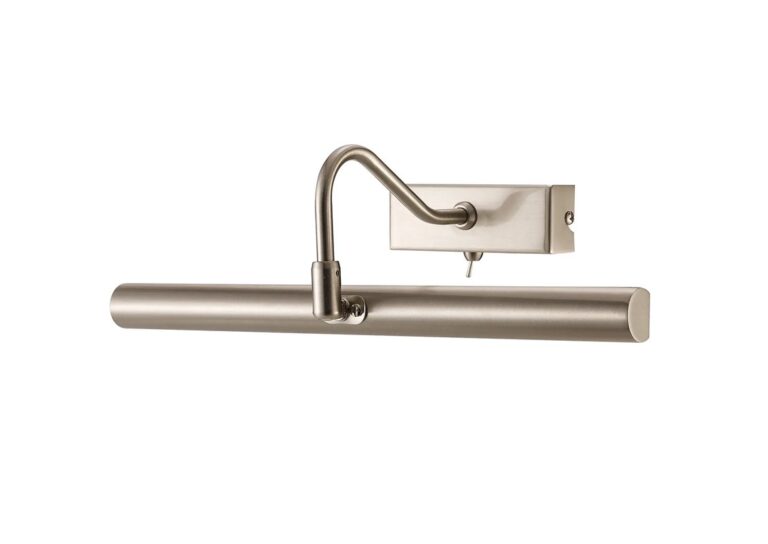
Lighting can transform a picture ledge from decorative to atmospheric. A nearby sconce, a picture light, or warm ambient lighting helps frames read more clearly and gives the whole wall a softer presence at night.
If you are planning lighting around artwork, Hurrell Editions also covers how to choose a picture light for artwork. The right glow can make even a modest ledge feel quietly luxurious.
Materials, Finishes, and Price Context in 2026
Material choice affects not only how a picture ledge looks, but also how it feels in the room. In 2026, buyers are often balancing visual warmth, durability, and budget more carefully than ever.
Wood, metal, lacquered, and painted finishes: what each look communicates
Wood ledges tend to feel warm, natural, and easy to live with. They suit organic interiors, classic rooms, and spaces where you want the display to feel soft rather than technical.
Metal options often read leaner and more contemporary. Lacquered and painted finishes can disappear into the wall or make a deliberate color statement, depending on whether you want subtlety or contrast.
Budget, mid-range, and heirloom-quality price expectations
Price varies widely depending on size, finish, and craftsmanship. Entry-level options are often suitable for lighter displays and temporary styling, while mid-range pieces usually offer better finish quality and sturdier mounting.
Investment pieces may be worth considering if the ledge will carry heavier framed work or if you want a finish that feels more architectural. For a broader buying perspective, our guide to the best picture ledge shelves for framed art display can help you compare options by use case.
How craftsmanship affects durability, visual weight, and longevity
Well-made picture ledges usually have cleaner joins, sturdier mounting, and a more confident profile on the wall. Those details matter because a ledge is both functional and visual; if it looks flimsy, the whole display can feel unsettled.
Better craftsmanship also helps with longevity. A stable ledge is less likely to warp, sag, or draw attention for the wrong reasons over time.
Care Tips and Display Best Practices
Because picture ledges hold objects close together, a little planning goes a long way. The goal is to make the wall feel effortless while still protecting the pieces you care about.
Safe spacing, weight limits, and wall-mounting considerations
Always respect the ledge’s stated weight limit and the type of wall you are mounting into. A light arrangement may be fine on one wall surface, while a heavier stack of frames may require stronger fixings and more careful positioning.
Spacing matters too. Leave enough room so frames do not lean at awkward angles or press too tightly against one another.
Heavy frames, glass-fronted artwork, and ceramic objects can shift if a ledge is overloaded. Use proper wall anchors, follow manufacturer guidance, and avoid placing fragile pieces where they can be easily knocked.
Dusting, surface protection, and preserving art, books, and frames
Picture ledges collect dust like any open display surface, so regular gentle cleaning helps. Use a soft cloth for the ledge itself, and keep frames, book covers, and objects free from buildup.
If a piece has a delicate surface, avoid abrasive cleaners and keep it out of direct moisture. Books, prints, and unglazed ceramics can all benefit from a dry, stable environment.
Paper-based art can be sensitive to direct sunlight, humidity, and heat. If your ledge sits near a window or radiator, choose archival framing and watch for fading or warping over time.
Refreshing the arrangement without making the space feel overworked
When you change the display, resist the urge to replace everything at once. Swapping one or two pieces is often enough to create a new mood while preserving the room’s continuity.
If you want the ledge to feel cohesive year-round, keep a few constants: one recurring frame finish, a repeated color, or a familiar object that anchors the arrangement.
A Creative Recap: The Picture Ledge as a Living Display for Artful Homes
A picture ledge remains one of the most graceful ways to live with art at home. It is flexible, visually calm, and especially suited to people whose collections are still growing or changing with time.
Why it remains a flexible, elegant tool for modern collecting and gifting
For gift-givers, it is a thoughtful format because it invites future additions: a print, a small book, a framed photograph, or a ceramic object can all become part of the story. That makes it more personal than a one-time decorative purchase.
For collectors, it is a practical way to keep art visible without overcommitting to a permanent arrangement. It encourages a slower, more intuitive relationship with the objects you love.
Inspiring readers to curate a display that feels personal, luminous, and changeable
The best picture ledges do not try to impress through quantity. They feel personal, luminous, and slightly in motion, like a wall that can grow with the people who live around it.
If you are drawn to artful interiors that can change with the seasons, a picture ledge may be exactly the kind of quiet design gesture your home needs.
Recommended Products
SHOP THIS SETUP
MCS Industries Gallery 48 Inch Picture Ledge Shelf, White
This is a strong pick for anyone trying to understand or style a picture ledge because it offers the classic narrow-profile design that keeps framed art visible while allowing easy swapping. Its longer 48-inch format gives you more display flexibility for layered artwork, books, and small decor, making it especially useful for a curated gallery wall look.
Frequently Asked Questions
A picture ledge is used to display framed art, books, and small decorative objects on a shallow wall-mounted shelf. It makes it easy to change the arrangement without rehanging everything.
A picture ledge is usually shallower and designed specifically to support framed pieces with a front lip. A regular shelf is often deeper and better suited to heavier or more varied storage.
Yes, many picture ledges can hold books, small sculptures, candles, and similar objects if the weight limit allows it. It is best to check the maker’s guidance before styling a ledge heavily.
Picture ledges can be a renter-friendly decorating choice because they create a strong display with fewer wall marks than a large gallery wall. They are also easy to update as your style changes.
Picture ledges often look best above sofas, beds, benches, or in hallways and reading nooks. The right height depends on the room, furniture scale, and the size of the objects you want to display.
Avoid overloading the ledge with heavy, unstable, or fragile objects unless the mounting and weight limit are appropriate. It is also wise to keep paper art away from direct sunlight, heat, and excess humidity.