Mount for Ring Light

The best mount for ring light depends on room size, the light’s weight, and how often you need to adjust it. A floor stand is the most versatile choice, while clamps and wall mounts are better when space is limited or the layout is fixed.
A mount for ring light can turn a basic light into a much more flexible setup, whether you need a tidy desk rig, a vanity station, or a freestanding option for filming and video calls. The best choice depends less on trend and more on where the light lives, how much space you have, and how much adjustability you need.
- Fit first: Match the mount to the ring light’s diameter, weight, and accessory load.
- Room matters: Floor stands suit flexible spaces; clamps and wall mounts suit smaller or fixed layouts.
- Stability counts: Strong joints, anti-slip feet, and a balanced base prevent wobble and drift.
- Style helps: Finish, footprint, and cord management affect how intentional the setup looks.
- Safety comes first: Verify wall type, cable strain, and tipping risk before installation or daily use.
Mount for Ring Light: What It Is and Which Setup It’s Best For
A ring light mount is the support system that holds the light in place and lets you position it at the right height, distance, and angle. Depending on the room, that support may be a floor stand, desk clamp, wall mount, or ceiling-mounted solution.
Quick answer: the best mount depends on your room, the ring light size, and whether you need a floor stand, desk clamp, wall mount, or ceiling-mounted solution
If you want the most flexible option, a floor stand is usually the easiest place to start because it works in many rooms and is simple to reposition. If your space is tight, a clamp or wall-mounted setup can free up floor area, but it only makes sense when the wall, desk, or shelf can safely support the hardware.
How a mount changes stability, angle control, and overall lighting results
The mount matters because ring lights are only useful when they stay steady and sit where you need them. A better mount reduces wobble, makes angle adjustments easier, and helps keep the light centered so faces, products, or artwork are lit more evenly.
It also affects the look of the room. A bulky stand can feel temporary or studio-like, while a slimmer wall or clamp solution can blend in more naturally if the room is already styled with clean lines.
How to Choose the Right Mount for Ring Light in 2026
Choosing well starts with the ring light itself. The safest approach is to match the mount to the light’s diameter, weight, and attachment style rather than assuming any stand will fit.
Compatibility basics: ring diameter, weight capacity, phone/camera holder fit, and adjustable arms
Check whether the mount is designed for your ring light’s size range and whether it can handle the full load once you add accessories. A phone holder, camera bracket, or mic arm can change the balance, so the mount should allow for that extra weight without sagging.
Adjustable arms are helpful when you need to fine-tune the light for makeup, livestreaming, or overhead content. Just make sure the joints lock firmly enough to hold position instead of slowly drifting after setup.
Key materials and specs to compare: steel, aluminum, ABS plastic, locking joints, and anti-slip bases
Steel and aluminum generally offer better structural support than lightweight plastic alone, especially for taller stands or larger ring lights. ABS plastic may still appear in clamps, knob housings, or accessory mounts, but it should not be the only material carrying the load if the setup is substantial.
Locking joints and anti-slip feet are worth paying attention to because they help the mount stay put on smooth floors, laminate desks, or vanity surfaces. A well-designed base matters as much as the arm itself, especially in homes with pets, kids, or high foot traffic.
Manufacturer descriptions can vary by model, so confirm the exact diameter range, load limit, and included adapters before buying. A mount that fits one ring light brand may not fit another without the right bracket or screw size.
Power and cable management considerations for modern LED ring light setups
Modern LED ring lights often bring cords, USB leads, remotes, or power adapters into the picture. A good mount should leave room for the cable path so the cord does not pull on the light or hang across a walking route.
If the setup sits near a vanity or desk, look for a mount that allows clips, channels, or simple routing along the pole. Clean cable management makes the whole arrangement feel more intentional and reduces strain on the connection points.
Best Mount Types by Room and Use Case
The best mount type depends on how you use the room day to day. A creator who moves between filming, calls, and product shots needs something different from someone who wants flattering light at a permanent makeup station.
Desk and home office setups for video calls, streaming, and content creation
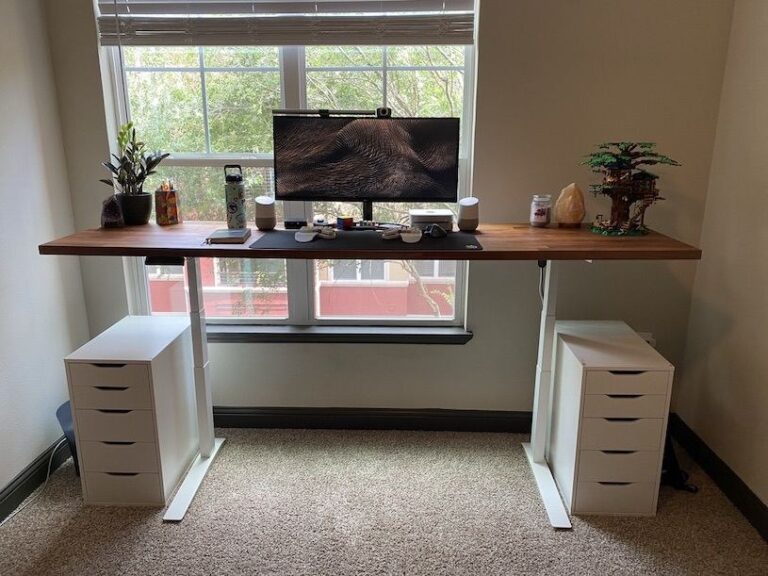
For desks, a clamp mount or compact stand is often the most practical choice because it preserves surface area and keeps the light close to your camera angle. This is especially useful in home offices where the light needs to disappear between meetings.
If the desk is shared with monitors or paperwork, choose a mount with a narrow footprint and enough height to clear the screen without blocking sightlines. For more guidance on light placement in compact work zones, see best gallery picture light for small spaces for a useful small-room mindset that also applies to tight desk layouts.
Bedroom, vanity, and makeup station placements for flattering close-up lighting
Vanity setups usually benefit from steady, close-range positioning and easy tilt control. A mount that lets the ring light sit slightly above eye level can help soften shadows and support more even face lighting.
In bedrooms, the mount should also feel visually calm. A slimmer stand or wall-based solution can be easier to live with than a large tripod if the room already has limited open floor space.
Living room, studio corner, and multi-purpose spaces where a floor stand or wall mount works best
In multi-purpose rooms, a floor stand is usually the most forgiving because it can be moved when the room changes from everyday living to filming or hosting. A wall mount makes sense when the light has a fixed purpose and the wall can safely support the hardware.
For rooms that double as display spaces, style matters too. If you are also thinking about picture lighting and room cohesion, the principles in how to choose a picture light for artwork can help you think about placement, proportion, and visual balance.
Small-space solutions: clamp mounts, foldable stands, and compact bases
Small rooms call for mounts that reduce clutter without sacrificing stability. Clamp mounts are useful when you have a sturdy desk or shelf, while foldable stands are helpful if you need to pack the setup away after use.
Compact bases work best when the ring light is not oversized and the floor is level. If the base is too light for the height of the stand, the setup can feel unstable even when the light itself is not especially heavy.
Styling a Ring Light Mount So It Blends Into the Room
A ring light mount does not have to look purely functional. With the right finish, placement, and cord control, it can feel like part of the room rather than equipment waiting to be put away.
Matching finish, color, and form factor to modern, minimalist, industrial, or soft neutral interiors
Matte black mounts often suit modern and industrial rooms because they visually recede against darker hardware and furniture. White, soft gray, or brushed metal finishes can work better in bright, minimal spaces where you want the light support to feel lighter and less technical.
Form factor matters too. A slim pole with a small base usually feels more refined than a chunky tripod, especially in bedrooms or living rooms where the light is visible even when not in use.
Placement ideas that reduce visual clutter while keeping the light practical
Place the mount where it has a clear line to the subject but does not block the room’s main circulation path. Near a corner, beside a desk, or just off to one side of a vanity often works better than centering it in the room.
Think of the mount as part of the room’s architecture: if it lines up with furniture edges, mirrors, or shelving, it tends to look more intentional and less temporary.
How to hide cords, balance the setup, and make the mount look intentional rather than temporary
Use simple cable routing so the cord follows the stand instead of hanging loosely. If the mount sits near a wall, keep enough slack to adjust the light without tugging the plug or adapter.
- Keep the base aligned with furniture lines so the setup feels planned.
- Use neutral cable clips or ties to reduce visual noise.
- Match the mount finish to nearby hardware when possible for a quieter look.
What to Look For Before You Buy
Before buying, focus on the features that affect everyday use more than marketing language. Height, movement, stability, and durability matter most because they determine whether the mount is comfortable to live with.
Height range, swivel range, and tilt control for better positioning
Height range should suit both your room and the subject you are lighting. A taller stand is useful for overhead angles and standing content, while a shorter mount is often better for desks and vanities.
Swivel and tilt control should feel smooth but firm. If the joints are too loose, the light may drift out of position; if they are too stiff, you may avoid adjusting it at all.
Base design: tripod, weighted base, clamp, or wall bracket
Tripod bases are versatile and easy to move, but they need enough floor room to stay out of the way. Weighted bases can look cleaner in some rooms, though they are less portable.
Clamp mounts save space and work well on sturdy furniture, while wall brackets are best when the layout is fixed and you are comfortable confirming wall type and anchoring needs before installation.
Build quality, vibration resistance, and long-term durability
Good build quality shows up in the details: solid knobs, stable joints, and parts that do not loosen quickly after adjustment. Vibration resistance matters if the mount sits near a desk, door, or high-traffic area where small movements can be noticeable on camera.
For wall-mounted or ceiling-mounted options, confirm the wall material, anchor method, and weight limit before installation. If the setup is heavy or the wall type is uncertain, a professional installer is the safer choice.
Value factors: bundled accessories, phone holder, remote options, and replaceable parts
Bundled accessories can make a mount feel more complete, but only if the included parts are actually useful and compatible with your setup. A phone holder is helpful for creators, while replaceable knobs or adapters can extend the life of the mount if something wears out later.
Remote controls and dimmer compatibility are worth considering if the ring light will be adjusted often, but they should not outweigh basic stability and fit. A simpler mount that holds position well is usually better than a feature-heavy one that feels flimsy.
- Confirm the ring light diameter and total weight with accessories attached.
- Check whether the mount is a tripod, clamp, wall bracket, or ceiling option.
- Review the finish and footprint so it suits the room when not in use.
- Verify the included hardware, adapters, and cable management features.
Common Mistakes When Choosing or Using a Mount for Ring Light
Most problems come from fit, placement, or safety oversights rather than the ring light itself. A careful setup can prevent wobble, awkward shadows, and avoidable damage to walls or furniture.
Buying a mount that cannot support the light’s weight or diameter
The most common mistake is assuming the mount will fit because it looks similar to another one. Diameter and weight capacity both matter, and accessories can push a setup beyond what the mount was designed to hold.
If the light is larger than expected, the mount may still attach but perform poorly over time, especially at full extension.
Poor placement that causes glare, shadowing, or awkward camera angles
Ring lights work best when they are placed deliberately in relation to the subject and camera. Too high, too low, or too far off-center, and the light can create reflections, uneven shadows, or a flat angle that does not flatter the face or object.
This is where the mount’s adjustability pays off. A setup with limited tilt or height control can make it harder to correct small issues once the light is installed.
Overlooking safety basics: cable strain, tipping risk, and wall anchoring requirements
Do not let cords pull on the mount or stretch across a walkway. Cable strain can loosen connections over time, and a stand placed in the wrong spot can become a tipping hazard.
For wall-mounted options, make sure the wall and anchors are appropriate for the load. If the instructions are unclear, pause and verify rather than guessing.
Care, Maintenance, and Safety Tips for Long-Term Use
A ring light mount lasts longer when it is treated like a piece of hardware rather than a disposable accessory. Small maintenance habits can keep joints tight and finishes looking cleaner.
Cleaning materials, tightening joints, and checking wear on clamps or screws
Dust the mount regularly with a soft cloth so buildup does not collect around moving parts. Check screws, knobs, and clamps from time to time, especially if you move the setup often or adjust it daily.
If a joint starts slipping, tighten it before it becomes a bigger problem. Catching wear early is easier than replacing a damaged bracket or stripped clamp later.
Storing foldable mounts and protecting finishes from scratches or dust
Foldable mounts should be stored in a dry spot where they will not knock against other furniture or tools. Wrapping or separating parts can help protect painted, powder-coated, or brushed finishes from scratches.
Safety reminders for floor stands, wall mounts, and high-traffic rooms
In busy rooms, keep the base out of narrow pathways and away from places where people might bump into it. If children or pets are around, extra stability matters more than a minimal footprint.
Wall-mounted and ceiling-mounted systems deserve extra caution because the installation method is part of the safety equation. When in doubt, confirm the wall type and hardware requirements before committing.
Final Recommendation: Which Mount for Ring Light Makes the Most Sense
The most sensible choice for most buyers is a stable floor stand with a reliable height range, because it balances flexibility, ease of setup, and broad compatibility. It is not the smallest option, but it usually offers the least friction for everyday use.
Best overall choice for most buyers
A floor stand is the best default if you want one mount that can move between rooms, support different angles, and adapt as your setup changes. It is especially useful when you are still deciding where the light should live permanently.
Best option for small rooms, creators, and vanity setups
For compact rooms, a clamp mount or slim base is often the smarter fit because it preserves usable space. Vanity users may prefer a mount with smooth tilt control and a stable base that keeps the light close without crowding the mirror area.
When to choose a premium mount versus a budget-friendly alternative
Choose a premium mount when the ring light is large, the setup is used often, or the room needs a cleaner, more permanent look. A budget-friendly option can be perfectly reasonable for lighter lights, occasional use, or temporary setups, as long as it meets the size and safety requirements.
- Match the mount to the light’s size, weight, and accessories before thinking about style.
- Floor stands suit most rooms, while clamps and wall mounts work best when space is tight or the layout is fixed.
- Stable joints, good cable routing, and correct placement matter more than extra features.
Frequently Asked Questions