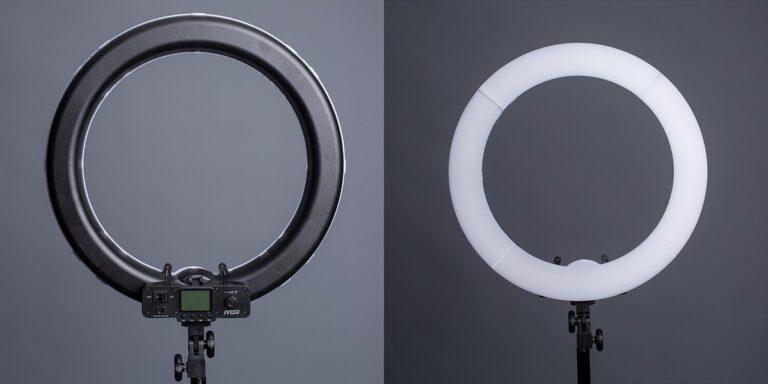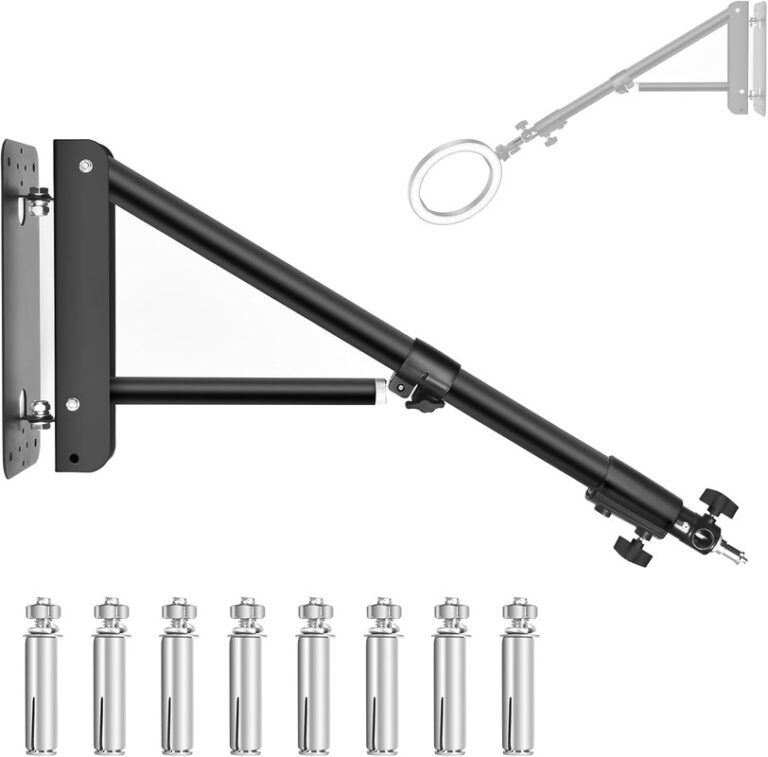
Ring Light Wall Mount

A ring light wall mount is best when you want a permanent, space-saving lighting setup for a vanity, office, or content corner. It is less ideal if you need to move your light often or cannot verify the wall type and hardware.
A ring light wall mount is a practical way to bring focused, flattering light onto a wall instead of taking up floor or desk space. For bedrooms, vanity setups, home offices, and small studios, it can be a cleaner-looking option than a stand—if the wall, hardware, and light size all suit the room.
- Best fit: Vanity areas, bedrooms, home offices, and small studios benefit most from wall mounting.
- Key check: Confirm wall type, load rating, and cable routing before you buy.
- Style win: A wall mount can look cleaner and more intentional than a floor stand.
- Main tradeoff: You gain space but lose portability and easy repositioning.
What a Ring Light Wall Mount Is and Whether It’s the Right Choice
A ring light wall mount is a lighting setup that attaches a ring light to the wall, usually with a fixed bracket or an articulated arm. The main appeal is simplicity: it keeps the light elevated, frees up surface space, and can make a compact room feel less crowded.
That said, it is not the most flexible option for every setup. If you move your lighting often, share the space with other people, or need to reposition the light for different tasks, a floor stand or desktop model may be easier to live with.
In style terms, wall mounting often looks more intentional than placing a light on a stand in the middle of the room. In practical terms, it works best when you want a semi-permanent lighting station that stays ready for makeup, video calls, product photos, or content creation.
Who a Ring Light Wall Mount Works Best For in 2026
This setup tends to make the most sense for people who want a dedicated lighting zone rather than a portable tool. It is especially useful when the room is small, the desk is already crowded, or the vanity area needs a cleaner visual line.
Best room fits: bedrooms, home offices, vanity areas, studios, and content corners
Bedrooms benefit when the light has to do double duty as a beauty or selfie light without cluttering the floor. Home offices are a strong fit when video calls matter and the desk needs to stay clear.
Vanity areas are one of the most natural matches because the light can sit near a mirror and stay in place. Studios and content corners also work well, especially when the wall mount helps define a repeatable filming area.
In very small rooms, the wall mount may feel visually lighter than a stand, but only if the arm length and ring diameter are proportionate to the wall.
Best user types: creators, beauty users, streamers, photographers, and small-space decorators
Creators and streamers often want a consistent light source that does not move around every time the camera angle changes. Beauty users may prefer the steady placement near a mirror, especially when the setup stays in one place.
Photographers and product sellers may like the cleaner working surface, though a wall mount is not always the best choice if the lighting needs to travel from room to room. Small-space decorators may simply appreciate that the wall-mounted form reads more like built-in decor than temporary equipment.
For a permanent vanity or content corner, a wall-mounted ring light is usually the best mix of function and visual order. For flexible shooting or shared rooms, a portable stand still wins on convenience.
Key Features to Look For Before You Buy
Before choosing a model, focus on how the mount works in the room, how the light behaves on camera or in a mirror, and whether the hardware feels appropriate for the wall. The best choice is usually the one that balances adjustability with stability.
Mounting style, arm adjustability, and swivel range
Some wall mounts use a simple fixed bracket, while others include an adjustable arm that swings outward and changes angle. More movement is helpful if the light needs to serve multiple purposes, but extra joints can also mean more points to check for stability.
If you want one setup for makeup, calls, and filming, look for a mount that can tilt and swivel without forcing the ring light to sit awkwardly far from the wall. If the room is narrow, a slimmer profile may be more practical than a highly articulated arm.
Ring size, brightness, color temperature, and dimming controls
Ring size affects both the look of the setup and the spread of light. Larger rings can feel more balanced in bigger rooms, while smaller rings may suit tight vanity spaces or compact desks.
Brightness and dimming matter more than many buyers expect. A light that is too intense can create glare in mirrors and on camera, while one that dims smoothly is easier to adapt to daytime and evening use. If the model offers adjustable color temperature, that can help the light feel warmer for ambient use or cooler for task lighting.
If the mount will sit near a mirror, prioritize smooth dimming and a lower glare profile over the largest possible ring size.
Power source, cable management, and remote or app control
Most wall-mounted ring lights are still plug-in models, so outlet placement matters. Before buying, think about where the cable will run and whether the cord can be routed neatly without crossing walkways or hanging awkwardly down the wall.
Remote control or app control can be useful when the light is mounted higher than arm’s reach. That convenience is especially nice in vanity rooms, home offices, or filming areas where changing brightness quickly is part of the routine.
Materials, weight capacity, and finish quality
Build quality is a major factor because wall mounts rely on both the hardware and the wall itself. Metal arms, solid joints, and a finish that resists visible wear usually feel more dependable than lightweight parts that flex easily.
Weight capacity should always be checked against the exact light you plan to use, because limits vary by model and by installation method. Finish quality also matters visually; a matte black or brushed metal mount often blends more easily into modern interiors than a shiny, overly reflective bracket.
- Confirm the ring size and arm reach fit your wall and subject distance
- Check the power source and cord path before installation
- Verify the mount hardware matches your wall type and light weight
- Choose controls that are easy to reach once the light is installed
Wall Mount Sizing, Placement, and Installation Basics
Good placement is what separates a useful wall-mounted light from one that feels awkward or harsh. The right height, distance, and hardware choice matter as much as the design of the light itself.
Ideal height and distance from the subject or workspace
For vanity or face-level use, the light usually works best when it is close enough to brighten the subject evenly without crowding the mirror or desk. For desk work or video calls, the goal is often to place the light high enough to avoid blocking the screen while still lighting the face from a flattering angle.
Because room layouts vary so much, there is no single perfect measurement. A useful rule is to mock up the position with painter’s tape or a paper circle before drilling, then check how the light will look from the chair, mirror, or camera position.
Wall type considerations: drywall, studs, masonry, and anchors
Wall type is one of the most important safety considerations. Drywall alone may not be enough for heavier arms or larger lights, while studs, masonry, or properly rated anchors can offer more secure support depending on the product and the wall condition.
If you are unsure what is behind the wall, verify it before installation rather than guessing. That matters even more in rental homes, older houses, or spaces where the wall surface may hide uneven framing or previous repairs.
Do not assume the included screws or anchors are suitable for every wall. Check the manufacturer’s installation guidance, confirm the load rating, and use a professional installer when the wall type, weight, or wiring situation is uncertain.
Hardware, load safety, and when professional installation makes sense
Some wall mounts are straightforward to install, but the risk goes up when the arm is long, the ring is large, or the wall surface is not ideal. A professional installer can be a smart choice if you are mounting into masonry, dealing with uneven surfaces, or want a cleaner concealed-cable result.
Professional help can also make sense when the setup is part of a larger room refresh, especially in a vanity wall or studio corner where alignment matters visually. If the mount is expected to stay in place for years, a careful installation is often worth the added effort.
Wall-mounted lighting often looks more polished when its cable path is planned before installation, rather than hidden afterward.
Styling Ideas: How to Make a Wall-Mounted Ring Light Look Intentional
When the light is treated as part of the room design, it can look less like equipment and more like a built-in feature. The key is to coordinate the finish, surrounding objects, and visual weight of the wall.
Matching the mount finish to modern, minimalist, industrial, or glam decor
Matte black mounts usually fit modern and industrial rooms because they echo hardware, frames, and desk accessories. White or light neutral finishes can disappear more easily in minimalist spaces, while gold or brass-toned details may suit glam or vanity-forward interiors.
For a more deliberate look, match the mount finish to nearby elements such as drawer pulls, mirror frames, or shelving brackets. If the room already has mixed metals, choose the finish that best supports the dominant accent rather than trying to match everything exactly.
Using the light as a functional focal point in vanity and studio setups
A wall-mounted ring light can become the anchor of a vanity wall or filming corner. To make that feel intentional, keep the surrounding area tidy and let the light read as the main functional object rather than one more item competing for attention.
In a studio corner, the mount can help define the boundary between work zone and living space. That is especially useful in apartments or multipurpose rooms where one wall needs to do a lot of visual work.
Coordinating with mirrors, desks, shelves, and gallery wall elements
If the ring light sits near a mirror, keep the mirror size and the light diameter in proportion so the arrangement does not feel lopsided. Near a desk, the mount should leave enough room for monitors, notebooks, and task lighting without crowding the work surface.
It can also sit alongside shelves or framed art, but the layout should avoid making the wall feel busy. If you are combining lighting and wall decor, a restrained arrangement tends to look more polished than trying to fill every inch.
For readers interested in related wall-lighting ideas, Hurrell Editions also covers what a dimmable picture wall light is, which can help when you are comparing different kinds of mounted lighting for a room.
Think of the wall light as part of the room architecture: the cleaner the surrounding wall, the more deliberate the setup will feel.
Benefits, Limitations, and Common Mistakes to Avoid
A wall mount offers real advantages, but it also asks for more planning than a portable light. Understanding both sides helps you avoid disappointment after installation.
Space-saving and cleaner desk surfaces versus reduced portability
The biggest benefit is that the floor and desktop stay clearer. That matters in small bedrooms, compact offices, and vanity areas where every inch counts.
The tradeoff is portability. Once the light is mounted, it is less convenient to move for travel, shared use, or frequent room rearranging. If your lighting needs change often, a removable setup may be more practical.
- Saves floor and desk space
- Creates a cleaner, more permanent look
- Works well for repeat lighting setups
- Less portable than a stand
- Depends on wall type and hardware
- Can be harder to reposition later
Frequent errors: poor height, glare, unstable mounting, and messy cables
One common mistake is placing the ring too high or too low for the actual user. Another is forgetting how the light will reflect in a mirror or camera lens, which can create glare that is distracting rather than flattering.
Unstable mounting is the most serious issue, and messy cable runs can make even a good setup look unfinished. It is worth slowing down at the planning stage so the final result feels both safe and visually clean.
- Test the position with tape before drilling
- Plan the cable route in advance
- Confirm the wall can support the chosen mount
- Mounting based on guesswork
- Ignoring glare in mirrors or screens
- Using hardware that is not rated for the wall or load
When a floor stand or desktop ring light may be the better alternative
If you need to move the light often, shoot in different rooms, or share the setup with others, a floor stand can be more practical. Desktop ring lights are also easier for temporary use and usually require less commitment from the wall.
For renters who cannot modify walls freely, or for rooms where drilling is not ideal, a portable option may be the safer and simpler choice. The best lighting solution is the one that fits the room you actually have, not the one that looks best in theory.
Care, Maintenance, and Long-Term Value
A wall-mounted light can last a long time if the hardware is checked periodically and the finish is cleaned with care. Maintenance is usually simple, but it should not be skipped.
Cleaning the ring, arm joints, and wall hardware safely
Dust can build up on the ring, joints, and cable runs, especially in bedrooms and studio corners. Use gentle, non-abrasive cleaning methods and avoid soaking any electrical parts or hardware.
Arm joints should be handled carefully so the mount does not loosen over time. If the finish is painted, brushed, or coated, use products that will not dull or scratch the surface.
Checking fasteners, cable wear, and brightness consistency over time
It is smart to check screws, anchors, and visible cable wear on a regular basis, especially if the arm moves often. Any sign of looseness should be addressed promptly rather than ignored.
Brightness consistency also matters. If the light begins to flicker, dim unevenly, or shift in color unexpectedly, confirm the issue with the manufacturer’s support and care guidance rather than assuming it is normal wear.
For buyers comparing mounted lighting approaches, Hurrell Editions has a useful guide on gallery picture lights for small spaces, which can help if your room needs a more decorative wall-lighting solution. If you want a broader comparison of mounted options, the best gallery picture light overview is also a helpful reference.
What makes a ring light wall mount a worthwhile investment in 2026
It is worth the investment when the setup solves a real space problem and supports a routine you already use. That could mean a vanity that needs cleaner surfaces, a home office that needs dependable video-call lighting, or a content corner that benefits from a fixed, repeatable arrangement.
The value is strongest when the mount feels integrated into the room rather than added as an afterthought. If you have to fight the wall, the cable path, or the arm position every day, the convenience quickly disappears.
Final Verdict: Is a Ring Light Wall Mount Worth It for Your Space?
A ring light wall mount is worth considering if you want a tidy, semi-permanent lighting solution that saves space and looks more built-in than a portable stand. It is especially appealing for vanity areas, compact bedrooms, home offices, and content corners where the light can stay in one place and do its job consistently.
The best version is the one that matches your wall type, room scale, and daily routine. If you need flexibility more than permanence, choose a floor stand or desktop light instead; if you want a cleaner, more intentional setup, the wall-mounted route is often the better fit.
Frequently Asked Questions