Ring Light on Eyes

A ring light on eyes is the circular catchlight that appears when the light sits near the camera and faces the subject directly. It can look flattering for calls and content, but the best result depends on brightness, distance, and alignment.
A ring light on eyes can create a bright, centered catchlight that makes portraits, video calls, and beauty content look more awake and polished. The effect is useful when you want crisp visibility and a clean on-camera look, but placement and brightness matter more than most people expect.
- Flattering when controlled: The effect works best when the reflection is subtle and the face stays evenly.
- Placement matters most: Eye-level alignment and moderate distance usually improve the result more than max brightness.
- Buy for control: Dimming, color temperature, and a stable mount are more useful than extra gimmicks.
- Not always the best choice: If you want depth or mood, softer side lighting may be better.
Ring Light on Eyes: What the Effect Is and How to Use It Well
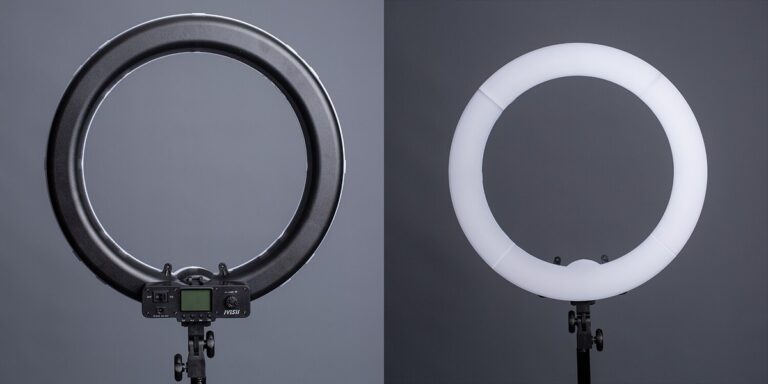
The “ring light in the eyes” look is the reflection of the light source in the cornea. It shows up as a circular highlight, or catchlight, and it can make the eyes feel more lively because the face reads as better lit and more dimensional.
In practice, the effect is not just cosmetic. It also signals where the light is positioned, how strong it is, and whether the camera is seeing a balanced setup or a harsh one. A good ring light effect should support the face, not dominate it.
Why the ring light reflection appears in the eyes
The reflection appears because eyes are naturally glossy and reflective. Any bright light placed in front of a person can show up there, but a ring light creates a distinct circular shape that is easy to recognize on camera.
That shape is especially noticeable when the light is centered close to the lens. Since the camera looks through the middle of the ring, the reflection often lands in both eyes in a symmetrical way.
The exact size and sharpness of the reflection depends on the ring light’s diameter, diffusion, distance from the face, and whether the camera is aligned through the center of the ring.
When the look feels flattering versus distracting
The look feels flattering when the eyes stay bright, the skin tone looks even, and the reflection is subtle enough that it adds life without stealing attention. It tends to work well for close-up framing, where the face is the main subject.
It becomes distracting when the ring is too bright, too close, or too visible as a hard circle in the pupils. If the reflection is overpowering, the eyes can look shiny rather than clear, and the face may lose depth.
- Adds a lively catchlight that helps eyes stand out
- Can make faces look more evenly lit in tight framing
- Works well for simple, front-facing camera setups
- Can create a flat look if used as the only light
- May produce obvious eye reflections in some angles
- Can feel harsh if brightness is pushed too high
Best Uses in 2026: Video Calls, Content Creation, Beauty, and Home Setup
Ring lights remain popular because they solve a practical problem: they help a face read clearly in small, controlled spaces. That makes them especially useful for people who work, create, or get ready in rooms where daylight is inconsistent.
The best use case is still the one where the face is the focal point. If the room needs atmosphere more than direct facial illumination, another lighting style may be a better fit.
Who benefits most from the ring-light-eye look
People on video calls often benefit because the catchlight helps them look more alert and present on screen. Content creators, beauty shoppers, makeup users, and anyone recording tutorials also tend to like the effect because it keeps the eyes readable in close framing.
It is also helpful for renters or apartment dwellers who need a compact lighting solution without building a full studio. A ring light can be a practical middle ground between natural light and more complex lighting rigs.
Which rooms and setups suit it best
Ring lights work best in bedrooms, home offices, vanity corners, and small studios where the subject sits fairly close to the camera. They are also useful in multipurpose spaces because they can be stored when not in use.
For decor-conscious rooms, the light itself should not fight the space. A simple stand, neutral finish, and tidy cable management matter more than people often realize.
Think of the ring light as a functional accent in the room: visible enough to be useful, discreet enough to disappear when the session is over.
What to Look For in a Ring Light That Looks Good in the Eyes
The goal is not just brightness. A ring light that looks good on camera should let you control intensity, color, and placement so the reflection stays clean instead of overpowering.
Because product details vary by model, check the manufacturer specifications before buying rather than assuming all ring lights behave the same way.
Brightness levels and dimming range
More dimming control usually means more flexibility. A light that only offers a few rough steps may be harder to tune for different rooms, while smoother dimming can help you find a level that flatters the face without washing out detail.
Look for a model that can go low enough for close-range use and high enough for brighter rooms. If you plan to use it near a monitor, lower settings often feel more comfortable and less reflective.
Color temperature options and skin-tone accuracy
Color temperature affects whether the light feels warm, neutral, or cool. Warm settings can feel softer and more relaxed, while neutral settings often look more natural for video calls and general content.
Skin-tone accuracy matters because an attractive catchlight is less useful if the rest of the face looks orange, gray, or overly blue. If the light offers adjustable color temperature, that usually gives you more room to match the room and camera.
If you are choosing between two ring lights, prioritize good dimming and color adjustment before chasing the brightest model. Control usually matters more than raw output for face lighting.
Size, shape, and diffusion for a softer catchlight
Larger ring lights can create a broader, softer-looking reflection, while smaller ones may appear more concentrated. Diffusion also matters because it helps reduce the hard, pinpoint quality that can make the eyes look overly shiny.
The ideal choice depends on your camera distance and framing. A compact desk setup may only need a modest ring, while a wider beauty or product setup may benefit from a larger diameter and gentler diffusion.
Power source, mounting style, and stability
USB-powered, plug-in, and battery-powered ring lights each fit different workflows. Plug-in models are usually best for longer sessions, while battery or rechargeable options can be more convenient for flexible placement.
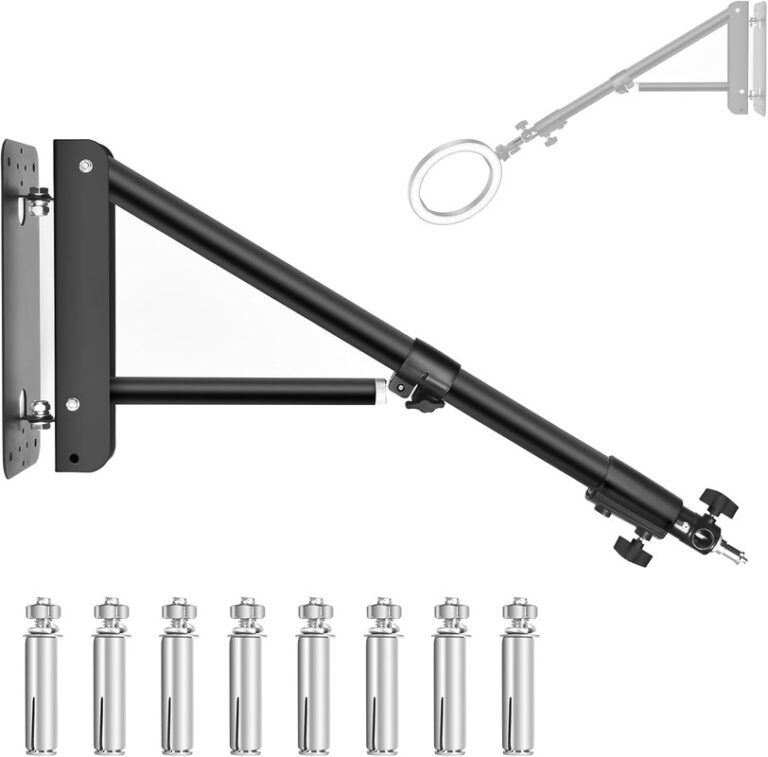
Mounting style matters too. A stable stand, tripod, or clamp can prevent wobble, which is important when the light is centered around the camera. If the stand feels flimsy, the reflection can shift every time the desk moves.
- Adjustable brightness for close and mid-distance use
- Color temperature options that suit your skin tone and room light
- A ring size that matches your camera framing
- A stable mount or stand for desk or floor placement
Placement Guide: Getting the Ring Light Reflection Right
Placement is what separates a flattering catchlight from an obvious glare. Even a well-made ring light can look awkward if it sits too low, too close, or off-center from the camera.
Think of placement as a balance between face lighting and eye comfort. The light should illuminate the subject evenly while keeping the reflection controlled.
Distance from face and camera
As a general rule, moving the light slightly farther away softens the reflection and spreads the illumination more evenly. Bringing it closer increases intensity and makes the ring more obvious in the eyes.
If you are working at a desk, start with the light just far enough to frame the face comfortably and then adjust from there. Small changes in distance can make a bigger difference than changing the brightness alone.
Height, angle, and center alignment
The ring should usually sit close to eye level or slightly above it. That helps avoid under-eye shadows and keeps the face from looking lit from below, which can feel unnatural.
Center alignment is important because the camera often sits inside the ring. If the lens is too far above or below the center, the catchlight may look uneven or the face may get shadowing that feels less polished.
Place the camera where the face will be framed, then position the ring around it instead of guessing from the light alone.
Keep the ring close to eye level or just above so the face stays open and the eyes do not sink into shadow.
Look at the eyes on screen and adjust until the catchlight reads as clear but not overpowering.
How to avoid harsh shadows and glare
Harsh shadows usually appear when the light is too direct, too close, or the room has competing bright sources. If the ring is the only light, you may need a little fill from the room or a gentler setting to keep the face from looking stark.
Glare can also show up in glasses, glossy skin, or reflective surfaces behind the subject. If that happens, reduce brightness, shift the angle slightly, or add a bit more distance between the subject and the background.
Do not improvise unstable mounting or overload a stand with extra gear. If a setup feels top-heavy, check the manufacturer’s load guidance and use a safer support method.
Styling Ideas for a Polished, Camera-Ready Look
A ring light can be practical and still look intentional in the room. The trick is to treat it as part of the setup rather than a temporary gadget sitting in the middle of the decor.
Simple styling choices can make a small space feel more organized and more professional on camera.
Matching the light to your background and decor
Neutral finishes usually blend more easily with modern, minimal, and home-office interiors. If your space already has warm wood, soft textiles, or brass accents, a warmer light setting can help the scene feel cohesive.
In more colorful rooms, a clean white or black ring light can keep the setup from competing with the background. The goal is visual clarity, not extra visual noise.
- Keep the background simpler than the subject so the face stays the focus
- Match light color to the mood of the room, not just the brightest setting
- Use cable clips or a basket to reduce visual clutter near the stand
Using ring lights with mirrors, desks, and vanity areas
Vanity setups work well because the ring light naturally complements grooming and beauty routines. A mirror can help with placement, but be careful not to create extra reflections that show the ring in awkward places.
At a desk, leave enough room for the tripod legs or base so the setup does not crowd your keyboard, notebook, or monitor. In smaller rooms, a compact footprint often matters more than a larger light source.
For more lighting ideas in compact spaces, readers may also want to compare a gallery picture light for small spaces when they are building a layered room rather than a camera-only setup.
Creating a clean look for bedrooms, studios, and small spaces
Bedrooms and studio corners benefit from a setup that can disappear when not in use. A light that folds, tilts, or stores easily is often more practical than a permanently visible rig.
In small spaces, the visual weight of the stand matters almost as much as the light itself. Slim profiles, simple cables, and a neutral backdrop help the room stay calm even when the ring light is out.
Catchlights are a classic portrait detail because they help eyes appear more alive and make the subject feel more connected to the viewer.
Benefits and Limitations of the Ring Light Eye Effect
The ring light eye effect is popular because it solves a visibility problem quickly. It is not the only good lighting style, though, and knowing its limits helps you choose the right tool for the room and the job.
Why it improves clarity and visual energy
The reflection adds a point of brightness that makes the eyes feel engaged. Combined with even facial illumination, that can make video calls, livestreams, and tutorial content feel more immediate and easier to watch.
It also gives a sense of consistency. Because the light is close to the camera axis, the face often looks more predictable from session to session than it would with a window whose light changes throughout the day.
Common drawbacks: flatness, reflections, and eye strain
The main drawback is flatness. A ring light often lights the face from the front, which reduces shape and shadow, so the image can feel less dimensional than side lighting or a two-light setup.
Reflections can also be a problem, especially for glasses wearers or people with glossy skin products. And if the light is too bright for too long, it can feel tiring to look at directly, especially in a small room.
When another lighting style may work better
If you want a more editorial, sculpted, or atmospheric look, a ring light may not be the best choice. Softboxes, side lights, or window light can create more depth and a less obvious reflection.
For artwork, shelves, or wall decor near a workspace, a dedicated picture light may be a better match than a face-focused ring light. If that is your goal, Hurrell Editions also covers how to choose a dimmable picture wall light and how to choose a picture light for artwork.
Common Mistakes to Avoid When Using a Ring Light
Most ring light problems come from overcorrection. People often increase brightness to solve one issue, then create another one with glare, flatness, or harsh contrast.
A better approach is to make small changes one at a time and check the result on camera.
Overpowering the room with too much brightness
Too much brightness can flatten the face and make the ring reflection dominate the eyes. It can also make the subject look more exposed than polished, especially in a small room with light walls.
Instead of maxing out the light, start lower and raise it gradually until the face is clear. A softer setting often looks more expensive on camera than a blasting one.
Placing the light too close or too low
When the light sits too close, the reflection becomes obvious and the face can lose depth. When it sits too low, shadows can creep upward and make the expression look less natural.
Keeping the ring near eye level usually gives a more balanced result. If you need to sit very close to the camera, a slightly larger ring or more diffusion may help.
Ignoring screen reflections, color cast, and background clutter
Screen reflections are easy to miss until you are on a call or recording. If you wear glasses or work in front of a glossy monitor, adjust the angle so the ring is not bouncing directly into the lens or lenses.
Color cast matters too, especially when the room has mixed lighting. A warm lamp in one corner and a cool ring light in front can make the overall image look inconsistent. Keep the background tidy as well, because clutter becomes more noticeable when the face is brightly lit.
- Use the ring light for clear, centered facial lighting, not just maximum brightness.
- Choose dimming, color control, and stable mounting before focusing on extras.
- Place the light near eye level and adjust distance to soften the eye reflection.
- If you want more depth or mood, another lighting style may suit the space better.
Care, Maintenance, and Final Buying Recommendation
Good care keeps the light looking clean and working consistently, especially if it lives in a bedroom, office, or vanity area where dust and cable wear can build up over time.
The best purchase is usually the one that matches your room, your camera distance, and how often you plan to move the setup.
Cleaning the ring, stand, and diffuser safely
Use a soft, dry cloth for regular dusting and follow the manufacturer’s care instructions for any diffuser or plastic surface. Avoid aggressive cleaners unless the product documentation specifically allows them.
If the light has a fabric case, foam insert, or removable diffuser, handle those parts gently so they do not warp or collect residue. Let the unit cool before cleaning if it has been on for a while.
Storage, cable care, and long-term durability
For long-term durability, store the light in a way that prevents the cord from bending sharply or the stand from taking unnecessary stress. Coiling cables loosely is usually safer than wrapping them tightly.
If you move the light often, check that knobs, joints, and clamps remain snug. Small loosening over time can affect alignment and make the catchlight shift from one session to the next.
If you plan to keep the light visible in a room, choose a model with a cleaner stand and a quieter visual profile. If you plan to store it often, prioritize light weight and quick setup.
Final verdict: who should buy one and what type is best
A ring light is a smart buy for anyone who needs reliable face lighting in a compact space, especially for video calls, beauty content, and casual creator work. It is less compelling if you want dramatic portrait lighting or a room that relies on ambient mood rather than direct illumination.
For most shoppers, the best choice is a model with adjustable brightness, adjustable color temperature, a stable stand, and enough size to soften the eye reflection without overwhelming the face. If you want the most versatile result, choose control and stability over maximum output.
The most practical ring light is a mid-sized, dimmable model with adjustable color temperature and a stable tripod or desk mount. It suits home offices, vanity corners, and small creator setups, though it will not replace more directional lighting when you want deeper shadows or a cinematic look.
Frequently Asked Questions