Affordable Coffee Table Books for Decor Youll Love

Affordable coffee table books can add color, height, and personality to a room without a major decor overhaul. Choose books with the right size, durable construction, and subjects that genuinely suit your space and interests.
Affordable coffee table books for decor can make a room feel more finished, personal, and layered without asking for a big furniture budget. A well-chosen stack adds visual height, introduces color or texture, and gives surfaces a collected look that feels intentional rather than empty. The key is choosing books that work as both objects and reading material, then styling them in a way that suits the scale and mood of the room.
- Best value: Look for strong cover design, good proportions, and sturdy binding rather than luxury editions.
- Room fit: Living rooms suit conversation-starting subjects, while bedrooms usually look better with calmer, more personal.
- Styling rule: Keep stacks low, leave open space, and use books as a base for trays.
- Common mistake: Do not buy only for the cover if the size, durability, or subject feels.
- Before buying: Verify dimensions, cover type, and current price or availability on the official listing.
Why affordable coffee table books are one of the easiest decor upgrades in 2026
Not every decor update needs paint, new lighting, or a major furniture swap. Coffee table books are one of the simplest ways to change how a room looks because they sit right at eye level on tables, consoles, shelves, and nightstands. They can soften a sparse room, bring cohesion to a mixed-style space, or add a polished layer to a home that already feels mostly complete.
They also solve a common styling problem: flat surfaces that look unfinished. A tray alone can look too bare, and a candle alone can look temporary. A book or two underneath creates a base, adds proportion, and gives smaller objects more presence.
How they add color, height, texture, and personality without a full room refresh
Books do several visual jobs at once. Covers bring color, linen or paper jackets add texture, and a stack instantly creates height variation. That matters because rooms usually look better when not every object sits at the same level.
They also communicate taste. A travel title suggests curiosity, an interiors volume can reinforce the room’s design language, and an art or photography book adds cultural interest. Even when guests never open them, the subjects help tell a story about the home.
What “affordable” means for coffee table books today
Affordable does not mean flimsy, generic, or disposable. In this category, it usually means looking for strong visual impact at a lower price point than collectible art monographs, large-format museum editions, or limited-run design books.
That can include compact hardcovers, publisher reprints, outlet editions, overstock copies, secondhand finds, and visually strong books from lifestyle, photography, travel, or interiors publishers. Prices vary widely by retailer, format, and availability, so it is smart to confirm current pricing before buying.
For many shoppers, the sweet spot is a book that feels substantial enough to display, has a cover and spine worth seeing every day, and still stays within a comfortable impulse-purchase or gift budget.
What to look for when choosing affordable coffee table books for decor
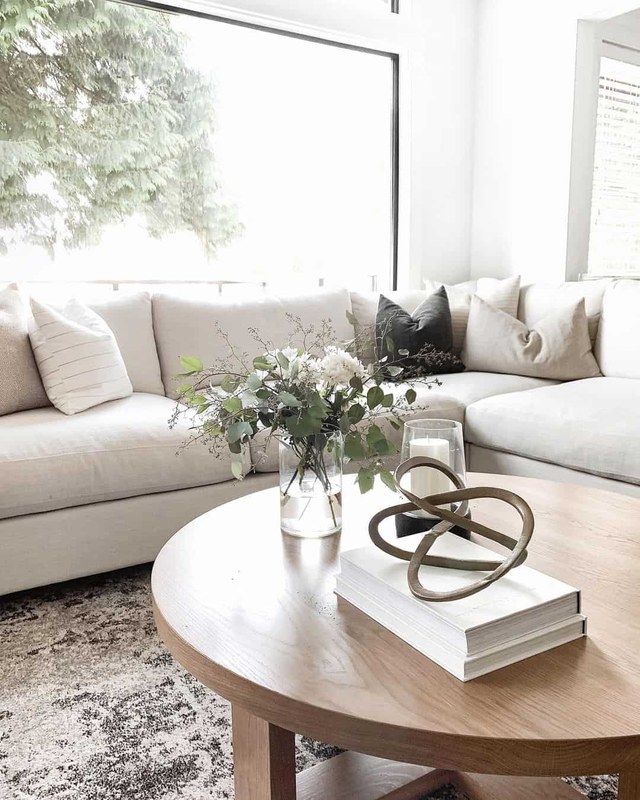
Stacked coffee table books sit beside simple decorative objects in a neutral living room.
Before buying by cover alone, think about how the book will function in your space. A beautiful title that is too large, too delicate, or visually off-theme can end up feeling awkward instead of elevated.
Cover design, spine appeal, and color palette
The front cover matters if the book will sit on top of a stack, but the spine matters just as much if it will live on a shelf or under another object. Look for clean typography, balanced imagery, and colors that either coordinate with your room or provide deliberate contrast.
Neutral spaces often benefit from one book with richer color, while colorful rooms may look better with calmer covers that give the eye a place to rest. Matte jackets tend to feel softer and more understated; glossy covers usually read bolder and more contemporary.
Book size, stackability, and visual weight
Size affects styling more than many shoppers expect. A small book can disappear on a large coffee table, while an oversized title can dominate a narrow console. Visual weight matters too: dark covers, thick page blocks, and large formats feel heavier even when the actual weight is manageable.
For most surfaces, use the largest book at the bottom, a slightly smaller one above it, and keep the total stack height proportionate to the table. If the stack blocks sightlines across the room, it is probably too tall.
If you are decorating a tighter space, a guide to coffee table books for small spaces can help narrow down better proportions and formats.
Subject matter that suits your room and personal style
Subject choice should reflect both your interests and the room’s mood. In a formal living room, architecture, fashion, or museum books may feel especially natural. In a relaxed bedroom, travel, gardens, or personal-interest topics can feel softer and more intimate.
Matching subject matter too rigidly is not necessary, but some connection helps. A coastal room may welcome travel or landscape photography. A modern organic interior often suits nature, craft, or earthy design books. A vintage-inspired space may look best with books that have a sense of history or patina.
Paper quality, binding, dust jackets, and durability
Budget books vary a lot in construction. Some have sturdy boards and sewn bindings; others rely on lighter materials and more delicate jackets. Product listings do not always make these differences obvious, so check official specifications where available.
Dust jackets can look elegant, but they also scuff faster on high-touch surfaces. Exposed hardcover boards may wear better for everyday styling. If the book will sit in a busy family room, durability may matter more than having the most pristine photographic finish.
Books displayed in direct sun, near damp windows, or beside heat sources can fade, warp, or curl over time. If a title has a delicate jacket or light-colored cover, place it away from strong sunlight and frequent spills.
How to choose the right coffee table books for each room
The same book can feel perfect in one room and out of place in another. Think about how the room is used, how formal it feels, and whether the books are meant to invite browsing or mainly support styling.
Living room books that spark conversation
Living rooms are usually the best place for more social, visually engaging subjects. Art, architecture, fashion, design, photography, and travel all work well because they are easy for guests to dip into casually. Books with strong imagery and accessible captions tend to be especially successful here.
If your space leans contemporary, browse ideas similar to these coffee table books for modern living rooms. For art-focused homes, museum and exhibition-style titles can also create a more collected look.
Bedroom choices that feel calm, personal, and layered
Bedrooms generally benefit from quieter books. Think soft photography, gardens, interiors, travel memories, poetry-adjacent visual books, or subjects that feel personal rather than performative. The goal is less “conversation starter” and more “private retreat.”
On a nightstand, one book may be enough. On a dresser or bench, a low stack can support a small bowl, candle, or floral stem without making the room feel busy.
Entryway and console table books that make a strong first impression
Entryways need impact fast. Since these surfaces are often narrow, choose books with enough graphic presence to register immediately but not so much bulk that they crowd mail trays, keys, or lamps. One horizontal stack of two books often works better than several scattered titles.
Because entry tables are transitional zones, durable covers and wipeable jackets can be more practical than delicate collector editions.
Home office and studio picks that feel inspiring but not distracting
In a home office, books should energize the space without creating visual clutter. Design, photography, architecture, and creative biographies can work well, especially on shelves or credenzas behind a desk. They add character on video calls and can reinforce the room’s purpose.
Try not to overfill work surfaces. Decorative books should support the room, not compete with the function of the desk or storage.
Best affordable coffee table book categories for decor and everyday styling<
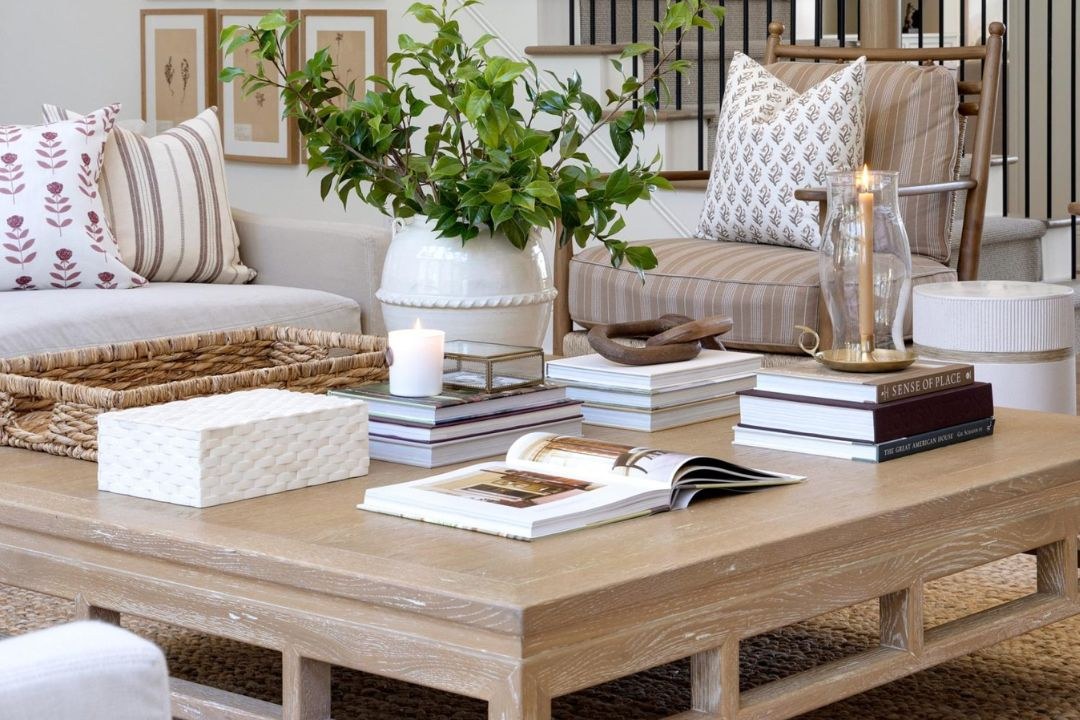
A stack of budget-friendly coffee table books styled on a living room table.
A stack of budget-friendly coffee table books styled on a living room table.
/h2>
Some categories consistently translate well into home decor because they offer strong imagery, stylish covers, and broad appeal.
Art, photography, fashion, interiors, travel, and design titles
These categories tend to give the best balance between display value and usability. Art books can feel timeless, photography books add mood, fashion books often bring bold graphic energy, and interiors books naturally echo the language of decorating.
Travel books are especially versatile because they can feel aspirational without being overly formal. Design and architecture titles usually suit modern, minimalist, and creative homes particularly well. If that direction appeals to you, these architecture coffee table books for home display are a natural next stop.
Neutral minimalist books versus bold statement covers
Neutral books are easy to integrate. They tend to work in serene bedrooms, modern organic spaces, and rooms that already have plenty of pattern or color. If you want a calmer palette, take a look at these neutral coffee table books for home decor.
Bold covers do the opposite job. They can wake up a beige room, sharpen a contemporary interior, or add personality to a simple stack. Neither approach is better overall; it depends on whether the room needs cohesion or contrast.
Vintage and secondhand finds versus new budget-friendly editions
Secondhand books often offer the most character for the money. You may find richer cloth covers, unusual typography, and the worn-in charm that newer books sometimes lack. They can be especially good for eclectic, traditional, or vintage-inspired rooms.
New budget editions are usually easier to source in matching sizes and cleaner condition. They may also be better if the book is intended as a gift or if you want a more polished, contemporary look.
- Secondhand books can offer distinctive covers, older print styles, and strong value.
- New editions are easier to verify for size, condition, and current availability.
- Used copies may show wear, fading, or missing dust jackets.
- Budget new editions may have lighter paper or less substantial binding.
How to style coffee table books beautifully without making the room feel staged
The most attractive styling usually looks a little relaxed. Books should feel like part of the room’s rhythm, not props arranged so carefully that no one wants to touch them.
How many books to use, how high to stack them, and when to leave space
Most coffee tables look best with one to three books per grouping, depending on scale. Large tables may support two separate groupings, while smaller tables often need just one stack and one open area. Leaving blank space is important because it keeps the arrangement breathable.
In general, lower stacks feel more livable. Very tall stacks can look theatrical, and they make it harder to set down a drink or reach for everyday items.
Pairing books with trays, candles, objects, and small florals
Books work best as a base layer. A tray can organize small objects, a candle adds softness, and a sculptural item introduces shape contrast. Florals, even minimal ones, keep the arrangement from feeling too rigid.
- Pair rectangular books with one rounded object to soften the lines.
- Use odd-numbered groupings only when the table is large enough to support them.
- Let one item overlap the stack slightly so the arrangement feels natural.
- Skip too many tiny accessories, which can make books look cluttered rather than elevated.
Using books on coffee tables, consoles, shelves, ottomans, and nightstands
Different surfaces call for different approaches. Coffee tables usually suit horizontal stacks. Consoles benefit from one clear focal stack plus a lamp or vase. Shelves can mix upright and flat books for variety. Ottomans often need a tray on top to create stability, especially if the surface is soft or tufted. Nightstands usually look best with restraint.
If you want a more general framework for evaluating size, subject, and placement, Hurrell Editions also has a guide on how to choose coffee table books.
Matching book colors and themes to existing decor
You do not need perfect color matching. In fact, a little tension often looks better. Pull one or two tones from the room, then let the books either echo them softly or contrast them intentionally. Repeating every color too exactly can make the arrangement feel flat.
Theme matching works similarly. A room full of organic textures may welcome nature, craft, or travel themes, but one unexpected fashion or abstract art title can keep the decor from becoming predictable.
Common mistakes to avoid when decorating with affordable coffee table books
Even inexpensive books can feel wasteful if they are chosen or styled poorly. Avoiding a few common mistakes will help your collection look more thoughtful and last longer.
Choosing books only for the cover and ignoring relevance or readability
A beautiful cover gets attention, but a completely irrelevant subject can make the styling feel hollow. Books are strongest when they reflect a real interest, even a small one. That authenticity is what keeps a space from feeling overly staged.
Using oversized stacks that overwhelm small tables
Scale is one of the fastest ways to make a room feel off. Thick stacks on a petite table can look top-heavy and impractical. If the surface is small, choose fewer books or slimmer formats rather than trying to force a grand arrangement.
Overmatching colors and losing contrast or character
When every book is beige in a beige room, the result can disappear. Cohesion is useful, but contrast creates depth. A black spine, saturated artwork, or aged vintage cover can give the arrangement more life.
Displaying delicate books in high-traffic or sun-exposed spots
Some books are better suited to shelves than everyday tabletops. Delicate dust jackets, pale cloth covers, and older used editions can wear quickly near drinks, hands, pets, or direct light. Save your more fragile finds for lower-risk spots.
- Choose books that fit the table scale, room mood, and at least one genuine interest.
- Mix calm staples with one or two higher-contrast covers for depth.
- Buying oversized stacks just because they photograph well online.
- Leaving delicate jackets where sun, spills, or constant handling will damage them.
Are affordable coffee table books worth it compared with premium editions?
Often, yes. For many decor shoppers, affordable books deliver most of the visual benefit of premium editions at a much lower cost. The tradeoff is usually in paper stock, binding refinement, scale, or collectibility rather than basic styling potential.
Evaluation criteria: design impact, print quality, longevity, and price
When comparing budget and premium books, focus on four things: how strong the cover and spine look in a room, how satisfying the images and paper feel up close, how well the construction should hold up, and whether the price aligns with your purpose.
If the book is mainly for styling, design impact may matter most. If it is also meant to be a lasting reference or collectible object, print quality and longevity become more important.
Benefits, limitations, and where budget books deliver the best value
Budget books shine in casual living spaces, gift giving, first apartments, seasonal styling updates, and larger homes where you want multiple decorative stacks without overspending. They are also useful when you are still discovering your taste and do not want to commit to expensive editions too early.
The limitations are predictable: fewer oversized formats, less luxurious materials, and sometimes more generic editorial packaging. Still, many look excellent at normal viewing distance and perform very well as decor pieces.
Evidence limits to keep in mind when comparing editions online
Online listings do not always show paper thickness, jacket texture, spine sturdiness, or color accuracy clearly. Retail images may also make books appear larger or more saturated than they are in person. That is why it is wise to check official publisher details, dimensions, and return policies before ordering.
For a broader value discussion, readers may also find Hurrell Editions’ guide on whether coffee table books are worth buying useful.
Affordable coffee table books as gifts: who they suit and how to present them
Coffee table books make especially strong gifts because they feel substantial, personal, and display-ready. They work well for recipients who enjoy art, interiors, travel, fashion, photography, cooking spaces, gardens, or simply having a home that feels thoughtfully styled.
Best gifting occasions, from housewarmings to birthdays and holidays
Housewarmings are an obvious fit because the book can become part of the new home immediately. They also work for birthdays, host gifts, graduations, thank-you gifts, and holidays, especially when you want something more lasting than a candle or bottle.
How to choose a title based on hobbies, travel tastes, or decor style
Start with one reliable clue: a favorite city, a design era, a creative hobby, a preferred fashion aesthetic, or the color palette of the person’s home. Even one good clue can make the gift feel considered.
If you know the recipient loves art-focused presents, a more specific guide to coffee table books as gifts for art lovers can help narrow the field.
Presentation ideas for a polished, giftable look
A single book can look elegant with simple wrapping and a handwritten note explaining why you chose it. For a fuller gift, pair it with a bookmark, a small candle, or a tray that suits the recipient’s style. Keep pairings restrained so the book still feels like the main event.
Care, maintenance, and the final recommendation for buying affordable coffee table books for decor
Once you have a few good titles, basic care will help them keep their shape and finish. Decorative books may seem low-maintenance, but placement and handling make a visible difference over time.
How to protect covers, prevent fading, and keep stacked books looking crisp
Dust them regularly with a soft dry cloth, keep drinks on coasters, and avoid placing heavy or sharp objects directly on delicate jackets. Rotate top books occasionally if one side gets more light than the other. If a stack starts to lean, restyle it before the spines warp.
When to rotate, re-style, donate, or upgrade your collection
Rotate books when the room feels visually stale, when seasons change, or when you want to highlight a new color story. Donate titles that no longer fit your space or interests, especially if they are taking up room without adding meaning. Upgrade when you find yourself returning to a subject often and want a more substantial edition.
Julian Mercer’s transparent verdict on finding affordable books that still look elevated
The smartest approach is not chasing the cheapest book or the most expensive one. It is choosing titles with the right scale, a cover and spine that suit your room, and subject matter you would genuinely enjoy keeping around. Affordable books can absolutely look elevated when they are selected with proportion, durability, and personality in mind.
If you are buying your first few, start with one versatile neutral or art-driven title, one book that adds contrast, and one room-specific choice for a console, shelf, or nightstand. That small, intentional mix usually does more for a space than a large stack of random bargain finds.
Frequently Asked Questions