How to Protect Framed Art from Sunlight at Home

Keep framed art out of direct sunlight and use UV-filtering glazing, archival framing materials, and light-softening window treatments. In bright living rooms, the safest approach is layered protection plus smarter wall placement.
Knowing how to protect framed art from sunlight in a living room starts with one simple idea: even beautiful natural light can quietly fade paper, bleach pigments, dry out frame finishes, and shorten the life of a piece you love. The best protection usually comes from combining smarter placement, UV-filtering glazing, window treatments, and controlled artificial lighting rather than relying on one fix alone.
- Placement first: The safest wall matters more than any single framing upgrade.
- Use UV glazing: Choose glass or acrylic with clearly stated UV-filtering specs.
- Frame properly: Acid-free mats and backing help prevent discoloration and mount burn.
- Control daylight: Sheers, blinds, drapes, or UV film can reduce daily exposure.
- Watch for damage: Fading, rippling, and condensation are signs the piece needs attention.
How to Protect Framed Art from Sunlight in a Living Room: The Essentials First
Sunlight is one of the fastest ways to age framed art indoors. A bright living room may feel ideal for display, but direct rays and strong ambient daylight can cause gradual damage that is hard to reverse. Protection is less about making a room dark and more about reducing repeated exposure, especially during the brightest parts of the day.
Why direct sun damages prints, paper, pigments, and frame finishes
Direct sun carries ultraviolet and visible light energy that can break down dyes, inks, and organic materials over time. On paper-based works, that often shows up as fading, yellowing, brittleness, or a dull, washed-out look. On framed pieces, the damage is not limited to the artwork itself: wood veneers can dry out, painted finishes may discolor, and adhesives inside the frame package can weaken faster in bright, warm conditions.
Heat also matters. A framed print hanging close to a sunny window can warm up more than the rest of the room, creating stress inside the frame. That can lead to rippling paper, slight buckling, or condensation if room temperatures shift quickly.
The most effective protections: placement, UV-filtering glazing, window treatments, and light control
The strongest strategy is layered protection. First, keep art out of direct light paths. Second, use UV-filtering glazing, whether glass or acrylic, when framing or reframing. Third, soften daylight with curtains, blinds, or film on problem windows. Finally, use controlled lamps or picture lights so the room still feels inviting after you reduce harsh daylight.
Assess the Light in Your Living Room Before You Hang Anything
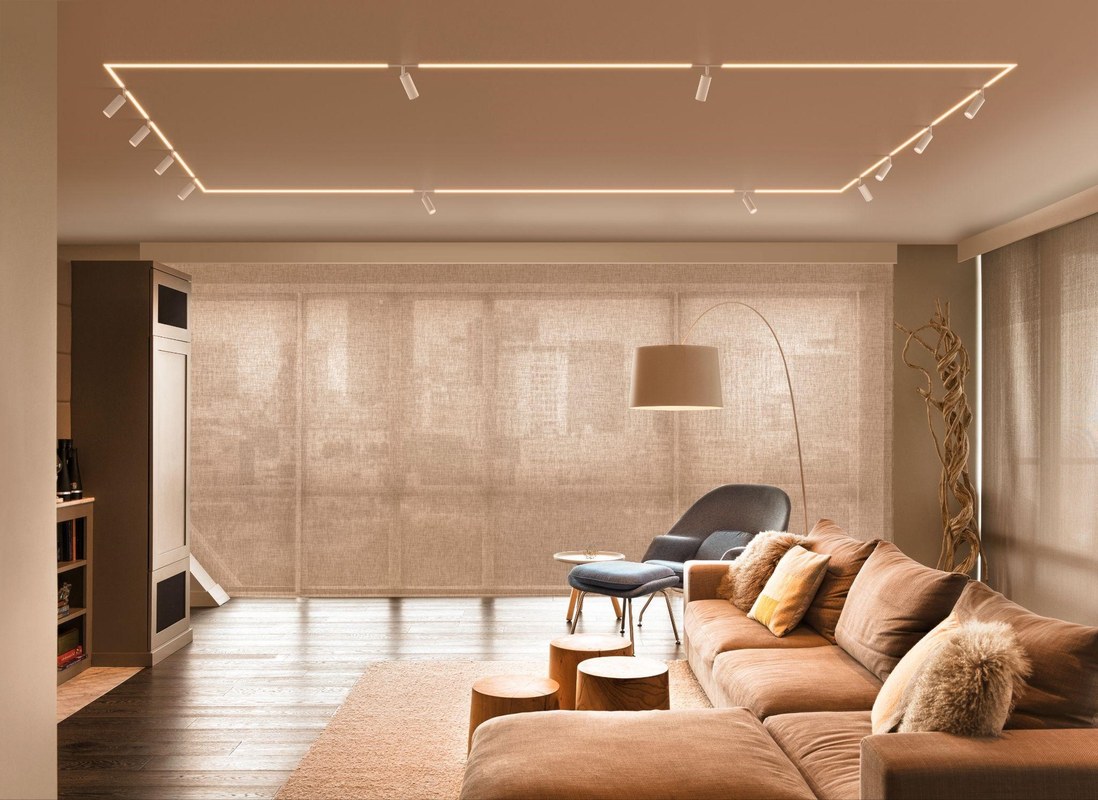
Morning light reveals bright and shaded zones in the living room.
Before choosing a wall, look at how light moves through the room across the day. A wall that seems fine in the morning may be flooded by late afternoon sun. This step matters just as much as the frame itself.
South-, west-, east-, and north-facing rooms: what each means for art exposure
In general, south-facing rooms receive strong daylight for long stretches, which makes them one of the higher-risk settings for framed art. West-facing rooms can be especially harsh in the afternoon and early evening, when low sun comes in hot and bright. East-facing rooms get gentler morning light, but art can still be vulnerable if it hangs where the sun lands directly. North-facing rooms are often the easiest places for display because the light tends to be softer and more consistent.
That does not mean you cannot hang art in brighter rooms. It means you should be more selective about wall choice, glazing, and shading.
How to spot high-risk zones near windows, skylights, radiators, and reflective surfaces
High-risk zones usually reveal themselves if you watch the room for a day. Look for places where sun forms a clear patch on the wall, floor, or sofa and then climbs upward. If that light touches the frame at any point, the location deserves caution.
Skylights are especially tricky because they can expose art from above for longer than expected. Radiators and heating vents add another stress point by drying and warming the frame package. Reflective surfaces such as mirrors, glossy coffee tables, polished stone, and glass doors can bounce light back onto the artwork too.
- Observe the wall in morning, midday, and late afternoon before hanging.
- Choose interior walls or shaded alcoves for the most sensitive pieces.
- Consider reflected light, not just direct window exposure.
- Hanging valuable or sentimental paper art opposite a bright west-facing window.
- Placing frames above radiators or right under skylights.
- Assuming a wall is safe because it looks shaded at one time of day.
When natural light is beautiful but still too strong for framed works
Some living rooms are designed around daylight, and that can be part of their appeal. If the room has large glazing, open-plan exposure, or a wall of windows, framed art may still be at risk even when the light feels soft to you. Human comfort and art preservation are not the same thing.
In those rooms, consider moving your most delicate works to hallways, dining rooms, bedrooms, or other areas with steadier light. If you still want art in the living room, choose pieces framed with stronger protective materials and place them on walls that receive ambient rather than direct sun. For broader styling ideas, Hurrell Editions also has a guide on how to display art at home like a designer.
What to Look for in Protective Framing Materials and Specifications
Once you have identified a safer wall, the next step is making sure the frame package itself supports long-term protection. Not every ready-made frame is built with preservation in mind.
UV-filtering glass vs acrylic: clarity, weight, safety, and protection levels
UV-filtering glazing is one of the most worthwhile upgrades for framed art. Glass often offers a crisp, premium look and good scratch resistance, while acrylic is lighter and generally easier to handle on larger pieces. Acrylic can also be a practical choice in family rooms where safety matters, since it is less likely to shatter than glass.
Protection levels vary by product, so it is worth checking the manufacturer’s specifications rather than assuming all “UV” glazing performs the same way. Some options also reduce glare, which can make art easier to see in bright spaces, though anti-reflective finishes may increase cost.
Glazing claims vary by brand and model. Before buying, confirm whether the product specifies UV filtering, anti-glare properties, acrylic or glass construction, and any care limitations.
Archival mounts, acid-free backing, and sealed frame packages
Good glazing works best when paired with archival framing materials. Acid-free mats and backing boards help reduce discoloration and “mount burn,” the brownish staining that can appear where poor-quality materials touch paper over time. A more carefully sealed frame package can also help limit dust, pollutants, and sudden moisture shifts.
If you are reframing a meaningful print, photograph, or original work on paper, ask the framer what backing board, hinges, mats, and sealing methods are being used. Those details matter more than many buyers realize.
Frame materials and finishes that hold up well in bright living rooms
Solid wood, metal, and well-finished composite frames can all work well, but bright living rooms are less forgiving of low-quality finishes. Very thin veneers, unstable paints, or cheaply wrapped frames may show wear faster when exposed to repeated light and temperature fluctuation.
Matte and satin finishes often look calmer in bright rooms because they do not throw as much glare back into the space. If your room already has strong daylight, a highly glossy frame can make reflections more distracting rather than more elegant.
Best Placement, Sizing, and Layout Choices for Sun-Safe Display<
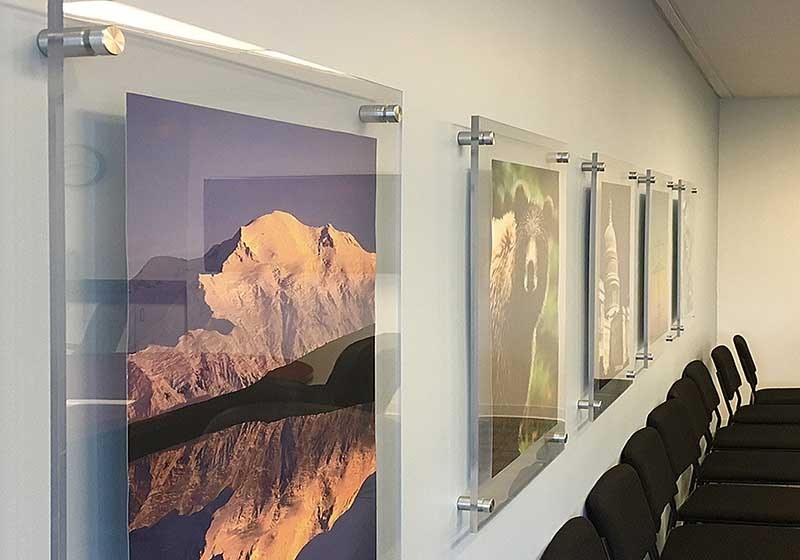
Framed pieces are spaced evenly on a shaded wall for sun-safe display.
Framed pieces are spaced evenly on a shaded wall for sun-safe display.
/h2>
Protection is not only about materials. The right layout can reduce exposure while also making the room feel more balanced.
How far framed art should sit from windows and direct light paths
There is no universal distance that guarantees safety because window size, orientation, and season all change the light pattern. As a rule, the safer approach is to keep framed art off the wall immediately beside or opposite a bright window if direct sun regularly reaches that zone.
If you want to use a wall near glazing, watch where the light lands and hang the piece outside that path. Even shifting a frame to an adjacent interior wall, a recessed nook, or the shaded side of the room can make a meaningful difference.
Ideal hanging height, spacing, and gallery wall layouts for a living room
Most living room art looks best when the center of the arrangement sits at a comfortable viewing height and relates clearly to the furniture below it. For gallery walls, even spacing helps the whole display feel intentional rather than crowded. If you are arranging several frames together, keep the most light-sensitive pieces toward the shadier side of the grouping.
Gallery walls can also let you work around sunlight more intelligently. Instead of centering the entire display on the brightest part of the wall, you can build the layout toward safer zones. If you plan to add art lighting too, pairing layout decisions with a lighting guide such as how to light a gallery wall without hardwiring can help.
Matching artwork scale to sofas, mantels, alcoves, and feature walls
Large statement pieces often end up on the room’s biggest wall, but that is not always the safest wall. If the largest wall faces strong daylight, it may be better to place a less sensitive decorative piece there and move your favorite paper work to a calmer spot above a console, in an alcove, or on a side wall.
Over sofas, aim for a size that feels connected to the furniture rather than floating too small. Over mantels, take extra care if there is added heat from a fireplace. On shelves and consoles, leaning framed art can work in lower-light corners, though it still should not sit in direct sun. For that approach, see Hurrell Editions’ guide on how to display framed art on a console table.
Wall type, fixing method, and hanging hardware for secure installation
Choose hardware that suits both the wall type and the frame weight. Heavier glazed frames may need more secure fixings than lightweight poster frames, and renters may need solutions that balance security with minimal wall impact. Always check the frame’s weight, the wall material, and the hardware limits before hanging.
If a piece is large, heavy, or especially valuable, a professional installer is often the safest choice. That is particularly true in homes with plaster walls, masonry, or mounted picture lights.
Do not guess on wall anchors or hanging limits for heavy framed art. Check wall type, hardware ratings, and installation guidance, or use a professional if the piece is large, glazed, or irreplaceable.
Window Treatments, Films, and Lighting That Help Without Compromising Style
Sun protection does not have to make a living room feel closed off. The right soft furnishings and lighting can preserve both the art and the atmosphere.
Sheer curtains, lined drapes, blinds, and UV window film: where each works best
Sheer curtains are useful when you want to diffuse daylight without making the room feel heavy. They soften glare well, but they may not be enough on their own for very bright south- or west-facing rooms. Lined drapes offer stronger control and are often the better choice where direct sun is routine.
Blinds are practical for adjusting light by time of day, especially in rooms where glare changes quickly. UV window film can add another layer of protection while preserving a cleaner window look, but performance varies and it should be checked against the manufacturer’s specifications and any window warranty terms.
Picture lights and ambient lighting: placement, brightness, color temperature, and power options
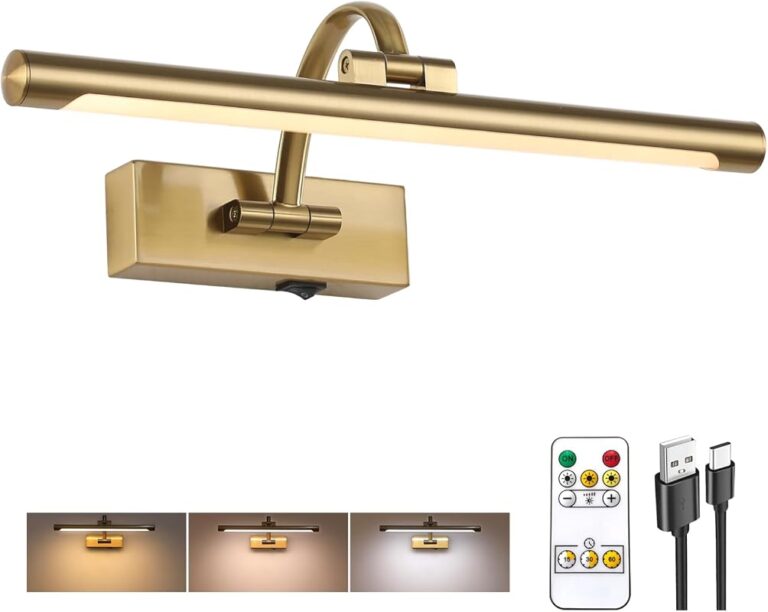
Once you cut harsh daylight, you may want better evening lighting so the art still reads clearly. Picture lights and nearby ambient lighting can help, but they should be chosen carefully. Look for a gentle, controlled output rather than a harsh spotlight, and aim for a color temperature that feels natural in a living room.
Battery, rechargeable, plug-in, and hardwired picture lights all exist, each with trade-offs in convenience and installation. Placement matters too: a poorly aimed light can create glare on glazing or brighten the wall unevenly. If you are comparing options, Hurrell Editions has related guides on how to choose a dimmable picture wall light and how to position a wireless picture light above artwork.
Safety basics for wired, battery, and plug-in picture lighting
Keep cords tidy and away from walkways, avoid overloading outlets, and follow the light manufacturer’s installation and charging instructions. For wired fixtures, wall-mounted electrical work is best handled by a qualified professional. Battery and rechargeable models are often simpler for renters, but they still need secure mounting and sensible charging routines.
How to Match Sun-Protective Choices to Your Existing Decor
Protective framing can still look refined. The goal is not to turn your living room into an archive, but to make preservation feel integrated with the room you actually live in.
Choosing frame colors, mounts, and glazing finishes for modern, classic, and eclectic rooms
Modern rooms often suit slim black, natural wood, or soft metallic frames with clean white or off-white mats. Classic spaces can take richer woods, warmer mounts, and more traditional profiles. Eclectic rooms usually benefit from one unifying element, such as consistent mat color or repeated frame finish, even if the art itself varies widely.
In bright rooms, low-glare glazing can be especially worthwhile because it improves visibility without demanding a darker palette. Just be sure the finish still complements the room’s overall mood.
Balancing preservation with the relaxed feel of a lived-in living room
You do not need museum-level formality to make smart choices. A comfortable living room can still include books, layered textiles, plants, and collected art while protecting the most vulnerable pieces. Often the best compromise is to reserve the brightest wall for mirrors, textiles, or more replaceable decor and use safer walls for framed works on paper.
Styling ideas for layered art displays, shelves, and low-glare focal walls
Layered displays can work well when a room has one protected corner or a shaded wall that deserves emphasis. Picture ledges, deep shelves, and console-top arrangements make it easier to rotate pieces seasonally and move sensitive works if the light changes. If you use shelving, make sure the art is stable and not crowded by lamps, radiators, or sunny glass doors nearby.
- Use the brightest wall for less light-sensitive decor and reserve calmer walls for paper-based art.
- Repeat one frame tone across a mixed display so protective choices still look intentional.
- Choose matte or satin frame finishes in glare-prone rooms for a softer, easier-to-view result.
Common Mistakes, Limitations, and When to Reframe or Relocate Art
Even good framing has limits. Understanding those limits helps you decide when a wall simply is not worth the risk.
Why UV protection alone is not enough in consistently bright rooms
UV-filtering glazing reduces one source of damage, but it does not eliminate visible light exposure, heat buildup, or poor placement. In a room that receives strong direct sun every day, even a well-framed piece may continue to age faster than it should. That is why placement and daylight control matter just as much as the frame specification.
Signs of fading, warping, condensation, and mount burn to watch for
Watch for colors that look uneven, especially around the edges where a mat may have shielded the paper. Other warning signs include paper rippling, a bowed backing board, moisture or fogging inside the glazing, and brownish marks where the artwork touches poor-quality mounting materials. If you notice these issues, the piece may need reframing, relocation, or both.
Which artworks are most vulnerable, and when a different room is the better choice
Works on paper, photographs, vintage posters, textiles, and pieces with delicate dyes are often among the most vulnerable. Originals, signed editions, and sentimental family pieces usually deserve the safest placement available. If your living room is dominated by direct sun and large windows, the better answer may be to display sturdier decorative pieces there and move sensitive art to a lower-light room.
Care, Maintenance, Value, and a Practical Recommendation for 2026 Homes
Long-term protection comes from occasional checks and a few sensible upgrades, not constant fussing. A living room can still feel bright and welcoming while being much kinder to art.
Seasonal checks, cleaning routines, and rotating sensitive pieces
Check framed art a few times a year, especially after seasonal light changes. Dust frames gently, keep glazing clean with products suitable for the material, and inspect the back for loosening hardware or signs of moisture. If you own several paper-based pieces, rotating them between display and storage can reduce cumulative exposure.
What protection upgrades are worth paying for, and where to save
For meaningful art, UV-filtering glazing and archival framing materials are usually the most worthwhile upgrades. Better window treatments can also be a smart investment if the whole room suffers from glare. Where you can often save is on overly decorative frame extras that do little for preservation.
If you are buying ready-made frames, confirm what is actually included. Terms like “gallery,” “premium,” or “museum-style” are not always precise specifications.
A clear recommendation for protecting framed art without losing your living room style
The most practical recommendation for most homes in 2026 is this: hang sensitive framed art on the least sun-exposed wall in the room, pair it with UV-filtering glazing and acid-free materials, and manage daylight with curtains, blinds, or film where needed. If a wall gets repeated direct sun, treat that as a styling wall for less vulnerable decor rather than trying to force your favorite paper artwork to survive there.
- Start by mapping the room’s light pattern before choosing a wall.
- Use UV-filtering glazing with archival mats and backing for better long-term protection.
- Window treatments and controlled picture lighting help preserve art without making the room feel dark.
- If direct sun regularly hits the wall, relocating the artwork is usually the smarter choice.
Frequently Asked Questions