How to protect posters from humidity and sunlight easily

Keep posters out of direct sunlight and away from humid rooms. Use UV-filtering glazing and acid-free framing materials for long-term protection.
If you want to learn how to protect posters from humidity and sunlight, the core idea is simple: both threats damage paper slowly, and once the damage appears, it is very hard to reverse. The practical part—choosing the right frame, glazing, and wall placement—takes some planning, but it is something any collector can manage.
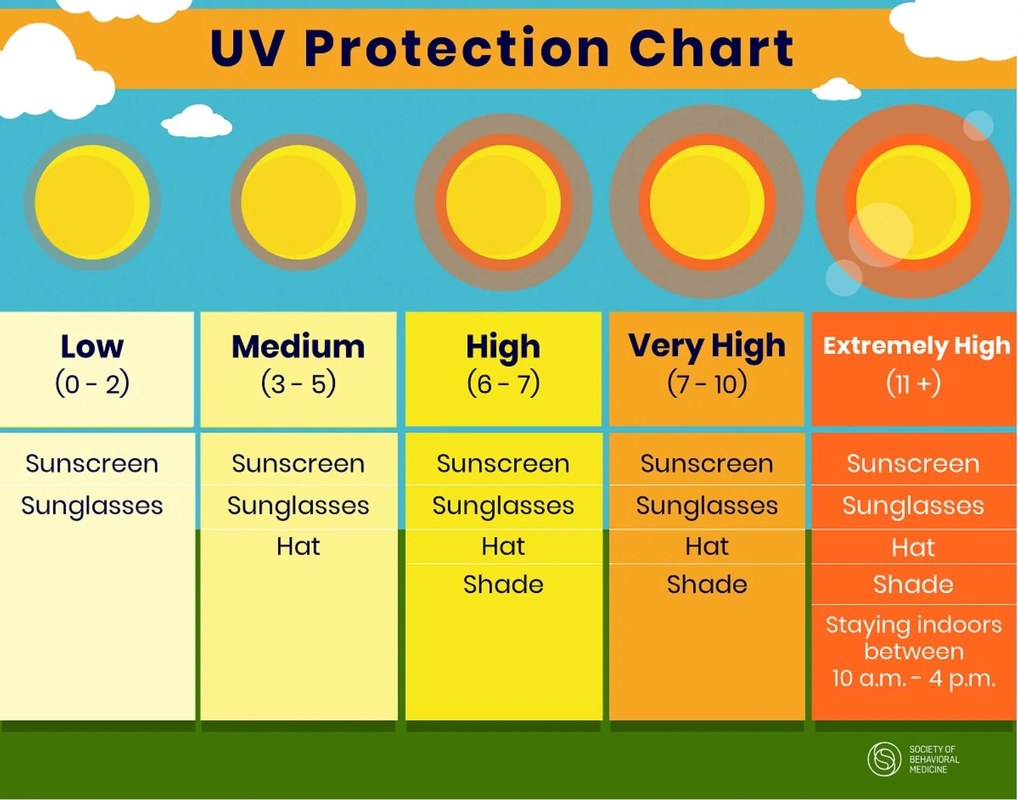
- Biggest threats: UV rays fade inks while moisture causes warping and mold.
- Glazing matters: UV-filtering glass or acrylic blocks most harmful rays.
- Placement first: Interior walls away from windows are safest.
- Materials: Acid-free mats and backing boards prevent yellowing.
- Cost logic: Conservation framing costs less than restoration or replacement.
Why Humidity and Sunlight Are the Two Biggest Threats to Your Posters
What UV Rays and Moisture Actually Do to Paper and Ink
Posters are printed on paper with relatively thin layers of ink, which makes them more vulnerable than canvas paintings or framed photographs. Sunlight, especially the ultraviolet portion, breaks down the chemical bonds in dye-based inks. The result is a gradual fading that often starts at the edges and works inward, leaving a faint outline where the mat once covered the print.
Humidity works differently but just as destructively. When moisture in the air seeps into paper fibers, the paper expands unevenly, causing ripples, cockling, and warping. Over time, damp conditions create the ideal environment for mold and mildew, which appear as dark spots that are nearly impossible to remove without professional treatment.
Why Prevention Beats Restoration for Poster Collectors
Paper restoration exists, but it is expensive, invasive, and not always successful. A faded poster can sometimes be color-corrected digitally and reprinted, but the original loses its character and value. Mold stains can be reduced, yet the paper often remains weakened. For most collectors, prevention is the only realistic strategy—once damage occurs, you are either living with it or paying a specialist.
How to Protect Posters from Sunlight: UV Rays, Fading, and Light Exposure
A framed poster exposed to sunlight, showing UV fading on its surface.
Choosing UV-Protective Glass and Acrylic: What to Look For
Standard picture frame glass blocks very little UV radiation. If you want real protection, look for glazing labeled “UV-filtering” or “conservation clear.” These products typically block 97 to 99 percent of UV rays while remaining optically clear. Two main options exist:
UV-filtering glass offers excellent clarity and scratch resistance, but it is heavier and can shatter. UV-filtering acrylic is lighter and safer for large posters, but it scratches more easily and attracts dust through static. Both are available from frame shops and online retailers. When ordering, confirm the UV-blocking percentage with the seller, as it varies by product line.
If you are on a budget, at least avoid hanging posters where direct sunlight hits them for more than a couple of hours a day. Even standard glass reduces some UV, but it is not enough for long-term display in a bright room.
Smart Placement: Where Not to Hang Posters in Your Home
The most effective protection is placement. South- and west-facing windows let in the strongest light, so avoid hanging posters directly across from them. Also, watch for “hot spots” where sunlight moves across the wall for several hours each day.
Bathrooms, kitchens, and laundry rooms are also risky—not because of light, but because of steam and temperature swings. A poster hanging near a stove or shower absorbs moisture every time you cook or bathe. For more on sunlight protection, see our guide on how to protect framed art from sunlight at home.
How to Protect Posters from Humidity: Moisture, Mold, and Warping
Framing Techniques That Block Moisture and Keep Paper Flat
The frame itself is your first line of defense against humidity. A well-sealed frame with a solid backing board prevents moisture from reaching the paper from behind. Look for frames with a dust seal or paper backing that covers the entire back, an acid-free backing board, and a frame that sits flush against the wall to reduce airflow behind it.
If you live in a humid climate, consider adding a small desiccant packet inside the frame cavity—but only if it will not touch the poster. Some framers also recommend a moisture barrier between the backing board and the wall.
Never let a poster sit directly against glass. Condensation can form on the inside of the glass in humid rooms, and if the paper touches the glass, it can stick and tear. Always use a mat or spacers to create an air gap.
Room-by-Room Humidity Guide: Which Spaces Are Safe for Posters
Not all rooms are equal when it comes to humidity. Living rooms and bedrooms are generally safe if the home has reasonable ventilation. Hallways and stairwells are usually fine, as long as they are not damp. Bathrooms are risky unless the room has strong exhaust ventilation. Kitchens are risky near stoves and dishwashers. Basements are the most dangerous, since they are often damp and poorly ventilated, and attics experience extreme temperature swings that are bad for paper.
If you are unsure about a room’s humidity, a simple hygrometer can tell you whether levels stay between 30 and 50 percent, which is the safe zone for paper.
The Best Materials for Long-Term Poster Protection<
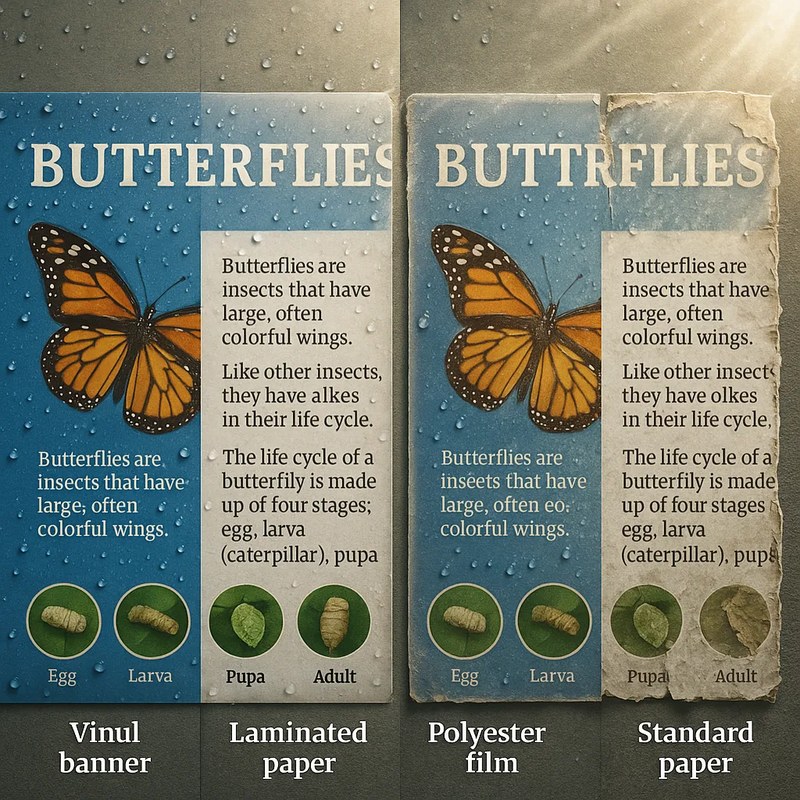
Materials used to shield posters from humidity and sunlight damage.
Materials used to shield posters from humidity and sunlight damage.
/h2>
Conservation-Grade Framing: Acid-Free Mats, Backing Boards, and Sealants
Cheap frames often use cardboard mats and backing boards that contain acid. Over time, that acid migrates into the paper, causing yellowing and brittleness—even if the poster never sees sunlight. Conservation-grade materials are designed to avoid this:
- Acid-free or archival mats: made from cotton or pH-neutral paper
- Acid-free backing boards: usually buffered with calcium carbonate
- Conservation-grade tapes: used to hinge the poster to the mat without damaging it
If you are framing a valuable poster, these materials are worth the extra cost. For a cheap promotional poster you plan to replace, standard materials may be fine.
UV-Filtering Glass vs. Acrylic: Pros, Cons, and Cost Considerations
- Crystal-clear optics and scratch resistance
- Easy to clean without special care
- Lightweight and shatter-resistant, ideal for large posters
- Scratches easily and attracts dust through static
Cost varies by size, brand, and retailer, so check current prices before buying. As a general rule, UV-filtering glazing costs more than standard glass, and acrylic usually costs more than glass at larger sizes. For oversized posters, the weight savings of acrylic can make it the better choice despite the higher price.
Step-by-Step: How to Frame a Poster for Maximum Protection
Sizing, Spacing, and Layout for Single Posters and Gallery Walls
Before you frame, decide whether the poster will hang alone or as part of a gallery wall. A single large poster works well with a wide mat of three to four inches to give it breathing room. For gallery walls, consistent mat widths and spacing of two to three inches between frames create a cohesive look.
Pick a frame at least two inches larger than the poster on each side to allow for matting.
Lay it on a clean, dry surface and gently press out any curls with clean weights.
Use archival tape hinges at the top corners only—never tape the full edges.
Insert the matted poster, add the backing board, and seal the back with paper tape.
Confirm the glass and poster do not touch, then place the frame away from direct sunlight and moisture sources.
Wall Types, Hanging Hardware, and Matching Your Existing Decor
The wall type determines the hardware you will need. Drywall can support most framed posters with standard picture hooks, but plaster, brick, or concrete walls require masonry anchors or a drill. For heavy frames or large gallery walls, consider a professional installer.
If you are framing a poster yourself, our guide on how to make a poster frame from wood offers a DIY option. For larger pieces, see how to frame a large poster for sizing advice.
Matching the frame to your decor matters too: black and white frames suit minimalist rooms, while wood tones warm up a traditional space.
Common Mistakes That Ruin Posters (and How to Avoid Them)
Hanging in Direct Sunlight, Using Cheap Frames, and Ignoring Basement Humidity
- Hang posters on interior walls away from windows
- Use UV-filtering glazing for anything you care about
- Check room humidity before committing to a display spot
- Use acid-free mats and backing boards
- Hanging posters in direct sunlight, even with UV glass
- Using frames with cardboard mats that contain acid
- Displaying posters in basements or bathrooms without ventilation
- Letting posters touch the glass inside a frame
Lighting Mistakes: Placement, Brightness, and Color Temperature Basics
Artificial light also causes fading, though more slowly than sunlight. Halogen and incandescent bulbs emit more UV than LEDs, so LED lighting is the safer choice for illuminating posters. Keep picture lights and track lights at a distance—close lamps generate heat and concentrated light that can accelerate fading.
For a gallery wall, consider our guide on how to light a gallery wall without hardwiring to avoid drilling while keeping your posters visible.
Styling Ideas: Keeping Posters Safe While Making Them Shine
Gallery Wall Arrangements That Balance Protection and Visual Impact
A gallery wall does not have to sacrifice protection. Arrange posters on the shadiest wall in the room, and use consistent framing to create a unified look. Mixing sizes works well if you keep the center line at eye level and maintain even spacing.
Using Curtains, Blinds, and Interior Lighting to Control Exposure
Window treatments are an underrated tool. Sheer curtains diffuse sunlight while still letting light into the room. During the brightest hours, closing blinds can protect posters without making the space feel dark. Interior lighting, especially LED picture lights, can then take over the job of showing off the artwork.
Final Recommendation: Protecting Your Poster Investment
What Conservation Framing Costs vs. What It Saves You Long-Term
Conservation framing costs more upfront—expect to pay a premium for UV glazing, acid-free mats, and quality backing boards. But compare that to the cost of replacing a faded or mold-damaged poster, or paying a paper conservator to attempt a restoration. For a poster you truly love, the math usually favors proper framing from day one.
The Bottom Line: Who Needs Full Protection and Who Can Keep It Simple
If you own limited-edition prints, signed posters, or vintage concert posters, invest in full conservation framing. If you are decorating with inexpensive posters and plan to swap them out, standard frames and smart placement may be enough. Either way, the two rules that matter most are: keep paper away from direct sunlight, and keep it dry.
- UV rays fade inks; moisture causes warping and mold—both are hard to reverse.
- Use UV-filtering glazing and acid-free materials for anything you care about.
- Hang posters on interior walls, away from windows, bathrooms, and basements.
- LED lighting is safer than halogen for illuminating posters.
- Full conservation framing pays off for valuable pieces; simple frames work for temporary decor.
Frequently Asked Questions