Best Acid Free Paper for Photos and Keepsakes

Acid-free paper is a smart first layer for protecting photos from yellowing, rubbing, and surface transfer. It works best when paired with a stable storage environment and a proper enclosure like an album, folder, or archival box.
acid free paper for photo storage is one of the simplest ways to slow down damage before it starts, especially if you want prints, negatives, or album pages to stay cleaner for longer. The right paper can help separate photos, reduce surface transfer, and create a safer archival base, but it works best when paired with good handling and stable storage conditions.
- Best use: Separate prints, negatives, and album pages without adding much bulk.
- What to verify: pH-neutral or acid-free labeling, lignin-free construction, and photo-safe intent.
- Main limit: It does not protect against moisture, heat, or strong light.
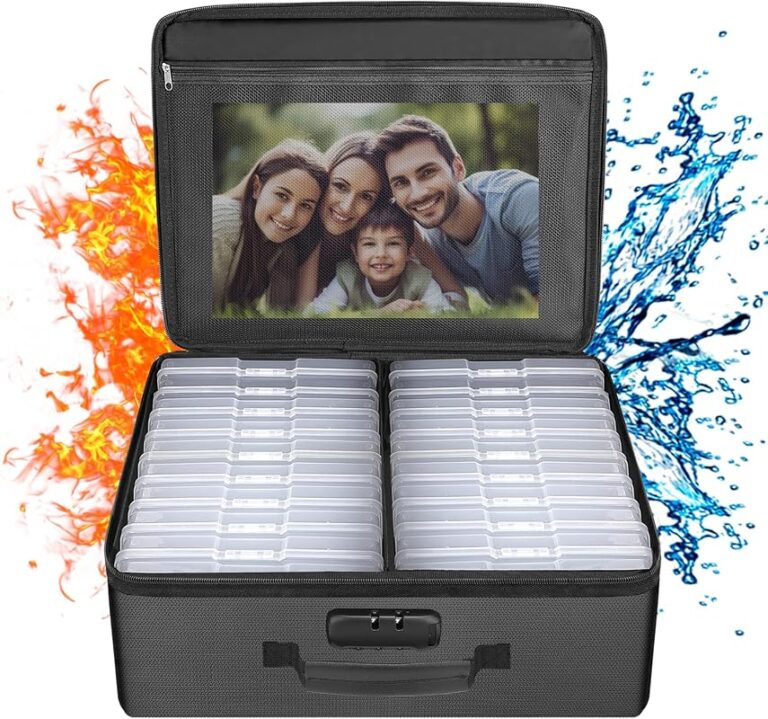
- Better with: Archival boxes, sleeves, folders, and steady storage conditions.
Acid Free Paper for Photo Storage: What It Is and Why It Matters
Acid-free paper is made to avoid the chemical breakdown that can accelerate yellowing, brittleness, and staining in paper-based photo collections. In practical terms, it is a protective layer or interleaving material that helps keep photographs from touching one another directly, which matters whether you are organizing family snapshots or maintaining a more formal archive.
Why acid-free paper is the right starting point for long-term photo protection
The main reason people choose acid-free paper is that ordinary paper can become acidic as it ages, and that acidity can migrate into surrounding materials. For photos, that can mean curled edges, discoloration, and a general decline in presentation quality over time. Acid-free paper does not solve every preservation problem, but it gives you a much better baseline than standard office paper or decorative paper made without archival intent.
It is especially useful when photos are stacked, boxed, or stored in albums where pages may touch for months or years. If you are also comparing storage formats, it can help to read about how archival-friendly framing materials affect preservation and photo framing in acrylic, since the paper layer is only one part of the larger storage system.
Who should use it: family archives, collectors, photographers, and memory keepers
Acid-free paper is a strong choice for anyone who stores photographs in quantity or expects them to matter for years. Family archivists use it to separate generations of prints, collectors use it to organize valuable or fragile images, photographers use it for contact sheets and proof sets, and gift shoppers often use it to make keepsake albums feel more durable and thoughtful.
It is also a practical option for renters and homeowners who do not have a dedicated archive room. When a collection has to live in a closet, on a shelf, or in a studio cabinet, the right paper can help create a cleaner, more controlled storage system without requiring expensive equipment.
How to Choose Acid Free Paper for Photo Storage
Not all products labeled “archival” are equally suited to photographs. The best choice depends on chemistry, thickness, surface finish, and how you plan to store the images.
Key specifications to check: pH neutrality, lignin-free construction, and archival quality
Look first for pH-neutral or acid-free labeling, then check whether the sheet is also lignin-free. Lignin is a natural component in wood pulp that can contribute to discoloration as paper ages, so lignin-free construction is a useful sign that the paper was made with preservation in mind. “Archival quality” is a helpful phrase, but it is not always regulated the same way across retailers, so it is smarter to confirm the actual material description when possible.
Manufacturers may describe paper differently by product line, size, or intended use. If the listing does not clearly state pH neutrality, lignin-free construction, or photo-safe use, it is worth verifying before buying.
Paper weight, texture, opacity, and whether the finish suits prints, negatives, or albums
Paper weight affects how supportive and durable the sheet feels, while texture influences how smoothly it sits between photos. A smoother finish is often easier for stacked prints and album pages, while a slightly heavier sheet may be better when you want extra separation inside boxes or folders. Opacity matters too: if the paper is too thin, images may show through, which can make albums look cluttered and may not offer enough visual separation for organized storage.
For negatives and slides, the goal is usually a clean, non-abrasive barrier rather than a decorative look. For mounted photographs or presentation albums, a more substantial paper can help the storage system feel intentional and easier to handle. If you are also evaluating paper for other art materials, the comparisons in what paper is best for watercolor at home can be useful for understanding how weight and surface finish affect results.
What to avoid: coated papers, standard stationery paper, and unknown “archival” claims
Coated papers can be problematic because some coatings may not be ideal for long-term contact with photographs, especially if the manufacturer does not clearly specify photo-safe use. Standard stationery paper is usually not designed for preservation and may contain acids or fillers that age poorly. You should also be cautious with vague archival claims that do not explain the paper’s chemistry or intended purpose.
- Choose paper that clearly states pH-neutral or acid-free construction
- Confirm whether it is lignin-free and photo-safe
- Match the finish to the item you are storing
- Using office copy paper as a placeholder for archival storage
- Trusting “archival” wording without material details
- Mixing decorative craft paper into a preservation system
Best Uses by Photo Type and Storage Format
Acid-free paper works best when the format matches the photo type. A sheet that is ideal for prints may not be the best choice for negatives, and album pages have different needs than box storage.
Loose prints, mounted photographs, negatives, slides, and contact sheets
Loose prints benefit from interleaving sheets that keep surfaces from rubbing together. Mounted photographs often need paper that adds support without creating bulk, especially if the mount is already thick. Negatives and slides usually need gentle separation and a smooth surface that will not scratch or imprint the image area, while contact sheets are often stored in ways that prioritize easy viewing and sorting.
Albums, interleaving sheets, archival boxes, and portfolio storage
In albums, acid-free paper can serve as a page, a divider, or a protective interleaf between mounted images. In archival boxes, it can help separate groups of prints by date, event, or size. Portfolio storage often benefits from cleaner presentation, so a paper that lies flat and resists visual clutter is usually the better choice.
If you are building a more display-oriented system, you may also want to compare related storage and presentation methods such as aluminum frame options for pictures and acrylic block photo frames. Those products serve a different purpose, but they help clarify when you need preservation, presentation, or both.
Which rooms or environments it fits best: closets, shelves, studio archives, and climate-controlled spaces
Acid-free paper can be used in almost any room, but it performs best in spaces with stable temperature and humidity. Closets and shelves are common for home archives because they are convenient and easy to organize, while studio archives and climate-controlled storage spaces are better for more sensitive or valuable collections. The paper itself is not a substitute for environmental control, but it can help make an average storage space more protective.
Paper storage is still vulnerable to moisture, heat, and prolonged sunlight. If a room gets damp, hot, or bright for long periods, the paper may remain useful but the collection is still at risk.
Benefits and Limitations of Acid Free Paper
Acid-free paper is valuable because it addresses some of the most common slow-burn storage problems, but it is not a complete preservation system. Knowing what it does well helps you use it more effectively, and knowing its limits prevents disappointment.
Protection from yellowing, brittleness, and surface transfer
One of the biggest benefits is reduced risk of yellowing and brittleness in the surrounding storage materials. Acid-free paper also helps reduce surface transfer, which is the kind of faint marking or sticking that can happen when prints rest against less stable materials for a long time. For many collectors, that makes it a simple but meaningful upgrade over ordinary paper separators.
Even when a photograph itself is stable, poor-quality storage materials can still affect how the image looks and feels over time.
Where it falls short: moisture, heat, light exposure, and poor handling practices
Acid-free paper cannot protect photos from water damage, humidity swings, or direct sunlight. It also cannot compensate for fingerprints, bending, overstuffed boxes, or rough handling. If the storage environment is unstable, the paper may slow some damage but it will not prevent it.
How it compares with sleeves, folders, and polypropylene or polyester enclosures
Paper is best when you want a simple, breathable, and easy-to-sort archival layer. Sleeves and folders can add more physical protection, especially for items that are handled often. Polypropylene or polyester enclosures may be better for frequent viewing or added barrier protection, while acid-free paper is often the better choice when you want a softer, lower-bulk system for stacking and interleaving.
- Simple and versatile for many photo types
- Helps separate prints and reduce contact damage
- Works well in albums, boxes, and folders
- Does not block moisture or light
- Offers less physical protection than rigid sleeves
- Quality varies widely across products
How to Store Photos Properly with Acid Free Paper
Good storage is about more than the paper itself. Placement, spacing, and the surrounding environment all affect how well the collection holds up.
Layering and placement: separating prints, supporting fragile items, and avoiding pressure marks
Use acid-free paper to separate prints so surfaces do not press directly against one another. For fragile or curled items, place the paper so it supports the photo evenly rather than creating a tight fold or sharp edge. Avoid stacking so tightly that the images or paper leave pressure marks, especially on older prints or items with delicate finishes.
Keep fragile items, oversized prints, and everyday snapshots in separate groups so each can be stored with the right amount of support.
Place a clean sheet between prints or groups of prints, making sure the paper lies flat and does not create extra stress at the corners.
Close boxes and albums without compressing the contents, because too much pressure can leave marks or cause curling.
Ideal storage conditions: temperature, humidity, and light control
Photos generally last longer when stored in cool, dry, dark conditions with minimal fluctuation. A closet or shelf can work well if it stays away from exterior walls, vents, bathrooms, and direct sun. Climate-controlled storage is even better for serious archives, but the important thing is consistency rather than dramatic changes from season to season.
Common mistakes to avoid: overfilling boxes, mixing materials, and using adhesives or tape
Overfilled boxes can crush paper and photos, while mixed materials can create unpredictable reactions over time. Avoid using adhesive tape, glue, or unknown labels directly on photo surfaces or storage sheets unless the material is specifically designed for archival use. If you are building a cleaner organizational system, a methodical setup can be just as important as the paper itself.
- Confirm pH-neutral or acid-free construction
- Check whether the paper is lignin-free and photo-safe
- Choose a weight and finish that suits prints, negatives, or albums
- Make sure your storage box, folder, or sleeve system fits the paper size
Styling and Organization Ideas for a Clean Archival Setup
Archival storage does not have to look clinical. A thoughtful system can be neat, attractive, and easy to use in a home office, studio, or living area.
Labeling systems, color-coding, and chronological sorting for easy retrieval
Label boxes and folders by year, event, subject, or family branch so you can find images without opening everything. Color-coding can help when multiple people share the archive, while chronological sorting is often the easiest method for family collections. The goal is to make retrieval simple enough that the system stays in use.
- Use neutral labels and consistent handwriting or printed tags for a calm, organized look.
- Keep the outside of the box simple so the archive blends into shelves or a closet.
- Group related albums together so the collection feels intentional rather than scattered.
Presentation ideas for keepsake boxes, memory albums, and gift-ready storage sets
Acid-free paper can make a keepsake box feel more polished when paired with ribbon ties, dividers, or a simple title card. For memory albums, clean page spacing and consistent interleaving create a more gift-ready result. These details matter for milestone gifts, family reunions, and anniversary presents where the storage itself becomes part of the presentation.
How to match archival storage to a home office, studio, or minimalist interior
In a home office, choose storage that looks orderly and blends with books, files, or art supplies. In a studio, prioritize access and labeling so working materials stay easy to reach. In a minimalist interior, muted boxes and plain paper separators keep the collection visually quiet while still protecting the contents.
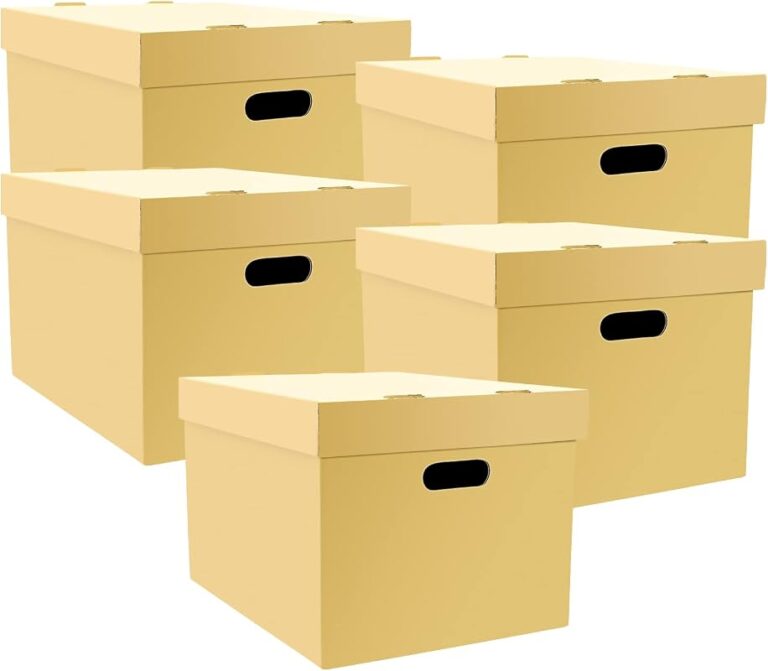
A simple archival stack in cream, gray, or kraft tones can look as intentional as any display object when it is neatly labeled and evenly spaced.
Value, Care, and Final Recommendation
The best value is not always the cheapest option. For photo storage, consistency and material honesty matter more than flashy packaging or broad marketing language.
How to judge value: longevity, material consistency, and trusted archival standards
Value comes from paper that is consistently made, clearly described, and suitable for the type of photos you are storing. A product that states its pH and lignin status clearly is easier to trust than one that relies on vague claims. If the paper will be used in a larger archival system, it is also worth checking whether the brand provides care guidance or compatibility notes for albums, folders, or boxes.
Care and maintenance: handling with clean hands, replacing damaged sheets, and periodic checks
Handle photos and paper with clean, dry hands or archival gloves if you prefer a more controlled process. Replace any sheet that becomes bent, stained, damp, or visibly damaged. It is also smart to inspect stored photos periodically so you can catch humidity problems, pests, or pressure marks before they spread.
Final recommendation for 2026: when acid free paper is essential and when another storage method is better
Acid-free paper is essential when you want a simple, affordable, and preservation-minded way to separate prints, support albums, and reduce contact damage. It is especially useful for family archives, mixed photo collections, and storage systems that need to stay neat without adding much bulk. If the photos are handled often, stored in a risky environment, or especially valuable, a stronger enclosure such as a sleeve, folder, or rigid archival box may be the better primary solution, with acid-free paper used as part of the system rather than the whole answer.
For readers building a broader photo organization setup, the most reliable approach is to pair the right paper with the right enclosure, then store everything in a stable, low-light space. That combination gives you the best balance of protection, accessibility, and long-term usability.
Frequently Asked Questions