Acid Free Tissue Paper for Clothes Storage Guide

Acid-free tissue paper is best for protecting delicate or sentimental clothing from harsh folds, friction, and paper-related discoloration. It works well when garments are clean, dry, and stored in a stable box, drawer, or wardrobe.
acid free tissue paper for clothes storage is a simple archival-style material that helps protect folded garments from creasing, abrasion, and avoidable paper damage during long-term storage. For clothing that matters—whether it is seasonal, sentimental, or delicate—choosing the right tissue can make storage feel much more intentional and much less risky.
- Best use: Seasonal, delicate, or keepsake garments that need soft fold support.
- Material check: Look for acid-free, pH-neutral, and ideally lignin-free labeling.
- Storage rule: Tissue helps, but it does not replace dry, clean storage conditions.
- Common mistake: Avoid wrapping damp clothing or using printed tissue.
Acid Free Tissue Paper for Clothes Storage: What It Is and Why It Matters
At its core, acid-free tissue is a soft, lightweight wrapping paper designed to be gentler on textiles than ordinary household paper. In clothes storage, it is usually used to cushion folds, separate layers, support fragile details, and help garments keep their shape while sitting in a box, drawer, or wardrobe shelf.
The reason it matters is straightforward: many fabrics age badly when they are pressed against rough, acidic, or heavily processed paper for long periods. That is especially true for delicate fibers, trims, and dyed materials. If you are also thinking about broader preservation methods, Hurrell Editions has related guidance on paper quality and long-term material care, which can be useful when comparing acid-free products across categories.
Quick answer: the best use case for acid-free tissue in garment storage
The best use case is long-term or seasonal storage for garments that crease easily, snag easily, or hold sentimental value. Use it to pad folds in dresses, wrap knitwear loosely, and buffer embroidery, silk, or tailored pieces that should not be compressed tightly.
How acid-free tissue differs from standard wrapping paper and why that matters for fabrics
Standard wrapping paper can contain acids, dyes, coatings, or fillers that are fine for short-term gifting but less suitable for preservation. Over time, those materials may transfer discoloration, become brittle, or leave a rougher surface against fabric.
Acid-free tissue is generally made to reduce that risk. Many versions are also lignin-free, which matters because lignin can break down and contribute to yellowing or deterioration. That does not make the tissue magical, but it does make it a better fit when you want clothes to stay cleaner, smoother, and more stable in storage.
“Acid-free” and “archival” are not always identical claims. Check the product listing or manufacturer specifications for pH details, lignin-free construction, and whether the tissue is intended for textile or general archival use.
What to Look For When Choosing Acid Free Tissue Paper for Clothes Storage
Not all tissue paper is equally suitable for garments. The right choice depends on the fabric, how long you plan to store it, and how much support the tissue needs to provide inside a drawer, box, or garment case.
Material quality, pH neutrality, and lignin-free construction
Look first for clear material information. A good product should state that it is acid-free, and ideally pH-neutral or buffered according to the manufacturer’s description. For clothing, lignin-free construction is especially helpful because it lowers the chance of long-term paper degradation.
Be cautious with vague “safe for storage” language if no material details are provided. If you are buying for heirloom garments, bridal wear, or vintage clothing, it is worth confirming the exact product specifications before you commit.
Thickness, softness, and opacity for delicate garments
Thickness affects both protection and bulk. Thinner tissue folds neatly and works well for light cushioning, while slightly heavier tissue can better support shape in sleeves, bodices, and hat boxes. The tradeoff is that thicker tissue can take up more room in drawers and storage boxes.
Softness matters just as much. A tissue that feels smooth and flexible is less likely to create sharp fold edges or rub against fragile surfaces. Opacity is useful too, but it is not the main priority; protection and hand-feel matter more than appearance for storage.
If you are storing a mix of fabrics, choose a tissue that is soft enough for silk but sturdy enough to hold a fold in cotton or wool. That gives you one paper type that can serve multiple garments without feeling too flimsy or too bulky.
Sheet size, foldability, and how it fits drawers, boxes, and garment boxes
Sheet size should match how you store clothes. Large sheets are useful for wrapping dresses, coats, and folded sets, while smaller sheets are easier for padding collars, separating sweaters, or lining shallow drawers. If the sheet is too small, you will waste time piecing it together; if it is too large, storage becomes messy and bulky.
Foldability also matters. Tissue should crease cleanly without tearing so you can create soft cushions, interleaves, or rolls. For garment boxes, especially, a sheet that can be folded into neat layers is often more useful than one that only works as a full wrap.
Which Clothes, Wardrobes, and Rooms Benefit Most
Acid-free tissue is most valuable when the garment itself is worth preserving, either because of fabric sensitivity, sentimental value, or how often it is expected to sit untouched. In practical terms, that means it is less about everyday laundry storage and more about thoughtful protection.
Best for silk, wool, cashmere, embroidery, and occasion wear
Silk benefits from a smooth buffer that helps reduce crease stress and surface abrasion. Wool and cashmere benefit from loose support that prevents hard fold lines and helps maintain a softer silhouette. Embroidered garments, beaded pieces, and occasion wear often need even more care because trims can snag or flatten.
It is also useful for garments that are rarely worn but still important: christening outfits, wedding pieces, vintage dresses, performance costumes, and inherited clothing. If the item has visible detailing, tissue is often more useful than simply folding it and hoping for the best.
Ideal storage settings: wardrobes, under-bed boxes, linen cupboards, and archive-style storage
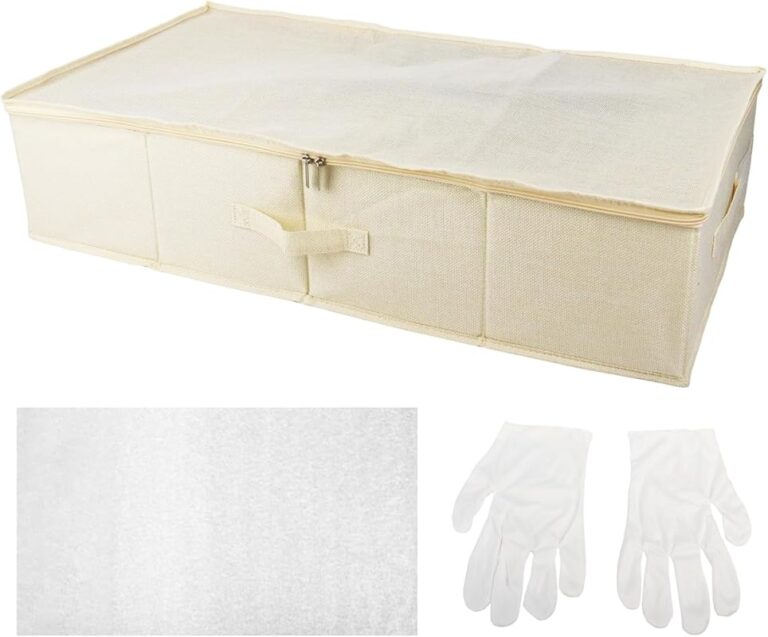
Wardrobes are good for short to medium storage when garments stay relatively accessible. Under-bed boxes can work well too, provided they are clean, dry, and not exposed to temperature swings or leaks. Linen cupboards are a natural fit for folded clothing, especially when the shelves are tidy and not overcrowded.
Archive-style storage is where acid-free tissue becomes most relevant. If you are using garment boxes, museum-style boxes, or long-term textile storage, the tissue becomes part of a preservation system rather than just a packing material.
Who it suits: collectors, seasonal dressers, vintage clothing owners, and gift preservers
Collectors often need repeatable, non-damaging storage methods. Seasonal dressers need a way to store off-season items without deep creasing. Vintage clothing owners need extra caution because older fibers can be more fragile and more sensitive to paper quality.
It also suits people preserving gifts or family garments. If you are saving a formal outfit, a baby garment, or a meaningful keepsake, tissue helps the piece look cared for rather than simply put away.
How to Use Acid Free Tissue Paper for Clothes Storage Correctly
Good tissue paper only helps if it is used well. The goal is not to stuff the garment with paper, but to support its shape and reduce pressure at the most vulnerable points.
Folding and layering methods for shirts, dresses, knitwear, and tailored pieces
For shirts, place a sheet between the front and back folds so the crease is softer and the fabric does not rub against itself. For dresses, especially those with delicate bodices or skirts, layer tissue between major folds so the garment opens without harsh lines.
Knitwear should be folded rather than hung, and tissue can be placed between layers to reduce friction. Tailored pieces often benefit from a little more structure: use tissue to support lapels, chest areas, and folded sleeves so the garment keeps a cleaner outline.
Make sure it is completely clean and fully dry before storing it. Tissue paper is for protection, not for hiding moisture or stains.
Use it where the garment bends most sharply, such as sleeves, hems, bodices, and between stacked layers.
Avoid tight corners or compressed bundles. Soft, loose folds are usually better for long-term fabric care.
Padding sleeves, collars, shoulders, and hems without overstuffing
Small amounts of tissue can make a big difference in shape retention. A collar may only need a light insert to avoid flattening. Sleeves can be softly rolled or lightly padded so they do not crease sharply. Shoulders and hems should be supported, but not packed so tightly that the garment loses its natural drape.
The main mistake is overstuffing. If the tissue creates lumps, stretches seams, or makes the garment box look swollen, it is probably doing too much. Protection should feel gentle and modular, not forced.
Never wrap damp, musty, or visibly soiled clothing in storage tissue. Trapped moisture can lead to odor, mildew, and fiber damage even when the paper itself is acid-free.
Placement guide for boxes, drawers, garment bags, and shelf stacks
In boxes, tissue works best as a layer between garments and as a buffer around edges and folds. In drawers, it can line the bottom or separate stacks so items do not rub together. In garment bags, use tissue only where it helps the shape; the bag itself should still allow the garment to breathe according to its intended design.
For shelf stacks, keep the stack low and even. Tissue should help the pile stay orderly, not turn it into a compressed block. If you need a cleaner storage system, pairing tissue with well-sized boxes or sleeves can be more effective than adding more paper.
- Use tissue to create a neat reveal when opening a keepsake box or seasonal wardrobe bin.
- Match the amount of tissue to the fabric weight: light for silk, moderate for wool, minimal for structured garments.
- Label storage boxes by season or garment type so you do not have to refold everything to find one item.
Benefits, Limitations, and Common Mistakes
Acid-free tissue is helpful, but it is not a complete preservation solution. The best results come when the paper is part of a clean, dry, well-organized storage setup.
Main benefits: reduced creasing, surface protection, and safer long-term storage
The most obvious benefit is crease control. Tissue softens the pressure points that form when garments are folded or stacked. It also helps protect delicate surfaces from friction, which is useful for fabrics that snag, pill, or show rub marks easily.
Another benefit is predictability. Once you learn how much tissue a garment needs, you can repeat the method across your wardrobe. That consistency is especially useful for seasonal storage or for clothing that you only bring out occasionally.
Limitations: moisture control, bulk, and why tissue is not a substitute for clean-dry storage conditions
Tissue paper does not remove humidity, stop leaks, or fix a storage area that is too warm or damp. If the room is unstable, the clothing can still suffer even when it is wrapped carefully. In other words, the paper is a support tool, not the whole solution.
Bulk is another limitation. Too much tissue can take up space quickly, especially in drawers and compact boxes. If your storage area is already tight, you may need to reserve tissue for the most fragile pieces and use simpler folding for everyday items.
- Helps reduce fold stress on delicate fabrics
- Creates a gentler surface between stacked garments
- Useful for long-term or seasonal clothing storage
- Does not control humidity or pests
- Can add bulk in small storage spaces
- Only works well when garments are clean and fully dry
Common mistakes to avoid: using printed tissue, acid-containing paper, or wrapping damp garments
Printed tissue can transfer inks or coatings, so it is not ideal for preservation. Paper that is not clearly acid-free can be a poor choice for long-term contact with fabric, especially on light-colored or fragile garments. And wrapping damp clothing is one of the fastest ways to create storage problems.
If you are also organizing art or keepsake materials, the same caution applies to paper-based storage in general. For example, careful presentation and stable materials matter just as much in other paper-sensitive categories, such as quality sketchbooks for artists and other archival-minded supplies.
Styling and Presentation Ideas for Gifts and Special Garments
One reason acid-free tissue remains popular is that it does more than protect. It also makes clothing feel considered, which matters when the item is a gift or a keepsake.
Using tissue paper for luxury gifting, keepsake clothing, and ceremonial outfits
For luxury gifting, tissue creates a polished, layered reveal that feels more thoughtful than dropping a folded garment into a box. For keepsake clothing, it signals that the item is being preserved rather than simply stored. Ceremonial outfits, such as wedding or religious garments, often benefit from this same sense of care.
The presentation does not need to be elaborate. Even a simple fold with clean tissue edges can make a garment box feel more deliberate and easier to reopen later without disturbing the contents.
Presentation ideas for gift boxes, drawer reveals, and wardrobe organization
In gift boxes, use tissue to cushion the garment, then fold the paper edges neatly so the reveal feels tidy. In drawers, tissue can separate special pieces from everyday items, making the drawer easier to scan at a glance. In wardrobes, it can keep a shelf stack from looking chaotic when the garment is not on display.
If you like a more curated look, you can also use tissue as part of a broader storage rhythm: one paper style, one box style, and a consistent folding method. That creates visual calm as well as practical protection.
How to match tissue choice with premium packaging and a tidy storage aesthetic
Choose tissue that feels clean and understated rather than overly decorative. Neutral white or off-white options are usually the easiest to pair with premium boxes, cotton garment bags, and minimal wardrobe systems. If your storage is visible, consistency matters more than ornament.
A tidy aesthetic is not just about looks. When storage is visually organized, it is easier to notice dust, compression, or a garment that needs refolding.
A neatly wrapped garment box with soft tissue layers can feel as considered as a framed print wall: simple, restrained, and quietly elevated.
Care, Maintenance, and Replacement Guide
Like any storage material, tissue paper should be checked occasionally. The better you maintain it, the more reliably it supports the clothing around it.
How often to replace tissue in stored clothing
There is no universal replacement schedule because it depends on storage conditions and how often the garments are handled. If clothing is accessed frequently, the tissue may need to be refreshed more often. For long-term storage, it is sensible to inspect the paper whenever you rotate seasonal items or open the box for any reason.
Signs the tissue should be changed: yellowing, creasing, dust, or loss of structure
Replace the tissue if it has yellowed, feels brittle, has accumulated dust, or no longer springs back into a soft fold. Heavy creasing is not always a problem, but if the paper has become flat and lifeless, it may no longer provide the gentle cushioning you want.
If the tissue smells musty, the storage environment may need attention as well. Paper can reflect the condition of the room, so changes in the tissue can be an early clue that the garment storage area needs cleaning or better ventilation.
Storage conditions for unopened tissue packs: dryness, flat storage, and protection from light
Keep unopened packs in a dry, cool place away from sunlight and moisture. Flat storage helps prevent warping, curling, and edge damage. If you are storing multiple packs, avoid putting heavy items on top of them so the sheets stay smooth and usable.
For best results, store tissue near the clothing system it supports, but not in the same damp or crowded environment if that space is questionable. A clean closet shelf or interior cupboard is usually better than a basement corner or a hot attic.
Final Recommendation: Is Acid Free Tissue Paper for Clothes Storage Worth It?
For everyday clothing, acid-free tissue is optional. For delicate, sentimental, or long-stored garments, it is one of the simplest ways to improve care without adding much complexity.
Best-value buying guidance for everyday wardrobes versus archival clothing care
If you are storing standard seasonal basics, choose a modest, clearly labeled acid-free tissue that folds well and fits your boxes or drawers. If you are preserving heirlooms, bridal wear, vintage clothing, or collector pieces, look for clearer material details and prioritize softness, pH information, and lignin-free construction.
For readers comparing storage tools more broadly, it can help to think of tissue as one layer in a preservation system, not the whole system. Box quality, room conditions, and garment cleanliness matter just as much as the paper itself.
Transparent verdict for 2026: when to buy, when to upgrade, and what to pair it with
Buy acid-free tissue when the garment is delicate, meaningful, or likely to stay folded for a long time. Upgrade to better archival-style tissue when you need more reliable material information, especially for valuable textiles. Pair it with clean, dry storage boxes, breathable garment bags where appropriate, and careful folding habits for the best result.
- Use acid-free tissue to cushion folds and protect delicate fabrics, not to solve moisture problems.
- Choose soft, clearly labeled, preferably lignin-free tissue for the garments you care about most.
- Keep clothing clean, dry, and loosely folded so the paper can actually do its job.
Which Acid Free Tissue Paper For Clothes Storage Setup Should You Choose?
Use this quick guide to match the product or setup to the way you actually use your space. The best choice is not always the most expensive one; it is the option that fits your size, mounting needs, storage habits, and daily routine.
| Use case | Best fit | What to check first |
|---|---|---|
| Small rooms or apartments | Compact, easy-to-place option | Measure the space before buying. |
| Frequent use | Sturdier build with practical features | Check finish, hardware, controls, closures, or weight capacity. |
| Decor-focused setup | Clean design that blends with the room | Match color, material, and visible hardware to nearby decor. |
| Budget buyer | Simple option with the core feature | Avoid paying extra for features you will not use. |
Quick Buying Checklist
- Confirm the size and compatibility before ordering.
- Check listing photos for included parts, finish, and mounting details.
- Read recent buyer feedback for durability, setup, or packaging complaints.
- Choose the version that solves your actual problem, not just the longest feature list.
Related Hurrell Editions Guides
Frequently Asked Questions