
Small Writing Desk vs Small Computer Desk Guide

A small writing desk is best for lighter work and a cleaner look in shared rooms. A small computer desk is better for monitors, storage, and everyday tech-heavy use.
small writing desk vs small computer desk is really a question of whether you need a clean surface for light tasks or a compact workstation built around screens, cables, and storage. Both can work in a small home office, but they solve different problems: writing desks usually prioritize a lighter look and smaller footprint, while computer desks tend to prioritize depth, support, and organization for tech-heavy use.
If you are furnishing a bedroom corner, living room niche, or compact work zone, the right choice comes down to how you work every day. A desk that looks perfect in a product photo can still feel cramped once you add a monitor, lamp, charger, notebooks, or a proper chair, so it helps to compare function before style.
- Best for style: Writing desks usually look lighter and blend into bedrooms or living rooms more easily.
- Best for function: Computer desks usually offer better depth, storage, and cable support.
- Most missed detail: Surface depth matters as much as width in a compact workspace.
- Smart buying check: Verify legroom, weight limits, and what features are actually included.
- Simple rule: Choose for your real equipment, not the look you hope to maintain.
Small Writing Desk vs Small Computer Desk: The Quick Answer for 2026 Home Offices
A small writing desk is typically simpler, shallower, and easier to place in multi-use rooms. A small computer desk is usually designed for equipment, which means more depth, more structure, and a better chance of finding features like monitor shelves, keyboard trays, cable cutouts, or built-in storage.
How the two desk types differ in purpose, footprint, and daily use
Writing desks are traditionally meant for paperwork, reading, journaling, and light office tasks. In modern homes, that often translates into laptop work, occasional admin, and a setup that needs to blend into the room when the workday ends. They usually have an open base, a relatively slim top, and fewer visual interruptions.
Computer desks are more task-driven. Even in small sizes, they are more likely to account for monitors, desktop towers, printers, docking stations, and accessory storage. That extra function often changes the proportions. A compact computer desk may be deeper, heavier-looking, or more segmented than a writing desk of similar width.
| Desk Type | Best For | Key Consideration |
|---|---|---|
| Small writing desk | Laptop work, writing, bills, decor-friendly rooms | May feel too shallow for larger monitors or multiple devices |
| Small computer desk | Monitor-based work, remote setups, tech organization | Can look bulkier in bedrooms or living spaces |
When a writing desk is the better choice and when a computer desk makes more sense
Choose a writing desk when your setup is visually exposed and you want the room to feel calm. It often suits renters, apartment dwellers, occasional users, and anyone creating a workspace in a guest room or shared living area.
Choose a computer desk when the desk has to perform like a true workstation. If you use an external monitor daily, need drawers for office gear, or want better cable control, a compact computer desk is usually the more practical buy.
How to Compare a Small Writing Desk and a Small Computer Desk Before You Buy

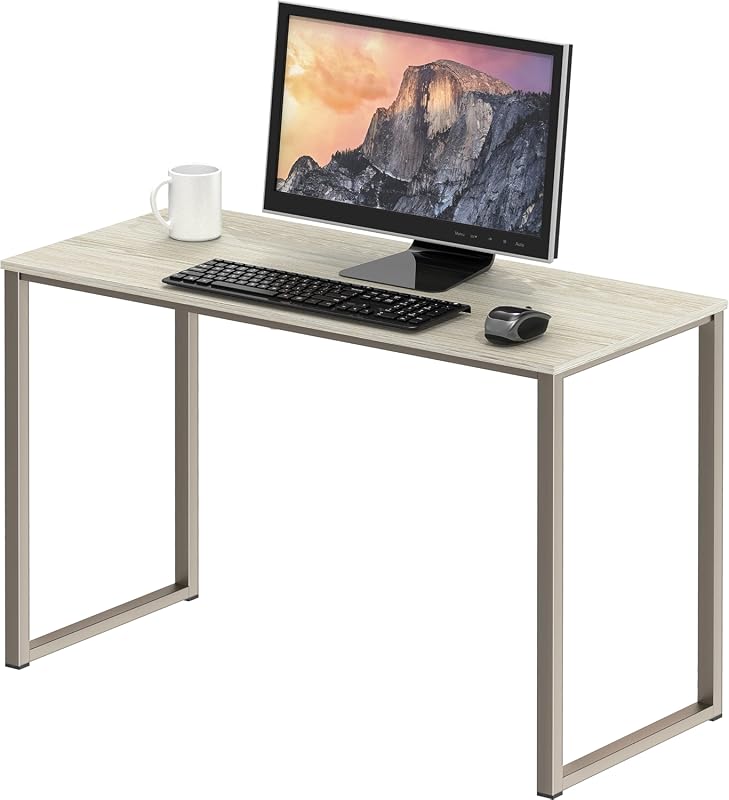
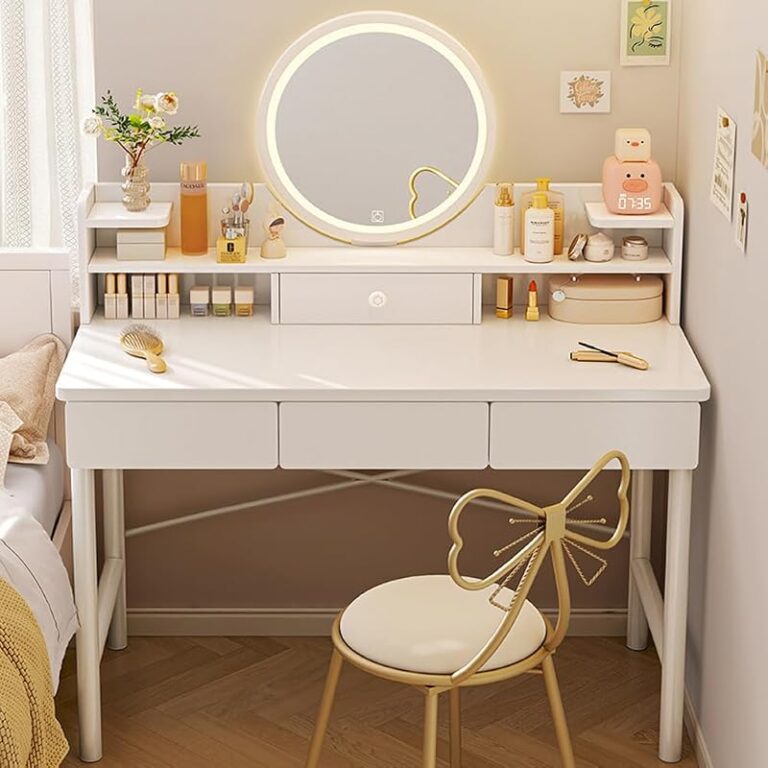
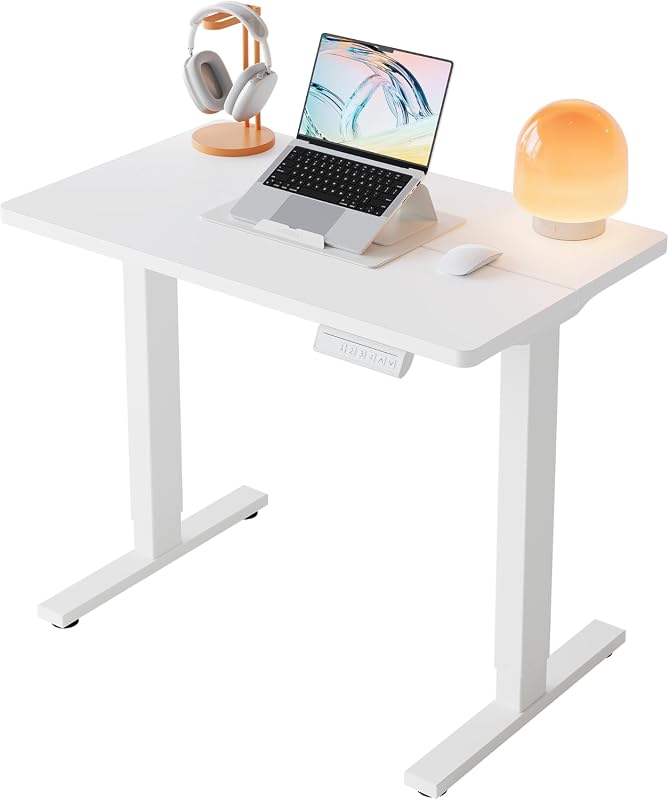
A writing desk and computer desk are shown side by side for comparison.
The most useful comparison is not brand against brand but layout against workflow. Before buying, list what must sit on the desk every day, what can live elsewhere, and whether the desk will be on display in a style-led room.
Surface depth, legroom, and usable work area
Width gets attention, but depth often decides whether a desk is comfortable. A shallow writing desk can work beautifully for a laptop and notebook, yet feel tight once you add a monitor stand or desk lamp. A deeper computer desk gives more breathing room between your eyes and the screen and leaves space for a keyboard, documents, or a mug without crowding the edge.
Legroom matters just as much. Drawers, center aprons, support bars, and low shelves can reduce knee clearance, especially in compact desks where every inch is working hard. Check the open seated area, not just the outer dimensions.
Measure the footprint of your actual work items on the floor first: laptop, monitor base, notebook, lamp, and mouse space. It gives a more realistic picture than relying on product photos alone.
Storage, cable management, and monitor support
This is where the gap between the two desk types becomes clearer. Writing desks may have one or two slim drawers, but many are intentionally minimal. That can be a benefit if you already have nearby storage, or if you want the desk to double as a console table.
Computer desks are more likely to include shelves, cubbies, CPU space, raised monitor support, or wire-routing features. These additions can make a small setup feel far more controlled, especially in homes where chargers and peripherals easily spread across the surface.
If your workspace always ends up messy, storage is not a minor extra. It is part of the desk’s core function. Readers comparing drawer styles may also find it helpful to understand what a small writing desk with drawers is called, since naming varies across retailers.
Build quality, weight capacity, and long-term durability
Compact desks are often asked to do a lot with limited material, so construction quality matters. Look for stable joinery, a top that does not appear overly thin for the span, and legs or side panels that feel proportionate to the load. A lightweight writing desk can be perfectly suitable for paper-based work, but not every model is ideal for heavy monitors or constant movement.
Weight capacity varies widely by model and manufacturer. If you plan to place a monitor arm, printer, stacked books, or desktop equipment on the desk, verify the official specifications before buying. This is especially important with engineered wood and flat-pack designs, where performance depends heavily on the internal structure and hardware.
Style fit for modern, traditional, minimalist, and mixed interiors
Writing desks usually win on visual flexibility. They can read as furniture first and office piece second, which helps in traditional homes, soft modern interiors, and mixed spaces where a bulky workstation would feel out of place. If you are unsure how retailers use the term, this guide on what a small writing desk is called can help decode product listings.
Computer desks suit more functional or contemporary interiors, especially those with metal frames, black finishes, industrial details, or modular storage. They can still look refined, but they rarely disappear into a room as easily as a slim writing desk.
What to Look For in a Small Desk: Size, Materials, and Practical Specifications
Once you know which category fits your workflow, the next step is checking whether a specific desk fits your room and maintenance expectations.
Best dimensions for compact rooms, corners, and multi-use spaces
There is no single perfect size because room layout, chair size, and equipment vary, but compact desks generally work best when they leave enough circulation around the chair and do not interrupt doors, wardrobes, or walking routes. In a bedroom or hallway niche, even a few extra inches of depth can make the space feel blocked.
For corners, look carefully at base design. A desk with open legs may fit more easily than one with boxy storage pedestals. In multi-use rooms, a narrower writing desk often feels less intrusive, while a small computer desk can justify its larger presence if it replaces separate storage furniture.
Retailer dimensions may list overall width and depth without making knee space or drawer intrusion obvious. Check product diagrams closely, and confirm whether monitor risers or shelves are included in the total height.
Wood, veneer, metal, glass, and engineered materials compared
Solid wood can feel warmer, age well, and often looks better over time, but it may cost more and can still dent or move slightly with humidity. Veneer can offer a more polished furniture look than low-grade laminates, though finish quality varies. Engineered wood is common in affordable compact desks and can be good value when the build is sound, but edges and hardware quality deserve close attention.
Metal frames often improve rigidity and suit modern interiors. Glass can make a small room feel lighter visually, though it shows dust, fingerprints, and cable clutter quickly. If you want a desk that doubles as decor, material choice matters as much as layout.
Keyboard trays, drawers, shelves, and ergonomic considerations
Extra features are only useful if they improve comfort. A keyboard tray can free up surface area, but some users find trays too low, too narrow, or awkward with modern chairs. Monitor shelves can help raise the screen, though they also reduce vertical flexibility if you prefer adjustable arms or taller displays.
Drawers are helpful when they do not steal too much legroom. Shelves are useful when they hold what you actually use rather than forcing clutter into view. If ergonomics are a priority, pair your desk choice with a chair that suits the desk height and your working posture. For seating guidance, Hurrell Editions also has a guide to the best desk chair for artists, which is relevant to anyone doing long seated sessions at a compact desk.
Who Each Desk Suits Best and Which Rooms They Fit

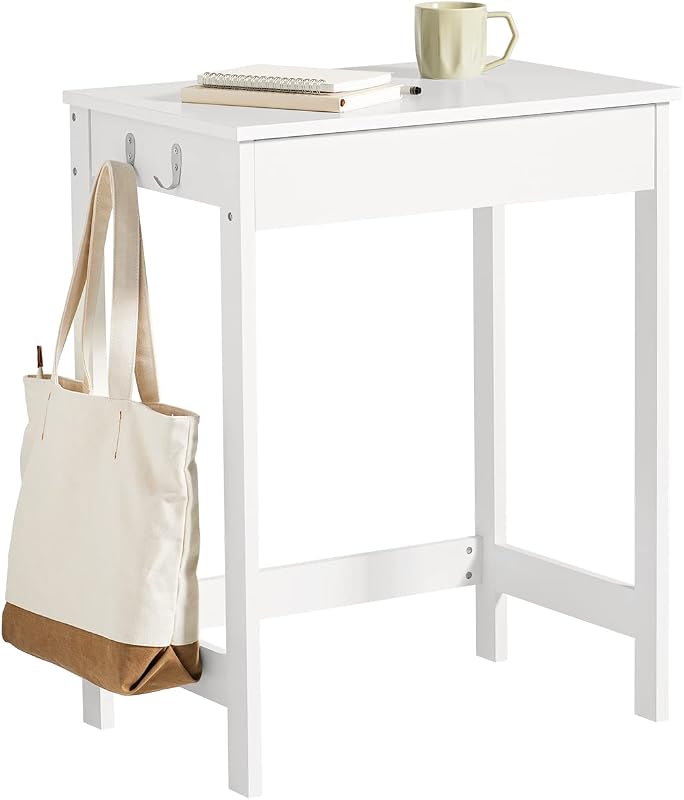
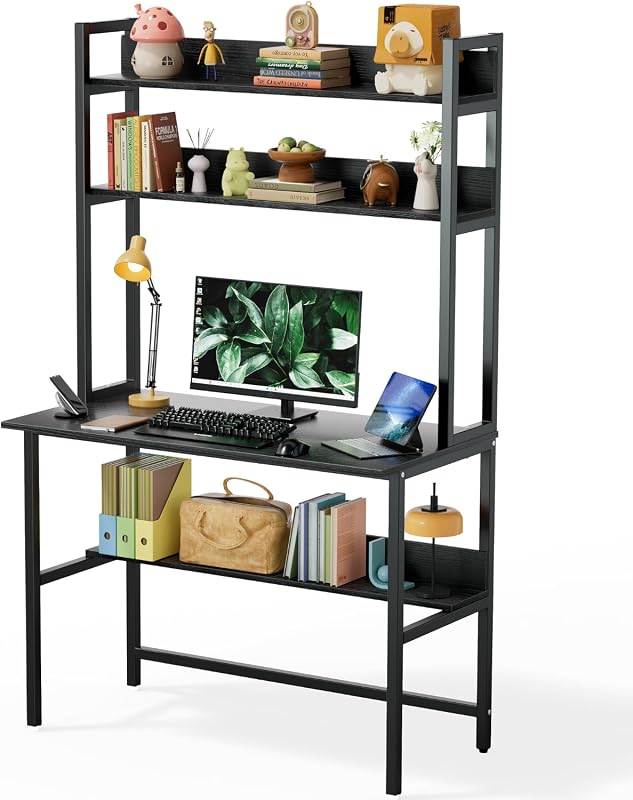
Comparison of desk types across three compact room layouts.
Neither desk type is universally better. The better option is the one that matches the room’s role and your real workload.
Best uses for bedrooms, living rooms, hall niches, studios, and dedicated home offices
In bedrooms, writing desks often make more visual sense because they feel closer to dressing tables or console tables. In living rooms, they are usually easier to style with lamps, art, and baskets so the area does not look like a corporate workstation.
In hall niches or narrow alcoves, a writing desk may be the only practical option if depth is limited. In studios and dedicated home offices, a small computer desk can be the stronger performer because storage and cable support matter more than visual lightness.
Writing, laptop work, gaming, admin tasks, and hybrid work setups
For handwriting, planning, journaling, and occasional laptop sessions, a writing desk is often enough. For email-heavy remote work with one monitor, the choice depends on how much paperwork and tech you keep at hand.
For gaming, dual screens, desktop towers, or daily hybrid work, small computer desks are usually more realistic. A writing desk can support light digital work, but it may not leave enough room to scale up comfortably.
- Use a writing desk in shared rooms when you want the workspace to blend into the decor after hours.
- Use a compact computer desk when your setup includes fixed equipment that is unlikely to be packed away daily.
- Add vertical storage nearby instead of choosing an overbuilt desk if floor space is the main constraint.
Which desk works best for students, remote workers, occasional users, and style-led shoppers
Students often do well with either type depending on whether they work mostly on paper or on-screen. A writing desk suits note-taking and flexible use, while a computer desk helps when coursework involves a monitor, printer, or lots of accessories.
Remote workers usually benefit from the extra function of a computer desk, especially if the desk is used five days a week. Occasional users and style-led shoppers are more likely to appreciate the simplicity of a writing desk, provided it still fits the tools they need.
Benefits and Limitations of Small Writing Desks vs Small Computer Desks
Why a writing desk can feel lighter, calmer, and easier to style
A writing desk often improves a room simply by not overcomplicating it. The open shape can make small spaces feel less crowded, and the simpler silhouette works with more decorating styles. It is also easier to repurpose later as an entry table, vanity, or accent desk.
The limitation is that this elegance often depends on restraint. Once cables, stands, and office tools start accumulating, the desk may lose the very quality that made it appealing.
Why a computer desk can improve function, storage, and tech support
A computer desk earns its footprint by solving practical problems. It can hide clutter better, support more equipment, and reduce the daily friction of plugging in devices, storing accessories, and keeping work materials within reach.
The trade-off is visual weight. In a compact bedroom or living area, a computer desk can dominate the room more than expected, especially with dark finishes or stacked shelving.
Trade-offs in comfort, flexibility, visual bulk, and upgrade potential
If you expect your setup to evolve, computer desks usually offer better upgrade potential. They are more forgiving when you add a second screen, larger lamp, or extra storage. Writing desks are more flexible as furniture pieces, but less flexible as technical workstations.
- Writing desks usually look lighter and suit more rooms.
- Computer desks usually support monitors, storage, and cables more effectively.
- Both can work in small spaces if matched to the right tasks.
- Writing desks can be too shallow for screen-based work.
- Computer desks can feel bulky in shared or decorative spaces.
- Compact designs in either category may sacrifice legroom.
Common Buying Mistakes to Avoid With Compact Desks
Choosing the wrong depth for monitors, laptops, or dual-use work
One of the most common mistakes is assuming a desk that fits the wall will fit the work. A shallow top may feel fine for casual laptop use but frustrating for monitor-based tasks, especially if you need writing space in front of the keyboard.
Ignoring cable routes, chair clearance, and nearby socket access
A compact desk can become awkward fast if cords have nowhere to go or the chair cannot tuck in properly. Check outlet location, charger reach, and whether drawers or side shelves interfere with your knees or arm movement.
Prioritising looks over stability, finish quality, or maintenance needs
Beautiful finishes matter, but so do wobble resistance, edge quality, and ease of cleaning. A glossy white desk may look crisp online and still prove high-maintenance in daily use, while a thin faux-wood top may not age as well in a busy household.
If you are considering a custom route instead of buying ready-made, a practical starting point is this guide on how to build a small writing desk, especially for understanding proportions and storage trade-offs before committing.
How to Style a Small Writing Desk or Small Computer Desk in a Home Office
Matching desk shape and finish to existing decor
A slim wood writing desk pairs well with soft textiles, framed art, and traditional or transitional interiors. Black metal and wood combinations tend to suit industrial, modern, or more graphic spaces. If the desk sits in a living room or bedroom, match at least one finish to nearby furniture so it feels intentional rather than improvised.
Lighting, seating, and storage pairings that keep a compact setup balanced
Good lighting can make a small desk feel more usable and more finished. A focused desk lamp is often the easiest answer, while nearby shelving, baskets, or a rolling file can absorb overflow without forcing you into a larger desk footprint. For task lighting ideas, see Hurrell Editions’ guide to the best desk light for artists if your work involves detailed reading, drawing, or long evening sessions.
Keep seating in scale. An oversized executive chair can overwhelm a small desk and reduce movement space. Open shelving or wall-mounted storage can help, but always check wall type, load limits, and installation requirements before mounting anything heavy.
Decor ideas that make a tech-heavy desk feel refined and a writing desk feel purposeful
To soften a computer desk, limit visible accessories, use matching storage containers, and choose a lamp or chair with a more residential feel. A framed print, small plant, or pinboard can help the setup feel integrated into the room rather than purely functional.
To make a writing desk feel purposeful, anchor it with a proper task lamp, a tray for essentials, and one or two work-specific objects such as a notebook stand or file sorter. That prevents it from drifting into “unused accent table” territory.
Care, Maintenance, Value, and the Final Recommendation
How to protect different desk materials from scratches, heat, and daily wear
Use coasters, desk pads, and felted accessories where needed, especially on wood veneers, laminates, and painted surfaces. Glass tops need frequent wiping and can show scratches more than expected, while metal frames benefit from staying dry and free from chips that could expose the finish to wear.
Always follow the manufacturer’s care guidance for the specific finish. Heat, moisture, and harsh cleaners can damage veneer edges, painted tops, and engineered wood surfaces faster than many buyers expect.
What represents good value at different budgets in 2026
Good value is not the cheapest desk that fits the corner. It is the desk that meets your daily needs without forcing immediate add-ons or replacement. In 2026, verify what is actually included, such as shelves, drawers, monitor stands, or cable features, because value can vary significantly even when desks look similar online.
Also confirm official dimensions, materials, assembly requirements, warranty terms, and care instructions on the retailer or manufacturer listing before buying. Those details matter more than trend language or heavily staged imagery.
A transparent verdict: which small desk type is the smarter buy for your space and workflow
If your work is light, your room is shared, or style matters as much as function, a small writing desk is usually the better fit. It keeps the space visually open and works well for laptops, writing, and occasional admin.
If you work daily at a screen, need storage, or want a desk that can handle a more permanent setup, a small computer desk is the smarter buy. For most people, the decision is simple: buy a writing desk for a furniture-led room, and buy a computer desk for a workflow-led room.
Frequently Asked Questions

13 Comments