
What Is a Small Writing Desk With Drawers Called

A small writing desk with drawers is usually called a writing desk. Depending on the design, it may also be listed as a secretary desk, bureau desk, laptop desk, or vanity-style desk.
When people ask what is a small writing desk with drawers called, the most accurate answer is usually a writing desk or a small writing desk, but the right term can also be secretary desk, bureau desk, laptop desk, or even vanity-style desk depending on the shape and purpose. The name changes less because of size alone and more because of how the desk is built, how many drawers it has, and whether it is meant for paperwork, laptop use, storage, or dual-purpose bedroom styling.
That distinction matters when you are shopping. A retailer may list nearly identical pieces under different names, and those labels can affect what you expect in terms of storage, legroom, work surface depth, and how the desk fits into a bedroom, living room, or compact home office.
- Best general term: “Writing desk with drawers” is the clearest name for most shoppers.
- Name changes by design: Secretary and bureau desks usually have more built-in or concealed storage.
- Measure carefully: Surface depth, legroom, and drawer clearance matter as much as width.
- Buy for real use: Laptop-only setups need less depth than monitor-based workstations.
- Check specifications: Confirm materials, finish care, and assembly details on the official listing before buying.
What Is a Small Writing Desk With Drawers Called? The Short Answer
Common names: writing desk, secretary desk, bureau, laptop desk, and vanity-style desk
The broadest and safest term is writing desk with drawers. Traditionally, a writing desk is slimmer and lighter-looking than a full office desk, with a relatively simple top and a few shallow drawers for stationery, papers, or small accessories.
Beyond that, several other names appear often:
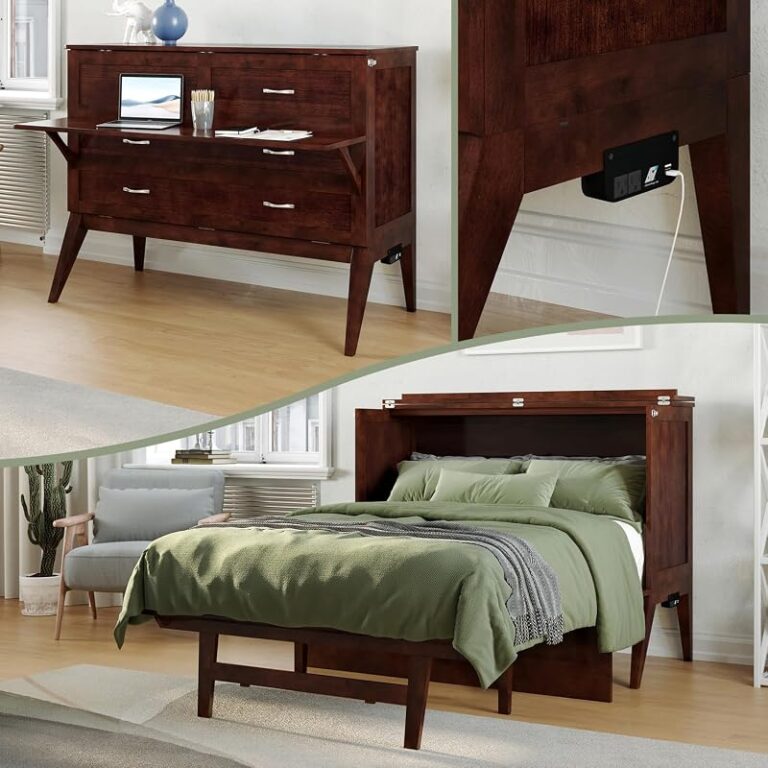
- Secretary desk: Usually includes a fold-down writing surface, upper storage, cubbies, or a hutch-like top.
- Bureau desk: A more furniture-like form, often associated with traditional styling and hidden storage.
- Laptop desk: A modern retail term for a compact desk sized more for a laptop than a full desktop setup.
- Vanity-style desk: A small desk that visually resembles a dressing table, often with drawers and a narrow footprint.
- Console desk: A shallower desk that borrows proportions from a console table but adds work-friendly features.
How drawers, proportions, and intended use change the name
A desk’s name often reflects how it is meant to function. A narrow piece with one center drawer may still be called a writing desk, while a compact piece with stacked side drawers might be marketed as a small office desk. Add an upper cabinet, pigeonholes, or a drop-front panel, and the same general category starts to lean toward secretary desk territory.
Depth also matters. Many small writing desks are intentionally shallow so they can sit in bedrooms or living spaces without dominating the room. If the top is too narrow for a monitor, keyboard tray, and paperwork, it may be marketed as a laptop desk instead of a standard home office desk.
In other words, there is no single universal name. The most useful approach is to start with writing desk with drawers as your search term, then refine by style and function.
How to Identify the Right Type of Small Desk for Your Space

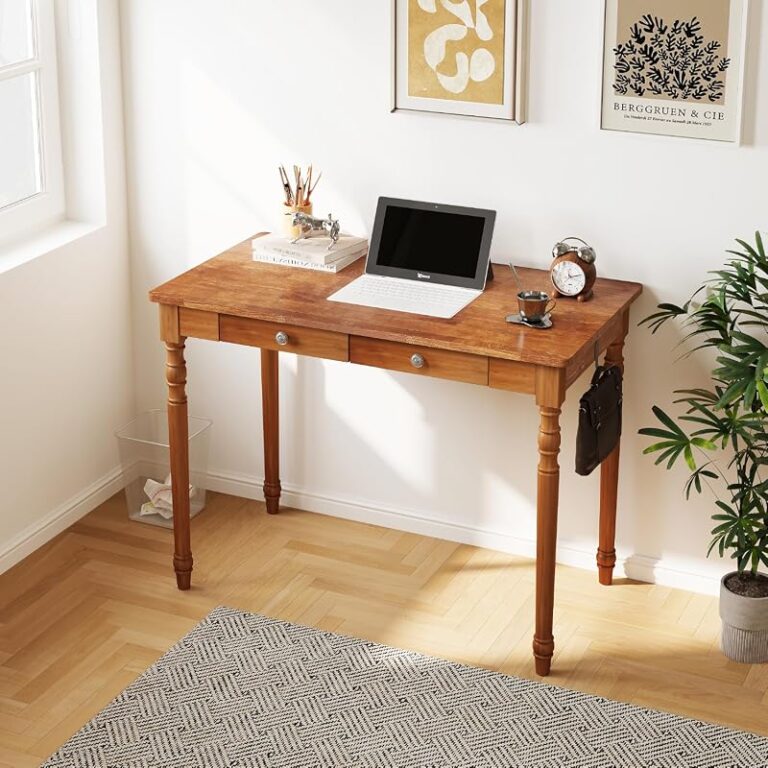
A compact writing desk with drawers fits neatly into a small room.
Writing desk vs secretary desk vs bureau desk
A writing desk is the cleanest option for most people. It tends to have an open area underneath, a straightforward rectangular top, and minimal storage. That makes it easier to pair with a comfortable chair and easier to fit into mixed-use rooms.
A secretary desk is better for people who want storage hidden in a smaller footprint. These desks often include vertical storage above the writing area, which is helpful in tight rooms but can make the piece feel visually heavier.
A bureau desk usually feels more traditional and furniture-like. It may suit classic interiors, guest rooms, or spaces where you want the desk to blend with bedroom furniture rather than read as office equipment.
| Desk Type | Best For | Key Consideration |
|---|---|---|
| Writing desk | Clean, versatile everyday use | Usually limited storage |
| Secretary desk | Compact spaces needing hidden organization | Upper storage can feel bulky |
| Bureau desk | Traditional rooms and furniture-led styling | May prioritize appearance over legroom |
Console desk, ladder desk, and compact home office hybrids
Many modern small desks do not fit neatly into old furniture categories. A console desk is often a shallow desk that looks refined in a hallway, bedroom wall, or living room corner. It works well for light laptop use, bill paying, journaling, or occasional admin tasks.
A ladder desk combines a desktop with vertical shelving above. It is efficient when floor space is tight, but you need to check whether the upper structure limits monitor height or makes the desk feel crowded.
Then there are compact hybrids: pieces sold as home office desks, study desks, or even entryway desks. These can be practical, but the label alone does not tell you enough. Look closely at the actual proportions, drawer placement, and whether the desk supports the way you work.
When a dressing table or vanity overlaps with a writing desk
Some of the smallest desks with drawers are visually close to vanities. If the piece has tapered legs, a slim silhouette, and two small drawers, it may work equally well as a bedroom writing desk or a dressing table.
This overlap is useful in smaller homes. A dual-purpose desk can function as a casual workstation by day and a bedroom furniture piece the rest of the time. The trade-off is that vanity-style desks are often narrower and less ergonomic for long work sessions.
If a retailer uses several names for the same item, trust the measurements and construction details more than the category label. “Vanity,” “console,” and “writing desk” can overlap heavily in compact furniture listings.
What to Look for When Buying a Small Writing Desk With Drawers
Size, legroom, and working surface depth
The first thing to check is not style but usable space. A small desk can look perfect online and still feel cramped if the top is too shallow or the apron leaves too little knee room. For real day-to-day use, depth matters almost as much as width.
Think about what will sit on the surface:
- A laptop only
- A laptop plus notebook
- A monitor and keyboard
- Writing materials, lamp, and catchall tray
If you need the desk for focused work, a deeper top will generally feel more comfortable. If you mainly want a compact landing spot for a laptop and occasional paperwork, a shallower profile may be enough and will keep the room feeling open.
Measure not just wall width but seated clearance. A desk can fit the room and still fail if your knees hit the drawer apron or your chair cannot tuck in properly.
Drawer capacity, cable management, and everyday usability
Drawers are one of the main reasons people choose a small writing desk over a simple table. The question is whether those drawers are actually useful. Shallow center drawers are ideal for pens, paper clips, chargers, and notebooks. Deeper side drawers are more practical for files, tech accessories, or personal items.
Also think about cable management. Many small desks are designed to look clean, not necessarily to support a tangle of chargers and peripherals. If you will use a lamp, laptop charger, or monitor, look for cutouts, rear gaps, or enough back clearance to route cables neatly.
For creative setups, drawer organization matters just as much as the desk itself. If you need extra help planning a compact workstation, Hurrell Editions also has a useful guide on how to organize art supplies in a small space.
Build quality, joinery, finish, and hardware
A small desk gets touched constantly, so build quality shows up quickly in daily life. Wobbly legs, sticky drawers, thin veneers, and lightweight hardware can make an otherwise attractive desk feel disappointing.
Look for clear product details about:
- Whether the desk is solid wood, engineered wood, metal, or mixed material
- How the drawers open and whether runners are specified
- The sturdiness of the base and leg connections
- The quality of handles, knobs, or pulls
- Care instructions for the finish
If the listing is vague, check the official product page, assembly instructions, and warranty information before buying. That is especially important for flat-pack furniture, where the final feel depends heavily on how the structure is reinforced.
Best Materials, Finishes, and Design Details for 2026 Home Offices

A compact writing desk features drawers, walnut grain, and brass hardware.
Solid wood, engineered wood, metal, glass, and mixed-material options
In 2026, small desks continue to sit at the intersection of furniture and decor. That means the best material is not just about strength; it is about how the desk lives in the room.
Solid wood usually offers the warmest look and the best long-term repair potential. It often ages well, though it can be heavier and more expensive.
Engineered wood is common in affordable and mid-range furniture. Quality varies widely. Some versions are stable and practical, while others are more vulnerable to chipping, swelling, or edge wear.
Metal frames can keep a desk visually light and structurally firm. They suit modern, industrial, or minimalist rooms, especially when paired with wood-look tops.
Glass tops make a room feel open but show fingerprints, dust, and cable clutter more easily. They are usually best for occasional use rather than busy all-day workstations.
Mixed-material desks combine the strengths of each, such as a metal base for stability and a wood top for warmth.
Painted, stained, lacquered, and natural finishes
Finish changes both the look and maintenance level of a small desk. A painted desk can feel crisp and tailored, especially in bedrooms or cottage-inspired spaces. A stained wood finish tends to hide minor wear better and often looks more timeless.
Lacquered finishes create a smoother, more polished appearance, but they may show scratches more readily depending on color and sheen. Natural or low-sheen finishes highlight grain and texture, which can make a compact desk feel more substantial and less generic.
When the desk will sit near art, books, or display shelves, the finish should also work with the room’s visual temperature. Warm woods soften tech-heavy spaces, while painted black, white, or muted gray can create a sharper, more architectural look.
Details that affect longevity: runners, handles, feet, and protective coatings
The small details often determine whether a desk feels well made after a year. Drawer runners affect how smoothly storage works. Handles and pulls influence not just style but wear, especially on painted fronts. Adjustable feet can help on uneven floors. Protective top coatings matter if you write directly on the surface, use mugs nearby, or move objects around often.
Who a Small Writing Desk With Drawers Suits and Which Rooms It Fits Best
Bedrooms, living rooms, hall corners, studios, and dedicated home offices
Small writing desks work best in rooms where a full office desk would feel oversized. In a bedroom, they can double as a vanity or bedside-adjacent workspace. In a living room, they are easier to blend with decorative furniture. In a studio apartment or hall corner, they can create a functional landing spot without making the space feel overfurnished.
Even in a dedicated home office, a compact desk can be the better choice if you rely on wall shelving, a storage cabinet, or a secondary table for supplies. If you display prints or framed work above the desk, a soft picture light can help define the zone; if that interests you, see our guide to what a dimmable picture wall light is.
Best fit for students, occasional remote workers, writers, and design-conscious minimalists
This type of desk suits people whose work is relatively light and contained. Students, journal writers, laptop users, and occasional remote workers often benefit from a compact footprint and a few drawers more than they would from a bulky executive desk.
It is also ideal for design-conscious minimalists who want the room to stay residential rather than corporate. A small writing desk can read as furniture first, workspace second, which is often exactly the right balance in multipurpose homes.
When a compact desk is a smart choice and when it is too limiting
A compact desk is smart when your priority is flexibility, aesthetics, or making use of an underused corner. It is less ideal when you need dual monitors, large reference books, extensive paper storage, or long hours of highly ergonomic desk work.
If your routine includes sketching, drafting, or spreading out materials, you may be better served by a larger workstation. For that scenario, our guide to the best desk for an artist may be more relevant than a compact writing desk.
Sizing, Placement, and Styling Ideas for a Small Writing Desk
Typical dimensions and how much clearance to leave around the desk
Exact sizing varies by model, but most small writing desks are noticeably narrower and shallower than standard office desks. The key is leaving enough clearance to sit comfortably, open drawers fully, and move the chair without scraping other furniture.
When planning placement, account for:
- Chair depth when pulled out
- Drawer swing or extension
- Nearby bed, sofa, or radiator clearance
- Walking space behind the chair
If the desk sits in a bedroom, make sure it does not block wardrobe doors or create a pinch point at the foot of the bed.
Where to place it for light, comfort, and visual balance
Natural light is usually the best starting point. Positioning a small desk near a window can make the area feel brighter and more intentional, but glare matters. If you work on a screen, try to avoid a setup where direct sunlight hits the display or where the window sits directly behind you and creates harsh contrast.
In living rooms and bedrooms, visual balance matters as much as function. A narrow desk often looks best when anchored with art, a mirror, shelving, or a lamp so it does not feel like a leftover piece pushed against a wall. If you plan to add display storage above it, a picture ledge can create a lighter, more flexible alternative to a bulky bookcase.
Try pairing a slim oak or walnut writing desk with a linen shade table lamp, one framed print above, and a soft upholstered chair for a workspace that still feels like part of the room.
How to style it with a chair, lamp, storage, and decor without overcrowding
The easiest mistake with a small desk is over-accessorizing it. Because the surface is limited, every object needs a job. Start with the essentials: chair, task lamp, and one or two storage pieces at most.
- Choose a chair that can tuck fully under the desk when not in use.
- Use a small tray to contain pens, chargers, and loose paper instead of scattering items across the top.
- Add vertical storage nearby rather than stacking too much on the desktop.
- Keep decor scaled down: one print, one vase, or one small plant is often enough.
If you need extra organization, consider a nearby basket, compact filing box, or wall shelf rather than forcing all storage into the desk itself. That keeps the surface usable and the room calmer.
Benefits, Limitations, and Common Buying Mistakes
Why small desks with drawers work so well in compact interiors
The main benefit is efficiency. A small writing desk with drawers offers a real work surface plus concealed storage without the visual weight of a larger office desk. That makes it ideal for apartments, guest rooms, and shared living spaces.
It also tends to be easier to style. Because the form is simple, it can work with traditional, transitional, Scandinavian, modern, or eclectic interiors depending on the finish and hardware.
Trade-offs in storage, ergonomics, and monitor setup
The trade-offs are real. Smaller desks usually mean less drawer volume, less elbow room, and fewer options for monitor arms, desktop towers, or elaborate cable management. Some are best for short sessions rather than all-day work.
If you use a large monitor, office chair, printer, or document stand, a compact desk may feel tidy at first and frustrating later. That is why buying by looks alone often backfires.
Mistakes to avoid with scale, drawer access, and material expectations
One common mistake is choosing a desk that is too shallow for the way you work. Another is forgetting to measure drawer clearance, especially if the desk will sit close to a bed, wall, or radiator. A third is assuming all wood-look desks offer the same durability.
- Measure wall width, seated depth, and drawer clearance before ordering.
- Match the desk type to your actual work style, not just the room aesthetic.
- Check official specifications for materials, care, and assembly details.
- Assuming “small desk” automatically means comfortable for laptop and monitor use.
- Overfilling drawers with heavy items the desk was not designed to hold.
- Expecting thin engineered surfaces to wear like solid hardwood.
Care, Maintenance, and Is It Worth It? A Final Recommendation
How to protect wood, painted, and mixed-material desks over time
Care depends on the finish, so always check the manufacturer’s instructions first. In general, use coasters, avoid prolonged moisture, wipe spills quickly, and do not drag metal accessories or ceramics across the top. A desk pad can help protect surfaces used for daily writing or laptop work.
Keep wood and painted desks away from persistent dampness, strong direct sun, and heat sources where possible. These conditions can contribute to fading, warping, finish cracking, or veneer lifting over time.
For mixed-material desks, pay attention to each surface separately. Metal frames may need only dusting, while wood tops and painted drawers require gentler cleaning and more protection from knocks.
What drives value: craftsmanship, versatility, and longevity
A small desk is worth it when it solves a space problem without creating a workflow problem. The best value usually comes from a piece that balances decent craftsmanship, practical drawer storage, and enough versatility to move between rooms over time.
Because specifications, finishes, and assembly quality vary widely, confirm dimensions, materials, care guidance, and warranty terms on the official listing before buying. That matters more than whether the desk is marketed under a trendier name.
Final recommendation: the best term to use and the best type to buy for your needs
For most shoppers, the best term to use is small writing desk with drawers because it is accurate, widely understood, and broad enough to surface the right options. If you want a clean look and everyday flexibility, buy a standard writing desk; if you need more hidden storage in a tight footprint, consider a secretary desk; and if the desk will live in a bedroom, a vanity-style writing desk can make excellent sense.
The right choice comes down to one practical question: do you need a compact surface that happens to have drawers, or a storage piece that also functions as a desk? Once you answer that, the naming confusion gets much easier to sort out.
Frequently Asked Questions
7 Comments