How to Frame Photo in Acrylic for a Modern Display

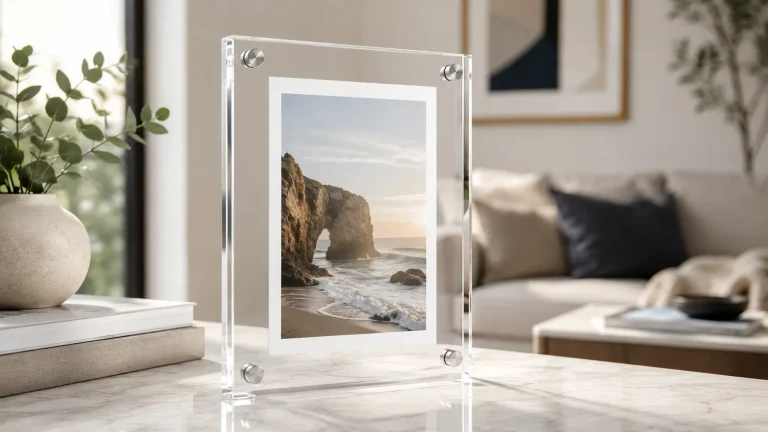
Framing a photo in acrylic gives it a clean, modern, gallery-style look that works especially well for portraits, travel images, and black-and-white prints. It is a strong choice when you want the photograph to feel lighter, brighter, and more intentional in the room.
Choosing to frame photo in acrylic is often less about trend and more about presentation. For art lovers and home decorators, acrylic offers a crisp, contemporary way to let an image feel lighter, brighter, and more intentional on the wall.
- Best look: Acrylic creates a crisp, contemporary display.
- Best images: Strong portraits, travel photos, and monochrome prints.
- Main trade-off: Beautiful clarity, but more glare and scratch sensitivity.
- Room fit: Works well in living rooms, hallways, studios, and reading corners.
Why Frame Photo in Acrylic for Contemporary Art-Forward Spaces
Acrylic framing has become a favorite in rooms where the image itself should feel like the focal point. It creates a sleek, modern presentation that suits photography especially well, because it removes much of the visual weight that traditional frames can add.
How acrylic changes the visual reading of a photograph
Acrylic tends to sharpen contrast and give photographs a clean, polished edge. Instead of reading as a decorative object with a heavy border, the image can feel more like a gallery display or a collected artwork.
That effect is especially useful for images with strong composition, crisp lines, or subtle tonal shifts. A floating frame presentation can deepen that sensation further, making the photograph feel suspended rather than enclosed.
Reader intent: when people want a cleaner, gallery-style display
People usually search for a frame photo in acrylic when they want something more refined than a standard frame-and-mat setup. The appeal is often the same across different homes: less visual clutter, more clarity, and a display that feels curated rather than busy.
It is a strong choice for anyone styling a room with modern art, minimal furniture, or a quiet color palette. If you are building a wall around one large image, the proportions matter too, which is why guides like large poster frame sizes can be useful when planning scale.
Design Effects: Clarity, Depth, and Light in Interior Styling
Acrylic is valued not just for protection, but for the way it changes how a photograph lives in a room. It can make a print appear cleaner in daylight, more dimensional at dusk, and more polished under artificial lighting.
How acrylic interacts with natural light and artificial lighting
In bright rooms, acrylic often brings out tonal detail and gives the image a luminous finish. In softer light, it can create a subtle depth that makes the photograph feel richer without overpowering the wall.
That said, acrylic can be reflective. Near windows, lamps, or overhead spots, glare may become part of the experience, so placement matters as much as the frame itself. A carefully chosen hanging position can make the difference between elegant sheen and distracting reflection.
When possible, test the frame at the intended wall location at different times of day. Acrylic looks especially good in spaces with indirect daylight and controlled evening lighting.
Best rooms for acrylic-framed photos: living rooms, hallways, studios, and reading corners
Living rooms benefit from the clean, collected look acrylic can bring to a statement image. Hallways are another natural fit, especially when you want a narrow passage to feel more intentional and gallery-like.
Studios and reading corners also suit this format because the material feels contemporary without becoming cold. In book-lined rooms, a framed photograph in acrylic can act almost like a visual pause between shelves and textiles.
Acrylic is often chosen in display settings because it can create a sense of depth without the visual heaviness of a thick border, which is one reason it works so well for photography.
Choosing the Right Photograph for Acrylic Presentation
Not every image benefits equally from acrylic. The strongest candidates tend to have visual clarity, thoughtful composition, and enough tonal or color interest to reward a polished finish.
Portraits, travel images, black-and-white prints, and editorial photography
Portraits often look striking in acrylic because the material supports a clean, intimate presentation. Travel photography can also shine, especially when the image has open space, architectural detail, or a strong horizon line.
Black-and-white prints are a classic match because acrylic can emphasize contrast and shadow. Editorial photography, with its composed and often fashion-aware sensibility, also benefits from the sharp, contemporary finish.
When color-rich imagery benefits most from acrylic framing
Color-rich images do especially well when they rely on saturation, luminous skin tones, or layered scenery. Acrylic can make those colors feel more vivid and more controlled, which is useful in spaces that need a visual anchor.
This is where the frame becomes part of the composition rather than a separate decorative layer. The effect can be especially compelling in rooms with otherwise restrained furniture and textiles.
Images that may lose impact and better alternatives for them
Very soft, low-contrast images can sometimes feel flattened under acrylic if the finish is too reflective or the print is too faint. Heavily textured art, painterly reproductions, or images meant to feel rustic may also lose some of their character.
For those pieces, a more tactile frame material or a warmer mat can be the better choice. If you are framing a canvas-based work instead of a photograph, our guide to canvas in picture frame offers a more fitting direction.
Acrylic presentation works best when the print quality is strong. A beautiful frame cannot fully rescue a low-resolution image or a poorly balanced photo crop.
Curator Recommendations: Matching Acrylic Frames to Style Themes
One of the quiet strengths of acrylic is its versatility. It can feel almost invisible in some interiors and distinctly modern in others, depending on the room, the image, and the surrounding materials.
Minimalist and modern interiors
Minimalist rooms often benefit most from acrylic because the frame does not compete with the architecture or furniture. Clean lines, pale walls, and sculptural objects all pair well with a photograph that feels suspended and precise.
In modern interiors, acrylic can also echo glass, steel, lacquer, and polished stone. The result is a coherent visual language rather than a decorative interruption.
Scandinavian, Japandi, and soft neutral rooms
In Scandinavian and Japandi spaces, acrylic should be used with restraint. The goal is not shine for its own sake, but a calm, edited display that supports the room’s soft neutrals and natural textures.
Choose photographs with breathing room, subtle contrast, or quiet architectural forms. A neutral palette keeps the frame from feeling too hard-edged, while still allowing the image to read clearly.
Creative workspaces, book-lined rooms, and collectible walls
Creative workspaces often welcome acrylic because it feels crisp and contemporary without becoming overly formal. It can make a desk area or studio wall feel more finished, especially when paired with sketches, books, or smaller framed editions.
In book-lined rooms, the frame can act as a visual counterpoint to all the texture around it. For collectors building a wall with varied formats, a well-chosen acrylic piece can provide a clean pause among more tactile objects.
A black-and-white architectural photograph in a slim acrylic frame is one of the most reliable choices for a home office or reading room. It stays elegant across seasons and rarely fights with surrounding décor.
Practical Trade-Offs: Acrylic vs. Glass vs. Traditional Frames
As with any framing choice, acrylic has strengths and limitations. The best decision depends on where the piece will live, how often it will be moved, and how much visual polish you want.
Weight, safety, and durability in everyday interiors
Acrylic is typically lighter than glass, which can make it easier to hang and more practical for larger pieces. That lighter weight is useful in apartments, rented homes, and spaces where wall support is a concern.
It is also often considered a safer option in busy households, especially when a frame may be placed in a hallway, family room, or other high-traffic area. That said, acrylic can scratch more easily than glass, so handling matters.
Visual finish: polished, floating, matte, or reflective effects
Glass and acrylic each create different visual experiences. Glass tends to feel familiar and classic, while acrylic can feel more contemporary and expansive. Traditional wood or metal frames add structure, but they can also add visual weight.
For readers comparing frame styles, it helps to think in terms of mood. If you want the photograph to feel like a clean object of display, acrylic is often the more modern answer. If you want warmth, texture, or a more heritage look, another frame may suit better.
| Option | Best For | Note |
|---|---|---|
| Acrylic | Modern, gallery-style photo display | Lightweight and crisp, but can reflect light |
| Glass | Classic framing and familiar presentation | Often heavier and more fragile |
| Traditional wood frame | Warm, decorative, or textural interiors | More visible as an object, less minimal |
When acrylic is the stronger choice for gifting or display
Acrylic can be a thoughtful gift when the photograph itself is meaningful and the recipient prefers modern interiors. It feels special without being overly ornate, which makes it suitable for milestone portraits, travel memories, or commemorative prints.
For larger display pieces, it can also be a practical choice. If you are planning a wall with a substantial image, our article on large poster with frame can help with proportion and presentation decisions.
Price Context in 2026: What Influences Cost and Perceived Value
Pricing for acrylic-framed photos varies widely, and it should. The real cost depends on size, print quality, thickness, finishing details, and whether the piece is custom or ready-made.
Size, thickness, finish, and print quality considerations
Larger pieces generally cost more because they require more material and more careful handling. Thicker acrylic and refined edge finishing can also raise the price, as can premium printing and archival paper choices.
Perceived value is not only about cost. A well-balanced image in a thoughtfully sized frame can feel more expensive than a poorly proportioned piece with a higher sticker price.
What buyers should expect at entry-level, mid-range, and premium tiers
At entry level, buyers usually find simpler formats, smaller sizes, and more basic finishes. Mid-range pieces often offer better print quality, sturdier construction, and more refined presentation. Premium options may include custom sizing, elevated materials, and a more gallery-like finish.
How to judge value for art gifts and personal keepsakes
For gifts, value often comes from presentation and longevity rather than novelty. A photograph framed in acrylic can feel deeply considered when the image, size, and finish all suit the recipient’s home.
For personal keepsakes, the best value is usually a frame that protects the image and still looks beautiful years later. If the photograph matters emotionally, a more durable and carefully finished option is often worth the extra spend.
Care Tips for Keeping Acrylic Photo Frames Looking Clear
Acrylic is elegant, but it rewards gentle care. Keeping the surface clear and the image protected is mostly a matter of careful cleaning and thoughtful placement.
Cleaning methods that avoid scratches and clouding
Use a soft, non-abrasive cloth and avoid harsh cleaners that can cloud the surface. Wiping too aggressively can leave fine marks, so slow, light cleaning is better than frequent scrubbing.
It is also wise to avoid paper towels or rough fabrics. Acrylic is easy to mar if treated like ordinary glass.
Never use abrasive pads, ammonia-heavy cleaners, or dry dusting with rough cloths. These can scratch the surface or dull the clarity over time.
Placement advice to reduce dust, glare, and sun exposure
Keep acrylic-framed photos away from direct sunlight when possible, especially if the print is sensitive to fading. Strong sun can affect both the image and the surrounding materials over time.
Try to avoid placing the frame in spots where dust settles quickly or where lighting creates a hard reflection. A slight shift in wall position can improve both clarity and comfort.
Long-term preservation for cherished photographs and editions
If the image is sentimental or part of a limited edition, consider archival printing and careful storage conditions. Humidity, heat, and frequent handling can all affect longevity, even when the frame itself looks pristine.
For anyone preserving a meaningful photograph, the frame should support the image rather than simply decorate it. That principle matters as much in family keepsakes as it does in collectible wall displays.
- Print quality and resolution
- Room lighting and glare
- Size relative to wall space
- Cleaning and scratch resistance
- Whether the image suits a modern finish
A Creative Recap: Why Acrylic Framing Elevates Photos as Objects of Display
At its best, acrylic framing turns a photograph into something quietly architectural. It sharpens the image, simplifies the presentation, and allows the viewer to focus on the picture rather than the frame around it.
From memory to décor: the emotional and visual payoff
There is something especially satisfying about seeing a personal image treated with gallery-level restraint. A holiday photograph, portrait, or black-and-white print can feel more lasting when the frame gives it clarity and presence.
That is the real appeal of a frame photo in acrylic: it bridges memory and décor without losing either one. The image remains personal, but the presentation becomes part of the room’s design language.
Best uses for collectors, decorators, readers, and gift-givers
Collectors may appreciate acrylic for its clean display quality. Decorators often value it for its ability to lighten a wall visually. Readers and book lovers tend to enjoy how well it fits into calm, thoughtful interiors, while gift-givers may like the polished, special-occasion feel.
If you are building a wall with multiple pieces, it can help to compare acrylic with other display styles before deciding. For example, a more structured frame set may be better in some rooms, while acrylic is ideal when the photograph should feel singular and refined.
Think of acrylic as a frame that edits out distraction. It lets the photograph speak first, which is often exactly what a beautiful home needs.
Recommended Products
SHOP THIS SETUP
Umbra Exhibit Floating Picture Frame, 8×10 Acrylic Wall Frame
Umbra’s Exhibit frame is a strong choice for displaying photos in acrylic because it has a clean, gallery-style look and a true floating presentation. The clear panels and simple hardware make it ideal for art prints, family photos, or travel images when you want the picture itself to stand out. It feels polished and modern, which suits an art-focused home or a curated wall display.
Frequently Asked Questions
Acrylic creates a clean, modern look that makes photographs feel lighter and more gallery-like. It is especially useful when you want the image to be the focus rather than the frame.
Portraits, travel images, black-and-white prints, and editorial photography often look especially strong in acrylic. Color-rich images can also benefit when the print quality is high and the composition is clear.
Yes, acrylic can reflect light, especially near windows or strong lamps. Careful placement helps reduce glare and keeps the image easy to view.
Acrylic is usually lighter and can be a safer choice in everyday interiors, while glass feels more traditional. The better option depends on the room, the size of the piece, and the look you want.
Use a soft, non-abrasive cloth and gentle cleaning methods. Avoid rough fabrics, abrasive pads, and harsh cleaners that can scratch or cloud the surface.
They can be worth it when you want a polished, contemporary presentation and good visual clarity. Value depends on size, print quality, finish, and whether the piece is meant as a gift or a long-term keepsake.