DIY Floating Acrylic Frame: How to Build a Stunning Display for Any Artwork

A diy floating acrylic frame is a modern, lightweight way to display prints, photos, paper keepsakes, and delicate objects with a clean suspended look. It works best when the materials are clear, the spacing is thoughtful, and the subject suits a minimal presentation.
A diy floating acrylic frame is a clean, modern way to display art, photos, paper objects, and keepsakes with a sense of air and space around them. It suits homes that lean minimalist, editorial, or quietly collected, and it can feel especially fresh in 2026 because people are looking for displays that are lighter, more flexible, and less visually heavy than traditional frames.
- Best use: Flat art, photos, botanicals, and sentimental paper keepsakes.
- Design strength: The floating effect adds space, clarity, and a gallery-like feel.
- Material choice: Thicker, polished acrylic improves stability and finish.
- Care need: Acrylic scratches easily and needs gentle cleaning.
- Style fit: Especially strong for modern, Scandinavian, and editorial interiors.
What a DIY Floating Acrylic Frame Is and Why It Feels So Current in 2026
At its simplest, a floating acrylic frame uses clear panels to hold an image or object so it appears suspended rather than pressed against a backing. The result is a display that lets negative space do some of the design work, which is part of why this style feels so current now.
If you want a broader framing primer before starting, what a floating frame is is worth understanding first. The acrylic version takes that same idea and makes it feel lighter, sharper, and often more adaptable for contemporary interiors.
How the floating effect changes the way art, photos, and objects are seen
The floating effect adds visual breathing room. Instead of the image sitting edge-to-edge inside a heavy border, the object seems to hover, which can make a small print feel more deliberate and a delicate item feel more precious.
This is especially effective with botanical specimens, typography, line drawings, and photography that benefits from clean edges. The frame does not compete with the subject; it quietly amplifies it.
Floating displays became especially popular in modern interiors because they visually reduce clutter. Clear materials help the eye focus on the artwork itself rather than the frame around it.
Reader intent: when a DIY acrylic frame is the right choice for home styling or gifting
This project makes sense when you want something personal, streamlined, and not overly expensive compared with a custom framed piece. It is a strong choice for gifts, rotating seasonal art, or styling a shelf where visual lightness matters.
For a more traditional picture-frame approach, you may prefer a DIY floating picture frame. If your goal is a crisp, contemporary look with a little more shine and transparency, acrylic is usually the better fit.
Materials, Tools, and Price Context for a Clean, Gallery-Like Build
Good results depend less on complexity and more on material quality, careful measuring, and restraint. A floating acrylic frame can look elegant even on a modest budget, but the finish improves noticeably when the acrylic is flat, clear, and properly cut.
Choosing acrylic thickness, edge finish, and hardware for stability
Thicker acrylic tends to feel sturdier and more polished, especially for larger pieces. Clear, well-finished edges matter because rough cuts can catch the light in distracting ways and make the whole frame look less refined.
Hardware should suit the weight and intended placement. Tabletop display needs are different from wall mounting, and larger pieces should always be planned with support in mind rather than treated like a lightweight craft project.
- Acrylic thickness matched to frame size
- Polished or flame-finished edges
- Sturdy screws, standoffs, or spacers
- Mounting method for wall or tabletop use
- Protective film removal only at the final stage
Budget ranges versus premium materials for art, interiors, and display pieces
Entry-level builds are usually best for small prints, casual gifts, or rotating decor. Mid-range materials often give the best balance of clarity and durability for most home styling projects.
Premium materials make sense when the piece is meant to last, will be handled often, or is framing something sentimental or delicate. If you are framing a special object, the cost of better materials is usually easier to justify than replacing a damaged keepsake.
What to source for prints, pressed flowers, book pages, or collectible ephemera
The best subjects are flat, relatively lightweight, and visually clean. Prints, postcards, ticket stubs, book pages, dried botanicals, and labels all work well because they sit naturally in a floating format.
If you are framing canvas-based work, it helps to compare methods first. A related guide like floating frame for canvas DIY can clarify whether your piece needs a different structure than paper or ephemera.
Not every object is suited to acrylic framing. Thick, textured, or uneven items may create pressure points, shift over time, or sit awkwardly between panels.
Step-by-Step Build Approach for a Minimal Floating Acrylic Frame
The cleanest builds are usually the simplest ones. Plan the composition first, then assemble slowly so the art remains centered, visible, and protected without looking crowded.
Measure the artwork or object carefully, then decide how much clear border you want around it. A modest margin usually looks more intentional than squeezing the subject too close to the edge.
Clean the panels only after cutting and fitting is complete. Keep protective film on as long as possible to reduce scratches and fingerprints.
Use spacers, mounts, or discreet supports to hold the piece in place. Check alignment from several angles before tightening anything fully.
Close the frame evenly and confirm the edges sit flush. The final look should feel crisp, not forced.
Measuring artwork, planning margins, and avoiding visual crowding
Spacing is one of the most important design decisions. Too little border and the piece feels cramped; too much and it can look disconnected or undersized.
For small prints, a restrained border usually feels elegant. For ephemera or botanicals, slightly more breathing room can help the object feel curated rather than squeezed into a frame.
Assembly sequence for a crisp floating mount and secure finish
Assemble on a flat, clean surface and avoid rushing the alignment stage. It is worth checking corners, edges, and the central placement before committing to the final fastening.
If you are new to this style, reviewing a related reference such as floating mount picture frame can help you visualize the overall structure. The goal is a secure fit that still reads as airy.
Common mistakes that affect alignment, clarity, and long-term durability
The most common errors are fingerprints, dust trapped inside the frame, uneven spacing, and over-tightening hardware. These issues are small individually but very noticeable once the piece is hung or placed on display.
Another frequent mistake is choosing acrylic that is too thin for the scale. Large pieces especially need material that feels stable, or the frame can bow or flex over time.
Acrylic scratches more easily than glass and can build static, which attracts dust. Handle with clean hands, soft cloths, and gentle pressure.
Styling Ideas for Art, Interiors, and Creative Living
A floating acrylic frame works beautifully when the surrounding room is edited with the same care as the object inside it. Think of it as a visual pause: a way to let one image, page, or keepsake become the quiet focal point.
How to display photography, line art, typography, and small prints
Photography with strong contrast often looks especially sharp in acrylic because the clear edges keep the image feeling contemporary. Line art and typography also benefit from the uncluttered presentation, which helps the composition feel intentional.
Small prints can be displayed alone on a shelf or grouped into a restrained gallery wall. If you are planning a larger arrangement, framing style can shift the mood significantly, so it is worth comparing your options with acrylic floating picture frames for broader inspiration.
Using floating acrylic frames for shelves, consoles, desks, and gallery walls
On shelves and consoles, a floating frame adds height and polish without making the surface feel heavy. On a desk, it can make a work area feel more creative and less utilitarian.
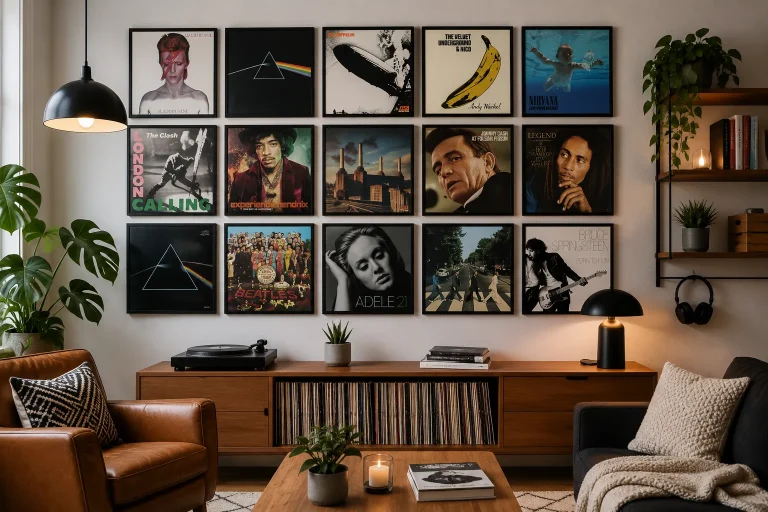
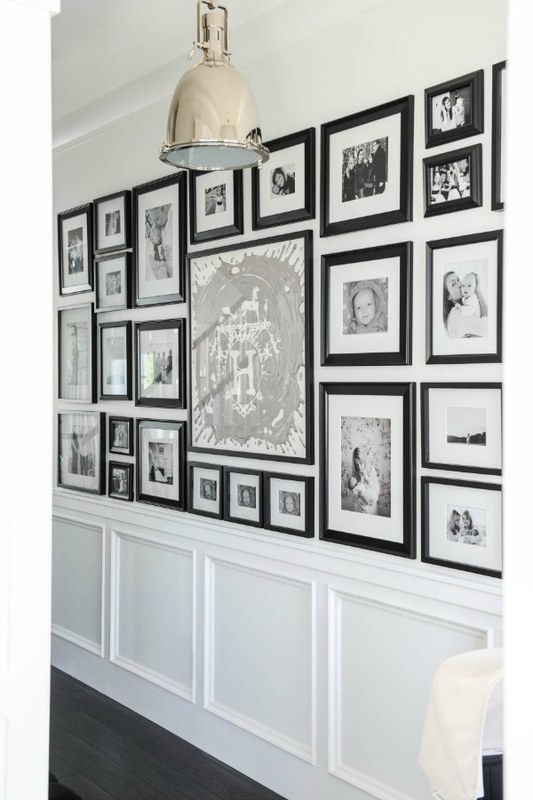
In gallery walls, use it as a quiet anchor among other frames rather than repeating it everywhere. One or two clear acrylic pieces can create contrast and keep a wall from feeling visually flat.
Try placing a floating acrylic frame near a warm lamp, a ceramic object, or a stack of art books. The contrast between clear structure and tactile surroundings creates an especially thoughtful vignette.
Creative uses for book pages, postcards, labels, and sentimental keepsakes
This frame style is ideal for objects that carry memory as much as visual appeal. A handwritten note, a vintage postcard, a concert ticket, or a meaningful book page can become a display piece with surprisingly little effort.
That said, sentimental items are often irreplaceable, so the framing method should protect them rather than simply showcase them. If the item bends, flakes, or fades easily, use conservation-minded materials where possible.
Design Trade-Offs: Acrylic vs. Glass, Minimalism vs. Warmth, DIY vs. Ready-Made
Every framing choice makes a statement. Acrylic reads lighter and more contemporary than glass, but it can also feel cooler and more engineered, which may or may not suit the room.
- Modern, airy interiors
- Lightweight wall displays
- Delicate paper pieces
- Giftable, personal projects
- You want a traditional heirloom look
- The object is thick or heavily textured
- Maximum scratch resistance matters most
- You prefer a warmer wood-led finish
When acrylic gives a lighter, more modern effect than traditional framing
Acrylic is especially appealing when you want the frame to disappear. It can make a room feel less crowded than a dark wood or ornate metal frame, and that is valuable in smaller spaces or rooms with a lot of visual activity.
Traditional framing still has its place, especially for classic art or interiors that lean formal. But when the goal is crisp and contemporary, acrylic often wins on atmosphere alone.
How the frame style shifts in bright rooms, moody interiors, and small spaces
In bright rooms, acrylic catches and reflects light beautifully, though too much glare can become distracting. In moody interiors, it can create a subtle contrast that keeps the room from feeling too heavy.
In small spaces, the clear border is often the biggest advantage. It gives the eye less to process, which can make the wall feel calmer and the room feel slightly larger.
What to consider if the goal is a polished gift or a personal studio project
For gifting, the finish matters as much as the subject. Clean edges, precise alignment, and thoughtful presentation can turn a simple image into something that feels considered and memorable.
For a personal studio project, the charm often lies in experimentation. You can test different papers, arrangements, and proportions until the frame feels like part of your creative language.
Curator Recommendations for Choosing the Right Image or Object
Not every subject gains from floating presentation. The most successful pieces usually have clean edges, visual clarity, and enough simplicity to benefit from open space.
Best subjects for floating presentation: strong edges, negative space, and delicate materials
Line drawings, botanical studies, architecture sketches, and monochrome prints are especially effective because their structure reads well through clear acrylic. Pressed flowers and paper ephemera also work beautifully when their delicacy is part of the appeal.
Subjects with strong negative space can look particularly refined because the frame gives that emptiness a purpose. The result feels editorial rather than accidental.
How to select scale and orientation for a refined visual balance
Scale should suit both the object and the room. A tiny piece can feel precious on a shelf, while a larger format can hold its own on a wall or above a console.
Orientation matters too. Portrait pieces often feel elegant and quiet, while landscape pieces can feel more architectural and stable. Choose the shape that supports the mood you want.
A single black-and-white botanical print, a vintage postcard from a meaningful trip, or a clean line drawing can be especially striking in a floating acrylic frame. These subjects are simple enough to let the material shine, yet personal enough to feel distinct.
Pairing frame style with contemporary, Scandinavian, eclectic, or editorial interiors
In contemporary rooms, acrylic feels natural because it echoes clean lines and polished surfaces. In Scandinavian interiors, it adds clarity without overpowering pale woods and soft textiles.
In eclectic spaces, it can act as a visual reset between richer textures. In editorial-style interiors, it supports a composed, collected look that feels thoughtful rather than decorative for decoration’s sake.
Care Tips, Display Safety, and Longevity for Acrylic Frames
Acrylic frames are beautiful, but they reward gentle handling. A little care goes a long way toward keeping them clear, polished, and free of scratches or clouding.
Cleaning acrylic without scratches, clouding, or static buildup
Use a soft microfiber cloth and a mild cleaner designed for acrylic or plastics. Avoid abrasive cloths, paper towels, and harsh solvents, which can mark the surface or dull the clarity.
Static buildup is common, so dust may cling more than it would on glass. Wiping lightly and regularly is better than waiting for buildup to become noticeable.
Protecting prints, paper, and botanicals from sunlight, humidity, and pressure marks
Paper and botanicals are vulnerable to light and moisture, even when framed. Keep them out of direct sun where possible, and avoid hanging them in humid rooms unless the materials and placement are well considered.
Pressure marks can happen if the frame is too tight or the object is not properly supported. This is one reason flat, carefully prepped items tend to age best in acrylic displays.
Do not frame irreplaceable documents or fragile botanicals without thinking through preservation first. If the item is highly valuable, consult conservation-friendly methods before sealing it in place.
Storage and handling tips for seasonal rotation or gifting
If you rotate art seasonally, store acrylic pieces flat with protective layers between them. Avoid stacking them directly on hard surfaces without padding.
For gifting, wrap the frame so it cannot shift during transport. A clean presentation matters, but so does making sure the piece arrives without scratches or fingerprints.
Final Creative Recap: Turning a Simple DIY Into a Display Piece Worth Keeping
A diy floating acrylic frame can do more than hold an image. It can turn a small memory, a favorite print, or a delicate object into something that feels composed and worth pausing for.
How a floating acrylic frame can elevate a room, a memory, or a handmade gift
Because the style is visually light, it works in rooms that already have strong furniture or texture. It gives the eye a place to rest while still making the object inside feel special.
That makes it ideal for gifts, personal collections, and rooms that need a touch of clarity without losing warmth.
Why this project fits modern interiors, thoughtful collecting, and creative living
The appeal of this project is not just aesthetic. It also reflects a broader shift toward objects that are meaningful, adaptable, and quietly beautiful rather than overly ornate.
If you enjoy framing as part of decorating, collecting, or giving, this is one of the most rewarding formats to explore. It feels current now, but it also has the kind of restraint that tends to age well.
Recommended Products
SHOP THIS SETUP
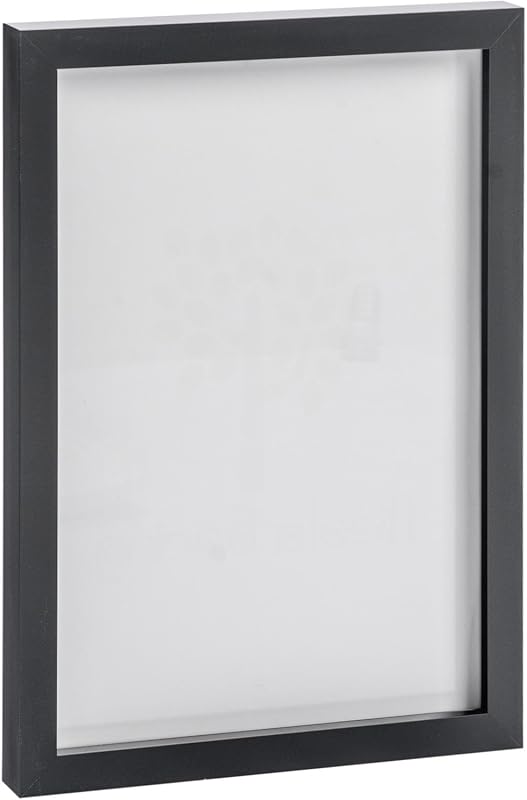
upsimples Acrylic Floating Picture Frame with Wall Mount Hardware, 8×10
This is a strong pick for a DIY floating acrylic frame project because it gives you a clean, modern display format without requiring advanced tools. The clear acrylic panels create the signature floating effect, while the included hardware makes it easier to mount and finish a polished gallery-style look.
Frequently Asked Questions
Prints, photos, postcards, book pages, pressed flowers, labels, and other flat keepsakes work well. Choose items that are not too thick or textured so they sit evenly between the acrylic panels.
Acrylic is lighter and often feels more modern, which makes it ideal for clean, contemporary displays. Glass can feel more traditional and is more scratch-resistant, but it is heavier and less forgiving for some DIY projects.
Thickness depends on the size of the piece and how it will be displayed. Smaller frames can use thinner acrylic, while larger pieces usually need thicker panels for better stability.
Handle it with clean hands, keep the protective film on until assembly, and wipe it with a soft microfiber cloth. Avoid abrasive cleaners, paper towels, and rough storage surfaces.
Yes, as long as the flowers are fully dried and flat enough to avoid pressure marks. Because botanicals can be light-sensitive and fragile, keep them away from strong sunlight and humidity.
Yes, it can make a thoughtful and personal gift when the subject has meaning for the recipient. A clean, well-aligned finish makes the piece feel polished and intentional.