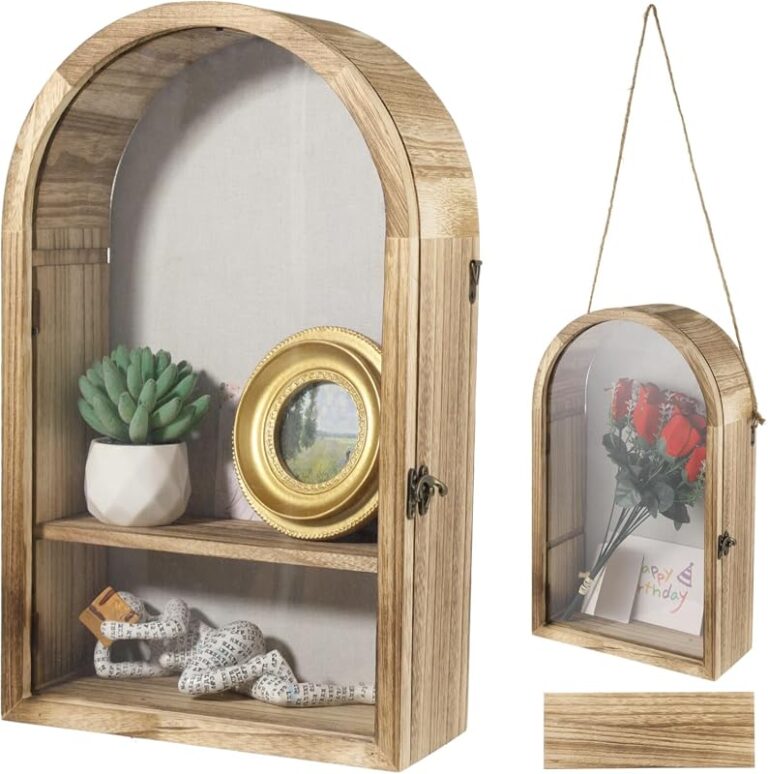
Best Barn Wood Picture Frames for Rustic Wall Decor

Barn wood picture frames are a strong choice if you want rustic warmth, texture, and a more relaxed look than painted or metal frames. They work best when the finish, size, and hanging hardware match the room and the artwork.
barn wood picture frames bring a weathered, lived-in look that can soften a room without making it feel overly themed. In this guide, Julian Mercer breaks down how to choose them, style them, and decide whether they fit your space and budget.
- Best fit: Barn wood frames suit rustic, farmhouse, transitional, and vintage-inspired rooms.
- Key choice: Decide between reclaimed wood and faux barn wood based on variation versus consistency.
- Size matters: Matting, frame depth, and wall space all affect how polished the final display feels.
- Watch the details: Confirm glazing, backing, and hanging hardware before buying.
- Long-term value: Better joints, finishes, and hardware usually matter more than heavy distressing.
Barn Wood Picture Frames: What They Are and Whether They’re Worth Buying
Barn wood picture frames are usually designed to echo the look of aged boards, reclaimed lumber, or weathered farmhouse wood. Some are made from true reclaimed material, while others use new wood with a distressed finish that mimics the same character.
Whether they are worth buying depends on what you want the frame to do. If you want warmth, texture, and a less polished look than painted or metal frames, barn wood can be an excellent choice. If you want perfect uniformity, crisp edges, or a sleek modern profile, another frame style may serve you better.
Why barn wood frames appeal in 2026
The appeal is simple: they make wall art feel more grounded and personal. As interiors continue to mix clean lines with natural materials, weathered wood offers a visual counterbalance to glass, stone, painted drywall, and metal finishes.
They also work well in rooms that rely on layered textures rather than bold color. A barn wood frame can make a family photo, botanical print, or black-and-white image feel more intentional without overpowering the artwork itself.
Frames with visible grain, knots, and uneven tone can make even simple prints feel more tactile, which is one reason rustic wood remains a steady decor choice.
Who they suit best: homes, rooms, and decor styles
Barn wood frames suit homeowners and renters who want a relaxed, natural look. They are especially effective in farmhouse, cottage, rustic, transitional, and vintage-inspired spaces, but they can also work in modern rooms when used sparingly.
They are a strong fit for entryways, living rooms, bedrooms, and home offices where you want warmth without clutter. They are less ideal in ultra-minimal interiors that depend on sharp edges, high gloss, or a fully monochrome palette.
How to Choose the Right Barn Wood Picture Frame

Several barn wood frames are arranged side by side on a light surface.
The right frame depends on more than the wood tone. You also need to think about construction, depth, glazing, backing, and whether the finish looks authentically weathered or simply distressed for style.
Reclaimed wood vs. faux barn wood finishes
Reclaimed wood frames are made from previously used lumber or salvaged boards. They often have more variation in grain, color, nail marks, and wear, which gives them a more authentic rustic look.
Faux barn wood finishes use new wood, engineered wood, or composite material with a distressed surface treatment. These frames can look more consistent and may be easier to match across a set, but they usually have less natural character.
If you want a true one-of-a-kind look, reclaimed wood is usually the more compelling option. If you need a coordinated gallery wall or a cleaner finish, faux barn wood may be the more practical choice.
For readers comparing rustic styles more broadly, our guide to rustic wood picture frames can help narrow the look before you buy.
Frame profile, depth, and edge texture
Frame profile affects how rustic the piece feels. A thick, chunky profile reads more substantial and farmhouse-inspired, while a slimmer profile feels lighter and easier to pair with modern decor.
Depth matters too. Deeper frames can add a shadow line that makes wall art feel more finished, especially with thicker prints or mats. Shallower frames often look simpler and work well when you want the wood texture to stay in the background.
Edge texture is where many barn wood frames either succeed or look overdone. Light distressing usually feels more believable than exaggerated scraping or heavy artificial wear.
Glass, acrylic, backing, and hanging hardware
Check what the frame includes before buying. Glass usually offers a clearer, more traditional presentation, while acrylic can be lighter and more practical for larger frames or busy households. The right choice often depends on size and where the frame will hang.
Backing should hold the artwork flat without bowing or slipping. Look for secure tabs, a stable back panel, and hardware that feels appropriate for the frame’s weight and size.
Hanging hardware matters more than many shoppers expect. A frame may look beautiful but still be inconvenient if the hanger is flimsy, poorly centered, or not suited to the wall type.
Specifications vary by model and retailer, so confirm whether the frame includes glass or acrylic, what kind of backing it uses, and whether hanging hardware is built in or separate.
What to look for in craftsmanship and durability
Good craftsmanship shows up in the details: tight corners, a stable back, consistent finish application, and wood that does not feel rough in hand. If a frame is labeled reclaimed or distressed, it should still look intentionally made rather than loosely assembled.
Durability also depends on how the finish is sealed. A lightly sealed surface may preserve a natural appearance, but it may also be more vulnerable to scuffs, humidity, or dust buildup over time.
- Natural texture adds warmth and character
- Can make simple art feel more collected and personal
- Works across farmhouse, vintage, and transitional rooms
- Finish quality can vary widely
- Distressed surfaces may shed dust or feel rougher
- Matching multiple frames can be harder than with painted options
Best Sizes, Matting, and Placement for Wall Art
Size is one of the biggest factors in whether a barn wood frame looks polished or awkward. A rustic frame can make a small print feel special, but it can also overwhelm artwork if the proportions are off.
Common photo and print sizes that work well
Popular sizes such as 4×6, 5×7, 8×10, and 11×14 are often the easiest to style in barn wood. Smaller sizes work well on shelves, desks, and narrow walls, while larger formats suit statement art and gallery walls.
If you are framing posters or oversize prints, make sure the frame profile does not compete with the image. For bigger pieces, a slightly cleaner barn wood finish often looks better than very rough distressing.
For larger formats, our guide to large wooden picture frames can help you think through proportion and wall presence.
When to use a mat and how it changes the look
A mat gives the image breathing room and makes the frame feel more formal. It is especially useful for smaller photos, art prints, and black-and-white images where you want to create visual separation from the wood.
Without a mat, the frame feels more casual and intimate. That works well for family photos, rustic landscapes, and vintage snapshots, especially when the wood itself is part of the design story.
If the barn wood finish is especially textured or dark, a mat can keep the artwork from visually disappearing into the frame.
Wall type, anchors, and hanging hardware basics
Always match the hanging method to the wall type. Drywall, plaster, brick, and tile each require different hardware, and the right choice depends on the frame’s weight and the surface you are mounting to.
For lighter frames, a simple hanger may be enough if it is properly installed. For heavier frames, use hardware rated for the load and consider a professional installer if the wall surface is difficult or the frame is unusually large.
Do not assume every rustic frame is light just because it looks casual. Check the product’s weight, the wall type, and the included hardware before hanging.
Spacing and proportion for single frames and gallery walls
For a single frame, leave enough wall space around it so the rustic texture can read clearly. A frame that is too small for the wall can look accidental, while one that is too large can feel heavy.
For gallery walls, keep spacing consistent. Two to three inches between frames is a common starting point, though the right gap depends on wall size, frame thickness, and how busy the artwork is.
If you are building a mixed-layout wall, our article on picture frames collage wall decor offers a useful starting point for arrangement ideas.
Styling Barn Wood Picture Frames by Room
Barn wood frames are versatile, but they do not belong everywhere in the same way. The room, lighting, and surrounding finishes all affect whether the look feels balanced or overly rustic.
Living room and entryway styling ideas
In a living room, barn wood frames work well above sofas, on fireplace-adjacent walls, or as part of a curated photo grouping. Their texture helps soften larger furniture pieces and can make the room feel more inviting.
In an entryway, they set the tone quickly. A single framed print or family photo in weathered wood can make the space feel welcoming without requiring much decor around it.
Pair one barn wood frame with a simple lamp, a ceramic bowl, or a woven basket to build a warm but restrained first impression.
Bedroom, hallway, and home office placement
Bedrooms often benefit from softer, quieter frame choices, and barn wood can work beautifully here if the finish is not too rough or dark. Neutral landscapes, personal photos, and abstract prints tend to look especially good in this setting.
Hallways are another strong use case because they can handle repeated framing without feeling stiff. In a home office, rustic wood can make the room feel less sterile, especially if the rest of the space contains metal, glass, or modern furniture.
If you want a slimmer rustic look for workspaces, compare the profile and tone with our solid wood picture frames guide before choosing.
Kitchen, dining room, and farmhouse-inspired spaces
These rooms are natural homes for barn wood frames because they already favor warmth and texture. Botanical prints, recipe art, vintage signage, and family photos all fit comfortably in this setting.
That said, kitchens and dining rooms can expose frames to steam, heat, and grease, so placement matters. Keep frames away from direct cooking zones and choose finishes that are easier to dust and wipe carefully.
Matching barn wood frames with modern, coastal, and traditional decor
Barn wood does not have to mean full farmhouse decor. In modern rooms, use it as a single organic note rather than repeating it everywhere. In coastal spaces, lighter weathered finishes pair well with linen, white walls, and pale blue accents. In traditional rooms, darker or more refined barn wood can echo antique furniture and classic artwork.
- Use barn wood frames as an accent, not a rule, in modern interiors.
- Match the frame tone to other wood elements in the room when possible.
- Let the artwork decide the mood; the frame should support it, not dominate it.
Benefits and Limitations of Barn Wood Picture Frames
Like any decorative material, barn wood has strengths and tradeoffs. The best choice depends on whether you value character more than consistency.
Visual warmth, texture, and rustic character
The main benefit is atmosphere. Barn wood instantly adds warmth and tactile interest, which can make a room feel more finished and less flat.
It also bridges styles well. A rustic frame can make contemporary art feel less cold, while a vintage photo can feel more authentic in a wood frame than in a glossy or metallic one.
Potential drawbacks: inconsistency, splinters, and finish variation
The same irregularities that make barn wood appealing can also be drawbacks. Color variation, uneven edges, and visible wear may not suit shoppers who want uniformity across multiple frames.
Some distressed surfaces can feel rough, and lower-quality frames may have splinters or weak corner joins. Finish variation is especially important to note if you plan to buy several frames for a gallery wall, because each one may look slightly different.
- Inspect product photos closely for corner joints, grain variation, and finish consistency
- Choose a more refined rustic finish if the room already has a lot of texture
- Assuming every distressed frame will match perfectly
- Using a heavily weathered frame in an already busy room without a visual plan
When barn wood is a better choice than painted or metal frames
Choose barn wood when you want the frame to feel like part of the decor rather than a neutral border. It is especially effective for family photos, heritage prints, nature imagery, and rooms with a lot of soft furnishings.
Painted frames are better when you need color control or a cleaner look. Metal frames are often better for sharp, modern interiors or for artwork that needs a more minimal presentation.
How to Build a Cohesive Gallery Wall with Barn Wood Frames
A gallery wall can look thoughtfully layered or visually chaotic depending on how the frames relate to one another. With barn wood, the goal is usually to keep the texture interesting while preventing the wall from feeling too busy.
Choosing a consistent finish or mixing tones intentionally
You can keep the finish consistent for a calm, unified wall, or mix tones to create more movement. Both approaches work, but they need different levels of planning.
If you mix finishes, keep one common thread: similar frame profiles, the same mat color, or a shared artwork style. That helps the wall feel intentional rather than assembled at random.
Layout planning for mixed sizes and orientations
Start by sorting the artwork into vertical and horizontal pieces. Then decide whether you want a grid, a salon-style layout, or a looser arrangement anchored by one larger frame.
Mixed sizes can look elegant when the spacing is even and the visual weight is balanced. A large frame can anchor the composition, while smaller frames fill in around it without crowding the edges.
For more layout inspiration, see picture ledge layout ideas if you prefer a more flexible display system.
Balancing family photos, prints, and negative space
Gallery walls work best when there is room for the eye to rest. Negative space is not wasted space; it is what allows the wood grain and artwork to stand out.
Mix family photos with prints only if the color palettes and frame tones feel related. If everything is highly personal and visually different, the wall can lose focus.
Common layout mistakes to avoid
The most common mistake is using too many rustic finishes at once. When every frame is heavily distressed, the wall can feel overly themed and lose subtlety.
Another mistake is uneven spacing, especially on walls with a clear center line. Even a beautiful set of frames can look unplanned if the gaps vary too much from one piece to the next.
Care, Maintenance, and Long-Term Value
Barn wood frames can last a long time if they are cared for properly, but the finish and material quality matter. A well-made frame will age gracefully, while a poorly made one may look worn out before it should.
Cleaning and dusting without damaging the wood
Use a soft, dry microfiber cloth for regular dusting. If the finish allows for it, a slightly damp cloth may be appropriate for spot cleaning, but avoid saturating the wood or rubbing aggressively over distressed areas.
Do not use harsh cleaners unless the manufacturer specifically says they are safe. Distressed or reclaimed-looking surfaces can trap dust in grooves, so gentle, regular cleaning is better than occasional heavy scrubbing.
Protecting frames from humidity, sunlight, and warping
Wood responds to moisture and heat, so humidity control matters. Keep frames away from steamy areas and direct sunlight when possible, since both can affect finish quality and, over time, the shape of the wood.
Sunlight can also fade artwork and mats. If the frame will be near a bright window, check whether the glazing offers any UV-related protection and consider rotating sensitive pieces periodically.
Reclaimed or distressed wood may be more vulnerable to visible wear than smoother finishes, especially in humid rooms or direct sun.
What affects price, value, and longevity
Price usually depends on size, material quality, glazing, backing, and whether the frame is truly reclaimed or only styled to look that way. Handmade construction and better hardware often increase value even when the frame looks understated.
Longevity comes from stable joints, a protective finish, and hardware that holds up over time. If you are comparing options, confirm the product details on the official listing before buying, especially when the frame is meant for a heavier print or a long-term display.
Final Recommendation: Who Should Buy Barn Wood Picture Frames from Hurrell Editions
Barn wood picture frames are best for readers who want warmth, texture, and a rustic finish that still feels adaptable. They are especially strong for living rooms, entryways, bedrooms, and gallery walls that need personality without bright color or glossy surfaces.
If your budget is modest, choose a simpler faux barn wood frame with reliable hardware and a finish that fits the room. If you want a more distinctive display and do not mind natural variation, reclaimed wood is usually the more characterful option.
For shoppers comparing rustic styles, barn wood is the right choice when the frame itself should contribute to the decor story. If you want a cleaner rustic look with less variation, start with vintage wood picture frames or more restrained wood finishes instead.
Choose barn wood frames when you want a room to feel warmer and more collected, especially in spaces with neutral walls, natural textiles, and personal photos. The main limitation is inconsistency, so they work best when you are comfortable with visible variation or can keep the finish coordinated.
Frequently Asked Questions
Yes, if you use them as an accent rather than the main style. A single weathered frame can soften a modern room without making it feel overly rustic.
Common sizes like 5×7, 8×10, and 11×14 work well for family photos. The best choice depends on wall space, whether you want a mat, and how prominent you want the frame to feel.
Choose reclaimed wood if you want more natural variation and character. Choose faux barn wood if you want a more consistent look or need to match several frames in a set.
Dust them gently with a soft, dry cloth and avoid harsh cleaners unless the maker approves them. Keep them away from excess humidity and strong sunlight when possible.
Check the exact size, glazing type, backing, hanging hardware, and finish details on the product listing. If the frame will hold a heavier print, confirm the wall-mounting method and weight limits.
Use consistent spacing, repeat one or two frame tones, and leave some negative space. Mixing too many heavily distressed frames can make the wall feel cluttered.