Best Wood for Photo Frames: Materials and Style Tips

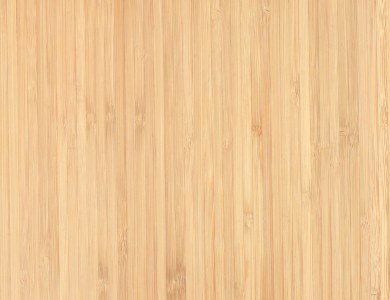
Wooden photo frame corners showing natural grain and clean joinery.
Oak is the most versatile wood for photo frames if you want durability, warmth, and a style that works in many rooms. Pine is the best budget-friendly rustic option, while walnut suits more refined interiors and reclaimed wood brings the most character.
wood for photo frames is still one of the easiest ways to make a wall feel warmer, softer, and more personal. For Hurrell Editions, the best choice depends less on trend and more on how the frame will fit the room, the print, and the amount of light and humidity it will face.
- Best all-around pick: Oak balances grain, strength, and broad style compatibility.
- Best rustic value: Pine is lighter and more affordable, but it dents more easily.
- Best premium look: Walnut adds depth and works well in polished or moody rooms.
- Most character: Reclaimed wood creates a unique look, but variation is part of the appeal.
What Wood for Photo Frames Means in 2026: The Best Choice for Warm, Lasting Display
In practical terms, wood for photo frames includes everything from solid hardwood frames to painted pine, reclaimed stock, and wood-look engineered options. The appeal is simple: wood brings texture and visual softness that works in rustic interiors, but it also adapts well to modern, traditional, and mixed-style spaces.
For readers who want a frame that feels grounded rather than flashy, wood usually offers the most forgiving balance of style and function. It can look refined around a formal portrait, casual around family snapshots, or collected and layered in a gallery wall.
Why wood remains the most versatile frame material for modern and rustic interiors
Wood stays relevant because it can be finished in many directions without losing character. A matte stain can read understated and contemporary, while a distressed or reclaimed finish can feel relaxed and rustic.
Unlike highly reflective materials, wood also tends to sit quietly around the image instead of competing with it. That makes it especially useful for black-and-white photography, landscape prints, vintage family images, and artwork that benefits from a natural border.
Frame wood tone can change how large or small a print feels on the wall, even when the actual frame size stays the same. Darker woods often feel more anchored, while lighter woods usually read airier.
Quick answer: which wood types suit photo frames best for durability, finish, and style
Oak, walnut, and ash are strong choices if you want a cleaner, longer-wearing frame with visible grain. Pine is better for budget-friendly rustic styling, and reclaimed wood is ideal when you want texture and character to do some of the visual work.
If the goal is long-term flexibility, choose a well-made solid wood or quality veneer frame with stable joinery and a finish suited to the room. If the goal is a more relaxed decorative effect, painted or stained softwood can be the better fit.
How to Choose the Right Wood for Photo Frames
The right frame is not just about species. It also depends on how the wood is built, how it is finished, and whether the frame will live in a dry hallway, a bright living room, or a more humid room where movement and finish wear matter more.
Hardwood vs softwood: strength, grain, weight, and price differences
Hardwoods such as oak, ash, and walnut are generally denser and more durable than softwoods such as pine. That usually means better resistance to everyday knocks, cleaner corners over time, and a more substantial feel in the hand and on the wall.
Softwoods are usually lighter and more affordable, which makes them useful for casual displays, larger gallery walls, and rooms where you want a more relaxed look. The tradeoff is that softwoods can dent more easily and may show wear faster if the frame is moved often.
- Hardwood usually offers better durability and a more refined grain
- Softwood can be lighter, easier to style, and more budget-friendly
- Hardwood may cost more and weigh more
- Softwood may dent, scratch, or show finish wear sooner
Solid wood, engineered wood, and veneer: what each option changes in look and longevity
Solid wood frames are made from real wood throughout, which can be a plus for longevity and a more authentic grain pattern. They may still move slightly with changes in humidity, so construction quality matters as much as the species itself.
Engineered wood and veneer frames can be smart options when you want a wood appearance at a lower price point or with more dimensional stability. The key is to check how visible the core is, how the veneer is applied, and whether the finish looks natural rather than overly synthetic.
If you want a deeper look at the construction side of the category, Hurrell Editions also covers solid wood picture frames in more detail, which can help when comparing real-wood builds with lighter alternatives.
What to look for in joinery, finish quality, and frame depth
Good joinery matters because a frame can look beautiful at first but loosen or shift if the corners are weak. Look for tight mitered corners, consistent seams, and a build that feels square rather than slightly twisted.
Finish quality is equally important. A good finish should look even across the face, edges, and corners, with no obvious blotches, rough patches, or overly shiny spots unless that is the intended style.
- Confirm whether the frame is solid wood, veneer, or engineered wood
- Check corner alignment and visible seam quality
- Review frame depth if you plan to use mats, thicker prints, or layered artwork
- Verify included hardware and hanging direction before ordering
Best Wood Types for Rustic Wood Frames and Everyday Display
For rustic wood frames, the best choice is often the one that balances grain character with enough stability to hold up in daily use. Some woods bring a more polished feel, while others lean into texture, knots, and reclaimed marks that make the frame part of the decor story.
Oak, ash, and walnut: premium options for timeless interiors
Oak is a classic choice because its grain is visible without being too busy, which helps it work in both rustic and transitional rooms. Ash often reads a little lighter and cleaner, making it useful when you want natural wood without too much visual weight.
Walnut usually feels the most formal of the three, with deeper tones that can make portraits, monochrome prints, and moody artwork feel more intentional. It is especially effective when the room already has other dark wood accents or a richer color palette.
Pine and reclaimed wood: character-rich choices for rustic and casual rooms
Pine is popular because it is accessible, easy to finish, and naturally suited to casual interiors. Its grain can be more pronounced or knotty, which adds charm in a farmhouse, cottage, or relaxed gallery wall setting.
Reclaimed wood can bring even more personality, especially when the goal is to create a frame with visible history and variation. If you are considering that route, Hurrell Editions has a practical guide on using reclaimed wood for a poster frame, which is helpful for understanding where the material works best and where it may need extra care.
For a broader rustic reference point, the rustic wood picture frames guide is useful if you want to compare finishes, tones, and styling directions within the category.
Painted or stained finishes: when they work better than natural grain
Painted finishes are often the better choice when you want the frame to blend into the wall or coordinate with trim, furniture, or a more minimal room. They can also help soften highly visible grain that might otherwise compete with the image.
Stained finishes are usually best when you want the wood itself to remain part of the visual appeal. A light stain can keep the frame airy, while a darker stain can add contrast and make the artwork feel more grounded.
If you are framing a series of family photos, choose one finish family and vary the print sizes rather than mixing too many wood tones at once. That keeps the wall cohesive even when the images themselves differ.
Which Rooms and Styles Suit Wooden Photo Frames Best
Wooden frames are especially effective in rooms where you want the decor to feel welcoming rather than cold. They are also useful anywhere the wall needs texture without adding more color.
Living rooms and hallways: creating warm focal points and gallery walls
Living rooms often benefit from the visual warmth of wood because the frame can help tie together sofas, side tables, woven textiles, and other natural materials. Hallways are another strong fit because wooden frames can make transitional spaces feel curated instead of empty.
For gallery walls, wood is especially forgiving. A consistent wood family can unify a mix of photographs and prints, while varied tones can create a collected look if the palette stays controlled.
Bedrooms, home offices, and dining spaces: matching mood and function
Bedrooms usually call for softer, quieter frame choices, and wood is a natural fit because it rarely feels harsh. In home offices, wood frames can warm up practical spaces without making them feel overly decorative.
Dining spaces can handle richer woods and slightly more formal frame profiles, especially if the room already includes wood furniture or warm lighting. The main goal is to match the mood of the space, not force every room into the same style language.
How to coordinate wood tone with existing furniture, flooring, and decor
You do not need to match wood exactly, but you should aim for harmony. Similar undertones usually matter more than identical color, so a frame can work with oak flooring, walnut furniture, or mixed finishes if the palette feels intentional.
When in doubt, compare the frame tone against the room’s dominant wood surfaces in daylight and evening light. A frame that looks balanced in one setting can appear much warmer or cooler in another.
Sizing, Placement, and Gallery Wall Planning
The best wood frame can still look off if the size, spacing, or placement is wrong. Good planning helps the frame support the image instead of overpowering it.
Choosing frame size for prints, family photos, and art reproductions
Start with the artwork or photo size rather than the wall size. A small print in a very large frame can feel intentional if matting is part of the design, but it can also look underfilled if the proportions are off.
For family photos, smaller sizes often work well in clusters, while larger frames can make a single image feel more important. Art reproductions usually benefit from a size that gives the image breathing room without leaving so much empty space that the wall feels unfinished.
Spacing, layout, and visual balance for single frames and multi-frame sets
Single frames usually work best when they have room to breathe and are aligned with nearby furniture or architectural features. Multi-frame sets need consistent spacing, because uneven gaps make even good frames look scattered.
A simple way to plan a gallery wall is to decide on one anchor frame first, then build outward with smaller supporting pieces. If you want a more structured arrangement, Hurrell Editions also has a useful guide to gallery wall 6 frames, which can help with layout thinking before you start hanging.
Wall type, hanging hardware, and weight considerations for safe installation
Wood frames vary in weight depending on size, thickness, glass or acrylic front, and backing materials. Because of that, hanging hardware should always be chosen for the specific frame and wall type rather than assumed.
For drywall, plaster, brick, or other surfaces, check the manufacturer’s installation guidance and weight limits before hanging. If a frame is unusually large or heavy, or if the wall material is uncertain, professional installation may be the safer choice.
Do not rely on generic hooks for every frame. Match the hanging method to the wall surface, the frame weight, and the included hardware instructions, especially for larger wood frames with glass fronts.
Styling Ideas for Wood Photo Frames in a Rustic Wood Frames Collection
Styling wood frames well is less about buying more pieces and more about creating a visual rhythm. Texture, tone, and orientation all matter, but they work best when they feel edited rather than random.
Mixing frame widths, tones, and orientations without making the wall feel busy
Mixing frame widths can add dimension, but it works best when one element stays consistent, such as finish family, mat color, or image tone. If every frame changes at once, the wall can start to feel cluttered.
Orientation matters too. Vertical and horizontal frames can absolutely be mixed, but it helps to repeat each orientation more than once so the arrangement feels deliberate.
- Repeat one wood tone at least twice in a grouping to create visual continuity
- Use wider frames for anchors and slimmer frames for supporting images
- Keep mat colors neutral if the wood grain is already strong
Pairing wood frames with linen, neutral palettes, black-and-white photography, and natural textures
Wood frames pair naturally with linen, cotton, woven baskets, ceramic accents, and other tactile materials. Those combinations help the frame feel integrated into the room instead of isolated on the wall.
Black-and-white photography is one of the most reliable partners for wood because the contrast is clear and the frame adds warmth without stealing attention. Neutral palettes also make it easier to mix light and dark woods without creating visual conflict.
A simple oak or pine frame around a monochrome portrait can feel more personal than an elaborate frame around a colorful print, especially in a room full of natural textures.
Using frames as shelf decor, mantel styling, or layered wall art
Wood frames do not have to live only on walls. Leaning a frame on a shelf or mantel can soften a display and make it easier to update seasonally without rehanging anything.
Layered styling works especially well when a wood frame sits in front of a larger art piece, mirror, or textured backdrop. The key is to leave enough negative space so the arrangement feels relaxed rather than crowded.
Benefits, Limitations, and Common Mistakes to Avoid
Wood is popular for good reasons, but it is not the perfect answer in every room or for every display. Understanding the tradeoffs makes it easier to choose a frame that will still feel right after the novelty of a new purchase wears off.
Why wooden frames add warmth, texture, and long-term value
Wood adds visual warmth in a way that plastic or metal often cannot match. It can also age gracefully when the finish is well made and the frame is kept in a suitable environment.
For many buyers, the long-term value is not just durability but flexibility. A good wood frame can move from one room to another, adapt to different artwork, and still feel appropriate as decor changes.
Potential drawbacks: moisture sensitivity, warping, and finish wear
Wood can be sensitive to moisture and temperature swings, especially in bathrooms, damp basements, or rooms with unstable climate conditions. Over time, that can affect the finish or the shape of the frame if the construction is not stable.
Finish wear is another consideration. High-touch areas, bright sunlight, and frequent dusting can gradually dull a surface, especially on softer woods or painted finishes.
Keep wood frames away from prolonged humidity, direct sun when possible, and repeated contact with damp cloths or harsh cleaners. If the room is challenging, confirm the manufacturer’s care guidance before buying.
Common mistakes in color matching, scale, overcrowding, and poor hanging placement
One common mistake is forcing an exact wood match with furniture when the undertones are actually different. It is usually better to coordinate warmth and depth than to chase a perfect match that does not exist.
Another mistake is using too many frame sizes and finishes in one area, which can make the wall feel busy rather than collected. Placement matters too: if a frame is too high, too low, or too close to furniture, the whole display can feel awkward even when the frame itself is attractive.
- Coordinate undertones instead of matching every wood surface exactly
- Keep spacing consistent in grouped displays
- Check the frame’s scale against nearby furniture before hanging
- Using too many competing wood tones in one small area
- Ignoring wall type or frame weight when choosing hardware
- Hanging a frame without considering surrounding furniture height
Care, Maintenance, and Final Buying Recommendation
Good care keeps wood frames looking intentional instead of tired. It also helps preserve the finish, especially in rooms with more light, dust, or daily traffic.
Cleaning and protecting wood finishes over time
For routine care, a soft dry cloth is usually the safest starting point. If the manufacturer allows a slightly damp cloth, use it sparingly and avoid saturating the wood or getting moisture into seams and corners.
It is also wise to keep frames out of direct contact with strong cleaners, abrasive pads, or rough dusting tools. Those can dull the finish faster than normal use.
When to choose budget-friendly options versus heirloom-quality frames
Budget-friendly wood frames make sense for temporary displays, children’s rooms, seasonal styling, or large groupings where consistency matters more than premium materials. They are also practical when you are framing many images at once and need the overall project to stay manageable.
Heirloom-quality frames are worth considering when the image is especially meaningful, the room is highly visible, or you want the frame to remain part of the decor for years. In those cases, stronger construction, better finish work, and more stable materials usually justify the extra attention.
Final recommendation: the best wood for photo frames by room, budget, and style goal
For most buyers, oak is the safest all-around choice because it balances durability, visible grain, and broad style compatibility. Walnut is the strongest pick for deeper, more refined interiors, while pine is the best value if your goal is a casual rustic look or a larger wall grouping.
If you want the most character, reclaimed wood can be excellent, but only when you are comfortable with variation and a more irregular finish. If you want the most flexible everyday option, choose a well-made solid wood frame or a quality veneer frame that fits the room’s tone and the image’s importance.
For more inspiration within the same aesthetic, explore Hurrell Editions’ vintage wood picture frames collection for another angle on warm, classic display.
Frequently Asked Questions
Oak and walnut are strong choices for living rooms because they feel warm and polished without looking too busy. Pine works well too if you want a lighter rustic look or a larger gallery wall.
Solid wood is usually the better pick if you want a more premium feel and long-term durability. Veneer can be a good value when you want the wood look at a lower price, but construction quality matters.
Start with the print size and then decide whether you want a mat or a tighter fit. The right frame size depends on the image, the wall, and whether the frame is meant to stand alone or join a group.
Repeat at least one element, such as wood tone, mat color, or frame width, so the wall feels cohesive. Keep spacing consistent and avoid mixing too many finishes in one small area.
Wood can be sensitive to moisture, so humid rooms are more challenging than dry living spaces. If you plan to use wood there, check the manufacturer’s care guidance and avoid direct exposure to steam or dampness.
Confirm the wood type, finish, frame depth, and included hanging hardware before ordering. It is also smart to check size, weight, and the seller’s care instructions so the frame fits both the room and the wall type.