Where to Buy Acid-Free Storage Boxes for Art & Photos

Buy acid free storage boxes from specialist archival suppliers if you need the clearest materials information and the best long-term protection. For everyday organizing, reputable office or conservation-focused shops can be a practical alternative if the listing clearly states the box is truly archival-safe.
where to buy acid free storage boxes is easiest to answer when you know whether you need archival quality, everyday document storage, or a box that simply keeps keepsakes organized. The best place to shop depends on what you are storing, how long you want it protected, and how much control you want over materials and sizing.
- Best source: Specialist archival retailers usually offer the most reliable specifications.
- Check labels: “Acid free” is not enough unless the full materials list is clear.
- Measure first: Box size should fit the item, plus any sleeves or tissue.
- Room matters: Stable indoor spaces protect contents better than attics or damp storage.
Where to Buy Acid Free Storage Boxes: The Quick Answer for Collectors and Archivists
If you want the most reliable option, buy from specialist archival suppliers or museum-grade retailers that clearly list materials, construction, and intended use. For everyday organizing, reputable office, stationery, and conservation-focused shops can be a practical middle ground, while marketplace listings require the most careful checking.
The right retailer is less about brand loyalty and more about specification clarity. If a listing does not say whether the box is acid-free, lignin-free, and made for archival storage, treat it as a general storage box rather than a preservation product.
What Acid Free Storage Boxes Are and Why They Matter
Acid free storage boxes are designed to reduce the risk of paper yellowing, brittleness, and surface damage over time. They are commonly used for photographs, prints, documents, textiles, ephemera, and sentimental items that may be kept for years rather than weeks.
They are not all identical, though. Some are made for true archival storage, while others are simply labeled “acid free” in a way that may refer to one component, such as the board, rather than the entire construction.
Acid-free, lignin-free, and archival-safe: what the labels should mean
“Acid-free” generally means the material has a neutral or near-neutral pH at the time of manufacture, which helps slow chemical deterioration. “Lignin-free” matters because lignin in wood-based materials can break down and contribute to discoloration and acidity over time.
“Archival-safe” is a broader claim and should be read carefully. It usually suggests the product is intended for long-term preservation, but the exact standard varies by manufacturer, so the product page and care instructions matter more than the marketing phrase alone.
Some boxes are acid-free only on the outer board or liner, while closures, adhesives, or inserts may differ by model. If you are preserving irreplaceable items, check the full materials list rather than relying on one label.
Who benefits most from acid free storage boxes
Collectors benefit because these boxes help keep prints, postcards, comics, and paper ephemera organized without placing them in flimsy containers. Archivists and small studios also rely on them for sorting and protecting material that needs a stable, labeled home.
Homeowners and renters often use them for family documents, children’s artwork, heirlooms, fabric samples, and seasonal keepsakes. If an item matters emotionally, financially, or historically, an acid free box is usually more sensible than a generic cardboard bin.
Where to Buy Acid Free Storage Boxes in 2026
In practice, the best shopping channel depends on how precise you need the fit to be. A collector of flat artwork will shop differently from someone organizing certificates, vintage letters, or textiles, and the retailer should match that level of care.
Specialist archival suppliers and museum-grade retailers
Specialist archival suppliers are usually the strongest choice for long-term storage because they tend to provide the most detailed specifications. Look for clear information on board composition, pH neutrality, lignin content, closures, and whether the box is intended for paper, photographs, textiles, or mixed media.
These retailers are also more likely to offer useful size ranges and accessories such as tissue, dividers, or document supports. If you are storing a collection that needs consistency, this is often the best place to start.
Choose a specialist archival supplier when the contents are valuable, fragile, or difficult to replace. The tradeoff is usually a higher price and fewer impulse-buy options, but the specification clarity is worth it for long-term preservation.
Stationery, office supply, and craft stores
Stationery and office supply stores can be a good source for document boxes, file storage, and basic acid free organizers. They are especially useful when you need something practical for a home office, classroom, or paperwork system rather than museum-level storage.
Craft stores may also carry decorative storage boxes that are labeled acid-free, but the quality can vary widely. Check whether the label refers to the whole box or only to a paper lining, and compare dimensions carefully before buying.
Online marketplaces: convenience versus quality control
Online marketplaces offer the widest selection, but they also demand the most caution. Product titles can be vague, and some listings use archival language loosely without enough detail to verify what is actually being sold.
If you shop marketplaces, read the full product description, look for model-specific specifications, and confirm return policies before ordering. This is especially important if you need a particular size for prints or documents, or if you are buying multiple boxes for a coordinated storage system.
Do not assume that “acid free” in a marketplace title means the entire product is archival-safe. If the listing does not identify the board, lining, adhesive, and intended use, it may not be suitable for long-term preservation.
Local framing, conservation, and print shops
Local framing and conservation shops can be an excellent place to buy if you want advice along with the box. These businesses often understand paper-based preservation needs and may stock archival boxes, folders, tissue, and related supplies.
Print shops and specialty art stores sometimes carry portfolio-style storage solutions as well. If you are already buying framing or print materials, asking locally can save time and help you compare box sizes against the actual items you need to store.
For readers who also need a carrying or presentation solution for works on paper, our guide on where to buy an art portfolio case may help you compare storage formats before you choose.
How to Choose the Right Box: Materials, Specifications, and Sizing
The best box is the one that fits the object with enough room for safe handling, but not so much extra space that items shift around. Start with the item’s dimensions, then decide whether you need a flat file style, a lift-off lid, a drop-front design, or a compartmented layout.
Board thickness, construction style, and closure type
Board thickness affects rigidity, stackability, and how well the box holds its shape over time. Thicker board often feels sturdier, but the right choice depends on whether the box will sit on a shelf, travel between locations, or be opened frequently.
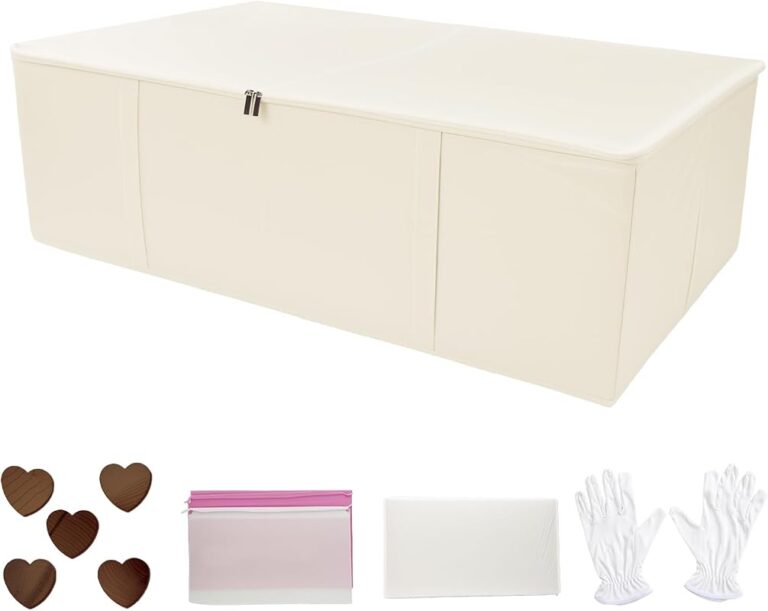
Construction style matters too. Lift-off lids are simple and common, drop-front boxes make access easier for flat items, and clamshell or enclosure styles can offer better protection for fragile contents. Closures should be secure without crushing the box or making repeated access awkward.
Size planning for prints, photographs, documents, textiles, and keepsakes
For prints and photographs, choose a box that gives the item a little breathing room and allows for sleeves, tissue, or interleaving if needed. For documents, standard paper sizes are a helpful starting point, but older or custom-sized papers may need a larger format to avoid folding.
Textiles and keepsakes often need more depth than paper items, so measure bulk as well as width and height. If you are storing mixed items, separate them by type so heavy objects do not press into delicate paper or fabric.
When to choose boxes with lids, drop-front access, or compartments
Choose a lid box when you want straightforward stacking and occasional access. Choose a drop-front box when you expect to retrieve items often and want to reduce handling strain on flat materials.
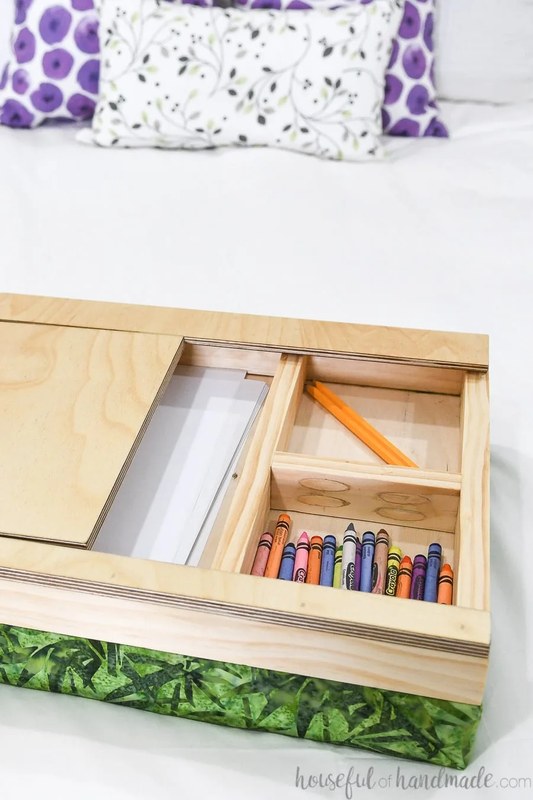
Compartmented boxes are useful for small objects such as cards, slides, labels, or collectibles that could shift around in an open cavity. They are less helpful for oversized prints or textiles, which generally do better with open, flat storage and minimal compression.
Best Uses by Room and Collection Type
Acid free boxes can work in almost any room, but the best placement depends on light, humidity, and how often you need to reach the contents. A good storage box is only part of the solution; the room itself also affects preservation.
Home office and study storage
Home offices are ideal for document boxes, file storage, and organized keepsake systems because the temperature and access are usually more stable than in attics or garages. A shelf near your desk can make it easy to file papers before they pile up.
If your office also holds artwork or presentation materials, a coordinated storage system can keep the room looking tidy. For related display solutions, you may also want to read where to buy picture ledges, especially if you store work near a display wall.
Living room, hallway, and display-adjacent storage
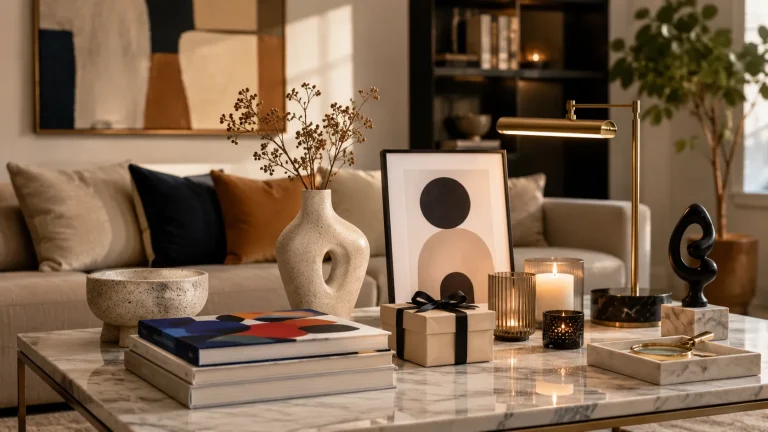
In living rooms and hallways, storage boxes need to do double duty: they must protect contents and look visually calm. Neutral colors, clean labels, and uniform sizes help the storage feel intentional rather than temporary.
These rooms are best for boxes that hold rotating papers, family archives, or guest-accessible keepsakes. Keep them away from direct sunlight and busy traffic areas where they may be bumped or exposed to dust more often.
Bedroom, attic, and seasonal storage considerations
Bedrooms can work well for sentimental items, photo archives, and personal documents because the environment is often more stable than a garage or attic. Under-bed storage can be practical, but only if the box height and lid design allow easy retrieval without bending the contents.
Attics are usually less ideal because of heat swings and humidity changes. If attic storage is unavoidable, use the most protective box you can find and prioritize items that are replaceable rather than irreplaceable.
Archival storage is not just about the box material. Stable temperature, moderate humidity, and low light often matter just as much for long-term preservation.
Studio, archive, and retail backroom applications
Studios and archive spaces usually need repeatable, labeled systems that make items easy to find and return. In these settings, consistency matters more than decorative appeal, so standardized box sizes and clear inventory labels are especially helpful.
Retail backrooms may use acid free boxes for prints, product samples, packaging ephemera, or display materials. If the box will be handled frequently, prioritize durability and easy access over the thinnest possible archival board.
Comparing Price, Quality, and Value
Price alone does not tell you whether a box is a good buy. The more useful question is what you gain at each level: clearer specifications, sturdier construction, better sizing, and more confidence in the materials.
What drives cost in archival storage boxes
Cost is usually driven by board quality, size, construction complexity, and whether the box is made for specialized preservation use. Larger boxes and models with reinforced corners, fitted lids, or interior supports generally cost more than simple foldable options.
Brand reputation and retail channel also affect pricing. Specialist suppliers may charge more, but they often provide the technical detail that makes comparison shopping possible.
Budget, mid-range, and premium options: what you gain and lose
Budget boxes can be perfectly adequate for short- to medium-term storage of less sensitive items, especially if the listing clearly states the materials and dimensions. The tradeoff is usually lighter construction and fewer format choices.
Mid-range boxes often strike the best balance for most households because they combine better construction with reasonable pricing. Premium archival boxes are most useful when the contents are valuable, fragile, or likely to be handled often.
- Better fit for fragile or valuable items
- More durable construction and clearer specs
- Usually easier to trust for long-term storage
- Higher cost than generic storage boxes
- May be overkill for temporary organization
- Some premium features are unnecessary for casual use
When a cheaper box is acceptable and when it is not
A cheaper box is acceptable when you are storing non-unique items, using the box for short-term organization, or keeping contents in a stable indoor environment. It can also work for items already protected in sleeves or folders.
It is not a good idea for original artwork, historic documents, irreplaceable photographs, or heirlooms if the materials are unclear. In those cases, paying more for a verified archival product is usually the smarter choice.
Styling and Organization Ideas for a Cleaner Space
Storage boxes do not have to look purely utilitarian. With a little planning, they can support the room’s visual order while still protecting what matters inside.
Labeling systems that protect contents and improve access
Use labels that identify the contents without forcing you to open every box. A simple system might include category, date range, and a brief contents note, which is especially helpful if you keep multiple boxes on the same shelf.
For delicate items, avoid labels that require aggressive adhesives or rough removal. Use removable, archival-friendly labeling methods when possible, and keep a master inventory list if the collection is substantial.
Stacking, shelving, and placement tips for tidy rooms
Stack boxes only when the construction is sturdy enough to support the load and the contents will not be crushed. Heavier boxes should generally sit lower on the shelf, with lighter boxes above them for easier access and better stability.
Shelving works best when the boxes fit the shelf depth cleanly instead of hanging over the edge. If you are arranging storage near a display area, matching box height and color can make the room feel more deliberate.
How to make storage look intentional rather than purely functional
Choose a consistent color family, such as cream, gray, or natural board, if the boxes will be visible in a living space. Repeating the same size or two coordinated sizes can also make shelves look calmer.
If you want the storage to blend into a styled room, pair it with framed artwork, a picture ledge, or a simple object grouping rather than leaving the boxes isolated. For a related display approach, see our guide on where to buy large poster frames for larger wall pieces that can balance the look of a storage-focused corner.
- Keep visible labels uniform so shelves read as a system, not a jumble.
- Use one box size per shelf whenever possible to improve visual rhythm.
- Place decorative items beside, not on top of, archival boxes if the contents are fragile.
Care, Maintenance, and Common Buying Mistakes
Even a good box will only perform well if it is stored in a reasonable environment and used correctly. A little care goes a long way, especially for paper-based collections.
Storage conditions that preserve archival quality over time
Keep boxes in a cool, dry, stable area away from direct sunlight, heaters, damp walls, and frequent temperature swings. Avoid placing them directly on a floor that may experience moisture or dust buildup.
Check the contents occasionally for signs of warping, moisture, or pressure damage. If the room conditions are poor, the box may still help, but it cannot fully compensate for humidity or heat.
Common mistakes to avoid when buying acid free storage boxes
One common mistake is assuming all “acid free” products are equally archival. Another is buying by appearance alone and discovering too late that the box is the wrong size, too shallow, or not sturdy enough for the contents.
It is also easy to overlook how often you will access the box. A box that is perfect for long-term storage may be frustrating if it is hard to open, too deep to lift comfortably, or awkward to label.
- Check the full material description and intended use
- Measure the contents before choosing a size
- Match the box style to how often you will access it
- Buying on the phrase “acid free” alone
- Storing valuable items in unclear marketplace listings
- Using attic or damp-space storage for sensitive collections
Final recommendation: the smartest place to buy based on your needs
If you need the safest, most transparent option, buy from a specialist archival supplier or museum-grade retailer. If you need practical storage for office papers or moderate-use collections, a reputable stationery or conservation-focused shop may be the best balance of price and clarity.
Use marketplaces only when the listing is specific enough to verify materials, sizing, and intended use. For most readers, the smartest purchase is the one that clearly states what the box is made of, what it is for, and how it should be stored once it arrives.
Frequently Asked Questions