Can Led Book Light Be Used as Picture Light

Yes, an LED book light can work as a picture light for small art and temporary displays. It is usually not the best choice for large, valuable, or permanent artwork.
Can led book light be used as picture light? Yes, sometimes—it can work for small framed pieces, temporary styling, and rental-friendly setups, but it is not a perfect substitute for a dedicated picture light. The best results usually come when the artwork is modest in size, the light output is soft and controlled, and the mounting method does not strain the frame or damage the finish.
For decor shoppers, gift buyers, and anyone trying to spotlight art without hardwiring a fixture, the idea is practical. Still, the success of this setup depends less on the label “book light” and more on the actual specs: brightness, beam spread, color quality, stability, and power source.
- Best use: Small frames, shelves, rentals, and temporary styling.
- Main check: Look at beam spread, brightness levels, and glare control.
- Color quality: Warm or neutral LEDs usually look better than overly cool light.
- Big limitation: Many book lights give uneven coverage on medium or wide artwork.
- Upgrade point: Choose a dedicated picture light for better polish, stability, and long-term display.
Can an LED Book Light Be Used as a Picture Light? The Short Answer
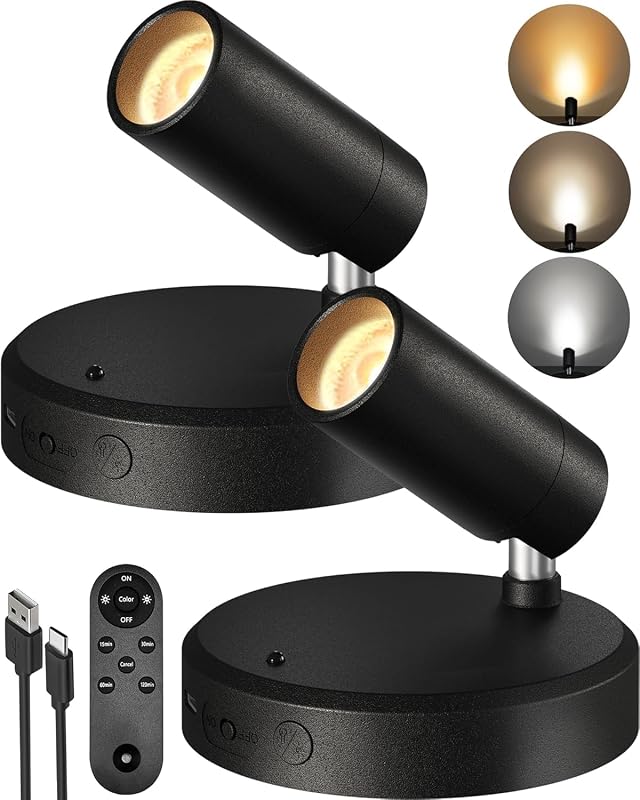
An LED book light can double as a picture light in the right situation, especially if you want a flexible, low-commitment accent over a small print or photo. It is most convincing when the light has an adjustable neck, a clean-looking clip or base, and a beam that spreads evenly across the artwork rather than creating a hot spot in the center.
When it works well for small art and temporary styling
This approach makes the most sense for lightweight framed prints, postcards, narrow frames on shelves, and small artwork in cozy spaces. It also suits renters, dorm rooms, reading corners, and seasonal displays where drilling into the wall or installing a permanent fixture is not ideal.
If the piece is already displayed on a picture ledge, bookshelf, or shallow shelf, a book light can be even easier to use because the clip can attach to the ledge instead of the frame itself. For readers comparing flexible display options, a floating picture ledge shelf can make this kind of temporary art lighting much simpler.
When a dedicated picture light is the better choice
A real picture light is usually the better fit for larger artwork, valuable pieces, formal rooms, or any display meant to stay in place long term. Dedicated picture lights are designed for broader, more even coverage and often look more intentional from a distance.
They also tend to offer better proportions for medium and large frames, cleaner mounting solutions, and more predictable brightness levels. If you are trying to compare the two approaches more carefully, Hurrell Editions’ guide on how to choose a picture light for artwork is a useful next step.
What to Check Before Using a Book Light on Artwork
Before buying or repurposing any light, focus on the details that affect how the art will look and how secure the setup will feel day to day.
Brightness, beam spread, and glare control
Brightness is the first filter. Many book lights are designed for close reading, not for washing light across a framed surface. That means some models will look too dim once they are placed several inches above a picture, while others may create a harsh bright circle in the middle and leave the corners dark.
Look for a light with multiple brightness levels and a head shape that spreads light horizontally rather than in a narrow flashlight-style cone. Glare matters too. If the bulb or diode is directly visible from normal standing height, the setup can feel distracting instead of elegant.
Color temperature and color-rendering quality
Color temperature changes the mood of the art. Warm light tends to flatter traditional prints, sepia photography, wood frames, and cozy bedrooms. Neutral light usually feels cleaner for modern prints, black-and-white photography, and hallways.
Color-rendering quality matters because poor LEDs can make reds look dull, whites look gray, and skin tones in photographs seem off. Not every brand gives detailed color-rendering specs, so when information is limited, confirm the official listing and manufacturer details before buying.
Clip strength, neck flexibility, and overall stability
The clip needs enough grip to stay put without crushing a thin frame, denting a mat border, or sliding off a shelf edge. A flexible neck is helpful, but it should not be so loose that the head droops over time. Stability is especially important in homes with doors that slam, active kids, or pets that brush against furniture and shelves.
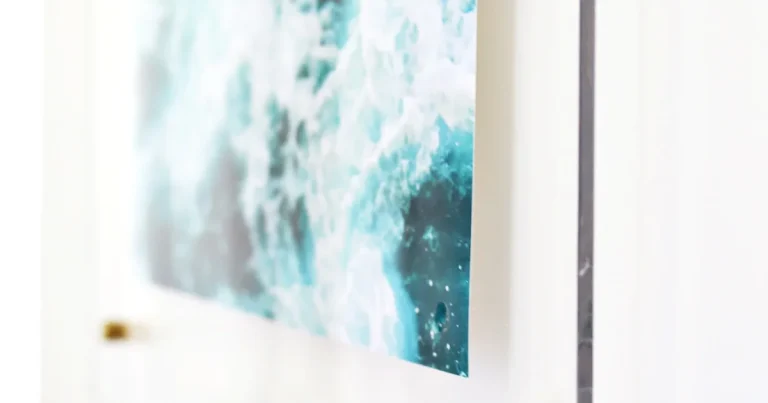
Thin acrylic frames, magnetic frames, and lightweight tabletop displays may not have enough structure for a clip-on light. In those cases, attaching the light to a nearby shelf or ledge is often safer than clipping directly to the artwork.
Battery, USB, plug-in, or hardwired power options
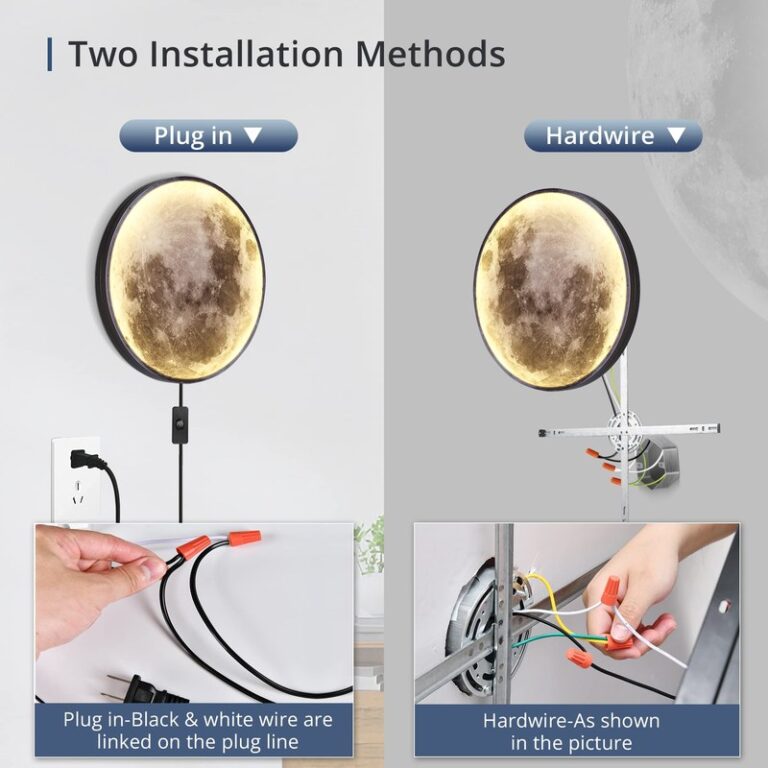
Power changes the convenience of the setup. Battery and rechargeable lights are the easiest for temporary styling because they avoid visible cords. Plug-in lights can offer more consistent output, but cable routing becomes part of the visual design.
If you are leaning toward rechargeable lighting, it helps to understand how often charging may be required and whether the charging port will stay accessible once the light is positioned. For more on the upkeep side, see do battery picture lights need to be charged.
- Check whether the light has adjustable brightness and a wide enough beam for the frame.
- Confirm the clip or base will attach securely without marking the frame finish.
- Choose a power source that fits the room, charging routine, and cable tolerance.
- Verify color temperature and any available color-rendering details on the official product listing.
Placement and Sizing: How to Position a Book Light Over a Picture
Even a decent light can look awkward if it is placed too high, too low, or off center. Proportion matters almost as much as brightness.
Best height above the frame and ideal lighting angle
In most small-scale setups, the light looks best when it sits just above the top edge of the frame rather than floating far above it. A gentle downward angle usually gives the most flattering effect. Too steep, and you get a bright strip at the top with shadows below. Too flat, and the light may bounce outward into the room.
If the artwork is behind glass, angle matters even more because reflection can quickly become the main thing you notice. A slight tilt adjustment can reduce glare without making the light look crooked.
Matching light size to small, medium, and narrow frames
Book lights visually suit small and narrow frames best. On a small print, a slim light head can look intentional. On a medium frame, the same light may seem undersized and leave the art unevenly lit. On a wide landscape piece, it often looks obviously improvised.
As a rule of thumb, the light should feel proportionate to the frame width and not overwhelm the top rail. If the clip or lamp head appears heavier than the frame itself, the balance is probably off.
For the cleanest look, center the light over the frame first, then adjust the neck for coverage. If you angle first and center later, the beam often ends up slightly skewed.
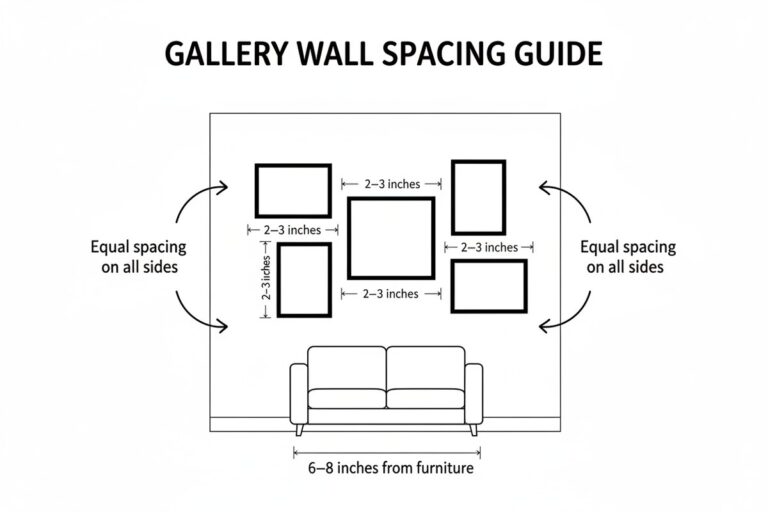
Spacing for single artworks, shelves, and compact gallery walls
Single artworks are the easiest to light with a book light because there is one focal point and fewer competing reflections. Shelf displays also work well, especially when the light can clip to the shelf rather than the frame.
Compact gallery walls are trickier. A single book light usually cannot cover multiple pieces evenly, and using several small clip lights can make the wall look busy. If your art is arranged on ledges rather than directly mounted, planning the shelf depth and spacing becomes important. Readers styling layered displays may also find it helpful to review how deep a picture ledge should be for framed art.
Which Rooms and Art Styles Suit This Setup Best?
Not every room needs museum-style lighting. In some spaces, a lighter, more casual approach is exactly the point.
Bedrooms, reading corners, hallways, and rentals
Bedrooms and reading corners are natural fits because the atmosphere is softer and the scale is usually smaller. A clip-on LED can add just enough glow over a favorite print without making the room feel overdesigned.
Hallways can also work if the art is narrow and the traffic flow does not constantly bump the frame. Rentals are one of the strongest use cases because the setup can stay minimally invasive and easy to change.
Framed prints, photographs, textiles, and lightweight pieces
Book lights are best paired with lightweight, decorative pieces rather than heavy, investment-level art. Framed prints, personal photographs, postcards, and small textile pieces can all benefit from a subtle highlight if the light is gentle and stable.
For delicate paper works and fabrics, remember that low heat does not automatically mean zero risk. Light exposure still matters over time, especially for pieces with dyes, inks, or sensitive surfaces.
How to match the look with modern, classic, and eclectic decor
In modern rooms, a matte black or minimal white book light may blend in surprisingly well, especially with slim frames and clean-lined furniture. In classic interiors, the improvised look is harder to disguise unless the light has a more refined finish and the frame is modest in scale.
Eclectic decor is the most forgiving. A clip-on light can feel charming there, particularly on layered shelves, mixed frame collections, or casual art corners where personality matters more than symmetry.
Benefits of Using an LED Book Light as a Picture Light
There are real advantages to this workaround, which is why so many people consider it in the first place.
Low heat, low energy use, and easy repositioning
LED lighting is generally appealing for art display because it runs cooler than many older bulb types and uses relatively little energy. A book light is also easy to reposition if you swap prints, move furniture, or restyle a shelf.
That flexibility is especially useful for people who like to rotate seasonal art or test different arrangements before committing to one layout.
Budget-friendly styling for renters and seasonal displays
A book light can be an accessible way to create a picture-light effect without buying a dedicated fixture right away. For temporary holiday displays, guest rooms, dorms, or giftable decor moments, that lower-commitment approach can make sense.
This is also why some shoppers end up comparing clip-on lights with cordless art lights. If you want the same convenience with a more polished look, it may be worth reading about why use a battery operated picture light.
Useful for testing artwork placement before installing permanent lighting
One underrated advantage is experimentation. A movable light lets you see whether a piece benefits from accent lighting at all before you invest in a wall-mounted fixture. That can save you from installing a permanent picture light over art that looked better with ambient room lighting alone.
Limitations, Safety Basics, and Common Mistakes to Avoid
This setup has clear limits, and ignoring them usually leads to disappointing results.
Uneven coverage, visible clips, and underpowered output
The most common problem is uneven lighting. Book lights often illuminate the center of a picture better than the edges, which can make the display look patchy. Another issue is appearance: the clip may remain visible from the side or front, making the whole arrangement feel makeshift.
Underpowered output is also common. A light that feels bright for reading may still be too weak to give artwork real presence in a room.
Battery drain, charging access, and cable management
If the light is battery-powered or rechargeable, convenience can fade quickly if it needs frequent charging. A charging port hidden against the wall or blocked by the frame can become frustrating. Plug-in versions avoid some of that, but then the cord has to be routed neatly and safely.
Before buying, think through how you will actually turn the light on, recharge it, or hide the cable in everyday use—not just how it looks in a product photo.
Wall type, hanging hardware, frame security, and finish protection
A clip-on light adds weight and leverage to the top of a frame. That matters more than many shoppers expect. If the frame is already hanging from minimal hardware, the added pull can make it tilt or shift.
Check that the wall hardware, frame joinery, and hanging method are suitable for the extra strain. Use padding or a protective barrier only if it does not compromise grip, and avoid anything that could trap moisture or abrade delicate finishes.
Do not assume a lightweight frame can safely support a clipped light. If the artwork is valuable, fragile, oversized, or mounted on uncertain hardware, check the manufacturer guidance and consider a professional installer for permanent lighting.
Why light sensitivity still matters for prints, paper, and textiles
LEDs are often chosen because they produce less heat, but artwork can still be affected by prolonged light exposure. Paper, photographs, and textiles may fade or shift over time depending on the inks, dyes, glazing, and total exposure.
That is why it is wise to use the lowest effective brightness and avoid leaving accent lights on continuously. For a broader look at the preservation side, see Hurrell Editions’ article on do LED lights fade pictures.
- Use small, lightweight art and confirm the clip will not damage the frame.
- Choose adjustable brightness and test angles to reduce glare.
- Keep charging access and everyday usability in mind.
- Using a narrow reading light on a wide frame and expecting even coverage.
- Clipping onto fragile acrylic, thin metal, or unstable frames.
- Leaving sensitive prints under bright accent light for long periods.
How It Compares With a Proper Picture Light
A book light can imitate the effect, but it rarely matches the finish, scale, or consistency of a proper picture light.
Design, performance, and long-term value differences
Dedicated picture lights are designed specifically to sit above art, so they usually look more balanced and distribute light more evenly. They also tend to integrate better with the room visually, especially in formal living spaces, dining rooms, and entryways.
By contrast, a book light is a workaround. It may be perfectly adequate for casual decor, but its long-term value depends on how much compromise you are willing to accept in appearance, stability, and coverage.
Best alternatives: rechargeable picture lights, sconces, and track lighting
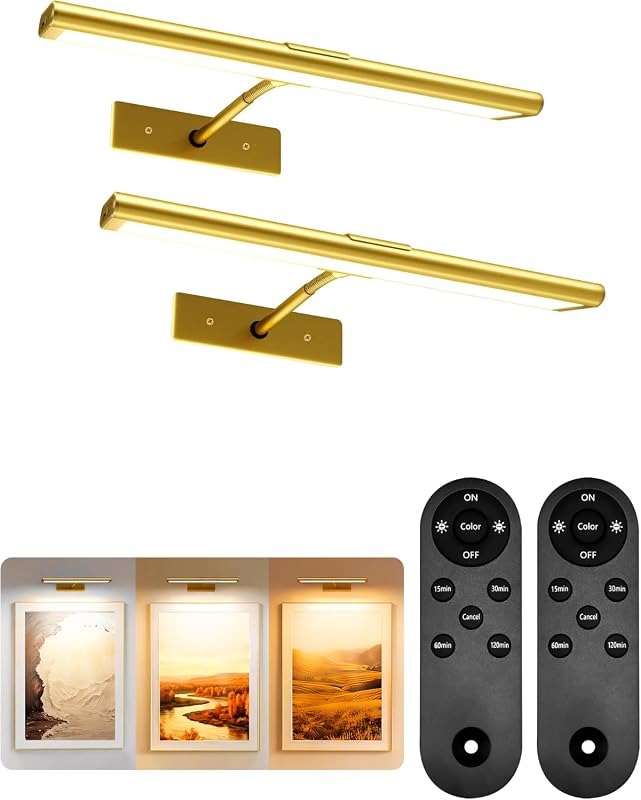
If you like the no-hardwire convenience of a book light but want a cleaner result, rechargeable picture lights are the most direct alternative. They are made for artwork and often offer better proportions, simpler controls, and a more finished look.
Sconces can work when you want ambient wall lighting around art rather than directly over it. Track lighting is stronger for larger collections, gallery walls, or rooms with several focal points.
Evidence limits and what product specs matter most when comparing options
Because book lights vary widely by brand and design, broad claims are not very useful. Some may be bright enough and stable enough for small art, while others are clearly meant only for reading. Without verified testing on a specific model, the most reliable way to compare options is by checking official specifications and product photos carefully.
Focus on beam shape, brightness settings, power type, mounting method, dimensions, finish, and any stated color details. If warranty terms, battery life, or included accessories matter to you, confirm them directly with the manufacturer or retailer before ordering.
- Easy to try without permanent installation.
- Useful for small art, rentals, and shelf styling.
- Often compact, low-energy, and repositionable.
- Coverage is often uneven on medium or large frames.
- Clips and cords can look visually distracting.
- Not ideal for valuable, delicate, or long-term displays.
Final Recommendation: Who Should Try It and When to Upgrade
If your goal is soft accent lighting over a small print, a favorite photo, or a shelf-styled frame, an LED book light can be a smart temporary solution. It is most appealing for casual decorating, gifting, rentals, and small spaces where flexibility matters more than a fully built-in look.
Best for casual styling, gifts, and small-space decorating
This setup suits people who want to experiment, add atmosphere, or highlight lightweight art without committing to wall-mounted lighting. It is especially sensible in bedrooms, dorms, apartment hallways, and reading nooks where the display is intimate rather than formal.
When a dedicated picture light is worth the investment
Upgrade when the artwork is larger, more valuable, or central to the room design. A proper picture light is also worth it when you want cleaner lines, stronger output, better coverage, and a more finished result that will hold up visually over time.
A transparent verdict for 2026 buyers
For 2026 buyers, the honest answer is that a book light can absolutely stand in for a picture light—but only within a narrow set of conditions. Use it for small-scale, low-risk, flexible styling; choose a dedicated picture light when performance, preservation, and polish matter more than convenience.
Frequently Asked Questions