Archival Acid-Free Paper for Book Storage: Protect Books Long-Term

Acid-free paper is best for books you want to protect from yellowing, scuffing, and dust jacket wear during long-term storage. Choose a lignin-free sheet size that fits the book cleanly, then store it in a stable, dry environment.
acid free paper for book storage is a simple archival safeguard: it helps slow the yellowing, brittleness, and surface transfer that can happen when books sit in ordinary wrapping or boxes for years. For collectors, readers, and anyone storing books in a closet, box, or shelf display, the right paper can make long-term care much easier without changing how the book looks or feels too much.
- Best use: Valuable, sentimental, signed, or long-stored books benefit most from acid-free wrapping.
- Material check: Look for acid-free, lignin-free, and ideally clearly stated archival or conservation use.
- Fit matters: The paper should wrap or interleave without stressing the spine, corners, or jacket.
- Environment still matters: Paper protection works best with low dust, stable humidity, and limited light.
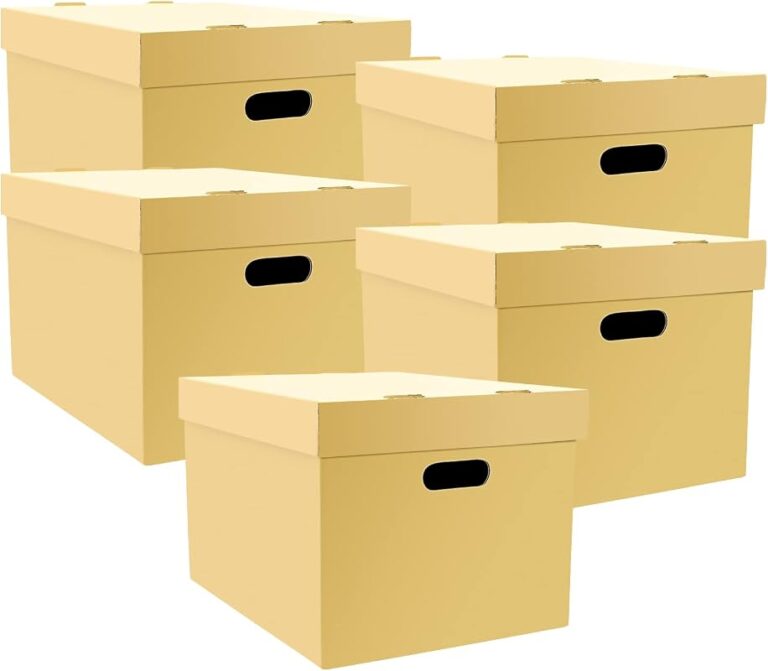
- Best alternative: For maximum protection, pair paper with archival boxes or sleeves rather than using paper.
What Acid Free Paper for Book Storage Is and Why It Matters
Acid-free storage paper is made to be gentler on paper-based materials than standard wrapping paper, newsprint, or low-grade packing paper. In book storage, its main job is not decoration; it is separation, buffering, and protection from materials that can accelerate aging or leave residue behind.
Quick answer: when and why to use acid free paper for books
Use it when a book matters enough that you want extra protection from dust, scuffing, and paper-to-paper contact. It is especially useful for books that will stay packed away, move between homes, or sit in a box with other items that could rub against the cover or jacket.
It is also a smart choice when you are storing books with collectible value, sentimental value, or delicate paper components such as dust jackets, inserts, or signed pages. If you are simply reading a paperback on a shelf, you may not need it; if you are preserving a first edition or gift book, it becomes much more relevant.
How acid-free materials help protect paper, cloth, and dust jackets
Books age through a mix of chemistry and environment. Ordinary paper products can contain acids, lignin, or coatings that break down over time and may transfer discoloration or encourage brittleness in adjacent surfaces.
Acid-free paper helps create a cleaner barrier between the book and outside contaminants. That matters for cloth-bound covers, printed jackets, and illustrated endpapers, which can show wear faster than the text block itself. For books with fragile jackets, a safer wrapping approach can be as helpful as the box they sit in.
“Acid-free” is a useful label, but it is not a full guarantee of archival performance. Quality still depends on the paper’s composition, whether it is lignin-free, and how the book is stored around it.
What to Look for in Acid Free Paper for Book Storage
The best choice depends on how you plan to use the paper. Wrapping a single rare book is not the same as separating a stack of novels, and a paper that feels ideal for one job may be too thin or too bulky for another.
Acid-free, lignin-free, and buffered: what the labels should mean
Acid-free means the paper is manufactured to have a neutral or near-neutral pH. Lignin-free means it avoids a plant component that can break down and create acids over time. Buffered paper includes an alkaline reserve that can help neutralize incoming acids from the environment.
For book storage, those terms are not interchangeable. If you want a more archival option, look for all three claims where appropriate. Buffered paper is often helpful for general paper protection, but some very sensitive materials may do better with unbuffered options, depending on the item and manufacturer guidance.
Paper weight, opacity, and smoothness for safe wrapping and interleaving
Paper that is too thin may tear easily and offer little protection. Paper that is too heavy can add bulk, make folding awkward, or put pressure on the spine and corners when wrapped around a book.
Opacity matters if you are protecting printed covers or jackets from show-through and light exposure. Smoothness matters because a rough surface can catch on fragile paper, while an overly slick surface may not stay folded neatly. For interleaving, a smooth, clean sheet is generally easier to handle and less likely to abrade delicate pages.
Sheet size, foldability, and compatibility with different book formats
Large-format art books, hardcovers, paperbacks, and slipcased editions all ask for different sheet sizes. A sheet that works beautifully for a standard hardcover may be too small to wrap a coffee-table book without seams in awkward places.
If you store several formats, consider whether you want one versatile size you can trim or a pre-cut size that reduces waste. Foldability is also important: a paper that creases cleanly will make neater corners and less stress on the book jacket.
Which Books and Storage Situations It Suits Best
Not every book needs archival wrapping, and not every storage situation benefits equally. The more valuable, delicate, or long-term the storage plan, the more sense acid-free paper makes.
Rare books, first editions, signed copies, and archival collections
These are the clearest candidates. When a book has collectible value or personal significance, the goal is to slow wear while keeping handling simple and reversible. Acid-free paper can help with outer wrapping, jacket protection, or separation inside archival boxes.
It is also useful for books with vulnerable paper components, such as tipped-in plates, laid-in notes, or dust jackets that would be expensive or impossible to replace. If you are building a collection, pairing paper protection with proper archival boxes is often more effective than relying on wrapping alone.
Everyday home libraries, seasonal storage, and long-term moving protection
Home libraries often mix display and storage. If you rotate books by season, pack them during a renovation, or move them between homes, acid-free paper can reduce scuffing and keep dust jackets from rubbing against cardboard or one another.
For moving, it works well as a first layer around books before they go into a box. It is not a substitute for a sturdy carton, but it can help keep books from scraping against tape, seams, or other items in transit.
Who benefits most: collectors, archivists, readers, and gift buyers
Collectors and archivists benefit most because they need predictable, low-risk storage. Readers benefit when they want to protect a favorite book without building a full conservation setup. Gift buyers benefit when presentation matters and the book should arrive looking cared for, not overhandled.
If you are comparing storage options for paper-based gifts or creative materials, it can help to think about the paper itself as part of the presentation. Readers who also store sketchbooks or art paper may find our guide to the best sketchbooks for artists with quality paper useful for understanding how paper quality affects long-term use.
How to Use Acid Free Paper for Book Storage Properly
Good storage is as much about technique as material choice. The paper should support the book, not squeeze it, trap moisture, or create new pressure points.
Wrapping individual books without stressing the spine or corners
Start with clean hands and a flat surface. Wrap loosely enough that the spine is not forced into a tight bend and the corners are not crushed under excessive folds.
Check height, width, and spine thickness so the wrap fits without tugging at the cover or jacket.
Keep folds crisp but not tight, especially at the top and bottom edges where wear often starts.
If you use tape at all, place it only where it will not touch the book surface and will not be needed for future removal.
Interleaving pages, protecting dust jackets, and separating stacked books
Interleaving is best reserved for situations where pages need a barrier, such as when a book has fragile inserts or a jacket that might transfer color. Use a sheet that lies flat and does not add so much thickness that the book no longer closes naturally.
For dust jackets, the goal is to reduce rubbing and light exposure while preserving readability. If you are storing stacked books, place acid-free sheets between volumes so cloth, paper, and printed surfaces do not scuff each other during movement. For related display and separation ideas, our article on using reclaimed wood for a poster frame shows how material choice changes both protection and presentation.
Placement tips for shelves, boxes, drawers, and display storage
On shelves, acid-free paper is most useful as a dust jacket barrier or as a wrap for books you rotate in and out of storage. In boxes, it can line the interior, separate books, or cushion edges where cardboard might scuff covers.
In drawers or cabinets, avoid compressing the books too tightly. A snug fit is better than loose shifting, but too much pressure can warp boards, roll corners, or leave impressions in jackets. If the storage area is visible, paper can also keep the collection looking orderly while still feeling archival.
- Keep similar-sized books together so the wrapping stays even and the stack looks intentional.
- Use paper as a protective layer, then let boxes or shelves do the structural work.
- Leave a small amount of breathing room so books are not forced into a compressed row.
Materials, Specifications, and Quality Checks
Because product listings vary, it is worth checking the details rather than trusting the label alone. The best choice depends on composition, finish, and how the paper is packaged.
Paper composition and archival standards to verify before buying
Look for a clear description of the fibers used, whether the paper is lignin-free, and whether it is intended for archival or conservation use. If the listing mentions a standard, certification, or conservation grade, confirm what that means on the manufacturer page rather than assuming all archival terms are equal.
When possible, compare the product page with the manufacturer’s care instructions. That is especially important for specialty papers, where the intended use may be wrapping, interleaving, or presentation rather than direct long-term contact with delicate originals.
Thickness, surface finish, and whether buffered or unbuffered is better
Thickness affects handling and protection. A slightly sturdier sheet is often easier to wrap cleanly, but it should not feel bulky enough to distort a book’s shape. Surface finish affects friction, which matters when you are sliding books in and out of storage.
Buffered paper is often a practical choice for general book storage, especially for paper-based collections. Unbuffered paper may be preferred for certain sensitive materials or mixed-media items, so the better option depends on the specific book, its inserts, and the manufacturer’s guidance.
Packaging format: rolls, sheets, or pre-cut packs for different needs
Rolls are flexible if you store many different sizes, but they can be harder to keep flat and clean. Sheets are usually easier for precise wrapping and interleaving. Pre-cut packs save time and are convenient for repeat use, though they may be less adaptable for oversized books.
If you want a cleaner, more structured presentation, pre-cut sheets are often the easiest to keep consistent. If your storage changes often, rolls may be more economical in practice because you can trim to fit.
- Confirm acid-free and lignin-free claims, not just marketing language.
- Choose a size that fits your largest common book without excessive trimming.
- Decide whether buffered or unbuffered paper suits your collection.
- Check whether the paper is meant for wrapping, interleaving, or both.
Styling and Presentation Ideas for Book Storage
Protective paper does not have to look clinical. Used thoughtfully, it can support a calm, organized shelf or a gift presentation that feels deliberate and refined.
How acid free paper supports a neat, museum-style shelf presentation
On visible shelves, a consistent wrapping method can make a collection look curated rather than cluttered. Neutral paper tones work especially well in minimal, library-inspired rooms because they reduce visual noise and let book spines remain the focus.
If you prefer a cleaner display, use paper to protect only the volumes that need it most while leaving everyday reading books open on the shelf. That balance keeps the room from feeling overly formal.
Using protective wrapping for gifts, special editions, and presentation boxes
Acid-free paper is a strong choice for books that are being gifted in a box, sleeve, or keepsake package. It helps the presentation feel thoughtful while also giving the recipient a protective layer they can keep using.
For art books, signed editions, or books paired with prints, the wrapping can also prevent rubbing during shipping or storage. If you are exploring other paper-based presentation ideas, our guide to what paper is best for watercolor at home is useful for understanding how paper surface and weight affect appearance and handling.
Matching storage methods to a study, library, bedroom, or living room
In a study, acid-free paper fits naturally into drawer storage, archival boxes, and organized shelves. In a bedroom, it can help keep seasonal reading stacks tidy while preventing dust accumulation. In a living room, it supports a display that looks edited rather than crowded.
The key is to match the storage method to the room’s role. A public-facing room benefits from neat presentation, while a private storage room can prioritize protection and stacking efficiency.
Think of acid-free wrapping as the quiet layer behind a beautiful library: invisible most of the time, but essential when you want the collection to age gracefully.
Common Mistakes, Care, and Maintenance
Most storage problems come from small errors: too much pressure, the wrong adhesive, or a room that is not stable enough for paper-based materials. A little routine care goes a long way.
Overwrapping, using the wrong tape, and trapping moisture
One of the most common mistakes is wrapping too tightly. Books need enough space to retain their shape, especially hardcovers with boards and dust jackets that can crease under pressure.
Avoid tape that will touch the book surface or become difficult to remove later. Also avoid sealing in moisture after a book has been handled in a humid room. If a book feels damp or slightly tacky, let it acclimate before wrapping it for storage.
Never wrap a book so tightly that the spine bows or the cover edges press into the paper. Pressure damage is often slower than a tear, but it can be just as permanent.
Storage environment basics: humidity, light, dust, and temperature
Acid-free paper cannot fix a bad environment. Books still need moderate humidity, limited direct light, and a stable temperature. Dust should be removed gently before storage so debris does not get trapped between the paper and the cover.
Direct sunlight is especially harmful to jackets and cloth covers, even when they are wrapped. If the storage area gets bright afternoon light, consider relocating the books or using opaque boxes and closed cabinets.
When to replace paper and how to inspect stored books over time
Replace the paper if it becomes discolored, brittle, wrinkled, or dusty. Those are signs that it has done its job and may no longer be acting as a clean barrier.
Inspect stored books periodically for odor, moisture, edge wear, and jacket transfer. If a book shows signs of damage, remove it, let it acclimate, and reassess whether the storage method needs to change. For anyone refining a broader home display, our guide to best lighting for a home art desk is also helpful when you want to keep shelves readable without exposing books to harsh glare.
Value, Alternatives, and Final Recommendation
Acid-free paper is not the only preservation tool, and it is not always the cheapest one. The right choice depends on how valuable the book is, how long it will be stored, and how much protection you need beyond a shelf.
When acid free paper is worth the cost versus standard wrapping paper
It is worth the extra cost when the book is collectible, sentimental, signed, or stored long term. It is also worthwhile when you want a cleaner, lower-risk barrier than generic packing paper, which may contain acids, dyes, or fillers that are less suitable for preservation.
If the book is temporary, replaceable, or frequently read, standard storage may be enough. In that case, your money may be better spent on a sturdy box, a climate-stable cabinet, or better shelf organization.
Alternatives such as archival boxes, sleeves, and polyester enclosures
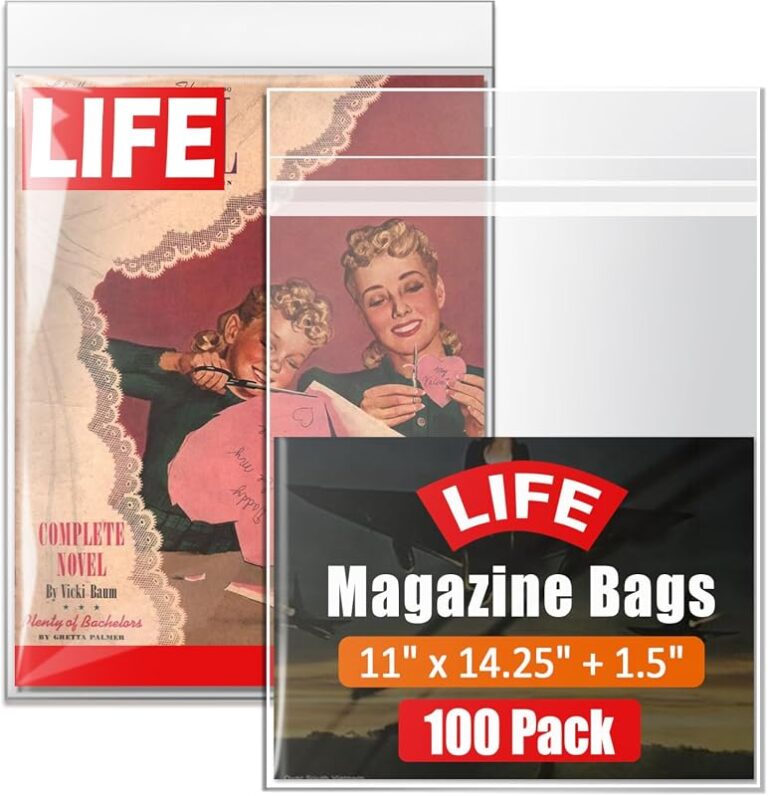
Archival boxes are the strongest all-around option for books that need structural support and dark storage. Sleeves are useful for flat items, jackets, or inserts. Polyester enclosures can work well for certain documents and delicate paper items, though they are not always the best fit for bulky books.
If you are deciding between protective layers and display hardware, think about the item’s shape first. Books often do best with a combination of paper barrier plus box or shelf support, rather than a single solution doing all the work.
Transparent verdict: best use cases and the most practical buying choice
The most practical choice is acid-free, lignin-free paper in a size that matches your most common book format, with a finish that folds cleanly and a weight that feels sturdy without adding bulk. For most home collectors, buffered sheets are a sensible starting point, while more specialized collections may need a different archival setup.
If you want the simplest answer: choose acid-free paper for books you plan to keep, not just store. It is most valuable when it becomes part of a broader preservation routine that includes clean handling, stable storage, and occasional inspection.
- Use acid-free paper when a book needs long-term protection, not just temporary packing.
- Look for lignin-free construction, suitable weight, and a size that fits the book without stress.
- Combine the paper with stable storage conditions for the best preservation results.
- For most collectors, archival sheets are the most practical and versatile starting point.
Frequently Asked Questions