
Are Expensive Art Supplies Worth It for Hobbyists?

Yes, expensive art supplies can be worth it for hobbyists when they improve the materials you use most, especially paper, brushes, and core mediums. Budget supplies still make sense for practice, experimentation, and casual projects that do not need archival quality.
For hobbyists, the question is rarely whether expensive art supplies are “better” in a vacuum. It is whether they improve the kind of making you actually do: sketching after dinner, painting on weekends, building a calmer creative habit, or making pieces you’ll happily frame and live with.
The short answer is yes, sometimes. Premium materials can be worth it when they save time, reduce frustration, and give you results that feel more satisfying. But plenty of budget supplies still make excellent sense, especially in a home studio where experimentation matters more than perfection.
- Best upgrades: Start with paper, brushes, and your main medium.
- Save on: Practice sheets, tests, and experimental pieces.
- Value matters: Better tools should reduce frustration and improve consistency.
- Display counts: Use higher-quality materials for framed or gifted work.
- Buy gradually: Build a thoughtful kit instead of chasing full luxury sets.
For practical buying ideas, compare this with art supplies gift set ideas, acrylic paint sets for home artists, and watercolor brush sets for home painting.
When Are Expensive Art Supplies Worth It?
Expensive art supplies are worth it when they solve a specific problem: better pigment, smoother paper, stronger lightfastness, or tools that make practice more consistent. They are less useful when you are still testing a medium.
| Supply type | When to upgrade | When budget is fine |
|---|---|---|
| Paint | You need stronger pigment, smoother mixing, or better lightfastness. | You are practicing basic strokes, color mixing, or casual crafts. |
| Brushes | Your current brushes shed, lose shape, or cannot hold enough water. | You are experimenting with sizes and shapes for the first time. |
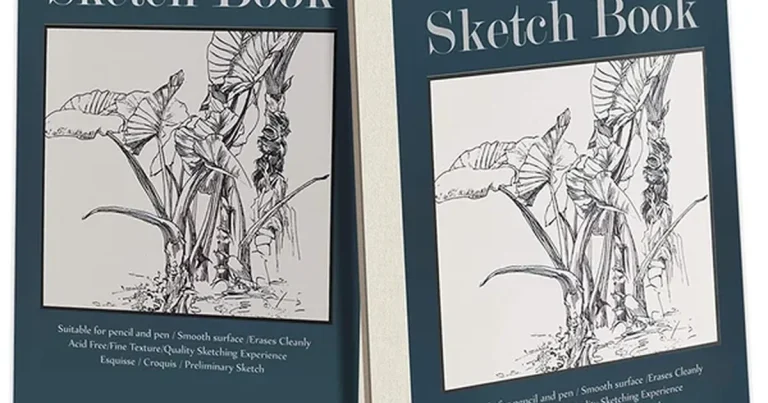
| Paper or canvas | The surface buckles, pills, or changes the look of your finished work. | You are sketching ideas or doing quick studies. |
| Storage | You own supplies worth protecting from dust, moisture, or bending. | You have a small kit that is used daily. |
| Gift sets | You want a reliable starter set with fewer weak items. | The recipient is still discovering which medium they enjoy. |
Are Expensive Art Supplies Worth It for Hobbyists? A Practical 2026 Perspective
In 2026, “expensive” does not mean the same thing across every medium. A high-quality watercolor brush, a luxury sketchbook, and a specialty pigment set all sit in different price brackets, and the value of each depends on how often you use it and what you want from the process.
For hobbyists, the smartest approach is not to buy everything at the top tier. It is to identify the tools that most affect enjoyment and consistency, then upgrade those first. That usually means surfaces, brushes, and a few core drawing or painting tools before chasing the most curated color collection.
Premium supplies are not automatically “better” for every artist. Paper weight, pigment load, brush shape, and even the way you like to work can matter more than the brand name on the package.
What Hobbyist Artists Actually Gain from Premium Materials
When hobbyists spend more, the real payoff is often not prestige. It is a smoother creative experience: cleaner blending, fewer surprises, better control, and a finished piece that looks more intentional under warm home lighting or in a framed display.
Color richness, smoother application, and more predictable results
Premium paints and pencils often feel more responsive because they are made with stronger pigments, more consistent binders, or better paper compatibility. That can mean deeper color, less chalkiness, and fewer frustrating streaks or patchy washes.
For watercolor and gouache, better paper can be the biggest upgrade of all. A sheet that handles water well allows color to sit beautifully instead of buckling or pilling, which matters if you enjoy layering washes, botanical studies, or loose decorative work.
- More consistent color and texture
- Less waste from muddy mixes or torn paper
- Better control for layering and blending
- More polished results for framing or gifting
When better tools reduce frustration and support creative confidence
There is also a quieter benefit: premium supplies can make you want to sit down and create. A brush that springs back properly, a pencil that sharpens cleanly, or a sketchbook that lays flat can remove small obstacles that otherwise interrupt flow.
That matters for hobbyists who are trying to keep art joyful rather than technical. If the materials feel dependable, it is easier to return to the page regularly and trust your hand. For many people, that confidence is worth more than a dramatic “before and after.”
If you only upgrade one thing, start with the surface you use most. Better paper or canvas often improves results more noticeably than a full set of luxury colors.
Where Budget Supplies Still Make Sense in a Home Studio
Budget materials are not a compromise in every situation. They are often the best choice for practice, experimentation, and casual work where the goal is repetition, play, or simply keeping your creative routine alive.
Sketching, practice pages, and experimental techniques
Warm-up drawings, thumbnail studies, and technique drills do not need your most expensive tools. In fact, using affordable supplies for practice can free you up to make mistakes, test compositions, and explore without second-guessing every mark.
This is especially true for charcoal, graphite exercises, and mixed media tests. If you are trying a new wash, marker layer, or collage approach, it is sensible to begin with lower-cost paper and see how the materials behave before moving up.
Projects for framing, gifting, or casual creative routines
Budget supplies can also be perfectly fine for casual art that is meant to be enjoyed in the moment. A quick sketch in a notebook, a color study pinned to a wall, or a playful card for a friend does not always need archival-level materials.
That said, if you plan to frame a piece, give it as a gift, or display it in a bright room, it is wise to choose materials that are less likely to fade, warp, or discolor. The more visible and permanent the piece, the more the upgrade tends to matter.
Lower-cost papers and paints may be more vulnerable to fading, warping, and surface wear. If artwork will hang near sunlight, humidity, or kitchen steam, choose materials with better stability.
The Real Price Difference: What “Expensive” Means in Today’s Art Market
In art supplies, price usually reflects a mix of pigment quality, material durability, packaging, brand positioning, and specialty production. In 2026, that spread is wider than many hobbyists expect, especially as boutique brands and curated sets continue to shape the market.
Paints, pencils, brushes, paper, and canvas across entry, mid, and pro tiers
Entry-level supplies are designed to be accessible and forgiving for learning. Mid-range products often offer a noticeable jump in consistency, while professional or investment-tier materials usually focus on pigment strength, longevity, and refined handling.
| Option | Best For | Note |
|---|---|---|
| Entry-level paper | Practice and testing | Good for learning, less ideal for heavy water use |
| Mid-range brushes | Regular hobby painting | Often the best value for comfort and durability |
| Professional pigments | Finished pieces and color-critical work | Worth it when you want richer, more reliable color |
How inflation, boutique brands, and specialty pigments shape 2026 pricing
Some of today’s higher prices are tied to broader material costs, while others reflect niche branding, handmade production, or specialty ingredients. Botanical pigments, extra-fine papers, and artisan brush construction can all push prices upward.
That does not automatically make them indulgent. It simply means hobbyists should compare not only the price tag, but the purpose. A curated set may be lovely to own, but a smaller number of reliable workhorse tools often gives better day-to-day value.
Style Trade-Offs: Choosing Supplies That Match Your Creative Aesthetic
For many hobbyists, supplies are part of the creative atmosphere. The look of the palette, the feel of the paper, and the neatness of the storage can all shape whether your studio corner feels inspiring or cluttered.
Minimalist palettes versus highly curated color collections
A minimalist set can be deeply satisfying if you like calm, intentional work. A small palette encourages mixing, keeps your desk clean, and suits artists who enjoy a restrained, cohesive look in their home studio.
By contrast, a highly curated collection can be a pleasure for color lovers who treat their supplies almost like a library of possibility. If you enjoy seeing rows of pencils, pans, or markers as part of your décor, the visual appeal may be part of the value.
- Calm, pared-back studio styling
- Easy color mixing and fewer decisions
- Small spaces or shared work areas
- You want maximum color variety
- You enjoy collecting tools as objects
- Your process depends on many specialty hues
How surface texture, finish, and packaging affect the overall studio look
Expensive supplies often arrive in packaging that feels giftable and refined, which is part of their charm. But the material itself matters more than the box: paper texture, brush ferrules, pencil finish, and paint pan layout can all influence the look and mood of your workspace.
If your art corner doubles as a reading nook or living room shelf, a visually tidy set can feel more harmonious. For a layered art display on picture ledges, for example, neatly stored supplies and a few finished studies can make the whole area feel curated rather than crowded.
Think of your supplies as part of the room’s atmosphere: warm paper tones, soft neutrals, and well-made tools can make a creative corner feel as inviting as a favorite chair and a stack of art books.
Curator’s Picks: Which Premium Supplies Are Worth the Upgrade First
If you are building a hobbyist kit gradually, the smartest upgrades are the ones that improve both process and outcome. In most cases, that means starting with the tools that touch the paper or surface most directly.
Brushes and paper for watercolor and gouache hobbyists
For watercolor and gouache, a better brush can hold more water, form a cleaner point, and make it easier to paint both broad washes and fine details. Paper matters just as much, because a beautiful wash can only shine if the surface can support it.
These are often the first premium purchases worth considering if you paint regularly. A small set of quality brushes and a dependable pad or block can elevate even simple studies, especially if you enjoy florals, landscapes, or illustrated stationery.
For watercolor and gouache hobbyists, a single high-quality brush plus a better paper block is often the most satisfying upgrade. It is a practical pairing that improves control, finish, and the overall experience of painting.
Graphite, colored pencils, and markers for drawing-focused creators
Drawing hobbyists often benefit most from premium graphite pencils, colored pencils, or markers that layer smoothly and sharpen cleanly. If you love portraits, book illustrations, or detailed still lifes, these tools can make line quality and shading feel more precise.
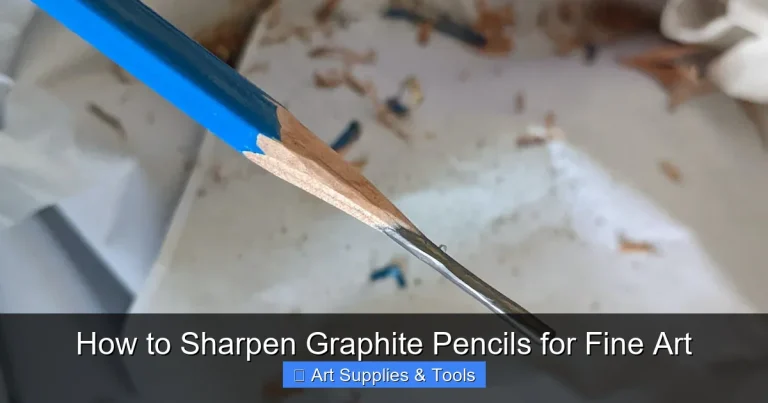
For those interested in pencil work specifically, our guide on how to sharpen graphite pencils for fine art is a helpful companion piece, especially if you want cleaner points and less breakage from better tools.
Paints and mediums for mixed media and decorative art projects
Mixed media artists may find the biggest value in a few premium paints or mediums rather than full sets. Better acrylics, inks, gels, or specialty mediums can improve adhesion, layering, and finish, which is especially useful for decorative canvases, collage, and home-ready art pieces.
If you are creating art as part of your décor, premium materials can help the work feel more polished on the wall or shelf. That matters for projects intended to coordinate with interiors, gift wrapping, or seasonal styling.
Care Tips to Protect Expensive Supplies and Extend Their Lifespan
Premium supplies only feel worth it if they last. A little care goes a long way, especially for brushes, paper, paints, and pencils that can be damaged by moisture, heat, or careless storage.
Cleaning brushes, sealing paints, and storing paper properly
Brushes should be cleaned promptly and dried fully so the shape stays crisp. Paints need lids sealed tightly to prevent drying, and paper should be kept flat in a dry space away from direct light and humidity.
If you store paper near windows, radiators, or damp rooms, even good materials can degrade faster than expected. A drawer, portfolio, or closed shelf is usually a better home than an open, sunlit corner.
Preventing waste through smart portioning, labeling, and studio organization
One of the easiest ways to make expensive supplies worthwhile is to use them carefully. Portion out paint instead of overloading the palette, label open tubes or pans, and keep similar tools together so nothing gets lost or dried out.
Organization also protects your creative mood. A tidy tray of pencils, a labeled brush cup, and a clear paper stack make it easier to begin, which often matters more than having the largest collection.
Paper, pigments, and finished artwork can all be sensitive to light and humidity. If you plan to frame or store finished pieces, use archival-friendly materials when possible and keep them away from direct sun.
Final Creative Recap: A Balanced Buying Approach for Hobbyists
So, are expensive art supplies worth it for hobbyists? Often yes, but selectively. The best purchases are the ones that make your art practice more enjoyable, more consistent, and more likely to become a habit you return to.
When to splurge, when to save, and how to build a satisfying art kit over time
Splurge on the tools that affect your results most directly: paper, brushes, and the core medium you use most. Save on practice supplies, experimental materials, and anything you are still learning to use.
Over time, this creates a thoughtful kit rather than an impulsive one. If you enjoy giving art materials as gifts as well, our article on whether art supplies make good gifts for artists can help you think about the same question from a gifting angle.
For hobbyists, value is not just about cost. It is about how a supply feels in your hands, how it looks in your space, and whether it helps you make more of the art you love.
Recommended Products
SHOP THIS SETUP
Faber-Castell Pitt Artist Pen Brush Set, Black, 6 Count
This set is a great example of a higher-quality art supply that hobbyists can actually feel the difference with: the pens deliver rich, consistent pigment and a smooth brush-tip response that makes sketching, lettering, and linework more enjoyable. They’re durable, reliable, and versatile enough for casual practice or more polished finished pieces, which makes them a smart splurge for artists deciding whether premium tools are worth it.
Frequently Asked Questions
Sometimes, yes. They are most worth it when they improve the part of your process you use most, like paper, brushes, or core drawing tools.
Paper, brushes, and your main medium are usually the best first upgrades. These tools affect control, finish, and how enjoyable the work feels.
Absolutely. Budget supplies are often ideal for practice, sketching, testing techniques, and casual creative projects.
Look for better consistency, stronger pigments, smoother handling, and durability. The best test is whether it makes your work easier and more satisfying.
Often they do, especially when stored and cleaned properly. Brushes, paper, and paints all last longer with good care and dry storage.
Individual upgrades are usually smarter. Start with the specific tools you use most, then expand your kit over time.
One Comment