Best Surface for Gouache Painting: Paper and Board Guide

The best surface for gouache painting is usually hot press watercolor paper because it offers a smooth, controlled finish. If you want more texture or a more casual sketchbook feel, cold press paper, mixed media paper, or Bristol board can be better choices.
Gouache is wonderfully versatile, but the surface you paint on can completely change the look and feel of the finished work. For most artists, the best surface for gouache painting is a smooth, heavyweight watercolor paper—especially hot press paper—because it supports the medium’s matte finish, clean edges, and layered color beautifully.
- Best all-around: Hot press watercolor paper suits most gouache styles.
- More texture: Cold press paper adds warmth and visible brush character.
- For clean illustration: Bristol or illustration board gives crisp edges.
- For practice: Mixed media paper is flexible and beginner-friendly.
What Is the Best Surface for Gouache Painting? A Quick Answer for Artists and Creative Homes
If you want the shortest practical answer, start with hot press watercolor paper for refined work, cold press paper for more texture, and mixed media paper for everyday studies. For illustration, editorial-style pieces, and framed artwork, a heavier, smoother surface usually gives gouache its most elegant result.
How surface choice changes color, texture, and finish in gouache
Gouache is known for its velvety opacity, but that effect only truly shines when the surface supports even paint coverage. A smoother sheet tends to keep colors crisp and luminous, while a more textured sheet can soften edges and create a slightly more handmade look.
The finish also shifts depending on absorbency. On the right paper, gouache dries to that signature matte surface collectors and designers often love in contemporary interiors.
What readers are really looking for: studio results, display quality, and ease of use
Most artists asking about gouache surfaces are really balancing three things: how the paint behaves in the studio, how polished the final piece looks, and how forgiving the surface feels while working. That balance matters whether you are painting at a desk, in a sketchbook, or creating something to frame.
For readers who also enjoy paper-led creative practice, our guide to what paper is best for watercolor at home can help clarify how similar wet media choices overlap.
How Gouache Behaves on Different Surfaces
Why gouache sits between watercolor and acrylic in surface needs
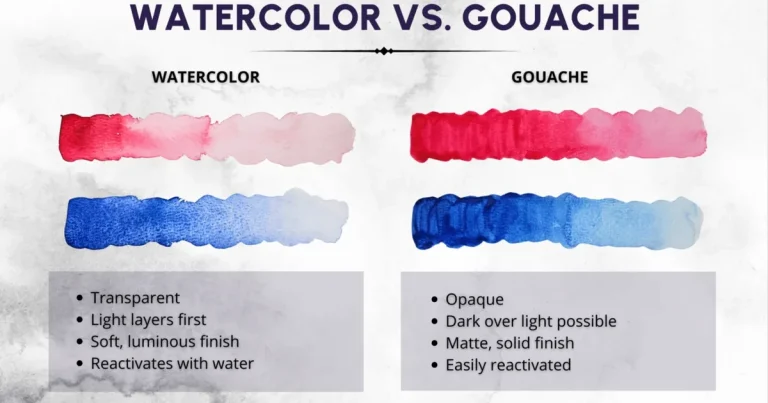
Gouache behaves like a hybrid medium. It can be reactivated with water like watercolor, yet its opacity and ability to cover previous layers give it some of the visual confidence of acrylic.
That in-between nature means it needs a surface that can handle moisture, layering, and repeated brushwork without buckling too quickly or becoming overly slick.
Absorbency, tooth, and rewetting: the three factors that matter most
Absorbency affects how fast the paint sinks in. Too absorbent, and gouache can look dull or patchy; too non-absorbent, and it may sit on top and lift easily when layered.
Tooth is the slight texture of the surface. A little tooth helps the paint grip, while a very smooth sheet favors precision and flat color. Rewetting matters because gouache can be lifted or blended even after drying, so the surface must tolerate that repeated movement.
How surface affects layering, flat color, and edge control
Layering is one of gouache’s biggest strengths, but it works best when the surface allows each layer to dry cleanly. Smooth papers tend to support sharp edges and graphic blocks of color, while textured surfaces can interrupt those edges in a way that feels looser and more painterly.
If you’re comparing paper finishes more broadly, cold press vs hot press watercolor paper is a useful reference point, because gouache often responds to those same surface differences.
The Best Surfaces for Gouache Painting in 2026
Hot press watercolor paper for smooth, refined work
Hot press watercolor paper is often the most elegant choice for gouache because it has a smooth surface with very little texture. That makes it excellent for portraits, botanical studies, detailed still life, and illustration where clean lines matter.
It also helps colors appear flatter and more controlled, which suits gouache’s matte character. For finished artwork, this is one of the safest all-around choices.
Cold press watercolor paper for texture and expressive brushwork
Cold press paper has a more visible texture, which can add charm and movement to gouache paintings. It works well if you like a softer, more atmospheric look or want brushstrokes to remain visible.
The trade-off is that fine details and perfectly even color fields may be slightly harder to achieve. For many artists, that texture is part of the appeal.
Mixed media paper for versatile sketchbook-style painting
Mixed media paper is a practical option for artists who want one surface that can handle drawing, light washes, and gouache. It is especially appealing in sketchbooks and casual creative practice because it is usually more forgiving than thin watercolor paper.
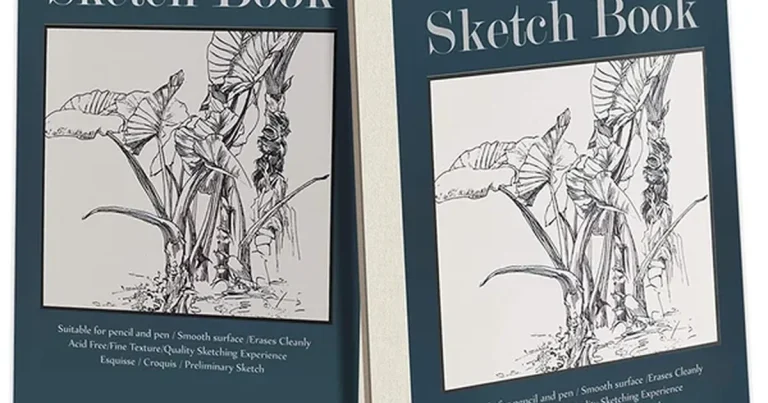
For those building a daily practice, it pairs well with the kind of flexible books discussed in our guide to the best sketchbooks for beginners.
Illustration board and Bristol board for crisp, graphic results
Illustration board and Bristol board are excellent when you want a cleaner, more commercial look. Their smoother surfaces support sharp outlines, flat fills, and polished design-led compositions.
These boards are especially useful for editorial illustration, lettering, and pattern work. Just keep in mind that not every board handles repeated wet layering equally well, so heavier options are usually the safer bet.
Canvas and primed panels for decorative or framed wall pieces
Canvas is not the traditional first choice for gouache, but it can work if primed properly. Primed panels are often the stronger option because they offer a steadier, less absorbent surface and feel more suitable for display pieces.
These surfaces are best for decorative art rather than delicate detail work. They can be appealing when you want a more object-like, wall-ready finish.
Gouache can be used on many surfaces, but the “best” one depends on whether you value smooth control, visible texture, or a more experimental studio feel. There is no single universal winner.
Choosing the Right Surface for Your Style and Project
Best surface for botanical studies, portraits, and still life
For botanical subjects, portraits, and still life, hot press watercolor paper is usually the most flattering surface. It preserves fine edges, subtle gradients, and the crisp shape language these subjects often need.
If you prefer a softer, more organic look, cold press paper can add a gentle atmosphere without losing too much control.
Best surface for editorial illustration, pattern work, and design-led art
For graphic work, illustration board or Bristol board often gives the cleanest result. These surfaces support strong silhouettes, controlled color blocks, and a more print-like finish that feels at home in modern interiors.
They are especially appealing if you want your gouache pieces to look intentional and contemporary rather than loose or sketchy.
Best surface for beginners, students, and casual creative practice
Beginners usually do best with a dependable mixed media pad or a mid-weight watercolor paper. These surfaces are forgiving enough for experimentation without being so delicate that every brushstroke feels risky.
If you are still building your materials collection, our guide to best sketchbooks for artists with quality paper can help you choose a format that supports regular practice.
Best surface for finished artwork intended for framing or gifting
For framed originals or thoughtful gifts, choose a heavier, smoother paper with good archival quality. It tends to look more polished, holds detail well, and frames beautifully behind glass.
That matters especially for pieces meant to live in bedrooms, reading corners, or quiet living spaces where the work needs to feel calm and lasting.
Style Trade-Offs: Smooth, Textured, Matte, and Archival
When a polished surface elevates detail and lighting in the final piece
Smoother surfaces are ideal when you want a refined, luminous result. They allow light to move across the painting without getting lost in heavy texture, which can make colors feel more deliberate and architectural.
This is a strong choice for art displayed in bright rooms, minimalist interiors, or spaces where line quality matters as much as color.
When texture adds warmth, character, and an artisanal feel
Textured paper can make gouache feel more relaxed and handmade. It softens perfection in a pleasing way, which can be lovely for landscapes, loose florals, and expressive studies.
In a home setting, that texture often reads as warm and human rather than overly polished.
- Botanical studies
- Editorial illustration
- Framed gifts
- You want visible brush texture
- You prefer loose, atmospheric marks
- You paint quickly and experimentally
Archival quality versus budget-friendly practice surfaces
Archival paper is worth considering for finished work because it is designed to last longer and usually handles repeated painting more reliably. Budget-friendly surfaces are perfectly fine for practice, thumbnails, and concept work.
In price terms, entry-level practice pads are often the most accessible, mid-range papers offer a better balance of performance and longevity, and premium archival sheets are the best choice for originals you want to keep or gift.
How surface color and paper weight influence the mood of a painting
Bright white paper can make gouache feel crisp and modern, while warmer off-white surfaces soften the palette and create a more intimate mood. Paper weight also matters because heavier sheets resist buckling and feel more substantial under the brush.
For a more atmospheric look, a slightly toned paper can be beautiful. For precision and clarity, a clean white heavyweight sheet usually wins.
Curator Recommendations from the Hurrell Editions Editorial Team
Recommended surface pairings for contemporary interiors and gallery-style presentation
For contemporary interiors, the most versatile pairing is smooth hot press paper with a restrained palette. It suits framed art in hallways, reading rooms, and calm living spaces where the work should feel elevated but not loud.
Key insight: the best gouache surface is the one that supports your intended finish, not simply the one that feels most familiar.Hurrell Editions Editorial Team
Best surfaces for limited-edition prints, sketchbook art, and giftable originals
For limited-edition prints or original pieces you plan to frame, choose a smoother archival paper or a sturdy illustration board. For sketchbook art, mixed media paper offers a more relaxed and portable format.
Giftable gouache originals tend to feel most special when the surface is neat, substantial, and easy to frame. A clean paper edge can make even a small painting feel considered.
Price context: what to expect at entry-level, mid-range, and premium tiers
Entry-level surfaces are usually best for learning and testing color ideas. Mid-range papers often offer the best value for regular painters because they balance quality and affordability.
Premium surfaces are worth the cost when you want strong archival performance, a more refined finish, or a piece that will be displayed for years.
Care Tips, Display Notes, and a Creative Recap
How to protect gouache work from moisture, smudging, and surface damage
Gouache is more delicate than acrylic, so care matters. Avoid stacking finished pieces too soon, and keep them away from humidity, damp walls, and unprotected handling.
If you want a piece to last, allow it to dry thoroughly before framing or storing. A protective sheet between works can help prevent accidental transfer.
Because gouache can rewet, finished work should be handled gently and kept away from moisture. Framing behind glass is the safest choice for long-term display.
Mounting, framing, and storage tips for long-lasting presentation
Mounting on acid-free board and framing behind glass gives gouache the most stable presentation. This is especially important for lighter papers and gift pieces that may travel or be stored before display.
For flat storage, keep artwork in a dry, dark place with protective interleaving. That helps preserve both color and surface integrity.
A final creative recap: matching surface to mood, subject, and intended home
So, what is the best surface for gouache painting? For most artists, it is smooth hot press watercolor paper, with cold press, mixed media paper, Bristol board, and primed panels each serving different creative needs.
The real answer is to match the surface to the mood you want: polished for precision, textured for warmth, archival for finished work, and practical for daily experimentation. When the surface suits the subject, gouache becomes much easier to love.
Recommended Products
SHOP THIS SETUP
Arches Watercolor Block, Cold Press, 140 lb, 9″ x 12″
Arches is a gold-standard paper for gouache because its 100% cotton surface holds pigment beautifully while still allowing smooth layering and lifting. The cold press texture gives gouache enough tooth to grip without making details difficult, making it a versatile choice for both illustration and fine art work.
Frequently Asked Questions
Hot press paper is often the best all-around choice because it is smooth, refined, and great for detail. It also helps gouache maintain its matte, polished finish.
Yes, cold press paper works well for gouache if you want more texture and a looser feel. It is a good option for expressive brushwork and softer edges.
Mixed media paper is a good practical choice for studies, sketchbooks, and casual painting. It is usually less specialized than watercolor paper but very versatile.
Illustration board or Bristol board is often best for detailed gouache illustration. These smoother surfaces support crisp edges, flat color, and graphic control.
Yes, gouache can be used on primed canvas or panels, especially for decorative work. Primed panels usually offer a steadier surface and a more display-ready finish.
Choose a heavier, smoother, archival surface if you plan to frame the work. It will usually look more polished and hold up better over time.