How to Choose Ink for Calligraphy and Lettering

Choose calligraphy ink by matching the formula to your tool, paper, and final purpose. Water-based inks are great for practice, while India, acrylic, and specialty inks suit more permanent or decorative work.
Choosing ink is one of those decisions that quietly shapes the entire mood of a calligraphy or lettering piece. The right ink can make your strokes feel crisp, romantic, dramatic, or modern; the wrong one can feather, skip, or dry before you want it to. For artists, stationery lovers, and gift-givers alike, knowing how to choose ink for calligraphy and lettering is really about matching the medium to the moment.
- Start with the outcome: Decide whether you want expressive, formal, modern, or decorative results.
- Match the tool: Dip pens, brush pens, and fountain pens each prefer different ink behaviors.
- Check the surface: Smooth, well-sized paper helps prevent feathering and bleed.
- Think about permanence: Archival, waterproof, and lightfast qualities matter for finished art.
- Test before buying big: Sample sets are a smart way to compare color, drying time, and flow.
What “How to Choose Ink for Calligraphy and Lettering” Really Means for Different Creative Outcomes
Ink selection is not only a technical choice. It is also an aesthetic one, especially if your work is meant to live on a wall, in a journal, or inside a meaningful gift box. The best ink depends on what you want the finished piece to feel like, how it will be handled, and how long you want it to last.
Define the look first: expressive, formal, modern, vintage, or decorative
Before you compare bottles, decide on the visual language of the piece. Expressive lettering often benefits from inks with a fluid, slightly forgiving flow, while formal scripts usually look best with inks that dry cleanly and hold sharp edges. Vintage-inspired work may call for sepia or iron gall tones, while decorative pieces can lean into shimmer, metallics, or layered color.
If you are planning a piece for a bookish shelf, a framed quote, or a seasonal card, think about how the ink will read from a distance and up close. A restrained black or warm brown can feel elegant and timeless, while a vivid or pearlescent ink can create a more festive, gift-ready effect.
Match the ink to the audience: gift pieces, wedding stationery, journal pages, or display art
A wedding envelope, for example, asks for a different kind of reliability than a practice page. For stationery, you may want fast-drying, smudge-resistant ink that stays crisp on high-quality paper. For journals and sketchbook pages, a smoother water-based ink can be more forgiving and pleasant for daily use.
Display art deserves extra attention to permanence and lightfastness, especially if it will hang near windows or in bright rooms. If you are choosing a gift for someone who loves making art, it can help to pair an ink with the right paper or nib rather than buying the fanciest bottle alone. For more gifting context, Hurrell Editions also has a helpful guide on choosing a gift for an artist friend.
Ink Types Explained for Calligraphy and Lettering Artists
Different inks behave differently on the page, and that behavior matters more than many beginners expect. Some inks are made for easy flow and practice, while others are designed for permanence, layering, or a more traditional manuscript look.
Water-based inks for smooth flow and everyday practice
Water-based inks are often the easiest place to start. They tend to flow well, clean up more easily, and suit a wide range of beginner and intermediate tools. They are especially useful for practice sheets, journaling, and lettering exercises where you want consistency without too much fuss.
These inks are usually friendly to dip pens and some brush pens, though quality varies. If you are working on absorbent paper, however, they can still feather if the paper is too soft or unsealed. A smooth, well-sized paper will give you cleaner edges and a more polished result.
India inks for bold contrast and archival-style artwork
India inks are known for their deep, saturated color and strong contrast. They are often chosen for dramatic black work, editorial-style lettering, and finished pieces that need visual weight. The look can be elegant and graphic, especially in black and dark neutral tones.
These inks are not always ideal for every pen or every paper. Some formulas can be too dense for fountain pens, and some dry to a finish that may not suit every style. They are excellent when you want a confident, high-impact line, but they reward testing before committing to a final piece.
Acrylic inks for permanence, layering, and mixed-media work
Acrylic inks are useful when permanence matters. They can be a strong choice for mixed-media pages, layered artwork, and pieces that need to resist water once dry. Their pigment-rich character often makes them feel more “art object” than “practice tool.”
Because acrylic inks can dry quickly and bind more firmly, they may require more careful cleaning than water-based inks. They are especially worth considering for artists who like to combine lettering with gouache, collage, or painted backgrounds. For those building a mixed-media setup, Hurrell Editions’ guide to choosing brushes for acrylic painting can help you think about tool compatibility across mediums.
Iron gall and specialty inks for traditional or manuscript-inspired projects
Iron gall inks have a long historical association with manuscripts and archival writing. They are often chosen for traditional-looking work, especially when the goal is to echo old books, certificates, or heritage-style lettering. Specialty inks in this family can offer a distinctive tone and an unmistakably classic mood.
They do require more care than many modern inks. Some formulas can be more demanding on nibs and may need prompt cleaning to avoid corrosion or buildup. If you love the atmosphere of old libraries, antique paper, and manuscript-inspired design, these inks can be beautiful—but they are best used with respect for their maintenance needs.
How Surface, Tool, and Style Affect Ink Choice
Even the most beautiful ink will disappoint if it is paired with the wrong tool or paper. A good match between surface, nib, and style often matters more than the brand name on the bottle.
Dip pens, brush pens, fountain pens, and broad-edge nibs: what each ink prefers
Dip pens are the most flexible starting point because they can handle a wider range of inks, including thicker or more specialized formulas. Brush pens generally prefer inks that flow smoothly without clogging the tip. Fountain pens are the most selective and usually need inks specifically labeled as fountain-pen safe.
Broad-edge nibs, often used for traditional calligraphy styles, usually perform best with inks that are neither too watery nor too thick. If your line is meant to be elegant and even, test the ink on scrap paper first. A tiny adjustment in viscosity can completely change the character of the stroke.
Ink compatibility is not universal. A formula that looks gorgeous in a dip pen may clog a fountain pen or spread too quickly on soft paper.
Paper texture, absorbency, and sizing: preventing feathering and bleed
Paper is the quiet partner in every lettering project. Smooth, well-sized paper usually gives the cleanest lines and helps prevent feathering, while more absorbent sheets can create softer edges or unwanted bleed. If your work depends on precision, paper choice is inseparable from ink choice.
For practice, many artists accept a little feathering in exchange for affordability. For finished art, invitations, or framed work, it is worth spending more on paper that can support the ink properly. If you are building a broader paper habit for studio work, Hurrell Editions’ article on what paper is best for watercolor at home is also useful because many of the same absorbency principles apply.
Style trade-offs: crisp lines versus fluid strokes, matte versus sheen
Some inks dry matte and graphic, which helps modern lettering feel clean and editorial. Others leave a subtle sheen that can make a piece feel richer or more ceremonial. Neither is better in the abstract; the right finish depends on the mood you want to create.
Crisp lines tend to suit minimalist layouts, architectural lettering, and bookish work. Fluid strokes and gentle sheen can enhance romantic scripts, decorative borders, and expressive flourishes. If you like a more curated home aesthetic, think of ink finish the way you think of textiles or lighting: it changes the atmosphere.
Color, Finish, and Visual Mood: Choosing Ink That Fits the Design
Color is often the first thing people notice, but finish and saturation matter just as much. A quiet neutral can feel more sophisticated than a loud color if it suits the paper, composition, and surrounding décor.
Black, sepia, and neutral inks for classic editorial and bookish aesthetics
Black remains the most versatile choice for calligraphy and lettering because it reads clearly and pairs well with almost any paper or design. Sepia, warm brown, and charcoal tones create a softer, more literary mood that feels especially fitting for book lovers and editorial-style artwork.
These neutrals are often the safest starting point if you are unsure where your style is heading. They work for practice, finished pieces, and giftable art alike, and they tend to look elegant in frames, on shelves, or tucked into an album.
For a bookish desk or reading nook, try pairing a sepia ink with cream paper and a simple black frame. The result feels quiet, collected, and beautifully lived-in.
Metallic, pearlescent, and shimmer inks for luxe invitations and seasonal gifts
Metallic and shimmer inks can be lovely for holiday cards, celebration pieces, and special invitations. Gold, silver, copper, and pearl finishes catch light beautifully, especially in warm interiors or under soft evening lamps. They are less about everyday utility and more about occasion.
These inks can be slightly trickier to handle, since shimmer particles may settle and require stirring or shaking before use. They also tend to show best on darker or more saturated papers, where the contrast feels intentional rather than decorative for its own sake.
Muted contemporary palettes for interiors-inspired stationery and modern lettering
If your taste leans toward modern interiors, muted inks can feel more refined than brighter shades. Dusty blue, olive, clay, smoke gray, and softened burgundy are excellent for stationery, art prints, and wall-worthy lettering that needs to sit comfortably in a home space.
These tones are especially appealing if you want your lettering to complement framed prints, wood finishes, linen textures, or neutral shelves. They feel less seasonal and more enduring, which can be a smart choice for art that will stay on display year-round.
When opacity matters: layering on dark paper and mixed backgrounds
Opacity becomes essential when you work on dark paper, tinted surfaces, or mixed-media backgrounds. Transparent inks may disappear or look muddy, while opaque inks stay legible and intentional. This is especially important for gift pieces and display art where readability matters.
If you enjoy layering lettering over painted washes, collage, or textured grounds, look for inks that are described as opaque or highly pigmented. A small swatch test on the actual surface is the most reliable way to predict how the final piece will read.
Practical Buying Guide: What to Look for on Labels, Samples, and Price Tags
Ink packaging can be full of promising language, but a few practical details matter most. Labels should help you understand how the ink behaves, how permanent it is, and whether it suits your tools.
Opacity, permanence, waterproofing, and lightfastness explained
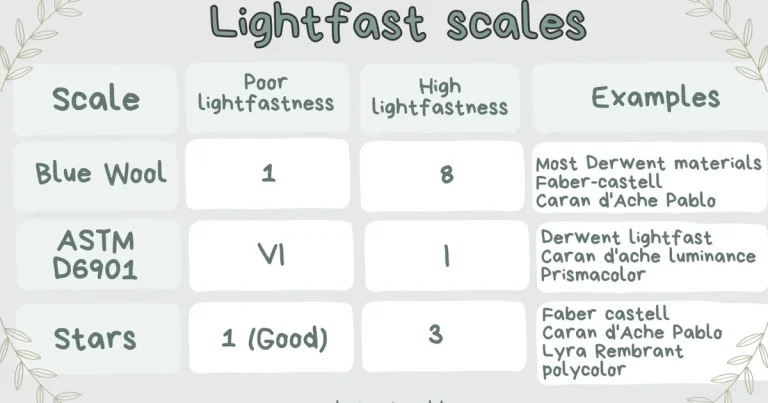
Opacity tells you how well the ink covers the surface beneath it. Permanence suggests how well it resists fading or changing over time, while waterproofing indicates how it behaves after drying. Lightfastness is especially important for artwork that will be displayed in bright rooms.
For practice pages, these qualities may matter less. For framed art, wedding work, or gift pieces intended to last, they matter a great deal. In humid homes or sunlit rooms, preservation becomes part of the aesthetic choice as much as the technical one.
Even archival-looking ink can fade or shift if it is exposed to strong sunlight, moisture, or poor storage. Keep finished work away from direct sun and damp areas whenever possible.
Price context in 2026: student, mid-range, and professional ink options
Ink pricing varies widely by formula, pigment load, and packaging. Entry-level inks are usually best for practice, note-making, and experimenting with style. Mid-range options often offer a better balance of consistency, color depth, and reliability for finished work.
Professional or investment-level inks may be worth it when you need exceptional permanence, unusual finishes, or a very specific aesthetic. The best value is not always the cheapest bottle; it is the one that saves time, reduces mistakes, and suits the kind of work you actually make.
Sample sets versus full bottles: smart ways to test before committing
Sample sizes are often the wisest first purchase, especially if you are comparing several colors or finishes. They let you test flow, drying time, and appearance on your own paper without committing to a large bottle that may not suit your style.
Full bottles make sense once you know you love the formula and use it regularly. If you are building a versatile studio kit, sampling is particularly useful because ink preference often changes with season, project type, and even the lighting in your workspace.
What Hurrell Editions’ editorial team recommends for versatile starter kits
A balanced starter kit usually includes one reliable black water-based ink, one more saturated or archival-style black, and one color that suits your preferred mood—perhaps sepia, muted blue, or a soft earthy tone. That combination covers practice, finished work, and gift projects without feeling excessive.
If you want to build a thoughtful supply collection, it can help to think the way you would when choosing a quality sketchbook or a picture light for artwork: the goal is not only function, but a setting that supports the work beautifully.
A compact trio of black, sepia, and one muted accent color is often the most elegant starting point for calligraphy artists who want both versatility and visual restraint. It suits practice pages, framed quotes, and handwritten gifts without cluttering your shelf or studio.
Common Mistakes to Avoid When Selecting Ink
Most ink frustrations come from a few predictable missteps. The good news is that they are easy to avoid once you know what to watch for.
Choosing by color alone and ignoring nib compatibility
A beautiful color can still behave badly in the wrong pen. Some inks clog fine nibs, some spread too quickly, and some simply do not suit the line you want to create. Compatibility should always come before aesthetics.
If you are drawn to a particular shade, check whether it is intended for dip pens, brush pens, or fountain pens. That one detail can save a lot of disappointment and wasted paper.
Overlooking drying time, smudging risk, and paper quality
Drying time matters more than many beginners expect, especially if you work left to right or layer flourishes over existing text. Slow-drying inks can smudge, transfer, or mark adjacent pages if handled too soon.
Paper quality can either support the ink or fight against it. If your paper is too absorbent, even a good ink may look fuzzy. If it is too slick, the ink may sit on top and smudge longer than expected.
Using archival ink where flexibility is needed, or vice versa
Archival or waterproof inks are excellent for final work, but they are not always the most pleasant choice for casual practice or brush cleanup. Likewise, a very flexible practice ink may not hold up well in a framed piece or a gift meant to last.
The smartest approach is to keep a few inks for different purposes rather than expecting one bottle to do everything. That small bit of specialization usually leads to better results and less frustration.
Care, Storage, and Studio Habit Tips for Better Ink Performance
Good ink care is part of good lettering. A tidy studio habit protects your materials and keeps your work more consistent from one session to the next.
How to store bottles, clean nibs, and protect brushes
Store ink bottles tightly closed, upright, and away from heat or direct sunlight. Clean nibs soon after use, especially if you are working with pigmented or iron gall formulas. Brushes should be rinsed thoroughly and reshaped before drying.
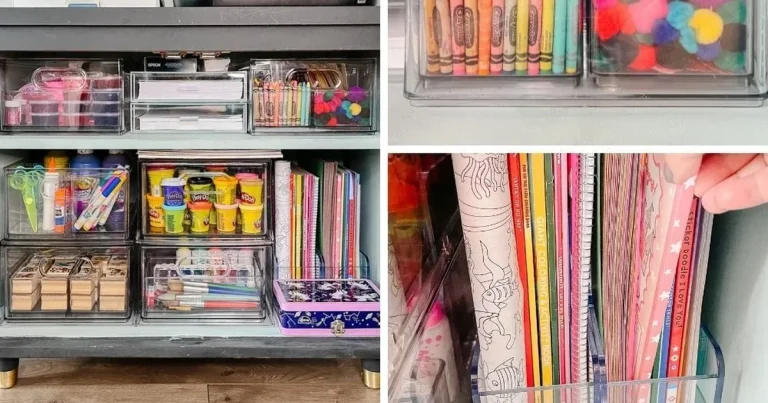
These habits may feel small, but they extend the life of your tools and keep the next session smoother. If your workspace includes shelves or open storage, a tray or box can also help prevent spills and keep bottles visually calm.
Keeping ink fresh in a creative workspace or home studio
A home studio benefits from the same kind of quiet order that makes a room feel inviting. Keep frequently used inks together, separate practice bottles from finished-work bottles, and label any samples clearly so you do not confuse them later.
Humidity can affect some formulas, and dust can settle into open containers if you leave them unattended. A covered drawer, lidded tray, or shallow storage box is often enough to keep things fresher and more usable.
Travel and gifting considerations: portable sets, sealed bottles, and presentation
If you are packing ink for travel or gifting it to another artist, stability matters. Small sealed bottles, sample vials, and well-cushioned packaging are often more practical than large display-worthy containers. Presentation is lovely, but it should never compromise safety.
For gift-givers, an ink set feels even more thoughtful when paired with paper or a nib holder. If you are looking for a broader seasonal idea, Hurrell Editions also has guides on gifts for art lovers and whether art supplies make good gifts.
A Creative Recap: Building an Ink Palette for Calligraphy and Lettering Projects
Choosing ink becomes much easier once you treat it as a palette rather than a single purchase. A thoughtful mix of practice ink, finished-work ink, and one or two mood-setting colors can cover most calligraphy and lettering needs beautifully.
Suggested starter combinations for practice, finished art, and special occasions
For practice, start with a smooth water-based black that is easy to clean and forgiving on the page. For finished art, add a richer black or a more permanent formula that suits your preferred tool. For special occasions, choose one accent color—sepia for warmth, metallic for celebration, or a muted modern tone for contemporary stationery.
If you enjoy gifting handmade pieces, consider how the ink will read in the intended setting. A restrained palette often feels more timeless on a shelf or desk, while a shimmer finish can be lovely for seasonal cards and celebratory notes.
Final curator-style guidance for choosing ink with confidence and artistic intent
The most reliable way to choose ink is to begin with the outcome you want, then narrow by tool, paper, and permanence. Let the project tell you whether it needs softness, precision, archival strength, or decorative sparkle.
That approach keeps your choices intentional and your workspace calmer. In the end, the best ink is not just compatible with your pen—it is compatible with your taste, your paper, and the atmosphere you want your lettering to create.
Recommended Products
SHOP THIS SETUP
Dr. Ph. Martin’s Bombay India Ink, Black, 1 oz
This is a favorite for calligraphy and lettering because it delivers a rich, opaque black with smooth flow and strong permanence. It works especially well for dip pens and brush lettering, making it a versatile choice for artists who want reliable performance across different techniques.
Frequently Asked Questions
A smooth water-based ink is usually the easiest starting point. It flows well, cleans up easily, and works for practice on a wide range of papers.
Not always. Fountain pens need inks made for that purpose, while dip pens can handle a wider range of formulas, including thicker specialty inks.
Choose an ink that dries cleanly, resists smudging, and suits your paper. A reliable black, deep neutral, or controlled metallic can work well depending on the design.
Use smoother, better-sized paper and test the ink before starting the final piece. Highly absorbent paper is the most common cause of feathering.
Not necessarily. Waterproof ink is useful for permanence, but it can be harder to clean and may not be ideal for every practice or brush-pen project.
Keep bottles tightly closed, upright, and away from heat and direct sunlight. Clean nibs and brushes soon after use to prevent buildup and preserve performance.