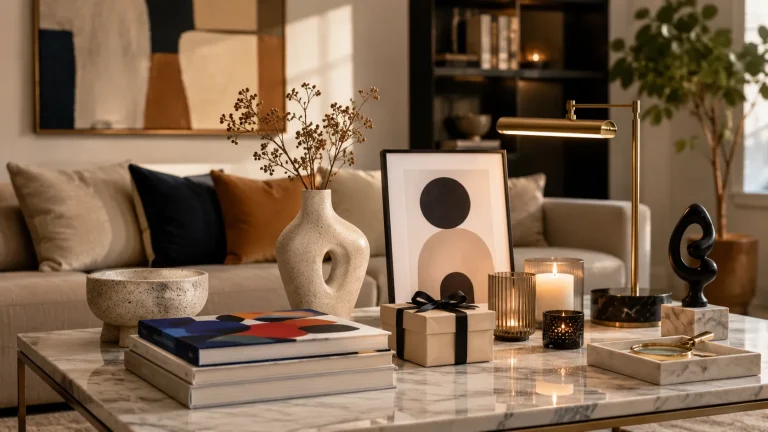
Art Framed in Acrylic: The Sleek Modern Way to Display Your Artwork

Art framed in acrylic offers a clean, modern finish that works especially well for photography, prints, and contemporary works. It is a strong choice when you want clarity, lightness, and a gallery-like look, but it may not suit textured or heritage pieces.
Art framed in acrylic has become one of the most appealing ways to present contemporary work in 2026. It offers a crisp, polished look that lets the image lead, while giving interiors a clean, gallery-like finish that feels both modern and considered.
- Best fit: Photography, editions, and graphic contemporary art.
- Design effect: Acrylic creates a brighter, cleaner, more minimal finish.
- Room use: Works well in modern, curated, and light-filled spaces.
- Trade-off: Less ideal for textured, antique, or highly tactile works.
- Care: Clean gently and keep out of harsh sunlight and humidity.
What “Art Framed in Acrylic” Means in 2026
In practical terms, art framed in acrylic usually refers to artwork presented behind or within acrylic glazing, or mounted in a way that uses acrylic to create a sleek, floating effect. The result is less about ornament and more about visual clarity: the art appears bright, protected, and sharply defined.
This framing style has moved well beyond a trend. For many collectors and homeowners, it now represents a design language of its own—minimal, polished, and well suited to interiors that value light, space, and clean lines.
The visual effect: clarity, depth, and a gallery-like finish
Acrylic is prized for the way it handles light. It can make colors feel more luminous and edges appear more precise, especially in photography, graphic art, and contemporary prints. When done well, the frame recedes and the artwork feels almost suspended.
The appeal is subtle but powerful. Instead of competing with the image, acrylic framing supports it, creating a finish that feels close to what you might notice in a thoughtfully curated exhibition wall.
Why collectors and design-led homeowners are choosing acrylic frames
Collectors often want presentation that feels refined without being visually heavy. Design-led homeowners tend to want the same thing: a frame that complements the room rather than dominating it. Acrylic answers both needs with a light, modern profile.
It is especially attractive for people building a cohesive home collection, where different artworks need to sit comfortably together. The material can make even a simple print feel elevated, which is why it appears so often in contemporary interiors and gift-worthy editions.
Reader Intent: When Acrylic Framing Makes the Most Sense
The best framing choice depends on the artwork, the room, and the mood you want to create. Acrylic is not universally right, but it is often the strongest option when the goal is clarity, modernity, and a sense of visual ease.
Best use cases for prints, photography, editions, and contemporary works
Art framed in acrylic tends to shine with photography, limited-edition prints, digital works, and graphic compositions. These pieces often benefit from sharp presentation and minimal distraction, especially when fine detail or tonal contrast matters.
It can also suit contemporary abstracts with clean color blocks or crisp line work. If the art already feels modern in spirit, acrylic framing usually reinforces that mood rather than diluting it.
Rooms and settings where acrylic framing elevates the artwork
Acrylic framing works particularly well in living rooms, hallways, home offices, bedrooms, and entryways where you want the art to feel polished and intentional. It is also a strong choice for rooms with good natural light, since the finish can help artwork feel bright and open.
For smaller spaces, the visual lightness can be especially useful. A frame that does not feel bulky can make a wall display read as calm rather than crowded, which is a valuable quality in apartments and compact homes.
When a different frame style may be the better choice
There are times when acrylic is not the most sympathetic option. Heritage works, textured originals, and delicate paper pieces may feel better served by traditional framing with archival materials, matting, and more tactile finishes.
If the artwork has strong historical character, visible brushwork, or a handmade surface, a more classic frame may preserve that sense of depth and materiality more naturally.
How Acrylic Framing Changes the Experience of Art in Interiors
Framing is not just protection; it shapes how art lives in a room. Acrylic changes the experience by making the image feel brighter, cleaner, and often more present against the wall.
Enhancing color, contrast, and tonal detail in modern spaces
The clarity of acrylic can sharpen the relationship between light and pigment. Deep blacks may appear richer, pale backgrounds cleaner, and color transitions more legible. That can be especially rewarding in monochrome photography or artworks with subtle tonal shifts.
In modern spaces, where surfaces are often pared back, this kind of framing helps the artwork stand out without needing a heavy frame profile to do the work.
How acrylic framing performs in minimalist, maximalist, and curated homes
In minimalist interiors, art framed in acrylic can feel almost architectural. It suits pale walls, open shelving, and restrained furniture because it keeps the composition clean and calm.
In maximalist rooms, acrylic can act as a visual pause. It gives busy spaces a moment of clarity, which can be useful when art needs to sit among layered textiles, patterned rugs, or bold objects. In curated homes, it often becomes the bridge between collections, helping different works feel related.
Pairing art framed in acrylic with lighting, wall color, and furniture finishes
Lighting matters more than many people expect. Soft directional light, picture lights, or carefully placed lamps can bring out the clarity of acrylic without creating harsh glare. Wall color also plays a role: warm neutrals make the finish feel softer, while deep tones can heighten contrast.
Furniture finishes should be considered too. Acrylic framing pairs beautifully with matte wood, brushed metal, lacquer, and stone because it introduces a smooth visual counterpoint. For more ideas on arranging framed pieces in practical settings, see how to display framed art on a console table and the best picture ledge shelves for framed art display.
Curator Recommendations: Choosing the Right Artwork for Acrylic Framing
Not every artwork needs acrylic framing, but many contemporary pieces look more resolved when given this kind of finish. The goal is to choose work that benefits from precision rather than softness.
Photography, limited editions, and graphic works that benefit most
Photography is one of the strongest candidates. Whether the image is architectural, portrait-based, or atmospheric, acrylic can intensify clarity and help the print feel polished. Limited editions also benefit because the presentation reinforces their collectible nature.
Graphic works, typography-led prints, and bold line drawings often look especially strong under acrylic because the framing style echoes the clean structure of the artwork itself.
Choose a monochrome photographic print or a restrained abstract edition if you want to see how art framed in acrylic changes a room. These works usually reveal the biggest difference in depth, contrast, and overall finish.
Art styles that gain depth without losing authenticity
The best acrylic framing does not make artwork feel colder; it simply gives it a more distilled presentation. Abstracts with strong tonal movement, contemporary landscapes, and refined illustration can all gain depth while still feeling honest to the original image.
The key is proportion. If the artwork already has a quiet, contemplative quality, acrylic can sharpen it without overwhelming the mood. If it depends on rough texture or handmade irregularity, the effect may feel less sympathetic.
Scale, proportion, and placement for statement walls and smaller rooms
Larger works framed in acrylic can create a striking focal point on a statement wall, especially in dining rooms, living areas, and long hallways. The clean finish helps the piece read as intentional rather than heavy.
In smaller rooms, the same framing style can keep the wall from feeling crowded. A modestly sized work in acrylic can look elegant above a desk, beside a reading chair, or on a narrow landing where visual lightness matters.
Style Trade-Offs: Acrylic Frames vs. Traditional Framing Options
Every frame style brings a different balance of beauty, protection, and atmosphere. Acrylic is modern and crisp, but it is worth comparing it with wood, metal, and more traditional glazing before deciding.
Differences in weight, durability, reflection, and presentation
Acrylic is often lighter than glass, which can make hanging easier and reduce strain on walls. It is also less prone to shattering, though it can scratch more easily if handled carelessly. Reflection can vary depending on the finish, so viewing conditions should always be considered.
Traditional wood or metal frames may offer more tactile character, but they can feel visually heavier. Acrylic tends to win when the goal is a cleaner presentation and a more contemporary atmosphere.
| Option | Best For | Note |
|---|---|---|
| Acrylic framing | Photography, editions, modern interiors | Light, clean, and visually minimal |
| Wood framing | Warm, classic, or heritage pieces | Adds texture and traditional character |
| Metal framing | Graphic art and streamlined rooms | Feels crisp, but usually more defined than acrylic |
When acrylic creates a cleaner contemporary look than wood or metal
When the room already has a lot of texture—linen, timber, woven pieces, ceramics—acrylic can be the cleanest way to keep the artwork readable. It lets the piece breathe visually.
It is also effective in gallery walls where consistency matters. Acrylic framing can help different works feel unified, especially if you are aiming for a calm, curated look rather than a mix of ornate finishes.
Potential drawbacks for heritage works, textured pieces, and certain paper artworks
Some works need breathing room, visual softness, or a more tactile frame to feel complete. Highly textured art, deckled-edge papers, and older pieces may look better with matting, UV-protective glazing, or a frame that feels more archival and traditional.
For those pieces, a different frame style may protect the aesthetic integrity of the work more effectively than a modern acrylic presentation.
- Photography and editions
- Minimalist or modern interiors
- Clean, gallery-like presentation
- The artwork is highly textured
- The piece is antique or heritage-led
- You want a softer, more traditional frame feel
Price Context and Value Considerations for Buyers
Pricing for art framed in acrylic can vary widely depending on size, materials, and whether the artwork is a print, edition, or original. It is best approached as part of the total experience, not just the frame itself.
What influences cost: size, glazing quality, mounting method, and edition type
Larger pieces generally cost more because they require more material and more careful handling. The quality of the acrylic glazing, the mounting method, and any archival backing also affect the final price.
Edition type matters too. A standard open print framed in acrylic will usually sit at a different price level than a limited edition or a collectible work with more refined presentation requirements.
How to think about acrylic framing as part of a collectible or gift purchase
For a gift, acrylic framing can make a piece feel finished and immediately display-ready, which is often what people appreciate most. It can be a thoughtful choice for housewarmings, weddings, anniversaries, or milestone birthdays when you want the present to feel polished.
For collectors, the frame is part of the viewing experience. Good framing can increase the sense of care around a work, even if the artwork itself is modestly priced. That said, the best value comes from choosing framing that suits the piece rather than simply looking expensive.
If you are buying a framed artwork as a gift, consider the recipient’s wall color, home style, and likely hanging location. A beautiful frame still needs to suit the room to feel genuinely special.
Where premium framing adds long-term visual and display value
Premium framing matters most when you expect the piece to live in your home for years. Better materials, cleaner edges, and more thoughtful mounting can help the artwork remain visually fresh and easier to integrate into future rooms.
That is especially true for pieces you may move between spaces over time. A well-chosen acrylic frame can keep a work looking current even as furniture and decor change around it.
Care Tips for Keeping Art Framed in Acrylic Looking Its Best
Acrylic framing is relatively easy to live with, but it does ask for a little care. A few simple habits will help preserve the clarity that makes it so attractive in the first place.
Cleaning guidance for dust, fingerprints, and everyday maintenance
Use a soft microfiber cloth for dust and light marks. Avoid abrasive cleaners, rough paper towels, or anything that could scratch the surface. If fingerprints appear, gentle cleaning is better than repeated dry rubbing.
For artworks with a highly polished finish, it is worth being especially careful during cleaning so the surface stays clear and refined.
Acrylic can scratch more easily than glass and may attract static, which can draw dust. Always clean with soft materials and avoid harsh solvents unless the frame maker specifically recommends them.
Display advice for sunlight, humidity, and high-traffic rooms
While acrylic can be a practical framing material, the artwork inside still needs protection from harsh light and environmental stress. Direct sunlight can fade many prints and papers over time, and humidity can affect both the art and the mounting.
In busy rooms or narrow hallways, choose placement carefully so the frame is not repeatedly brushed against. If you are planning a wall arrangement in a compact home, this guide to organising art supplies in a small space can also help you keep the surrounding area calm and uncluttered.
Handling tips for moving, hanging, and storing framed pieces safely
When moving art framed in acrylic, support it from the sides and avoid pressing on the front surface. If you are hanging several pieces, measure carefully so the alignment stays balanced and the display feels intentional.
For temporary storage, keep the piece upright where possible and protect the surface with soft, non-abrasive material. If you prefer to display art on a ledge or stand, compare options like tabletop easel stand vs wall hanging for framed art before choosing the best setup for your room.
Creative Recap: Why Acrylic Framing Works for Art-Led Living
Art framed in acrylic has a quiet confidence. It does not ask for attention through ornament; it earns it through clarity, restraint, and the way it lets the artwork speak cleanly within the room.
How it supports thoughtful interiors, gifting, and personal collecting
For interiors, it supports a refined look that feels current without being cold. For gifting, it offers a polished presentation that feels ready to live beautifully in someone else’s home. For personal collections, it creates consistency and a sense of considered taste.
That versatility is part of its appeal. Whether you are styling a single print or building a layered wall of editions, acrylic framing can help the art feel more resolved and more at home in the space.
Final takeaways for choosing art framed in acrylic with confidence
Choose acrylic when you want clarity, lightness, and a contemporary finish. Choose something else when the work needs softness, texture, or a more traditional frame language.
The most satisfying results come from matching the frame to the art, the room, and the way you want the piece to live over time. When those elements align, acrylic framing feels not just stylish, but quietly exact.
Recommended Products
SHOP THIS SETUP
Umbra Exhibit 5×7 Floating Picture Frame, Set of 3, Clear Acrylic with Brass Accents
This set stands out for its clean floating-frame look, which makes artwork feel gallery-like while keeping the focus on the piece itself. The acrylic construction is lightweight and modern, and the included hardware makes it a strong choice for creating a polished acrylic-framed art display in a contemporary home.
Frequently Asked Questions
Photography, limited editions, graphic prints, and contemporary abstracts usually look especially strong in acrylic. These works benefit from the clean presentation and enhanced clarity.
It depends on the artwork and the room. Acrylic is lighter and less prone to shattering, while glass can feel more traditional and may suit some archival presentations better.
It can, depending on the finish and the lighting in the room. Careful placement and softer directional lighting help reduce reflection.
Yes, especially for housewarmings, weddings, and milestone celebrations. It often feels polished and ready to display, which makes it a thoughtful gift choice.
Use a soft microfiber cloth and avoid abrasive cleaners or rough paper towels. Acrylic can scratch more easily than glass, so gentle cleaning is important.
It may not be ideal for antique, highly textured, or archival works that need a softer or more traditional presentation. In those cases, a different frame style may suit the piece better.