Best Acid-Free Paper for Storage & Preservation

Acid-free paper for storage helps slow yellowing, acid transfer, and surface damage for prints, books, documents, and keepsakes. It works best when matched to the item type, paired with the right enclosure, and kept in a dry, stable environment.
acid free paper for storage is one of the simplest ways to slow down yellowing, brittleness, and surface damage when you want to keep paper goods in better condition over time. For Hurrell Editions readers, it also fits neatly into the same thoughtful approach you’d use for sleeves, boxes, and other archival storage essentials.
- Best use: It is most useful for paper goods, prints, books, and sentimental keepsakes.
- Key choice: Check pH, lignin-free status, and whether the paper should be buffered or unbuffered.
- Storage fit: Choose a size that protects edges without adding unnecessary bulk.
- Limitations: Acid-free paper does not replace dry storage, shade, or a proper box or sleeve.
What Acid Free Paper for Storage Is and Why It Matters in 2026
At its core, acid-free storage paper is designed to sit between your item and the environment without introducing acids that can accelerate deterioration. That matters for anything made of paper or paper-like materials, especially when you are storing items for months or years instead of just a season.
In practical terms, this kind of paper is used as wrapping paper, interleaving sheets, tissue-style protection, or a clean layer inside boxes and folders. It is not a magic shield, but it is a smart first line of defense when your goal is to preserve condition rather than simply hide an item away.
How acid-free paper protects paper goods, prints, books, and keepsakes
Acid-free paper helps reduce the risk of acid migration, which can cause discoloration and weakening in adjacent materials. It is especially useful for prints, certificates, photographs, sketchbook pages, book jackets, letters, and sentimental paper keepsakes that may be handled only occasionally.
For mixed media items, the paper can also act as a buffer layer between surfaces that should not touch directly. That is helpful when you are interleaving prints, wrapping fragile paper goods, or separating folded items inside a storage box.
“Acid-free” is a useful term, but it does not automatically mean every sheet is archival for every purpose. Always check the manufacturer’s specifications for pH, lignin content, and intended use.
Why this storage choice is especially relevant for Hurrell Editions readers
Hurrell Editions readers often care about presentation as much as protection. Acid-free paper supports both because it helps keep storage looking tidy while also serving a preservation function behind the scenes.
If you already use archival sleeves, art folders, or display boxes, acid-free paper is the quiet finishing layer that makes the whole system more reliable. It pairs well with paper-sensitive art storage choices and with collectors who want a clean, minimal setup that still feels considered.
Who Should Use Acid Free Paper for Storage
This is a strong storage option for anyone protecting items that can be damaged by acidic materials, dust, friction, or repeated handling. It is especially useful when the item has personal, artistic, or resale value.
Best for collectors, archivists, artists, photographers, and gift givers
Collectors can use it to separate and wrap ephemera, prints, and paper collectibles. Archivists and artists often rely on it for interleaving and folder storage, while photographers may use it to protect prints and contact sheets.
It is also a thoughtful choice for gift givers who want packaging that feels elevated without being overly decorative. If you are assembling a presentation box, it can make the unwrapping experience feel calm and intentional rather than improvised.
Which rooms and storage spaces it fits: closets, drawers, shelves, and archive boxes
Acid-free paper works well in closets, dresser drawers, flat files, bookshelf storage, and archive boxes. It is flexible enough to fit both compact living spaces and more dedicated studio or office storage systems.
In closets and drawers, it can help keep items separated without adding bulk. In archive boxes and shelves, it helps create cleaner layers and reduces direct contact between objects that might otherwise scuff or transfer residue.
What to Look For When Buying Acid Free Paper for Storage
Not all storage paper performs the same way. The most useful purchase decisions usually come down to chemistry, thickness, and whether the paper matches the material you are protecting.
Key specifications: pH-neutral, lignin-free, buffered vs. unbuffered, and archival quality
Look first for pH-neutral paper, since that helps reduce acidity-related deterioration. Lignin-free paper is also important because lignin can break down over time and contribute to discoloration.
Buffered paper contains an alkaline reserve that can help neutralize acids, which is often useful for many paper goods. Unbuffered paper may be a better fit for some sensitive materials, such as certain photographs, textiles, or items that should not be exposed to alkaline buffering. If the item is especially valuable or delicate, confirm the recommendation with the manufacturer’s care guidance or archival supplier information.
Paper weight, opacity, sheet size, and foldability for different storage needs
Paper weight affects how much protection and structure the sheet provides. Heavier paper may feel more substantial for wrapping and separation, while lighter sheets can be easier to fold and layer inside tight boxes.
Opacity matters too. More opaque sheets can help conceal light-sensitive items from incidental exposure and create a cleaner visual presentation. Sheet size should match the item closely enough to minimize waste, but not so closely that you end up forcing folds into fragile edges.
If you are also thinking about how the paper will behave in a creative workspace, it can help to compare it the same way you would compare other paper products, such as the options discussed in quality paper sketchbooks for artists.
Material compatibility for prints, textiles, books, and delicate collectibles
Compatibility is where many buyers make mistakes. Prints and paper documents usually do well with archival paper, but textiles, photographs, and certain mixed-media pieces may need a more specific recommendation.
Books may benefit from interleaving or jacket protection, while folded fabrics often need a softer wrap and enough room to avoid sharp creases. For delicate collectibles, the safest approach is to confirm whether the item should be buffered, unbuffered, or stored with minimal direct contact.
If you are storing photographs, hand-colored work, or unusually fragile materials, verify compatibility before buying. A paper that is archival for one category can still be a poor choice for another.
How to Choose the Right Size and Placement for Storage Projects
Size is not just a convenience issue. The wrong sheet size can leave exposed edges, create unnecessary folds, or waste space inside a box that should be supporting the item evenly.
Matching sheet size to artwork, documents, books, or folded items
For flat artwork and documents, choose a sheet large enough to cover the full surface with a little extra margin. That margin helps protect edges and makes handling easier when you lift the item in and out of storage.
For books, consider whether you need a full wrap, a jacket, or only interleaving sheets. Folded items such as letters or textiles may need a size that allows gentle wrapping without compressing corners or creating bulky layers.
Layering, interleaving, wrapping, and box placement for safe organization
Layering works best when each sheet has a clear job. Use interleaving to separate surfaces, wrapping to reduce dust exposure, and box placement to keep heavier items from pressing on lighter ones.
A simple system is often the most durable: item, acid-free layer, supportive enclosure, then a rigid outer box. If you are building a more polished storage system, pairing the paper with the right enclosure can be just as important as the paper itself.
Use the item’s widest and tallest points so the paper covers it without tight pulling or unnecessary trimming.
Limit creases and folds to what the storage space actually requires.
Use a box, sleeve, or folder that supports the paper instead of letting it slump or curl.
Common sizing mistakes that reduce protection or waste space
The most common mistake is buying sheets that are too small and then forcing awkward overlaps. That can create pressure points and leave corners exposed.
Another issue is oversizing so dramatically that the paper bunches up and takes over the storage box. Extra bulk can make the system harder to close, harder to label, and more likely to shift during handling.
Styling and Presentation Ideas for a Neat, Elevated Storage Setup
Storage does not need to look purely utilitarian. With the right paper, boxes, and labels, it can feel organized enough to live in a visible closet, shelf, or studio corner.
How to pair acid-free paper with archival boxes, sleeves, and labels
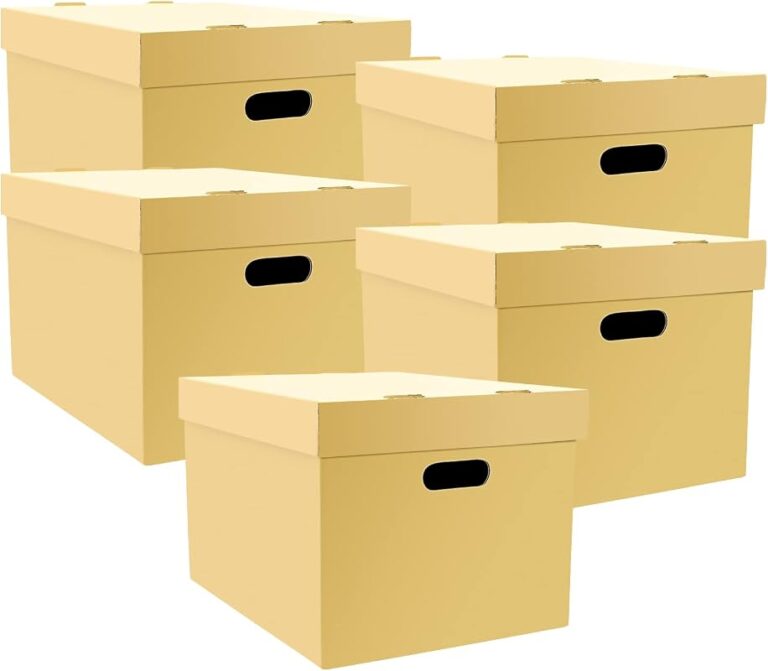
Pairing acid-free paper with archival boxes creates a cleaner, more cohesive system than using mixed leftover materials. Sleeves are useful for items you want to view often, while paper layers are better for items that should rest undisturbed.
Labels matter too. A simple, consistent labeling method helps you find items without opening every box, which reduces handling and keeps the storage system looking intentional. For display-minded readers, this is where storage starts to feel like part of the room rather than something hidden from it.
- Use one paper type across a storage category so boxes look cohesive when stacked.
- Choose neutral labels and simple handwriting or print styles for a cleaner archive feel.
- Keep frequently accessed items in sleeves, and reserve wrapping paper for long-term storage.
Presentation ideas for gift packaging, keepsake storage, and collector displays
For gifts, acid-free paper can create a refined unboxing moment without glitter, ribbons, or excess filler. It works especially well for art prints, letters, journals, and memory boxes.
For keepsakes, a layered presentation can make items feel cared for even when they are tucked away. For collectors, a visible but orderly system can make a shelf or drawer feel more like a curated archive than a catch-all storage zone.
How to match a storage system to modern, classic, or minimalist interiors
Modern interiors usually benefit from crisp white or neutral storage materials with clean labeling. Classic spaces can handle richer textures, but the storage paper itself should still stay understated so the contents remain the focus.
Minimalist rooms often look best when the storage system disappears visually, which makes neutral archival paper especially appealing. If you want a more tactile, handcrafted presentation, you can also look at related display and hanger ideas such as reclaimed wood poster framing or wood for a magnetic poster hanger when the stored item is meant for rotation rather than deep archive keeping.
Benefits, Limitations, and Value of Acid Free Paper for Storage
The value of acid-free paper is easiest to understand when you see it as one part of a preservation system. It is a relatively simple material, but it can make a meaningful difference when paired with good storage habits.
Protection against yellowing, discoloration, and long-term deterioration
One of the biggest benefits is reducing the chance that stored items will yellow or discolor from contact with acidic materials. That matters most for light-colored paper goods, important documents, and items you want to keep visually clean over time.
It can also slow the breakdown caused by poor-quality wrapping or folders. While it will not stop aging entirely, it helps remove one avoidable source of damage from the equation.
Where acid-free paper adds real value and where it is not enough on its own
It adds the most value when the item is paper-based, handled occasionally, and stored in a supportive enclosure. In those cases, the paper can be a practical, low-friction upgrade over ordinary packing materials.
It is not enough on its own if the space is damp, hot, exposed to sunlight, or packed so tightly that items bend. It also cannot fix poor enclosure choices, such as using an acidic box or combining it with unstable materials.
Transparent limitations: moisture, light, handling, and poor storage conditions
Moisture is the biggest threat to any storage system because it can lead to warping, mold, and transfer damage. Light exposure can also fade inks and weaken paper even if the wrapping itself is archival.
Frequent handling introduces another risk. If you are opening boxes often, the paper should be part of a system that makes access easy without dragging or rubbing the contents every time.
- Helps slow yellowing and acid transfer
- Works well for wrapping, interleaving, and box storage
- Fits neatly into both practical and decorative storage setups
- Does not protect against moisture or sunlight by itself
- Compatibility varies by item type
- Quality and archival claims differ by manufacturer
Care, Maintenance, and Common Mistakes to Avoid
Good storage habits matter as much as the paper itself. A careful system is usually the difference between a tidy archive and one that slowly starts to fail.
Best practices for handling, replacing, and reusing archival paper safely
Handle paper with clean, dry hands, and avoid folding or refolding the same sheet repeatedly if it has become worn. If a sheet has absorbed dust, moisture, or residue, replace it rather than trying to reuse it indefinitely.
When reusing archival paper, inspect it first for discoloration, tearing, or softness. A sheet that has lost its structure is less useful as a protective layer, even if it originally met the right standard.
Storage environment basics: temperature, humidity, and light control
A stable environment is essential. Aim for a space that avoids dramatic temperature swings, stays reasonably dry, and keeps items away from direct light sources.
Closets and drawers can work well if they are not damp or overfilled. Shelves are fine too, as long as boxes are closed properly and not placed where sunlight will hit them for long stretches.
Typical errors: mixing with acidic materials, overpacking, or using the wrong enclosure
One frequent mistake is placing archival paper next to acidic cardboard, old newsprint, or low-grade envelopes. That can undo some of the benefit you were trying to create.
Overpacking is another problem because it compresses edges and makes the storage harder to access. The wrong enclosure can be just as limiting: even excellent paper cannot compensate for a box that is too flimsy, too small, or not suited to the item’s shape.
- Use acid-free paper with compatible sleeves, folders, or boxes
- Keep storage dry, shaded, and easy to access
- Replace damaged or contaminated sheets when needed
- Mixing archival paper with acidic packaging materials
- Compressing fragile items into undersized boxes
- Assuming “acid-free” alone guarantees full preservation
Final Recommendation: Is Acid Free Paper for Storage Worth It?
For most people preserving paper-based items, the answer is yes. It is a practical, relatively low-effort upgrade that can help protect prints, books, documents, and keepsakes when it is paired with the right box, sleeve, and storage environment.
Best-use scenarios and the ideal buyer profile for Hurrell Editions readers
The best buyers are collectors, artists, photographers, and anyone organizing sentimental paper goods in a way that needs to look neat as well as last. It is especially worth considering if you are building a drawer, archive box, or shelf system that will be opened only occasionally.
For readers who value presentation, it is also one of the easiest ways to make storage feel intentional. A well-chosen sheet can turn a basic box into a cleaner, more curated system without adding visual clutter.
Transparent verdict on quality, practicality, and long-term value
The real value of acid-free paper is that it addresses a common and preventable source of damage. It is not the only thing that matters, but it is one of the easiest preservation choices to get right.
If you confirm the item compatibility, choose the right size, and store everything in a stable environment, acid-free paper becomes a smart, durable foundation for long-term organization. For Hurrell Editions readers, that makes it less of a luxury and more of a sensible archival staple.
Frequently Asked Questions